
Attraction
Senso-ji
Tokyo's oldest and most visited Buddhist temple, reached through the Kaminarimon gate and the shop-lined Nakamise approach in historic Asakusa.
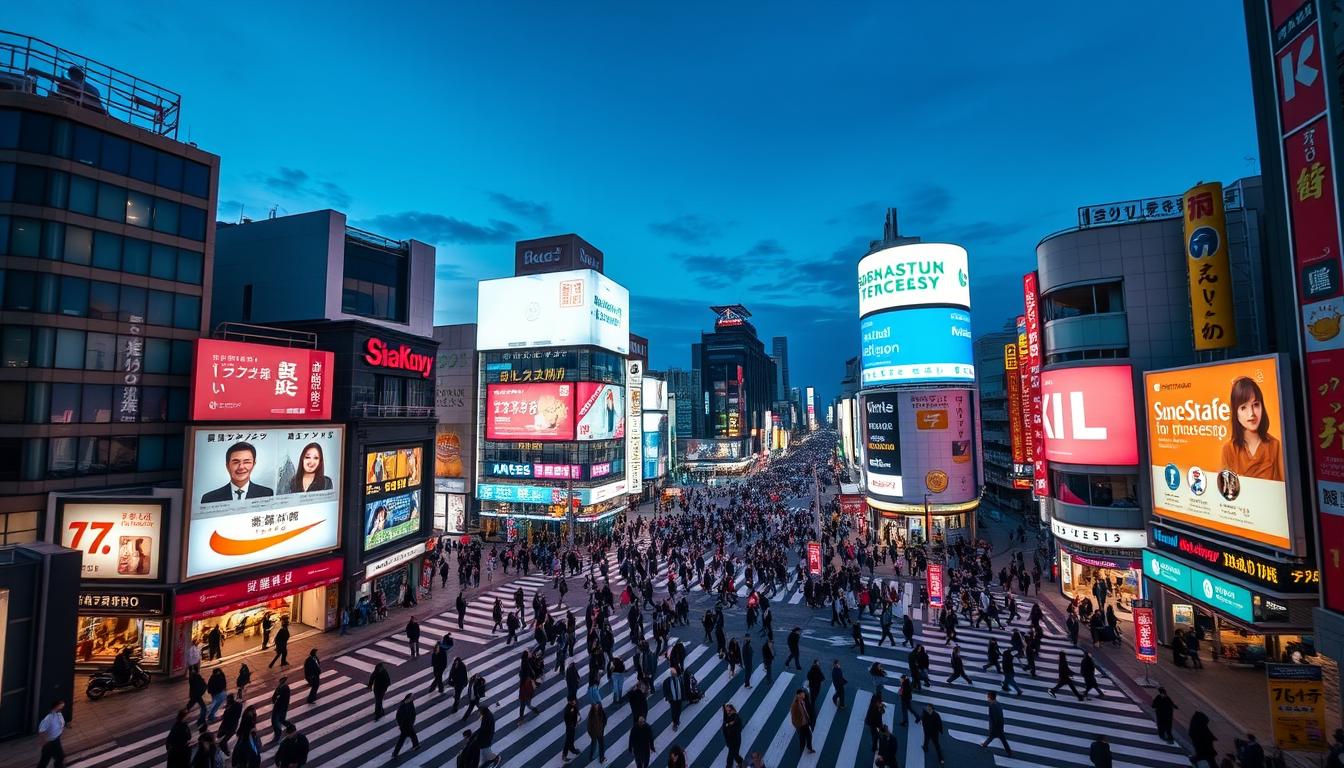
The variety of things to do in Tokyo is huge, from old temples and shrines to large shopping districts, museums and some of the best food in the world. Asakusa is home to Sensō-ji, the city's oldest temple, while Ueno has a large park and several national museums. Shibuya and Shinjuku are major hubs known for their crossings, shopping and nightlife, Harajuku sits next to the Meiji Jingu shrine, and Ginza is the upmarket shopping area. Akihabara is the centre for electronics, anime and gaming.
Tokyo is known for its huge number of Michelin-starred restaurants, but some of the most memorable meals are simple: ramen, sushi counters, izakaya pubs, department store food halls and convenience store snacks. Each neighbourhood has its own mix of small restaurants and bars, often on upper floors or in basements. Four to six days is a sensible length for a first visit, giving time for the main districts and a day trip to Nikko, Kamakura or Hakone. Many visitors combine Tokyo with Kyoto and Osaka.
Attraction
Tokyo's oldest and most visited Buddhist temple, reached through the Kaminarimon gate and the shop-lined Nakamise approach in historic Asakusa.
Attraction
A major Shinto shrine dedicated to Emperor Meiji and Empress Shoken, set in a large man-made forest beside Harajuku and Yoyogi Park.
Attraction
Japan's oldest national museum, founded in 1872, with a vast collection of Japanese and Asian art and archaeology across several galleries in Ueno Park.
Attraction
The public gardens of the Imperial Palace, laid out on the Honmaru and Ninomaru grounds of the former Edo Castle in central Tokyo.
Attraction
At 634 metres, Japan's tallest tower, with observation decks at 350 and 450 metres offering sweeping views across Tokyo and, on clear days, Mount Fuji.
Attraction
A 58-hectare national garden in Shinjuku combining Japanese, English landscape and French formal styles, famed for around 1,500 cherry trees.
Café
A Jimbocho roastery-café serving light-roasted, single-origin specialty coffee designed to bring out the character of each origin.
Café
An Omotesando coffee bean shop where baristas guide customers through a curated menu of beans from roasters in Japan and abroad.
Café
The Tokyo outpost of Oslo's Fuglen, opened in Tomigaya in 2012, serving its own roastery's light Nordic-style coffee near Yoyogi Park.
Hotel
A serene luxury hotel on the top floors of Otemachi Tower, pairing minimalist Japanese design with a spa, 30-metre pool and city views.
Hotel
A luxury hotel on a Yurakucho corner between Marunouchi and Ginza, with commanding city views towards the Imperial Palace grounds.
Hotel
A luxury hotel on the upper floors of Nihonbashi Mitsui Tower, with a spa and around ten restaurants and bars in historic Nihonbashi.
Hotel
A large mid-range hotel in the Shinjuku Toho Building, famous for the life-size Godzilla head looming over its terrace in the heart of Kabukicho.
Hotel
A stylish hotel steps from Senso-ji's Kaminarimon gate, with a terrace restaurant and bar looking out over Asakusa and Tokyo Skytree.
Hotel
A calm, modern Japanese-style hotel near Suidobashi Station, arranged around gardens, with French and Japanese restaurants facing its courtyard.
Bar
A tight grid of narrow lanes in Kabukicho holding around 300 tiny bars, many seating only a handful of drinkers, each with its own theme.
Bar
The SG Group's multi-level Shibuya cocktail bar, blending Japanese and Western drinking culture, with a casual ground floor and a moody basement.
Bar
The Tokyo outpost of New York's famous jazz club, hosting international and Japanese artists in an Aoyama supper-club setting with full dinner service.
Bar
A small, dark Ebisu cocktail bar opened in 2010, known for herbal drinks, absinthe and cocktails built around unusual ingredients and stories.
Bar
A well-known club in Shibuya's Maruyama-cho, hosting DJ-led events most nights of the week from late evening until dawn.
Restaurant
Chef Yoshihiro Narisawa's acclaimed Aoyama restaurant, serving a seasonal tasting menu built around Japanese ingredients, forests and the farming landscape.
Restaurant
Zaiyu Hasegawa's playful modern kaiseki restaurant in Jingumae, known for warm hospitality and a seasonal tasting menu with a sense of humour.
Restaurant
A long-established Ginza sushi house serving Edomae-style nigiri at the counter, part of a family business that has been running for around 90 years.
Restaurant
The original branch of Maisen, a Tokyo tonkatsu specialist founded in 1965, frying breaded pork cutlets famously tender enough to cut with chopsticks.
Restaurant
A sprawling, open-late izakaya in Nishi-Azabu with handmade soba, charcoal skewers and tempura, made internationally famous by a scene in Kill Bill.
Restaurant
The Ebisu branch of AFURI, the ramen shop named after Mount Afuri and known for its light, citrusy yuzu shio ramen.
Thing to do
The lively market streets that remained in Tsukiji after the wholesale fish market moved to Toyosu, packed with seafood stalls, knife shops and breakfast counters.
Thing to do
An open-air rooftop observation deck around 229 metres up on Shibuya Scramble Square, looking straight down on the famous Scramble Crossing.
Thing to do
Tokyo's principal kabuki theatre in Ginza, rebuilt in 2013 to a Kengo Kuma design, staging traditional performances most days of the month.
Thing to do
The national sumo arena in Ryogoku, hosting the January, May and September Grand Sumo Tournaments and a small free Sumo Museum.
Thing to do
A narrow post-war alley by Shinjuku Station's west exit, packed with around 60 tiny yakitori counters, izakaya and bars under glowing lanterns.
Tour operator
A Tokyo-registered travel agency founded in 2016, running guided food and culture tours such as a Shinjuku and Golden Gai evening food walk.
Tour operator
A Tokyo tour company running guided bar-hopping nights in Shinjuku, food tours, Tsukiji visits and cultural experiences such as sumo and samurai sessions.
Tour operator
Guided bicycle tours of Tokyo starting from Shinkawa, with themed half-day and full-day routes covering the bay, old Edo, backstreets and architecture.
Tour operator
Tokyo's long-established sightseeing bus company, running half-day, full-day, night and open-top tours plus day trips to Mount Fuji and Hakone.
Tour operator
A water bus service run by the Tokyo Metropolitan Park Association, cruising the Sumida River between Asakusa, Ryogoku and Odaiba under Rainbow Bridge.
Four to six days covers the main districts, a few museums and a day trip. With more time, many visitors continue to Kyoto and Osaka by bullet train.
Shinjuku and Shibuya are well connected and have plenty of restaurants and nightlife. Ginza and Tokyo Station suit those wanting a central, quieter base, while Asakusa and Ueno are often better value.
From Haneda, the Keikyu line and Tokyo Monorail connect with the city rail network. From Narita, the Narita Express and Keisei Skyliner run to central Tokyo, and airport buses serve major hotels.
Tokyo is less expensive than many visitors expect, especially for food and transport. Hotel rooms are often small, and prices rise during cherry blossom season and holidays.
Tokyo is considered one of the safest large cities in the world, with low crime rates. The main inconveniences are crowded trains at rush hour and the occasional language barrier.