This Japan itinerary covers 14 days on the classic first time route: Tokyo, Hakone and Mount Fuji, Kyoto, Nara, Osaka, Hiroshima and Miyajima, with every train time and fare, a daily cost in yen, pounds and dollars, and what to do when it rains. Shorter on time? Shorter 7 and 10 day versions follow the main plan.
Some links in this guide are affiliate links: if you book through them we may earn a commission at no extra cost to you. It never changes what we recommend. How we make money.
All prices were checked in November 2026, including the Shinkansen (bullet train) fares, the new Japan Rail Pass prices from October 2026, the 3,000 yen departure tax and Kyoto’s higher hotel tax. Conversions use about ¥209 to £1 and ¥159 to $1, so treat pound and dollar figures as rough guides.
Japan itinerary at a glance
| Days | Base | Highlights | Getting there | Fare (one way, Nov 2026) |
|---|---|---|---|---|
| 1 to 4 | Tokyo | Sensoji, Shibuya Sky, Meiji Jingu, teamLab, Tsukiji | Fly into Haneda or Narita | Airport train about ¥500 to ¥3,000 |
| 5 | Hakone | Ropeway over Owakudani, Lake Ashi cruise, ryokan night | Odakyu train from Shinjuku, about 90 minutes | Hakone Freepass ¥7,100 (about £34 / $45) |
| 6 to 8 | Kyoto | Fushimi Inari, Higashiyama, Arashiyama, Kinkakuji, Gion | Hikari Shinkansen from Odawara, about 2 hours | ¥12,300 (about £59 / $77) |
| 9 | Nara, then Osaka | Todaiji Great Buddha, Nara Park deer | Train from Kyoto, about 45 minutes | Under ¥1,000 |
| 10 | Osaka | Osaka Castle, Kuromon Market, Dotonbori | Base for one more night | Local trains only |
| 11 to 12 | Hiroshima | Peace Memorial Park and Museum, Miyajima | Nozomi from Shin Osaka, about 1 hour 25 minutes | ¥10,950 (about £52 / $69) |
| 13 to 14 | Tokyo | Himeji Castle stop, last night in Tokyo, fly home | Nozomi from Hiroshima, about 4 hours | ¥19,760 (about £95 / $124) |
Fares are adult reserved seats in the regular season. Reserved fares rise by ¥200 in busy periods and ¥400 at the very busiest times, and drop by ¥200 in quiet periods. Unreserved seats cost a little less and stay the same all year.
In this guide:
- The route: why this order works for a first time Japan itinerary
- Day by day: the full 14 day plan with morning, afternoon and evening
- Timed tickets: what to book before you fly
- Is the Japan Rail Pass worth it for this route
- 7 day and 10 day versions
- Seasonal tweaks and bad weather swaps
- Costs, UK and US travel essentials and FAQs
Why this first time Japan itinerary works
A first time Japan itinerary should move in one direction, from Tokyo west along the Shinkansen line, so you never double back. This 14 day plan spends four nights in Tokyo, one in Hakone, three in Kyoto, two in Osaka and two in Hiroshima, then returns to Tokyo for your flight home.
Most flights from London and the US land in Tokyo, which is why the route starts there. Hakone sits on the way to Kyoto, so the hot spring night costs almost nothing in extra travel time. Kyoto and Osaka are only 30 minutes apart, which makes Nara an easy stop between them. Hiroshima is the furthest point west, and a single four hour train ride takes you back to Tokyo at the end.
If your return flight leaves from Osaka’s Kansai airport, you can skip the last train back to Tokyo and add a day in Osaka or Kyoto instead. Book this as an open jaw ticket (into Tokyo, home from Osaka), which often costs about the same as a normal return.
Day 1: Arrive in Tokyo
Morning: flights from London and the US land at Haneda or Narita, Tokyo’s two airports. Before you land, fill in Visit Japan Web, the free government form that gives you QR codes for immigration and customs.
Afternoon: from Haneda, the Keikyu line or the Tokyo Monorail reaches central Tokyo in 20 to 30 minutes for well under ¥1,000. From Narita, allow around an hour on the Keisei Skyliner or the Narita Express, at roughly ¥3,000. Buy or load an IC card (more on these below) at the airport so every later train and bus is a simple tap.
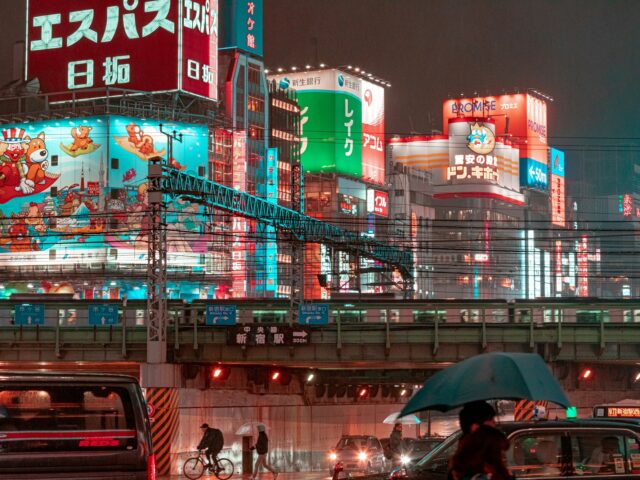
Evening: stay close to your hotel. Shinjuku, Shibuya, Ginza and Ueno are all good first time bases. Have ramen or a set meal, walk through the lanterns of Omoide Yokocho in Shinjuku, and get an early night to beat the jet lag.
Daily cost estimate (per person, not including your hotel): about ¥8,000 (about £38 / $50).
Day 2: Old Tokyo in Asakusa and Ueno
Morning: go to Sensoji in Asakusa by 8am, before the tour groups arrive. The temple grounds are free and open early, and the shopping street of Nakamise leads up to the main hall. From there, walk across the river for photos of Tokyo Skytree.
Afternoon: take the Ginza line to Ueno for Ueno Park, the Tokyo National Museum and the market street of Ameya Yokocho. Our guide to the things to do in Tokyo has opening hours and prices for each of these.
Evening: go up Tokyo Skytree for the city lights (tickets from ¥1,800, about £9 / $11, depending on date and time), then eat in the backstreets of Asakusa or Ueno.
Bad weather swap: spend the afternoon inside the Tokyo National Museum and add teamLab Planets in Toyosu, which is mostly indoors.
Daily cost estimate: about ¥9,000 (about £43 / $57).
Day 3: Meiji Jingu, Harajuku and Shibuya
Morning: walk through the forest to Meiji Jingu, Tokyo’s great Shinto shrine, which is free to enter. Then explore the side streets of Harajuku and the wide, smart avenue of Omotesando.
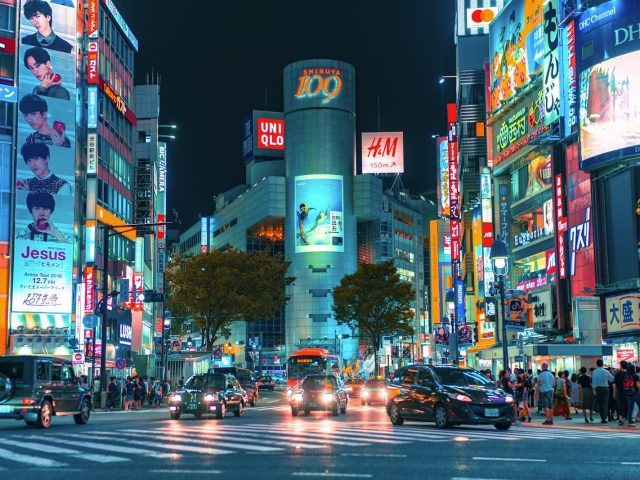
Afternoon: walk down to Shibuya, cross the famous scramble crossing, and find the statue of Hachiko the loyal dog outside the station.
Evening: book a sunset slot at Shibuya Sky, the open rooftop above Shibuya station. Online tickets were ¥2,700 before 3pm and ¥3,400 from 3pm (about £16 / $21) when we checked in November 2026, and the sunset slots sell out first. End the night in Shinjuku with yakitori in Omoide Yokocho or a drink in the tiny bars of Golden Gai.
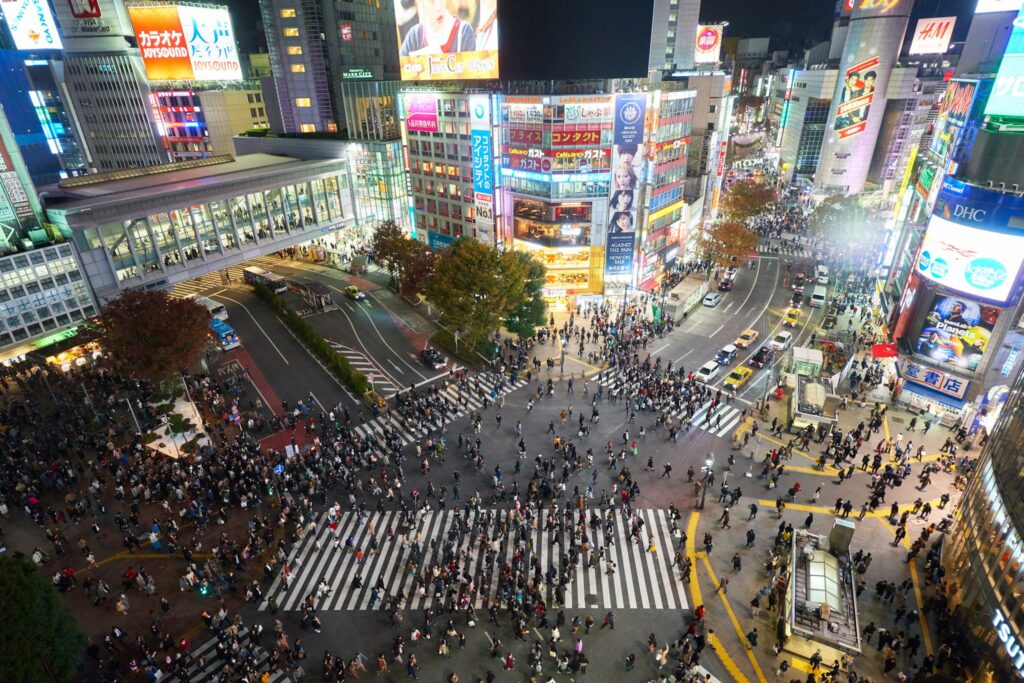
Bad weather swap: the rooftop closes in strong wind and heavy rain, so keep the evening free to move your slot, or go up the free observation decks of the Tokyo Metropolitan Government Building in Shinjuku instead.
Daily cost estimate: about ¥10,000 (about £48 / $63).
Day 4: Tsukiji, teamLab and the Ghibli Museum
Morning: have a sushi or tamagoyaki (sweet omelette) breakfast at Tsukiji Outer Market, which is busiest from about 7am to 11am. Many stalls close by early afternoon and some close on Sundays and Wednesdays.
Afternoon: choose one timed ticket. teamLab Borderless at Azabudai Hills is a walk through digital art museum with no set route, priced by date from about ¥3,400 (about £16 / $21) on quieter days in late 2026. Alternatively, ride out to Mitaka for the Ghibli Museum (¥1,000 for adults, about £5 / $6), which needs a ticket bought weeks ahead.
Evening: Akihabara for electronics and arcades, or Ginza for department store food halls and calm cocktail bars.
Daily cost estimate: about ¥12,000 (about £57 / $75).
Day 5: Hakone and Mount Fuji views
Morning: check out early and send your big suitcase straight to your Kyoto hotel (see the tip below). Take the Odakyu line from Shinjuku to Hakone Yumoto, about 90 minutes on the Romancecar limited express, which needs a small seat fee on top of the pass.
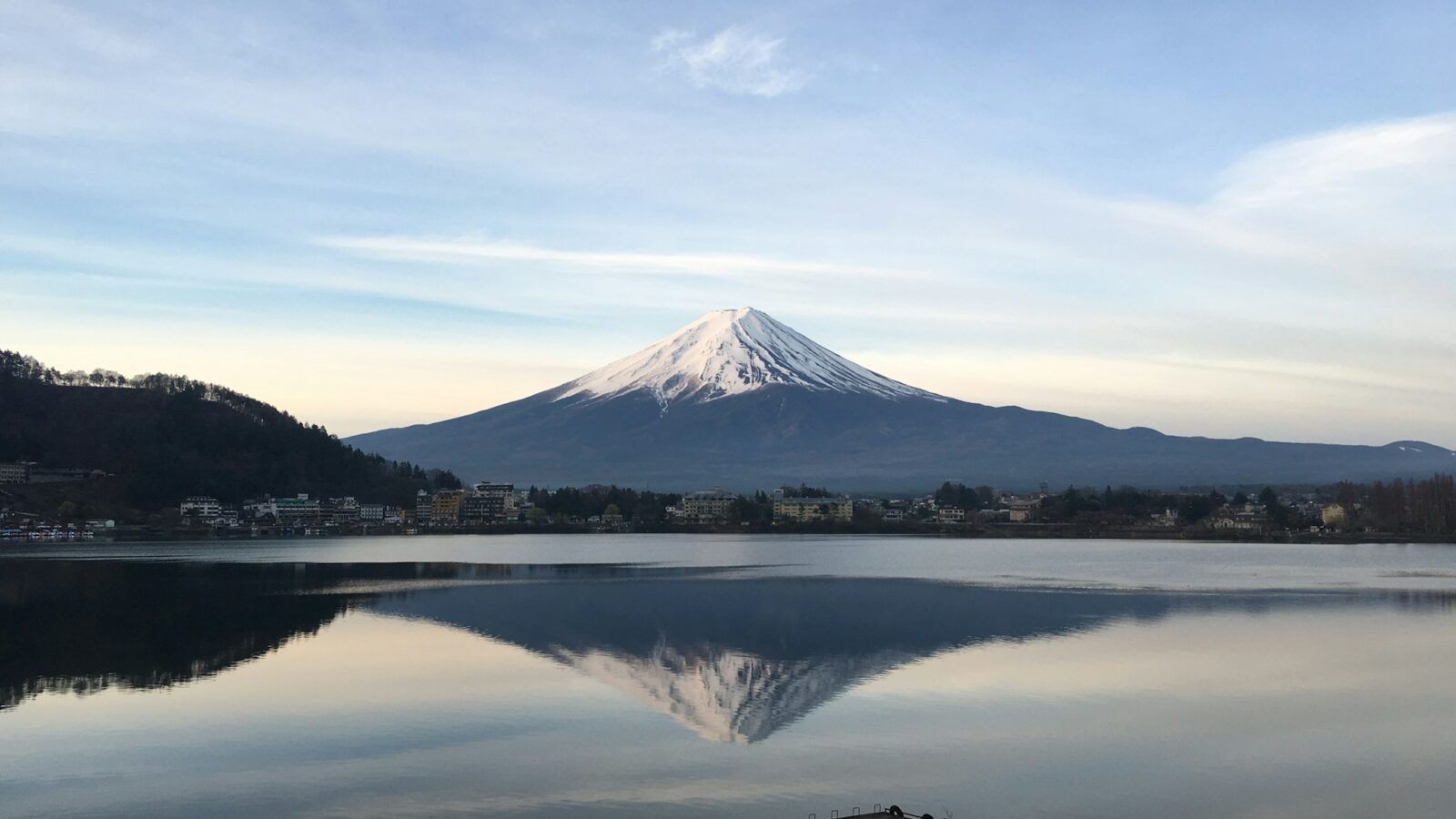
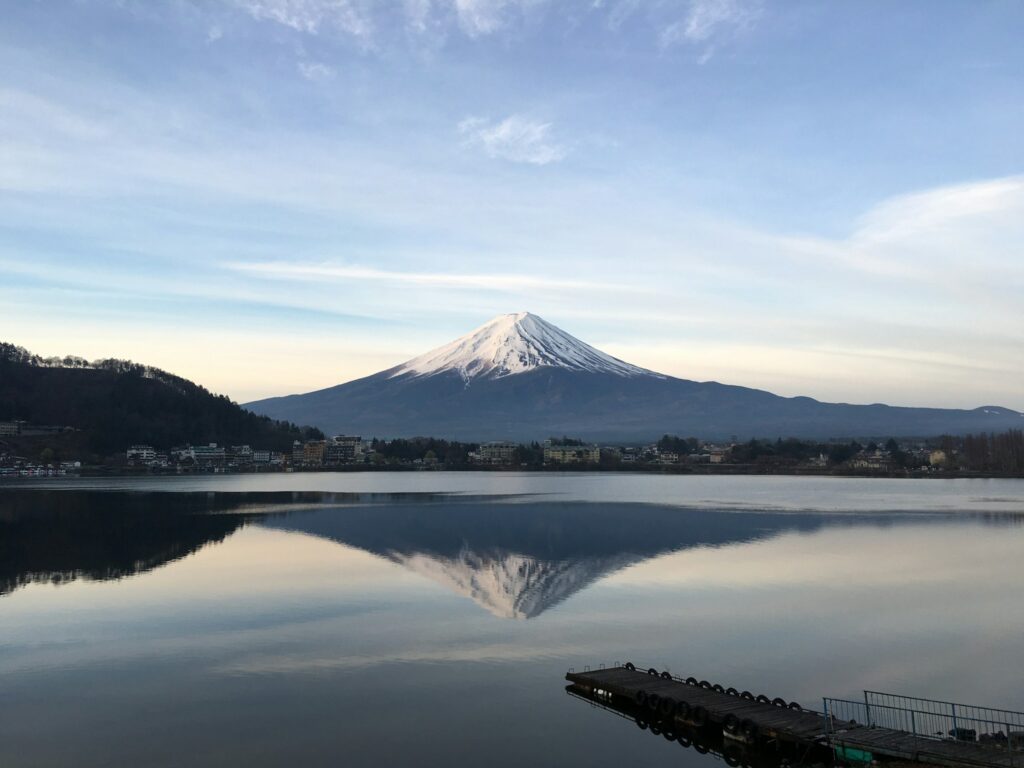
Afternoon: the Hakone Freepass covers the classic loop. Ride the small mountain train up to Gora, the cable car to Sounzan, then the ropeway over the steaming volcanic valley of Owakudani. On a clear day, this is where you see Mount Fuji. Drop down to Lake Ashi and take the sightseeing cruise across to Moto Hakone and the red torii gate of Hakone Shrine.
Evening: spend the night in a ryokan (traditional inn) with an onsen (hot spring bath) and a multi course kaiseki dinner. This is the night of the trip most people remember. Ryokan prices vary hugely, so book early and check whether dinner and breakfast are included.
Hakone Freepass prices from 1 October 2025: ¥7,100 for two days from Shinjuku (about £34 / $45) or ¥6,000 from Odawara (about £29 / $38). It covers the mountain train, cable car, ropeway, lake cruise, local buses and one return trip on the Odakyu line to Odawara. The Hakone Ropeway alone now costs ¥2,000 one way.
Alternative: if Fuji views matter more than hot springs, base yourself at Lake Kawaguchi instead. Fuji is often hidden by cloud in summer and clearest from late autumn to early spring.
Bad weather swap: Owakudani and the ropeway can close in high wind or because of volcanic gas. If they do, visit the Hakone Open Air Museum and spend longer in the onsen.
Daily cost estimate: about ¥12,000 (about £57 / $75), plus the ryokan.
Day 6: Hakone to Kyoto by Shinkansen
Morning: a last onsen soak, then take the mountain train or bus down to Odawara. The Hikari Shinkansen from Odawara reaches Kyoto in about 2 hours. The fare is ¥12,300 for a reserved seat (about £59 / $77) or ¥11,770 unreserved. Sit on the right hand side (seat E on most trains) for a chance of Fuji views heading west.
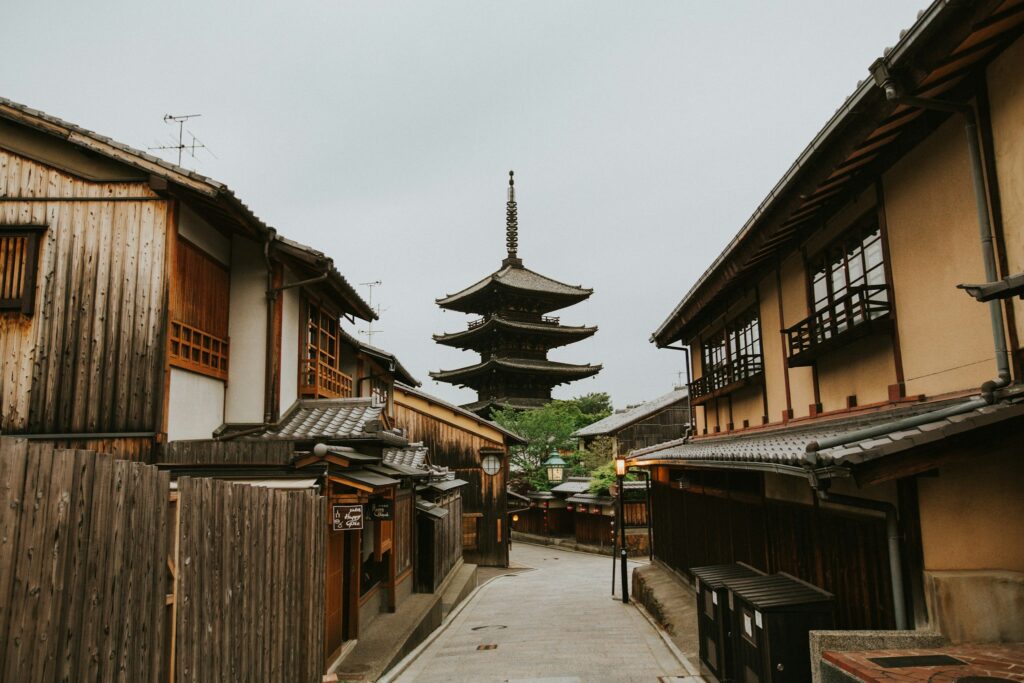
Afternoon: check in and walk the old streets of Higashiyama: Ninenzaka and Sannenzaka up to Kiyomizudera, the wooden temple on stilts (¥500, about £2 / $3).
Evening: walk down through Yasaka Shrine into Gion as the lanterns come on. Stick to the public streets: local residents now ban visitors from private lanes in parts of Gion, and signs warn of fines.
Daily cost estimate: about ¥20,000 (about £96 / $126), including the train.
Day 7: Fushimi Inari and central Kyoto
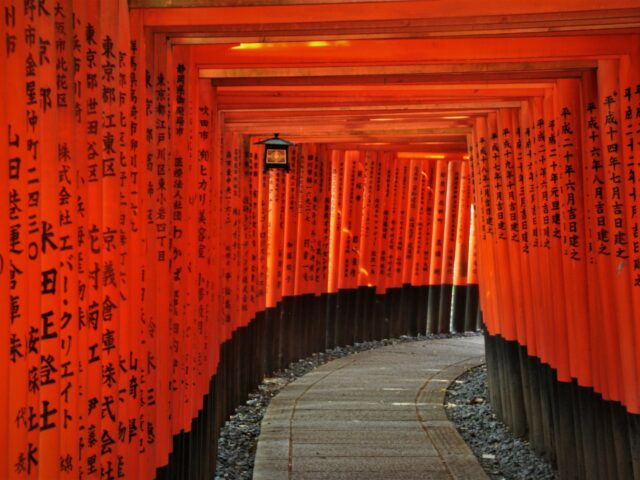
Morning: be at Fushimi Inari Taisha by 7am. It is free, open all hours and only five minutes from Kyoto Station on the JR Nara line. The thousands of orange torii gates thin out the higher you climb, and the full walk to the summit takes two to three hours.
Afternoon: lunch at Nishiki Market, the covered food street in central Kyoto, then visit Nijo Castle or browse the shops of Teramachi and Shinkyogoku.
Evening: Pontocho, a narrow lane of restaurants along the river, is good for dinner. Book ahead on Fridays and Saturdays.
Bad weather swap: Nishiki Market and the Teramachi arcades are covered, and the Kyoto Railway Museum is a good indoor choice for families.
Daily cost estimate: about ¥8,000 (about £38 / $50).
Day 8: Arashiyama and Kinkakuji
Morning: walk the Arashiyama bamboo grove before 8am, then visit the gardens of Tenryuji (¥500 for the garden, plus ¥300 for the main buildings). Cross the Togetsukyo bridge and, if you have energy, climb to the monkey park on the hill.
Afternoon: take a bus or taxi to Kinkakuji, the Golden Pavilion (¥500, about £2 / $3). Ryoanji and its famous rock garden are about 20 minutes away on foot or a short bus ride.
Evening: a quiet night, with the option of a tea ceremony or a maiko (apprentice geisha) dinner show booked through a reputable operator.
Daily cost estimate: about ¥8,000 (about £38 / $50).
Kyoto hotel tax: from 1 March 2026, Kyoto charges each guest per night on a sliding scale by room rate. It is ¥200 under ¥6,000, ¥400 from ¥6,000 to ¥19,999, ¥1,000 from ¥20,000 to ¥49,999, ¥4,000 from ¥50,000 to ¥99,999 and ¥10,000 at ¥100,000 or more, according to the official Kyoto City tourism notice. Most hotels collect it at check in.
Day 9: Nara, then on to Osaka
Morning: send your suitcase to Osaka, then take the JR Nara line or the Kintetsu line from Kyoto to Nara, around 35 to 45 minutes for under ¥1,000. Walk through Nara Park, where hundreds of sika deer roam freely, to Todaiji and its giant bronze Buddha (¥800, about £4 / $5).
Afternoon: visit Kasuga Taisha and its stone lanterns, then take the Kintetsu line to Osaka Namba, around 40 minutes.
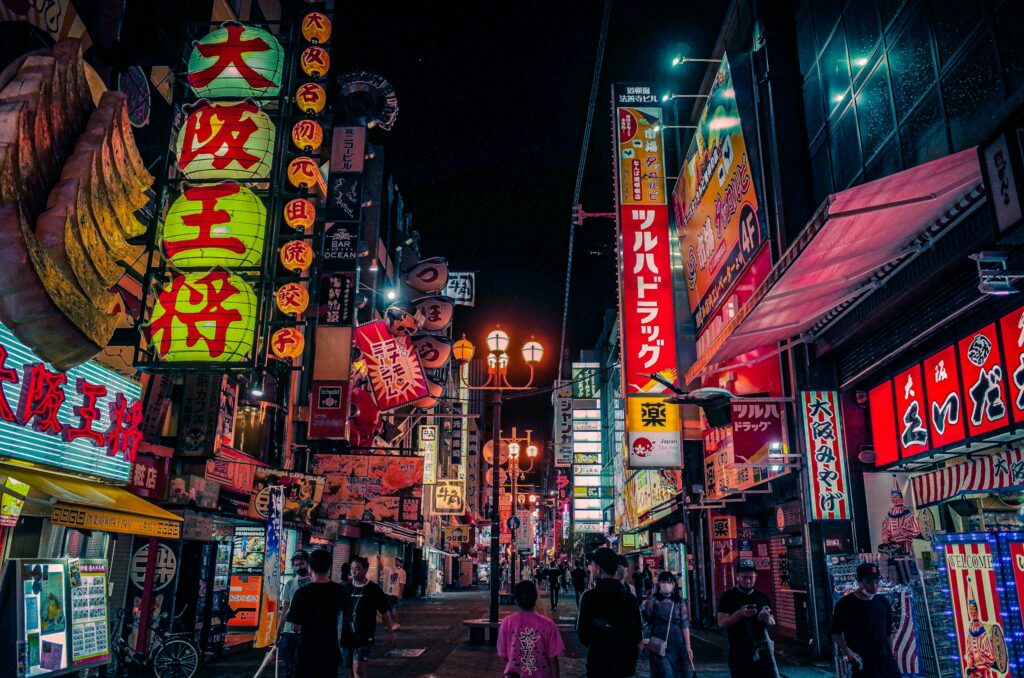
Evening: your first night in Osaka. Head straight to Dotonbori for takoyaki (octopus balls) and okonomiyaki under the neon signs.
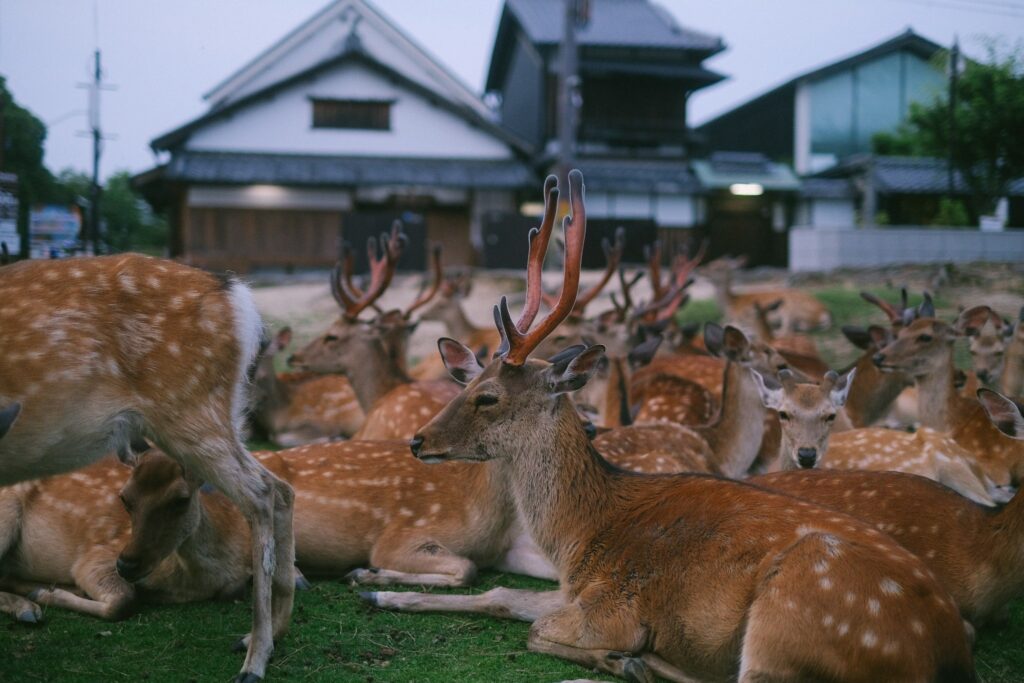
Bad weather swap: Todaiji’s hall is indoors, and the Nara National Museum is next to the park.
Daily cost estimate: about ¥11,000 (about £53 / $69), including luggage forwarding.
Day 10: Osaka Castle, markets and street food
Morning: Osaka Castle Park, with the main tower museum at ¥1,200 (about £6 / $8) since April 2025.
Afternoon: graze through Kuromon Ichiba Market, then shop along Shinsaibashi or explore the retro streets of Shinsekai.
Evening: a food crawl through Dotonbori and the small bars of Hozenji Yokocho. Many travellers find Osaka the best food city on the whole trip.
Alternative: Universal Studios Japan takes a full day and prices change by date, so buy tickets and any Express Pass well in advance.
Bad weather swap: the Kaiyukan, one of Japan’s largest aquariums, is entirely indoors.
Daily cost estimate: about ¥9,000 (about £43 / $57).
Day 11: Osaka to Hiroshima
Morning: take the Nozomi from Shin Osaka to Hiroshima, about 1 hour 25 minutes. A reserved seat is ¥10,950 (about £52 / $69) and unreserved is ¥9,890.
Afternoon: walk to the Atomic Bomb Dome and through the Peace Memorial Park to the Peace Memorial Museum (¥200, about £1 / $1). Allow at least two hours. It is a moving, often upsetting visit, and well worth it.
Evening: eat Hiroshima style okonomiyaki, layered with noodles and cabbage, in Okonomimura, a building packed with small counters.
Daily cost estimate: about ¥18,000 (about £86 / $113), including the train.
Day 12: Miyajima day trip
Morning: take the JR train to Miyajimaguchi, about 30 minutes, then the 10 minute ferry. Visitors to Miyajima pay a ¥100 visitor tax, usually added to the ferry fare.
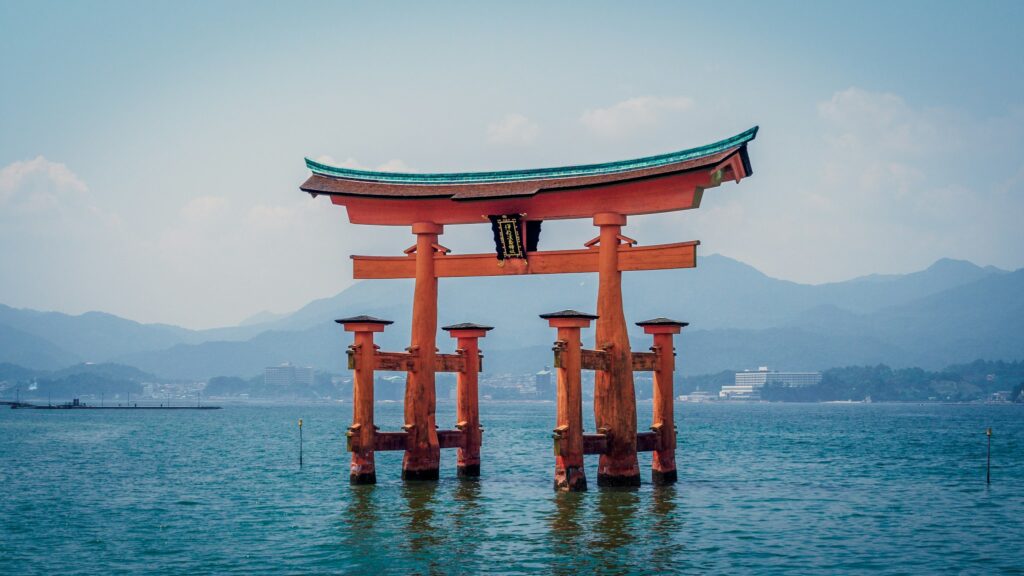
Afternoon: see Itsukushima Shrine (¥300) and its famous torii gate, which appears to float at high tide and can be reached on foot at low tide. Check tide tables before you go. Ride the ropeway up Mount Misen (¥2,000 return, about £10 / $13) for views over the Seto Inland Sea.
Evening: try grilled oysters or momiji manju (maple leaf cakes) on the island, then return to Hiroshima. Staying overnight on the island is a lovely upgrade, as the day crowds leave by late afternoon.
Bad weather swap: the ropeway stops in strong wind. Spend the time in the Miyajima History and Folklore Museum and along the shopping street instead.
Daily cost estimate: about ¥10,000 (about £48 / $63).
Day 13: Himeji Castle and back to Tokyo
Morning: take the Shinkansen east to Himeji, about an hour. Himeji Castle, the best preserved original castle in Japan, now charges ¥2,500 for adults (about £12 / $16) after a price rise on 1 March 2026.
Afternoon: continue to Tokyo, about three hours. The direct Nozomi from Hiroshima to Tokyo costs ¥19,760 reserved (about £95 / $124) and takes about four hours. Stopping at Himeji costs a little more, because you need separate express tickets for each part of the journey.
Evening: last night in Tokyo. Stay near Tokyo Station, Shinagawa or Hamamatsucho for a quick airport run.
Daily cost estimate: about ¥28,000 (about £134 / $176), including the train and castle.
Day 14: Fly home
Use the last morning for shopping in Ginza or a final visit to Shibuya, then head to the airport. Leave at least three hours before an international flight. Japan’s departure tax, the International Tourist Tax, rose from ¥1,000 to ¥3,000 (about £14 / $19) on 1 July 2026, according to the Japan National Tourism Organization. It is normally included in your airline ticket, so you rarely pay it separately.
Daily cost estimate: about ¥8,000 (about £38 / $50).
Timed tickets to book before you fly
Several of the most popular stops on any Japan itinerary run on timed tickets, and some sell out weeks ahead. Book these first, then fit the rest of each day around them.
| Ticket | Price (Nov 2026) | When to book | Tip |
|---|---|---|---|
| Ghibli Museum, Mitaka | ¥1,000 (about £5 / $6) | 10am Japan time on the 10th of the previous month | Sells out fast, buy at release |
| teamLab Borderless, Azabudai | From about ¥3,400 (about £16 / $21), varies by date | Sales usually open around the 1st, two months ahead | You can change your slot up to three times |
| teamLab Planets, Toyosu | From ¥3,800 (about £18 / $24), varies by date | As soon as dates are fixed | You walk barefoot through water |
| Shibuya Sky | ¥2,700 before 3pm, ¥3,400 from 3pm (online) | Up to four weeks ahead | Sunset slots sell out first |
| Tokyo Skytree | From ¥1,800 (about £9 / $11) | A few days ahead, or on the day | Cheaper on weekdays |
| Universal Studios Japan | Priced by date | Weeks ahead in holidays | Express Pass sells out |
| Shinkansen seats | See the fares above | Up to one month ahead | Book reserved seats in busy periods |
Is the Japan Rail Pass worth it for this itinerary?
No, not for this route. The individual Shinkansen tickets on this 14 day Japan itinerary add up to about ¥43,600 (about £209 / $274), while a 14 day Japan Rail Pass costs ¥80,000 to ¥84,000. The pass also does not cover the Odakyu trains to Hakone, the Kintetsu trains around Nara or the Nozomi without an extra fee.
Here is how the numbers work in November 2026.
| Journey | Single ticket (reserved) | Covered by the JR Pass? |
|---|---|---|
| Odawara to Kyoto (Hikari) | ¥12,300 | Yes |
| Kyoto to Osaka (JR Special Rapid) | ¥580 | Yes |
| Shin Osaka to Hiroshima (Nozomi) | ¥10,950 | Only with a Nozomi ticket fee, or ride the Sakura or Hikari instead |
| Hiroshima to Tokyo (Nozomi) | ¥19,760 | Only with a Nozomi ticket fee |
| Total | About ¥43,590 (about £209 / $274) |
The JR Group raised pass prices on 1 October 2026 for passes bought through overseas agents: the 7 day ordinary pass went from ¥50,000 to ¥53,000, the 14 day pass from ¥80,000 to ¥84,000 and the 21 day pass from ¥100,000 to ¥105,000. JR’s own online purchase service is keeping the old prices for a limited time, with no end date announced. This follows the big rise in October 2023, when the 7 day pass jumped from ¥29,650 to ¥50,000.
Since October 2023, pass holders can ride the faster Nozomi and Mizuho trains by paying a separate ticket fee. Between Tokyo and Kyoto or Shin Osaka it is ¥4,960 each way (about £24 / $31). On this route, the free alternative from Shin Osaka to Hiroshima is the Sakura or Hikari, which adds only a few minutes.
When the Japan Rail Pass is worth it: if you will cover very long distances in a short time, such as Tokyo to Hiroshima and back plus a trip north to Sendai or Kanazawa within seven days. For the classic Tokyo, Kyoto, Osaka and Hiroshima route, buy single tickets on the Smart EX app or at station machines, and use an IC card for everything else.
7 day Japan itinerary
A 7 day Japan itinerary works best as Tokyo, Kyoto and Osaka only. Spend three nights in Tokyo, three in Kyoto and one in Osaka, and fly home from Kansai International Airport near Osaka if you can.
- Day 1: arrive in Tokyo, settle in around Shinjuku or Shibuya.
- Day 2: Sensoji, Ueno and Tokyo Skytree.
- Day 3: Meiji Jingu, Harajuku, Shibuya Sky at sunset.
- Day 4: Nozomi to Kyoto (about 2 hours 15 minutes, ¥14,170 reserved, about £68 / $89), then Higashiyama and Gion.
- Day 5: Fushimi Inari at dawn, Arashiyama in the afternoon.
- Day 6: Nara in the morning, Osaka and Dotonbori in the evening.
- Day 7: Osaka Castle, then fly home from Kansai, or take the Nozomi back to Tokyo (about 2 hours 30 minutes, ¥14,720 reserved).
Skip Hakone and Hiroshima on a week long trip. You would spend too much of your time on trains.
10 day Japan itinerary
A 10 day Japan itinerary adds Hakone and gives Kyoto the time it deserves. Spend three nights in Tokyo, one in Hakone, three in Kyoto and three in Osaka, with a day trip to Hiroshima and Miyajima from Osaka if you want to see them.
- Days 1 to 3: Tokyo, as days 1 to 3 of the main itinerary above.
- Day 4: Hakone and a ryokan night.
- Days 5 to 7: Kyoto, as days 6 to 8 above.
- Day 8: Nara, then on to Osaka.
- Day 9: Osaka, or a long day trip to Hiroshima and Miyajima (Nozomi ¥10,950 each way, about 1 hour 25 minutes).
- Day 10: fly home from Kansai, or take the Shinkansen back to Tokyo.
A Tokyo, Kyoto, Osaka itinerary like this is the most popular first trip for good reason: little time lost to travel, and a huge contrast between the three cities.
How much does this 2 week Japan itinerary cost?
A 2 week Japan itinerary costs roughly £1,000 to £3,200 ($1,300 to $4,200) per person on the ground, not counting flights, depending on your hotels. The yen is still weak by historical standards, so Japan is cheaper for UK and US visitors than it was ten years ago.
The figures below are our estimates per person for 14 days, assuming two people share a room. They use the train fares and ticket prices in this guide and typical November 2026 hotel prices.
| Cost | Budget | Mid range | Comfort |
|---|---|---|---|
| Hotels (13 nights, per person sharing) | ¥80,000 (£383 / $503) | ¥160,000 (£766 / $1,006) | ¥330,000 (£1,579 / $2,075) |
| Hakone ryokan night | Guesthouse instead | Included above | Included above |
| Intercity trains and Hakone pass | ¥52,000 (£249 / $327) | ¥52,000 (£249 / $327) | ¥70,000 with Green Car seats |
| Local transport | ¥15,000 (£72 / $94) | ¥20,000 (£96 / $126) | ¥40,000 including taxis |
| Food and drink | ¥45,000 (£215 / $283) | ¥85,000 (£407 / $535) | ¥180,000 (£861 / $1,132) |
| Sights and timed tickets | ¥20,000 (£96 / $126) | ¥30,000 (£144 / $189) | ¥50,000 including tours |
| Total per person | About ¥212,000 (£1,014 / $1,333) | About ¥347,000 (£1,660 / $2,182) | About ¥670,000 (£3,206 / $4,214) |
Return flights from London to Tokyo and from US gateways vary widely by season, so check prices for your dates before you settle on a budget.
Seasonal tweaks to your Japan itinerary
The route works all year, but small changes make a big difference by season. Our best time to visit Japan guide has month by month weather, blossom dates and festival calendars.
- Spring (late March to early April): cherry blossom peaks in Tokyo, Kyoto and Osaka. Book hotels months ahead, and add early morning walks along Kyoto’s Philosopher’s Path and Tokyo’s Meguro River.
- Golden Week (late April to early May): Japan’s busiest holiday period. Book Shinkansen seats a month ahead, and avoid travel days on the holidays themselves.
- Rainy season (June to mid July): use the bad weather swaps above, and pack a light umbrella. Hydrangeas bloom in Hakone and Kyoto.
- Summer (mid July to August): very hot and humid. Plan sightseeing for early morning and evening, and spend the middle of the day in museums. Typhoons are most likely in August and September. Mount Fuji’s official climbing season runs from July to early September.
- Autumn (October to early December): the second best season. Kyoto’s maples usually peak from mid November to early December, so book Kyoto hotels early.
- Winter (December to February): crisp, clear and quieter, with the best chance of seeing Mount Fuji. Many museums and some restaurants close for a few days over New Year.
Japan travel essentials for UK and US visitors
Entry rules for UK and US passports
UK passport holders can visit Japan for tourism for up to 90 days without applying for a visa in advance, and can apply for a further 90 days at an immigration office in Japan, according to the UK government’s Japan entry requirements. Your passport must be valid for the whole stay, with a blank page for the entry stamp.
US passport holders can also stay up to 90 days visa free as tourists, with a passport valid for the length of the stay. Fill in Visit Japan Web before you fly for faster immigration and customs.
JESTA: Japan plans a new online travel authorisation, the Japan Electronic System for Travel Authorization, for visitors who do not need a visa, including UK and US citizens. The government approved a bill in March 2026 and aims to launch it in the 2028 financial year (April 2028 to March 2029). As of November 2026 it is not in force, there is nothing to apply for and no fee has been set. Be wary of websites that offer to sell you one.
Flights from the UK and the US
From London Heathrow, British Airways, Japan Airlines and ANA fly nonstop to Tokyo Haneda in about 14 hours. From Manchester, Edinburgh or Dublin you will need one stop, often in Europe, the Gulf or Helsinki. Fly into Tokyo and home from Osaka’s Kansai airport if you can, as it saves you the last day of travel.
From the US, there are nonstop flights to Tokyo from Los Angeles (about 11 to 12 hours), San Francisco, Seattle, Chicago, Dallas, New York (about 14 hours) and Honolulu, and some routes to Osaka.
Time difference, plugs and money
- Time difference: Japan is 9 hours ahead of the UK in winter and 8 hours ahead during British Summer Time. It is 14 hours ahead of New York in winter (13 in summer) and 17 hours ahead of Los Angeles in winter (16 in summer). Japan has no daylight saving.
- Plugs: Types A and B with two flat pins, the same shape as the US, at 100 volts. US visitors usually need no adapter, though plugs with a third round pin may not fit older sockets. UK visitors need a UK to Japan (or US) adapter. Most phone and laptop chargers work at 100 volts.
- Money: cards are now widely accepted in cities, but carry some cash for small restaurants, shrines, temples and the countryside. ATMs in 7 Eleven stores and post offices accept UK and US cards.
- Tipping: not expected and can cause confusion. Good service is simply part of the culture, so you never need to add anything to a restaurant bill (the check) or a taxi fare.
IC cards for trains and buses
IC cards are prepaid travel cards that you tap at ticket gates. Suica and PASMO from Tokyo and ICOCA from Osaka all work on trains, subways and most buses in every city on this route, and in many shops and vending machines. You can add Suica or PASMO to Apple Wallet on an iPhone, or buy a physical card at the airport or a major station. Use the card for local journeys and buy Shinkansen tickets separately.
Driving
You do not need a car for this route, and city parking is expensive. If you do drive in rural areas, Japan drives on the left. UK and US drivers need an International Driving Permit (the 1949 convention type) along with their home licence.
Tips for your first time in Japan
- Travel light: luggage space on the Shinkansen is limited, and suitcases above a set size need an oversized baggage seat reserved in advance. Forward big cases between hotels instead.
- Start early: Fushimi Inari, Arashiyama, Sensoji and Nara are far calmer before 8am.
- Carry your rubbish: public bins are rare, so keep a small bag for wrappers.
- Mind the quiet: speak softly and avoid phone calls on trains.
- Shoes off: look for a step up or slippers at the door of temples, ryokan and some restaurants.
- Do not overplan: one big sight in the morning and one in the afternoon is plenty, especially in the heat.
- Combine with another stop: Singapore is a popular stopover on the way to or from Japan, and our guide to the things to do in Singapore covers a short stay there.
Japan itinerary FAQs
How many days do I need to vacation in Japan?
Plan 10 to 14 days for a first trip. That covers Tokyo, Kyoto and Osaka at a comfortable pace, plus Hakone, Nara and Hiroshima. Seven days is the realistic minimum for Tokyo and Kyoto. Anything shorter means more time on trains than sightseeing.
Is 2 weeks in Japan enough?
Yes. Two weeks is enough to see the main highlights of central Japan without rushing, as this 14 day Japan itinerary shows. It will not cover Hokkaido, Okinawa or Kyushu as well, so save those for a second trip, or add a third week.
How much money do I need for Japan?
Budget roughly ¥15,000 (about £72 / $94) per person per day on a budget, ¥25,000 (about £120 / $157) mid range and ¥50,000 (about £239 / $314) or more for comfort, including your share of a hotel room. Add intercity trains and flights on top. See the cost table above for a full 14 day budget.
Is 2 lakh enough for Japan?
Two lakh Indian rupees (₹200,000) is about ¥340,000, £1,630 or $2,140 at November 2026 rates. That covers about two weeks of mid range costs once you are on the ground in Japan. If your flights from India come out of the same money, it suits a shorter budget trip of around a week to ten days.
What is the 5 minute rule in Japan?
It is an informal habit, not a law: in Japan, being on time means arriving about five minutes early, for work, tours, restaurant bookings and meetings. Trains run to the minute too, so allow a few spare minutes for every booked train and timed ticket.
Is Japan expensive for Brits?
Less than you might think. At about ¥209 to the pound in November 2026, meals, local transport and many sights cost less than in London. A bowl of ramen or a set lunch often costs ¥1,000 to ¥1,500. Hotels in Tokyo and Kyoto in peak season and Shinkansen tickets are the big costs.
Are credit cards widely accepted in Japan?
Yes, in cities. Hotels, department stores, chain restaurants, convenience stores and station ticket machines all take Visa and Mastercard, and many take American Express. Small family restaurants, market stalls, temple entry desks and rural shops may be cash only, so carry ¥10,000 to ¥20,000 in notes.
Are there any colors to avoid wearing in Japan?
There is no colour tourists need to avoid. Japanese people wear black for funerals and formal events and white is traditionally linked with mourning, but that only matters if you attend one. More useful: dress modestly at shrines and temples, and wear socks without holes, as you will often take your shoes off.
How far does $100 USD go in Japan?
$100 is about ¥15,900 (around £76). That covers a full budget day: a simple business hotel or hostel bed, three casual meals, an IC card top up for local trains and one or two temple entry fees. It does not cover a Shinkansen ticket between cities.
Is the Japan Rail Pass worth it?
For most first time trips on the Tokyo, Kyoto, Osaka and Hiroshima route, no. The single tickets on this itinerary cost about ¥43,600, while a 14 day pass is ¥80,000 to ¥84,000. A pass only pays off for long distance trips in a short time.
Plan the rest of your Japan trip
This Japan itinerary gives you the backbone of a first trip: Tokyo, Hakone, Kyoto, Nara, Osaka, Hiroshima and Miyajima in 14 days, with about ¥43,600 of Shinkansen tickets and no rail pass needed. Book the timed tickets first, send your suitcase ahead and keep one free evening in each city.
For more ideas, see our Japan travel guides, including the best things to do in Tokyo and the best time to visit Japan for weather and blossom dates.