
!DISCLOSURE
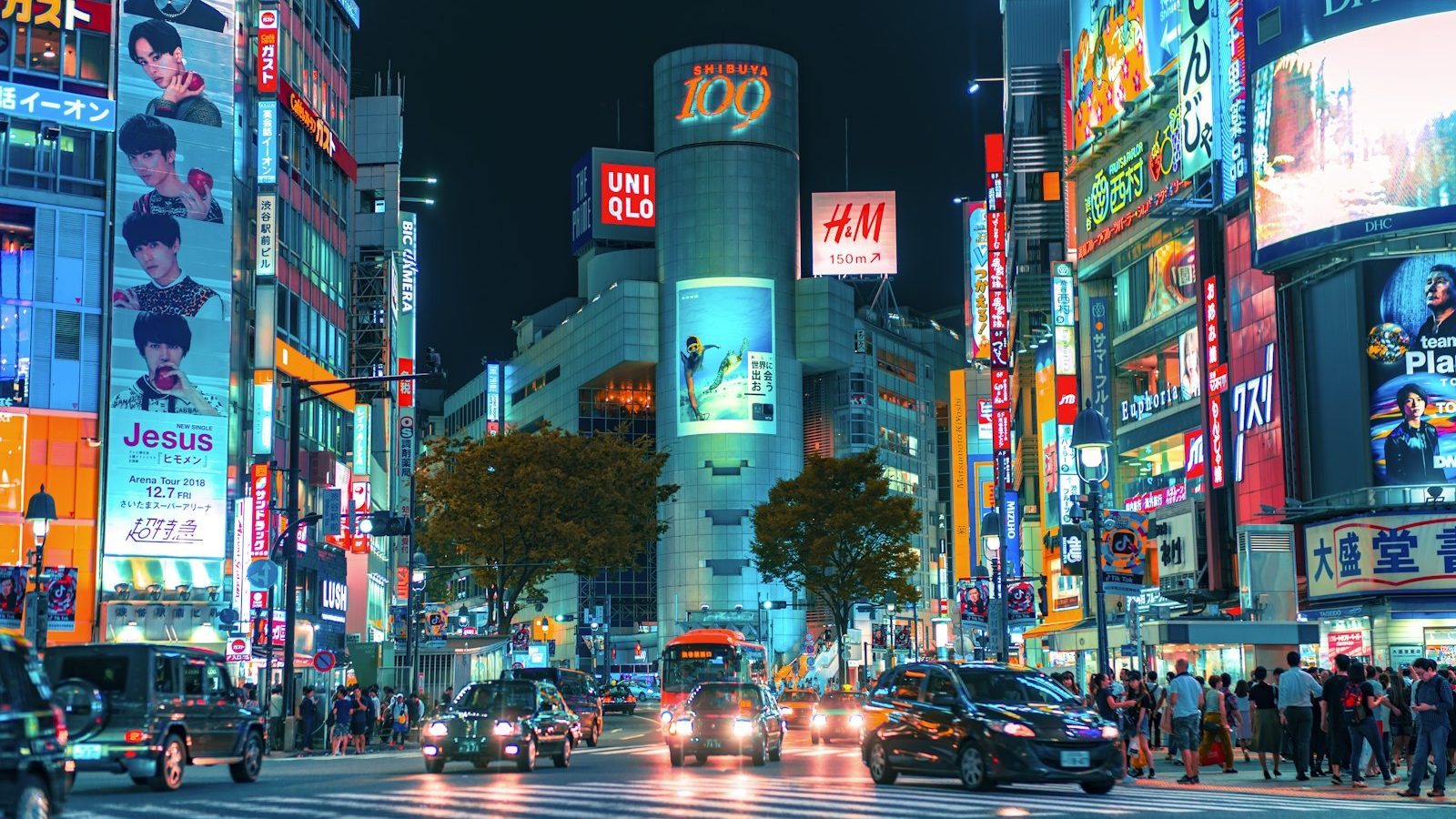
Tokyo is the biggest city in the world and one of the most exciting places you will ever visit. In a single day you can watch the sunrise over an ancient temple in Asakusa, walk through a forest shrine in the middle of the city, cross the busiest intersection on the planet at Shibuya, eat the freshest sushi of your life for breakfast and end the night in a tiny bar in Shinjuku with room for six people. It is also remarkably safe, spotless and easy to navigate, with a train system that runs to the second.
This guide lists the 25 best things to do in Tokyo, grouped by neighbourhood so you can plan your days without wasting time on trains. For each one you will find how to get there, how long to allow, what it costs in late 2026 and tips for beating the crowds. We also cover the best free things to do, what is new in 2026, the most useful day trips, a three day itinerary, how much a trip costs and the most common mistakes first time visitors make.
Things to do in Tokyo at a glance
| Attraction | Area | Time needed | Cost from |
|---|---|---|---|
| Sensoji temple and Nakamise Street | Asakusa | 1.5 hours | Free |
| Meiji Jingu shrine | Harajuku | 1 hour | Free |
| Shibuya Crossing | Shibuya | 30 minutes | Free |
| Shibuya Sky | Shibuya | 1 hour | 2,700 yen online |
| Tokyo Skytree | Oshiage | 1.5 hours | About 2,100 yen |
| Tokyo Metropolitan Government Building | Shinjuku | 45 minutes | Free |
| teamLab Planets | Toyosu | 1.5 hours | From 3,800 yen |
| Tsukiji Outer Market | Tsukiji | 1.5 hours | Free entry |
| Shinjuku Gyoen | Shinjuku | 1.5 hours | 500 yen |
| Tokyo National Museum | Ueno | 2 hours | 1,000 yen |
| Edo Tokyo Museum | Ryogoku | 2 hours | Ticketed |
| Ghibli Museum | Mitaka | 2 hours | 1,000 yen, booked ahead |
How to get around Tokyo
Tokyo’s trains and subways are the best way to get around. Buy a Suica or PASMO card, or add one to your phone’s wallet, and tap in and out at the gates. If you plan to use the subway a lot, the Tokyo Subway Ticket for visitors covers unlimited rides on the Tokyo Metro and Toei lines for 24, 48 or 72 hours, from 800 yen. The JR Yamanote Line loops around the centre and links Shinjuku, Shibuya, Harajuku, Ueno, Akihabara and Tokyo Station.
Avoid the morning rush hour from about 7.30am to 9.30am if you can, and download a route app such as Google Maps or Japan Transit Planner. Most sights open at 9am or 10am, while temples and shrines open earlier.
Asakusa, Ueno and the east
1. Visit Sensoji and Nakamise Street
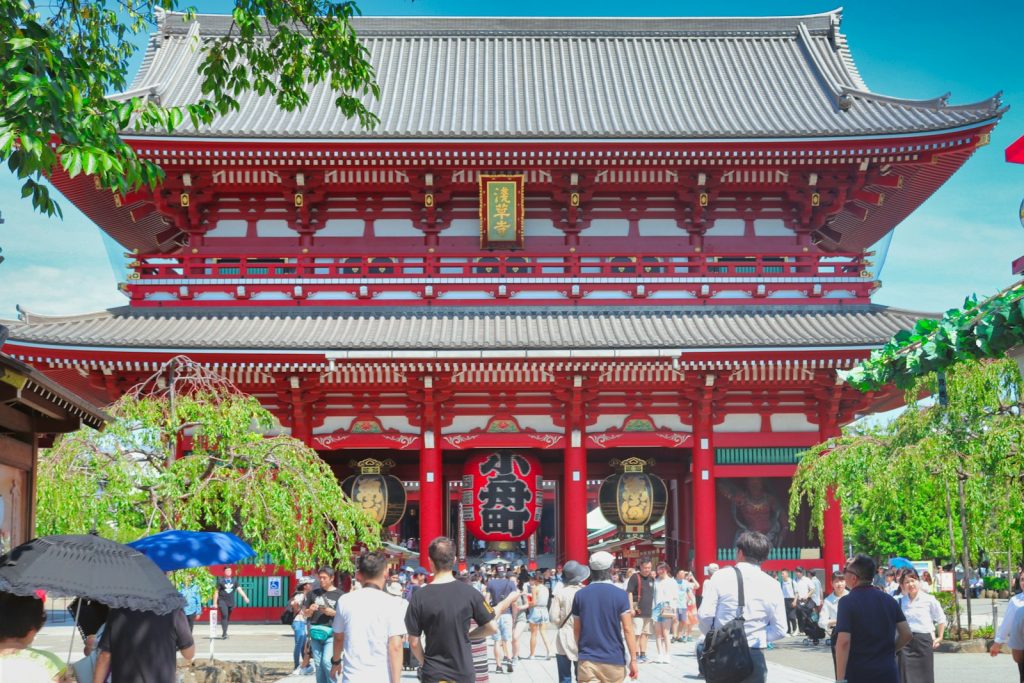
Sensoji in Asakusa is Tokyo’s oldest temple, founded in the seventh century, and the most atmospheric place to experience traditional Tokyo. Enter through the Kaminarimon gate, with its giant red lantern, and walk along Nakamise Street, lined with stalls selling snacks and souvenirs, to the main hall and five storey pagoda.
- **Getting there:** Asakusa station on the Ginza or Asakusa subway lines.
- **Time needed:** around 1.5 hours.
- **Cost:** free.
- **Tip:** come before 8am for photos without crowds, or after dark when the buildings are lit up and the stalls have closed.
2. Go up Tokyo Skytree
At 634 metres, Tokyo Skytree is the tallest tower in the world and the tallest structure in Japan. The Tembo Deck at 350 metres and the Tembo Galleria at 450 metres offer huge views over the city and, on clear days, Mount Fuji. Tickets for the Tembo Deck start at around 2,100 yen when booked in advance on a weekday, and a combined ticket for both decks costs around 3,100 yen to 3,800 yen. Clear winter mornings give the best views. The Solamachi shopping centre and Sumida Aquarium are at the base.
3. Explore Ueno Park and its museums
Ueno Park is one of Tokyo’s best known parks, famous for its cherry blossom in spring and home to several major museums. The Tokyo National Museum, Japan’s oldest and largest, holds a superb collection of samurai armour, swords, ceramics and Buddhist art. An adult ticket costs 1,000 yen. Nearby are the National Museum of Western Art, the National Museum of Nature and Science and Ueno Zoo. Ameya Yokocho, a lively market street beside the station, is good for snacks and cheap shopping.
4. Visit the Edo Tokyo Museum
The Edo Tokyo Museum in Ryogoku reopened on 31 March 2026 after a four year renovation. It tells the story of Tokyo from the days of the shoguns to the present, with full size replicas of a wooden bridge, a kabuki theatre and Edo period houses, and new interactive displays in 13 languages. It is one of the best places to understand how the city grew. Book a timed ticket online in advance.
5. Watch sumo in Ryogoku
Ryogoku is the home of sumo. Three of the six grand tournaments each year take place at the Ryogoku Kokugikan arena, in January, May and September. Tickets sell out quickly, so book as soon as they go on sale. Outside tournament months, you can join a tour to watch morning practice at a sumo stable, and eat chanko nabe, the hearty hot pot that wrestlers eat to bulk up.
6. Wander old Tokyo in Yanaka
Yanaka is one of the few areas of Tokyo that survived both the 1923 earthquake and wartime bombing, so it still has narrow lanes, wooden houses, small temples and a peaceful old cemetery. Walk along Yanaka Ginza, a traditional shopping street, and stop for snacks and coffee. It is an easy walk from Ueno or Nippori station.
Shinjuku
7. See the free view from the Tokyo Metropolitan Government Building
The twin towers of the Tokyo Metropolitan Government Building in Shinjuku have free observation decks on the 45th floor, with views across the city and, on clear days, Mount Fuji. In the evening, a free projection mapping show lights up the side of the building. It is one of the best value things to do in Tokyo.
8. Relax in Shinjuku Gyoen
Shinjuku Gyoen is one of Tokyo’s most beautiful gardens, combining Japanese, English and French landscape styles, with a greenhouse and a traditional tea house. It is one of the best places in the city for cherry blossom in spring and autumn colour in late November. Entry costs 500 yen, and alcohol is not allowed.
9. Drink in Golden Gai and Omoide Yokocho
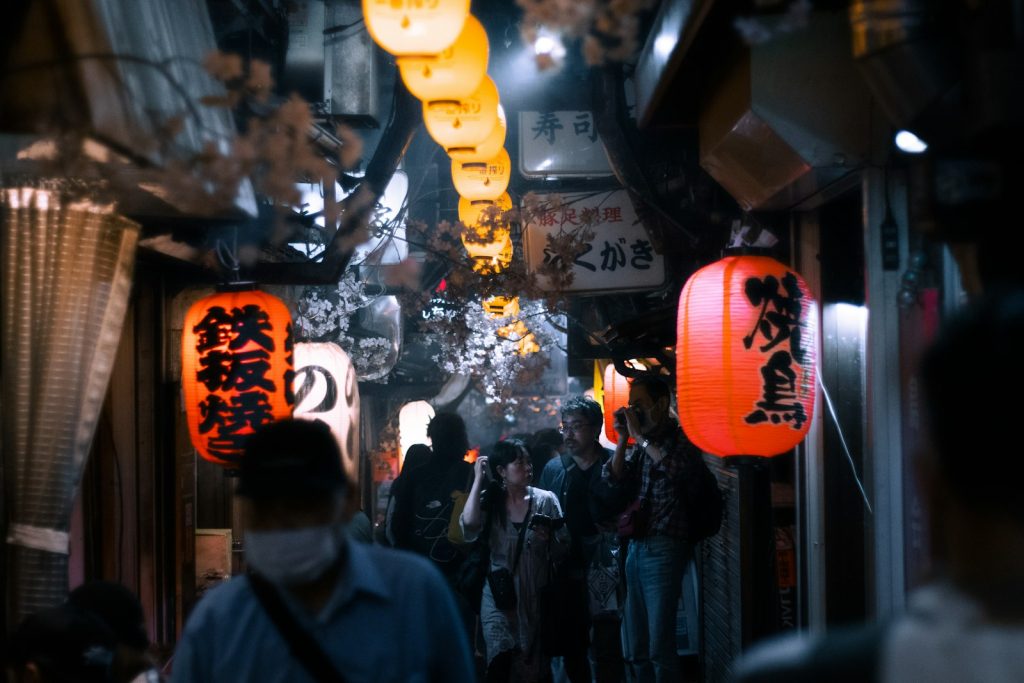
Shinjuku comes alive at night. Omoide Yokocho, beside the station, is a narrow alley packed with tiny restaurants grilling yakitori over charcoal. Golden Gai is a maze of six small lanes with around 200 bars, many with room for only a handful of guests. Some charge a cover fee, so check the sign on the door, and remember that photography is not welcome in many bars. Kabukicho, Tokyo’s main entertainment district, is next door.
Shibuya and Harajuku
10. Cross Shibuya Crossing
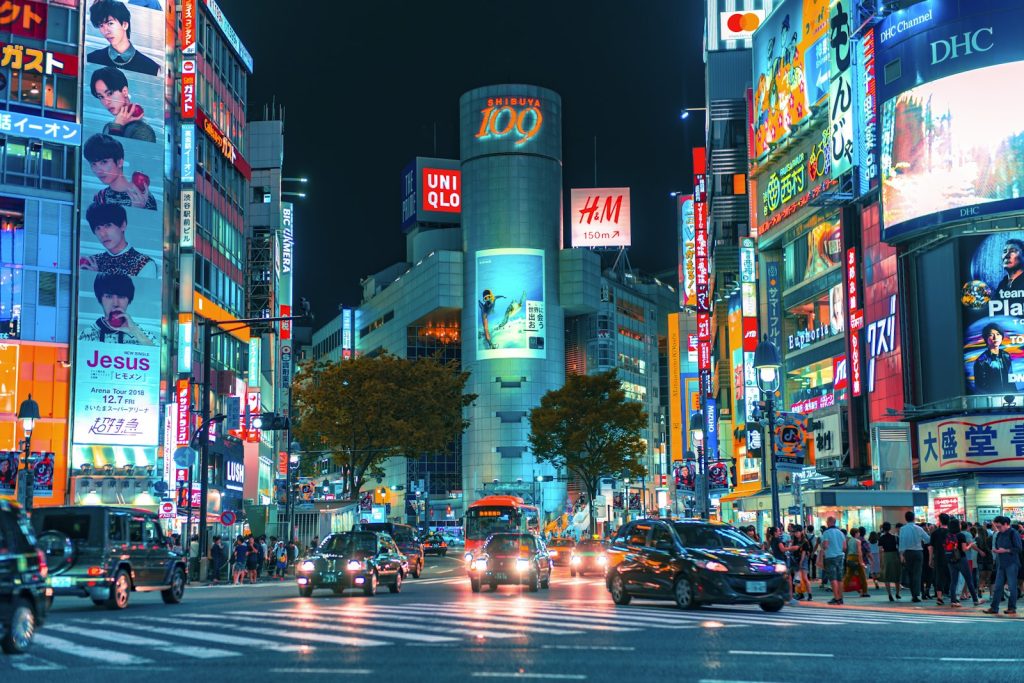
Shibuya Crossing, outside Shibuya station, is said to be the busiest pedestrian crossing in the world, with thousands of people crossing from every direction each time the lights change. Walk across it, then watch from above. Say hello to the statue of Hachiko, the loyal dog, by the station exit.
11. Go up Shibuya Sky
Shibuya Sky is a rooftop observation deck 229 metres above Shibuya Crossing, with an open air terrace and glass corners that seem to float over the city. Tickets cost 2,700 yen online before 3pm and 3,400 yen after, and the sunset slots sell out weeks ahead. If you miss out, try an early morning visit or come after dark, when there is a light show.
12. Visit Meiji Jingu
Meiji Jingu is Tokyo’s most important Shinto shrine, dedicated to Emperor Meiji and Empress Shoken. It sits in a forest of 100,000 trees in the heart of the city, reached through giant wooden torii gates. It is free, and you may see a traditional wedding procession at weekends. Allow an hour, and combine it with neighbouring Yoyogi Park.
13. Explore Harajuku and Omotesando
Harajuku is the centre of Tokyo’s youth fashion, with Takeshita Street full of quirky shops, crepe stands and colourful sweets. Just a few minutes away, the tree lined Omotesando avenue is home to flagship designer stores and striking modern architecture. Cat Street, which links Harajuku and Shibuya, is lined with independent boutiques.
14. Spend an afternoon in Shimokitazawa or Nakameguro
For a more local side of Tokyo, head to Shimokitazawa for vintage clothes shops, record stores, live music venues and cafes, or Nakameguro, known for its canal lined with cherry trees, boutiques and coffee shops.
Central Tokyo and the bay
15. Eat your way around Tsukiji Outer Market
Tokyo’s famous tuna auction moved to Toyosu in 2018, but the Tsukiji Outer Market remains one of the best places in the city to eat. Its narrow streets are packed with stalls selling sushi, grilled seafood, tamagoyaki omelette, strawberries and kitchen knives. Go in the morning, as many stalls close by early afternoon, and avoid Sundays, Wednesdays and public holidays, when many shops are closed. If you want to see the tuna auction, you can watch from the observation galleries at Toyosu Market in the early morning.
16. Experience teamLab Planets or teamLab Borderless
The teamLab digital art museums are among Tokyo’s most popular attractions. At teamLab Planets in Toyosu, you walk barefoot through water, mirrors and flowers in a series of immersive rooms. teamLab Borderless, at Azabudai Hills, has interconnected digital artworks that move between rooms. Tickets for Planets start at around 3,800 yen for adults and vary by date. Book a timed slot in advance and allow about 90 minutes.
17. See the Imperial Palace and East Gardens
The Imperial Palace, home of Japan’s emperor, stands on the site of the old Edo Castle in the centre of Tokyo. The inner grounds are only open on a few days a year, but the East Gardens are free to visit most days and include the old castle walls, moats and the base of the former keep. Take photos of the Nijubashi bridge from the plaza outside. The walk around the palace moat is a popular running route.
18. Go up Tokyo Tower
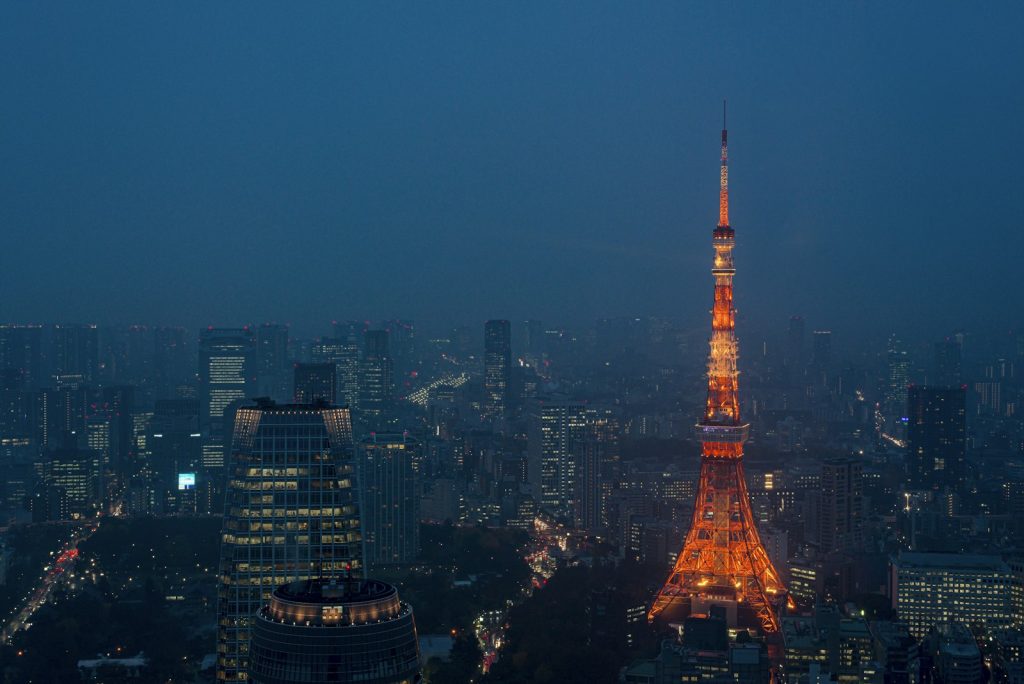
Tokyo Tower, the red and white landmark inspired by the Eiffel Tower, is one of the city’s most loved symbols. Its observation decks are lower than Skytree’s but closer to the centre, with views over Shiba Park and Zojoji temple. For the best photos of the tower itself, head to the observation deck at Roppongi Hills.
19. Explore Ginza
Ginza is Tokyo’s upmarket shopping district, with department stores, flagship stores and art galleries. On weekend afternoons, the main street, Chuo Dori, is closed to traffic and becomes a pedestrian zone. Visit the basement food halls of the department stores, known as depachika, for beautifully packaged food and sweets.
20. Visit Odaiba
Odaiba, on reclaimed land in Tokyo Bay, has a giant Gundam statue, shopping malls, a beach with views of the Rainbow Bridge and teamLab Planets nearby in Toyosu. Take the driverless Yurikamome line across the bay for great views.
Pop culture and family days out
21. Shop for anime and games in Akihabara
Akihabara is the centre of Tokyo’s anime, manga and gaming culture, with multi floor shops selling figures, retro games, electronics and trading cards. Visit a capsule toy shop, play in one of the many arcades, or try a themed cafe.
22. Book the Ghibli Museum
The Ghibli Museum in Mitaka, designed by Hayao Miyazaki, is a magical place for fans of Studio Ghibli films. There are original sketches, a short film you can only see here and a rooftop garden. Tickets cost 1,000 yen for adults and must be bought in advance for a fixed date and time, as they are not sold at the door. They go on sale on the 10th of each month for the following month and sell out quickly.
23. Spend a day at Tokyo Disneyland or DisneySea
Tokyo Disney Resort, just outside the city in Chiba, has two parks: Tokyo Disneyland, and Tokyo DisneySea, which many fans consider the best Disney park in the world. DisneySea’s Fantasy Springs area opened in 2024. Ticket prices vary by date, starting at around 7,900 yen. Buy online in advance and arrive before opening.
24. Visit PokéPark Kanto or the Harry Potter studio tour
PokéPark Kanto, the first permanent Pokémon theme park, opened at Yomiuriland in western Tokyo in February 2026. Harry Potter fans can visit the Warner Bros Studio Tour Tokyo, with sets, costumes and props from the films. Both need advance booking.
Day trips from Tokyo
25. Take a day trip to Nikko, Kamakura, Hakone or Mount Fuji
Tokyo is an excellent base for day trips. These are the most popular:
- **Nikko:** around two hours north, with ornate shrines and temples set in forested mountains, including the Toshogu shrine.
- **Kamakura:** an hour south, with the giant bronze Buddha, Zen temples and beaches.
- **Hakone:** around 90 minutes away, with hot springs, a lake cruise, the open air museum and views of Mount Fuji.
- **Mount Fuji and the Fuji Five Lakes:** around two hours by bus, with the classic view from the Chureito Pagoda and Lake Kawaguchi.
Free things to do in Tokyo
What is new in Tokyo in 2026
- **Edo Tokyo Museum:** reopened on 31 March 2026 after a four year renovation.
- **PokéPark Kanto:** the first permanent Pokémon theme park, opened at Yomiuriland on 5 February 2026.
- **MoN Takanawa, The Museum of Narratives:** a new cultural museum at Takanawa Gateway City, opened in March 2026.
- **Tokyo Dream Park:** a large new entertainment complex in Ariake with concert halls and theatres, opened in March 2026.
How much does a trip to Tokyo cost?
Tokyo is better value than many British visitors expect, especially for food and transport. These are rough costs per person per day, excluding flights, for two people sharing a room.
| Cost | Budget | Mid range | Luxury |
|---|---|---|---|
| Hotel per night, per person | £30 to £50 | £60 to £120 | £250 or more |
| Food and drink | £20 to £30 | £40 to £70 | £120 or more |
| Transport | £5 to £8 | £8 to £15 | £30 or more |
| Sights and activities | £5 to £15 | £20 to £45 | £80 or more |
| Daily total | £60 to £105 | £130 to £250 | £480 or more |
Return flights from London to Tokyo take around 14 hours direct and usually cost £600 to £1,000 in economy. Remember that Japan’s departure tax rose to 3,000 yen per person from 1 July 2026, usually included in your flight price. A bowl of ramen costs around 1,000 yen to 1,500 yen, and convenience store meals cost even less.
A three day itinerary
- **Day 1, traditional Tokyo:** early morning at Sensoji, then Tokyo Skytree, lunch in Asakusa, an afternoon at Ueno Park and the Tokyo National Museum, and dinner in Ameya Yokocho.
- **Day 2, modern Tokyo:** morning at Meiji Jingu and Harajuku, lunch in Omotesando, Shibuya Crossing and Shibuya Sky at sunset, then dinner and drinks in Shinjuku’s Omoide Yokocho and Golden Gai.
- **Day 3, food and art:** breakfast at Tsukiji Outer Market, the Imperial Palace East Gardens, Ginza in the afternoon, then teamLab Planets or Borderless in the evening.
With more time, add a day trip to Nikko, Kamakura, Hakone or Mount Fuji.
Where to stay in Tokyo
- **Shinjuku:** best for first timers, with great transport links, restaurants and nightlife.
- **Shibuya:** lively, central and close to Harajuku.
- **Ginza and Tokyo Station:** best for comfort, shopping and bullet train connections.
- **Asakusa and Ueno:** best for traditional atmosphere and good value hotels.
- **Roppongi:** best for nightlife and art museums.
Practical tips for visiting Tokyo
- **Entry:** British passport holders can visit Japan visa free for up to 90 days. Fill in your details on Visit Japan Web before you fly to speed up immigration and customs.
- **Cash:** card payments are now widely accepted, but carry some cash for small restaurants, temples and markets. Convenience store cash machines accept foreign cards.
- **Etiquette:** do not eat while walking in busy streets, keep your voice low and avoid phone calls on trains, queue in line on platforms and take your shoes off where you see a step up or slippers.
- **Tipping:** not expected, and it can cause confusion.
- **Bins:** public bins are rare, so carry a small bag for your rubbish.
- **Luggage:** use a luggage forwarding service, called takkyubin, to send large cases between hotels, as trains are crowded.
Frequently asked questions
What is absolutely not to miss in Tokyo?
Do not miss Sensoji in Asakusa, Meiji Jingu, Shibuya Crossing and the view from Shibuya Sky, an evening in Shinjuku’s Omoide Yokocho and Golden Gai, breakfast at Tsukiji Outer Market and a teamLab digital art museum. If you have time, add a day trip to Mount Fuji, Hakone or Nikko.
What to do with 3 days in Tokyo?
With three days, spend one day on traditional Tokyo in Asakusa and Ueno, one day on modern Tokyo in Harajuku, Shibuya and Shinjuku, and one day on food and art at Tsukiji, the Imperial Palace, Ginza and teamLab. Our three day itinerary above has a suggested route.
What is Tokyo special for?
Tokyo is special for the way it combines ancient temples and shrines with futuristic skyscrapers and technology. It has more Michelin starred restaurants than any other city, one of the best public transport systems in the world, very low crime, distinctive neighbourhoods and a pop culture scene of anime, games and fashion found nowhere else.
What are some fun things to do in Tokyo with friends?
Fun things to do with friends include bar hopping in Golden Gai, singing at a karaoke box, playing games at an Akihabara arcade, visiting teamLab, watching sumo, taking a go kart tour, eating at an izakaya, exploring Shimokitazawa and spending a day at Tokyo DisneySea.
Is $2,000 enough for one week in Japan?
Yes, $2,000, or around £1,500, is usually enough for one week in Japan excluding flights, if you stay in mid range business hotels, eat at casual restaurants and use public transport. It is tight if you plan lots of bullet train trips, luxury hotels or a stay in a traditional ryokan.
What are the biggest mistakes people make when travelling to Japan?
Common mistakes include trying to see too much and spending the trip on trains, not booking popular tickets such as Shibuya Sky, the Ghibli Museum and teamLab in advance, buying a Japan Rail Pass without checking it is worth it, carrying no cash, travelling with huge suitcases, tipping, eating while walking in busy streets, talking loudly on trains and not filling in Visit Japan Web before arrival.
How many days do you need in Tokyo?
Four to five days is ideal for a first visit to Tokyo, with time for the main neighbourhoods and one day trip. With three days you can see the highlights.
When is the best time to visit Tokyo?
Late March to early April for cherry blossom and mid November to early December for autumn colour are the most beautiful times, with mild weather. Winter is dry and sunny with clear views of Mount Fuji, while summer is hot and humid. See our guide to the best time to visit Japan for a month by month breakdown.
Plan the rest of your trip
Read our guide to the best time to visit Japan to choose your dates, and browse our Japan travel guides and Asia travel guides. If you are flying via a hub, our guides to the best things to do in Singapore and the best things to do in Dubai can help you plan a stopover. If you spot something out of date, please let us know.