
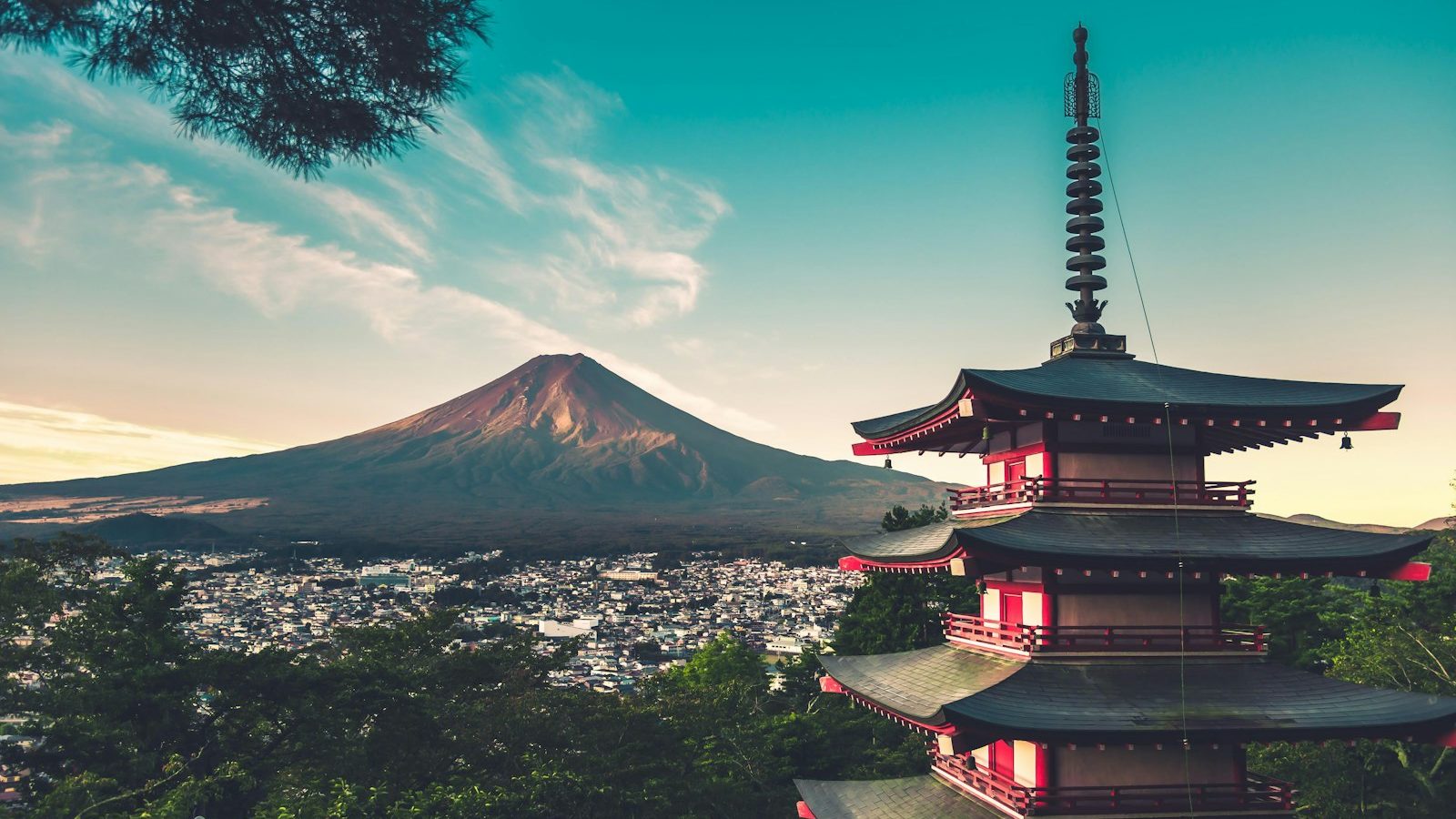
!DISCLOSURE
The best time to visit Japan for most people is spring, from late March to May, or autumn, from October to late November. These are the seasons of cherry blossom and autumn colour, with mild temperatures, clear skies and comfortable days for walking around Tokyo, Kyoto and the countryside. They are also the busiest and most expensive times to go, so the right month for you depends on what you want to see, how much you want to spend and how you feel about crowds.
This guide explains Japan’s four seasons, then goes month by month so you can match your dates to your plans. You will find region by region advice for Hokkaido, Tokyo, Kyoto, Osaka and Okinawa, a cherry blossom and autumn leaves calendar, the main festivals and holidays to plan around, the cheapest months to fly from the UK, a realistic two week budget and the rule changes for 2026, including the higher departure tax and the new Mount Fuji climbing fee. Seasonal dates move a little each year, so always check the official blossom and leaf forecasts close to your trip.
The best time to visit Japan at a glance
| What you want | Best months | Why |
|---|---|---|
| Cherry blossom | Late March to mid April | Peak bloom in Tokyo, Kyoto and Osaka |
| Autumn colour | Mid November to early December | Red maples in Kyoto, Tokyo and Nara |
| Comfortable sightseeing | April, May, October, November | Mild, mostly dry and sunny |
| Fewer crowds and lower prices | January to early March, June | Low season outside holidays |
| Snow and skiing | December to March | Powder snow in Hokkaido and the Japanese Alps |
| Beaches in Okinawa | April to June, October | Warm sea, outside peak typhoon season |
| Climbing Mount Fuji | July to early September | The only official climbing season |
| Festivals | July and August | Gion Matsuri, Obon dances, summer fireworks |
Japan’s four seasons explained
Japan stretches about 3,000 kilometres from the snowy north of Hokkaido to the subtropical islands of Okinawa, so the weather varies a lot from one end of the country to the other. Most first time visitors spend their time in the middle, on the main island of Honshu, where Tokyo, Kyoto, Osaka and Hiroshima sit. For that area, the year breaks down into four clear seasons, plus a rainy season at the start of summer.
- **Spring, March to May:** mild and pleasant, with daytime highs of around 12°C in early March rising to the low 20s by May. Cherry blossom season is the highlight, and it brings Japan’s biggest crowds outside the New Year. Golden Week at the end of April and start of May is very busy.
- **Rainy season, early June to mid July:** known as tsuyu, this brings grey skies, humidity and frequent rain to most of the country except Hokkaido. It rarely rains all day, and gardens and temple moss look their best.
- **Summer, mid July to August:** hot and very humid, with highs often above 33°C in Tokyo, Kyoto and Osaka and nights that barely cool down. This is festival and fireworks season, and the time to climb Mount Fuji or head to the cooler mountains and Hokkaido.
- **Autumn, September to November:** September is still warm and is the peak month for typhoons. October and November are some of the most comfortable months of the year, with clear skies, low humidity and, from late October, spectacular autumn colour.
- **Winter, December to February:** cold, dry and often sunny on the Pacific side, including Tokyo, with highs of around 10°C. The Sea of Japan side and Hokkaido get heavy snow, which makes Japan one of the best ski destinations in the world.
Japan month by month
January
January is cold, dry and one of the quietest months of the year once the New Year holiday ends. Tokyo usually has clear blue skies and highs of around 10°C, which makes it a great month to see Mount Fuji from the city and from Hakone or Lake Kawaguchi. Many shops, museums and some restaurants close from around 29 December to 3 January, and trains are packed as people travel home, so arrive after the first week if you want a cheaper, calmer trip. It is a superb month for skiing in Niseko, Hakuba and Nozawa Onsen, and for seeing the snow monkeys at Jigokudani.
February
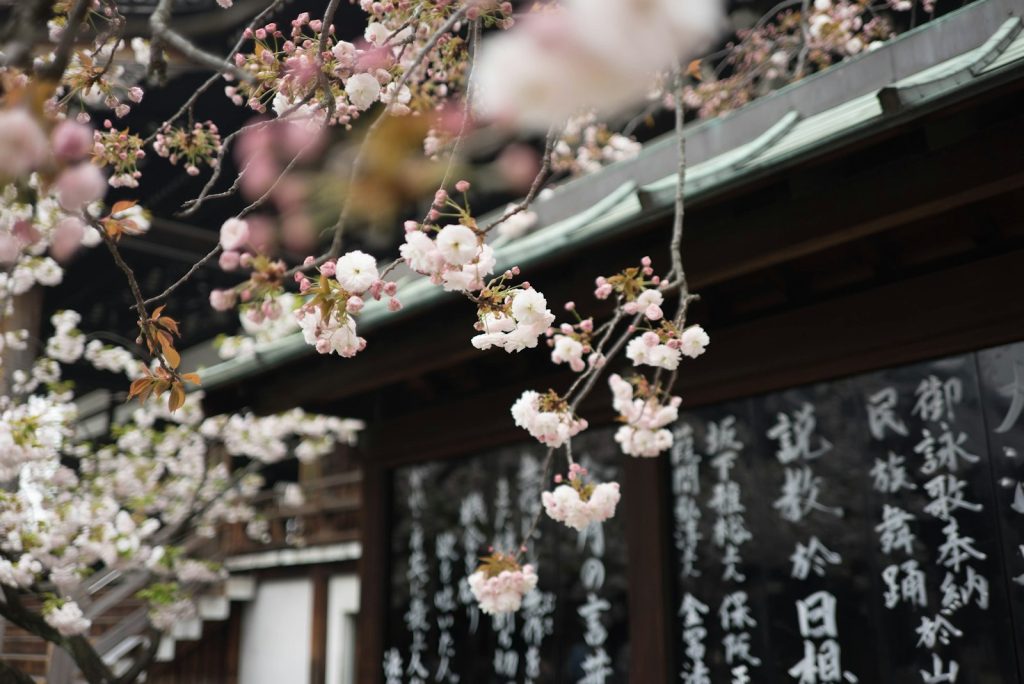
February is the coldest month in much of Japan and another good choice for lower prices, except in Sapporo, where hotels fill up for the Sapporo Snow Festival in early February. Plum blossom starts to appear in Tokyo and Kyoto during the month, giving you an early taste of spring with far fewer people than cherry blossom season. Winter illuminations and light displays carry on in many cities. In Okinawa, the first cherry blossom of the year appears from late January into February.
March
March is when Japan starts to warm up. The first half is still cool, with highs around 13°C to 15°C, and prices are moderate. In the second half, the cherry blossom arrives in Tokyo, Kyoto and Osaka, usually opening from around 20 to 25 March, and hotel prices rise sharply. Japanese school holidays and the end of the financial year also make the last week busy. If you are planning a cherry blossom trip, book flights and hotels as early as possible, ideally six months ahead.
April
Early April is the classic cherry blossom time in central Japan, and for many people it is the best month of the whole year to visit. Highs reach around 18°C to 20°C, the parks are full of hanami picnics and the castles and temples look their most beautiful. Blossom moves north during the month, reaching Tohoku in mid to late April. The month ends with the start of Golden Week, from 29 April, when domestic travel peaks.
May
May is warm, green and mostly dry, with highs in the low to mid 20s. Avoid the Golden Week holiday, which runs from 29 April to 5 May, if you can: trains, hotels and big sights are packed and prices rise. After 6 May, Japan becomes one of the most pleasant and good value places to visit in Asia. Hokkaido has its cherry blossom in late April and early May, and Okinawa starts its rainy season from around early May.
June
June brings the rainy season to Honshu, Kyushu and Shikoku, usually from early June until mid or late July. It does not mean constant rain: many days are overcast with showers rather than downpours. Prices are lower, crowds are thinner and hydrangeas bloom in Kamakura, Kyoto and Hakone. It is a great month for Hokkaido, which escapes the rainy season and has lavender starting to bloom in Furano by late June.
July
The rainy season usually ends in mid to late July, and summer arrives with heat and humidity. Kyoto hosts the Gion Matsuri all month, with the big float parades on 17 and 24 July, and Osaka holds the Tenjin Matsuri on 24 and 25 July. The Mount Fuji climbing season opens in early July. School holidays start around 20 July, so domestic travel picks up again.
August
August is the hottest and most humid month in Tokyo, Kyoto and Osaka, with highs often above 33°C and heat warnings common. Obon, the festival when families honour their ancestors, falls around 13 to 16 August and is one of the busiest travel weeks of the year. It is also the peak of festival season, with Nebuta in Aomori, Awa Odori in Tokushima and fireworks displays across the country. Typhoons become more likely towards the end of the month.
September
September is still warm and humid at first, cooling towards the end of the month. It is the peak of typhoon season, especially for Okinawa, Kyushu and the Pacific coast, so stay flexible and keep an eye on forecasts. Two public holidays in the second half of September create long weekends, which can make some places busy. Prices are often lower than in October, and the Mount Fuji season ends on 10 September.
October
October is one of the best months to visit Japan. The heat and humidity have gone, typhoons become less frequent and the skies are often clear. Autumn colour starts in Hokkaido and the mountains of Tohoku and the Japanese Alps, then reaches Nikko and Hakone by late October. Highs in Tokyo are around 22°C, which is perfect for walking all day. It is a popular month, so book ahead.
November
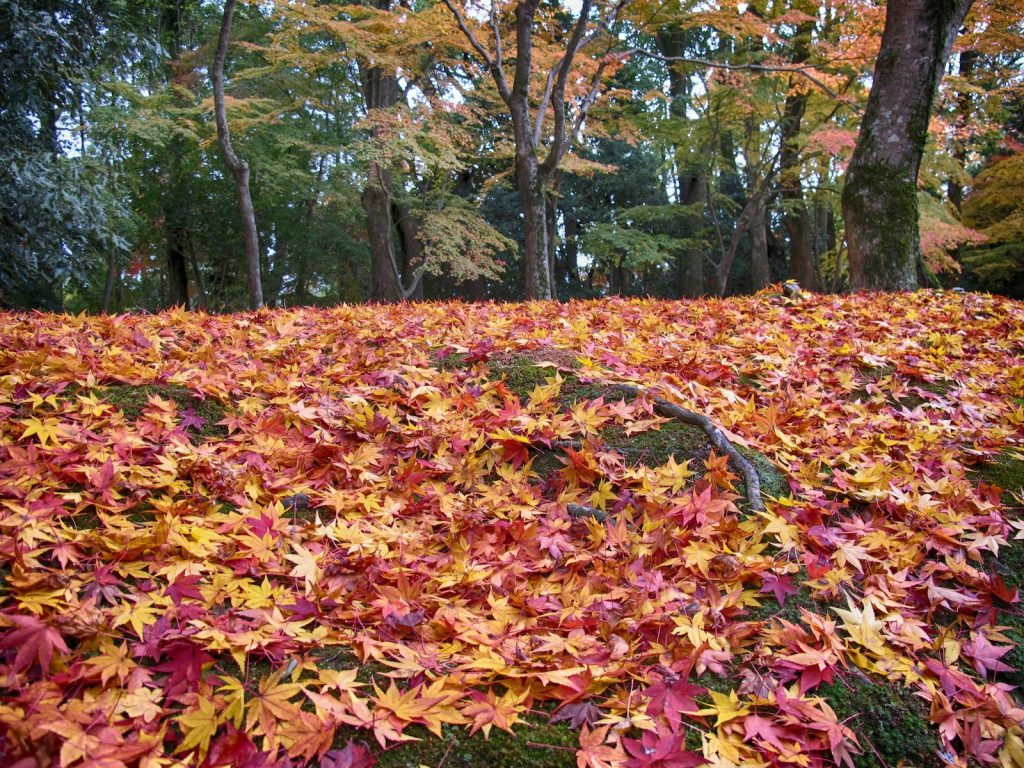
November is peak autumn colour season in Tokyo, Kyoto, Nara and Osaka, usually from mid November to early December, and it rivals April as the most beautiful time to visit. Kyoto is extremely busy on November weekends, and hotels can sell out months in advance. Days are mild and dry, with highs of around 15°C to 17°C, and Mount Fuji is often clearly visible. The first half of the month offers better value than the second.
December
December starts with the last of the autumn leaves in Kyoto and Tokyo, then turns into winter. Christmas illuminations light up Tokyo, Osaka and Kobe, and the ski season begins in Hokkaido and Nagano. Prices are moderate until the week before New Year, when domestic travel and hotel rates peak. If you plan to be in Japan over New Year, book early and expect some closures from 29 December.
Cherry blossom and autumn leaves calendar
Cherry blossom and autumn colour are the two biggest reasons people time a trip to Japan. Both move across the country in waves, with blossom heading north in spring and colour heading south in autumn. The dates below are typical averages. The Japan Meteorological Corporation and other forecasters publish detailed predictions from January for blossom and September for leaves.
| Place | Cherry blossom usually peaks | Autumn colour usually peaks |
|---|---|---|
| Okinawa | Late January to mid February | Very little autumn colour |
| Fukuoka and Kyushu | Late March to early April | Mid to late November |
| Hiroshima | Late March to early April | Mid to late November |
| Osaka and Nara | Late March to early April | Mid November to early December |
| Kyoto | Late March to early April | Mid November to early December |
| Tokyo | Late March to early April | Late November to early December |
| Hakone and Mount Fuji area | Early to mid April | Late October to mid November |
| Kanazawa and Takayama | Early to mid April | Late October to mid November |
| Nikko | Mid to late April | Mid October to early November |
| Sendai and Tohoku | Mid to late April | Late October to mid November |
| Sapporo and Hokkaido | Late April to early May | Mid to late October |
Cherry trees usually stay in full bloom for about a week, and wind or rain can bring blossom down quickly. To give yourself the best chance, plan at least ten days in Japan and build a route that moves north with the blossom, starting in Kyoto or Osaka and finishing in Tokyo, Nikko or the north. Autumn colour lasts longer, often two to three weeks in one place, so it is easier to plan around.
Best time to visit Japan by region
Tokyo
The best time to visit Tokyo is late March to May and October to early December. Spring brings cherry blossom to Ueno Park, Shinjuku Gyoen and the Meguro River, while late autumn turns the ginkgo trees along Icho Namiki Avenue bright yellow. Winter is a good value alternative, with dry, sunny days and the clearest views of Mount Fuji from the city’s observation decks. Summer in Tokyo is hot and humid, but it is also the season for fireworks, including the Sumida River display on the last Saturday of July.
Kyoto and Nara
Kyoto is at its best in early April and from mid November to early December, when temple gardens fill with blossom or red maples. These are also its most crowded weeks, so start sightseeing at opening time and visit the most famous places, such as Fushimi Inari, Kiyomizudera and Arashiyama, before 8am. For a calmer visit with lower prices, choose January, February, early March or June. Kyoto raised its accommodation tax in March 2026, so expect a small extra charge per person per night, rising for expensive rooms.
Osaka and Hiroshima
Osaka and Hiroshima follow a similar pattern to Kyoto, with spring and autumn the most pleasant seasons. Osaka is a city for food and nightlife, so it works well all year, and it is a good base if you are travelling during the rainy season because so much of it is indoors. Hiroshima and nearby Miyajima are lovely in spring and November, when the maples around Momijidani Park turn red.
Hokkaido
Hokkaido has a completely different climate from the rest of Japan. Winter, from December to March, brings deep powder snow, world famous skiing in Niseko and the Sapporo Snow Festival in early February. Summer, from late June to August, is cool, dry and free of the rainy season, with lavender in Furano in July and excellent hiking. Autumn colour arrives early, in late September and October. Spring comes late, with cherry blossom in late April or early May.
Okinawa
Okinawa is subtropical, with warm weather all year and winter highs of around 20°C. The best months for beaches are April to early May and October, when the sea is warm and the weather settled. The rainy season here starts earlier, from early May to late June, and typhoons are most likely from July to September. Swimming season usually runs from April to October.
The Japanese Alps and Mount Fuji
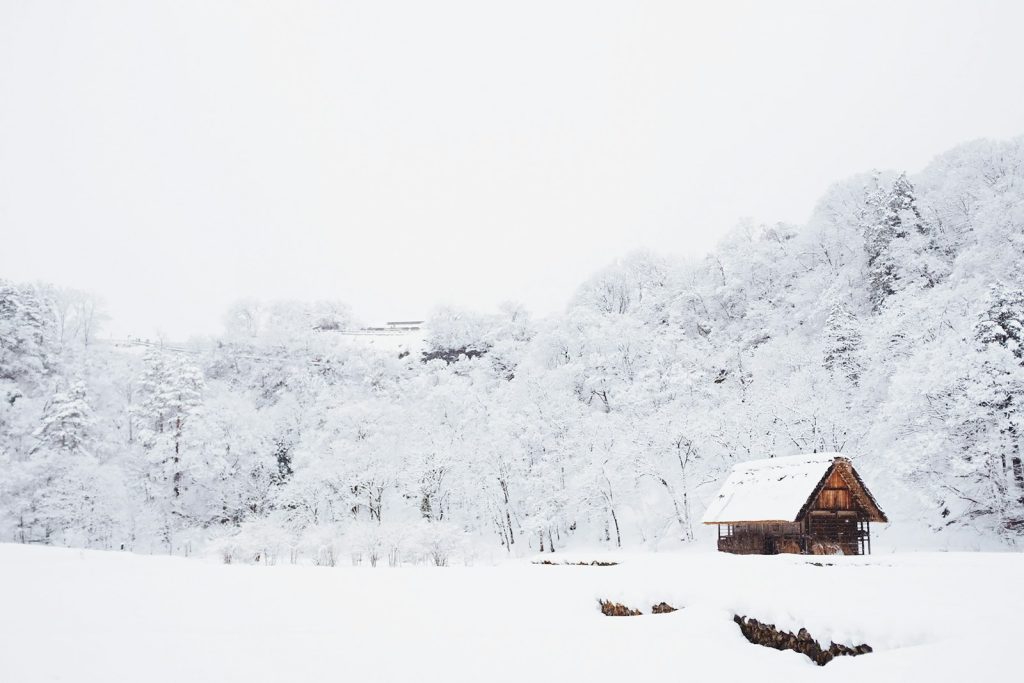
The mountain towns of Takayama, Shirakawago, Kamikochi and Hakuba are at their best in autumn and winter. Shirakawago, with its thatched farmhouses, looks magical under snow from January to February. Kamikochi, a beautiful valley for hiking, is only open from mid April to mid November. For views of Mount Fuji, visit from November to February, when the air is clearest and the peak is snow capped.
Festivals, holidays and busy periods to plan around
Japanese public holidays have a big effect on crowds and prices, because so many people travel at the same time. These are the main periods to know about.
- **New Year, around 29 December to 3 January:** the biggest holiday of the year. Many businesses close, trains are full and temples are packed for the first shrine visit of the year.
- **Cherry blossom season, late March to mid April:** the busiest time for overseas visitors and domestic trips, with the highest hotel rates in Kyoto and Tokyo.
- **Golden Week, 29 April to 5 May:** a run of public holidays when much of Japan goes on holiday. Avoid it if you can, or book everything well ahead.
- **Obon, around 13 to 16 August:** families travel home, and trains and roads are very busy.
- **Long weekends in September and October:** Respect for the Aged Day, Autumn Equinox Day and Sports Day can create busy three day weekends.
- **Autumn colour weekends in November:** Kyoto in particular is extremely busy on Saturdays and Sundays.
Festivals worth planning a trip around include the Sapporo Snow Festival in early February, the Takayama Festival in mid April and early October, Kyoto’s Aoi Matsuri on 15 May, the Gion Matsuri throughout July, the Tenjin Matsuri on 24 and 25 July, Aomori’s Nebuta Matsuri from 2 to 7 August and the Awa Odori dance festival in Tokushima from 12 to 15 August.
The cheapest time to visit Japan
The cheapest time to go to Japan is usually January after the New Year holiday, February outside Sapporo, and June. Flights from the UK are often lowest in these months, and hotels in Tokyo and Kyoto drop their prices outside the blossom and autumn peaks. Late May, after Golden Week, and early September can also be good value.
The most expensive times are late March and early April, Golden Week, Obon in mid August, November weekends in Kyoto and the week around New Year. If you have to travel then, book flights and hotels at least four to six months ahead.
To keep costs down in any month:
- Fly midweek and compare London Heathrow, Manchester and regional airports with one stop options through the Middle East or Europe.
- Stay in business hotels or modern capsule hotels, which are clean, safe and much cheaper than international chains.
- Eat at convenience stores, conveyor belt sushi restaurants and set lunch menus, which are excellent value in Japan.
- Compare the Japan Rail Pass with individual tickets before you buy, since price rises in 2023 mean the pass no longer pays off for every route.
- Look for city day passes for the metro in Tokyo, Osaka and Kyoto.
How much does two weeks in Japan cost?
Japan has become better value for British travellers in recent years because the yen has been weak against the pound. Your costs depend mostly on where you sleep and how much you travel by bullet train. The figures below are a rough guide per person for 14 days, excluding flights, and assume two people sharing a room.
| Cost | Budget | Mid range | Comfort |
|---|---|---|---|
| Accommodation, 13 nights | £400 to £650 | £900 to £1,500 | £2,000 or more |
| Food and drink | £250 to £350 | £450 to £650 | £800 or more |
| Local transport and trains | £250 to £350 | £350 to £500 | £500 or more |
| Sights and activities | £80 to £150 | £150 to £300 | £400 or more |
| Total, excluding flights | £1,000 to £1,500 | £1,850 to £2,950 | £3,700 or more |
Return flights from the UK to Tokyo usually cost around £600 to £1,000 in economy, rising to well over £1,200 at peak times. A single bullet train ticket from Tokyo to Kyoto costs around 14,000 yen, while a 14 day ordinary Japan Rail Pass costs 80,000 yen and a 7 day pass costs 50,000 yen. A night in a capsule hotel can cost around 4,000 to 7,000 yen, a business hotel room around 10,000 to 20,000 yen and a night in a traditional ryokan with dinner and breakfast often 30,000 yen or more per person.
A simple two week route for spring or autumn
If this is your first trip, a two week route through Tokyo, the Mount Fuji area, Kyoto, Nara, Osaka and Hiroshima works in any season.
- **Days 1 to 4, Tokyo:** Asakusa, Shibuya, Shinjuku, Harajuku and a day trip to Nikko or Kamakura.
- **Days 5 and 6, Hakone or Lake Kawaguchi:** hot springs, a ryokan night and views of Mount Fuji.
- **Days 7 to 10, Kyoto:** temples, Gion, Arashiyama and a half day in Nara to see the deer and Todaiji.
- **Days 11 and 12, Osaka:** street food in Dotonbori, Osaka Castle and a day trip to Himeji Castle.
- **Days 13 and 14, Hiroshima and Miyajima:** the Peace Memorial Park and the floating torii gate, then back to Osaka or Tokyo for your flight.
In winter, swap Hakone for a few days skiing in Hokkaido or Nagano. In summer, add a cooler stop such as Takayama, Kanazawa or Hokkaido.
Rules and costs that changed in 2026
A few changes this year are worth knowing before you book.
**Higher departure tax.** Japan’s International Tourist Tax rose from 1,000 yen to 3,000 yen per person for departures from 1 July 2026. It is usually included in the price of your flight, so you do not pay it at the airport. Tickets issued before July 2026 keep the old rate, and children under two and transit passengers who leave within 24 hours are exempt.
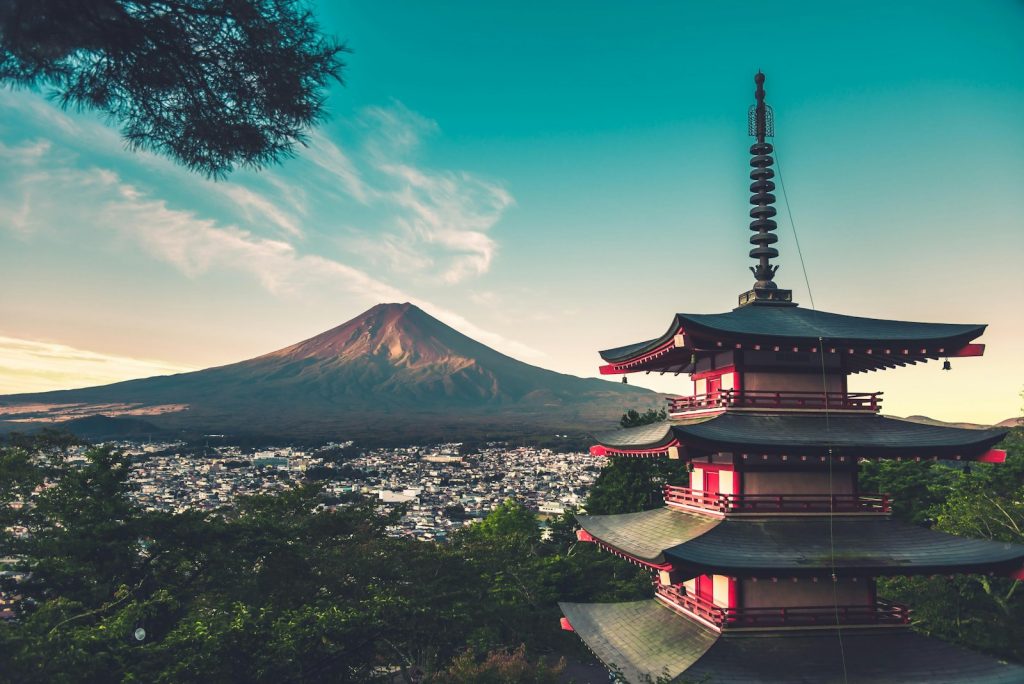
**Mount Fuji climbing fee.** In 2026 all four main climbing trails on Mount Fuji charge a fee of 4,000 yen per person, and climbers are encouraged to book in advance online. The Yoshida Trail opens from 1 July to 10 September, and the other trails on the Shizuoka side open in early to mid July. The trail gates close from 2pm to 3am to stop people rushing to the summit without staying in a mountain hut, and the Yoshida Trail has a daily limit of 4,000 climbers. Outside the official season, climbing is strongly discouraged and the mountain huts are closed.
**Kyoto accommodation tax.** Kyoto increased its accommodation tax in March 2026, with a higher top rate for expensive rooms. It is collected by your hotel, usually at check in or check out.
**Entry for British visitors.** British passport holders can visit Japan visa free for up to 90 days as tourists. You can fill in your immigration and customs details online through Visit Japan Web before you travel, which gives you QR codes to scan on arrival and speeds up the process. Always check the latest rules on GOV.UK before you go.
When to avoid a trip to Japan
There is no truly bad time to visit Japan, but some periods can be frustrating if you are not prepared.
- **Golden Week, 29 April to 5 May:** high prices, sold out trains and crowded sights.
- **The New Year holiday:** closures from around 29 December to 3 January, and full trains either side.
- **Obon in mid August:** busy transport combined with the hottest weather of the year.
- **Late July and August, if you struggle with heat:** temperatures above 33°C with high humidity make long days of sightseeing tiring.
- **September in Okinawa and southern Japan:** typhoons can cancel flights and ferries.
- **Peak blossom and November weekends in Kyoto, if you dislike crowds:** go midweek or choose a less famous city such as Kanazawa or Matsumoto.
What to pack for each season
- **Spring and autumn:** layers, a light jacket and comfortable walking shoes, since you will walk many kilometres a day. Evenings can be cool.
- **Rainy season:** a compact umbrella, a light rain jacket and quick drying clothes. You can buy cheap umbrellas in every convenience store.
- **Summer:** light, breathable clothing, a hat, sun cream, a refillable water bottle and a small towel. Shrines and temples welcome modest dress.
- **Winter:** a warm coat, hat, gloves and thermal layers, especially for Hokkaido and the mountains. Buildings and trains are well heated, so layers work best.
- **All year:** shoes that slip on and off easily for temples, ryokan and some restaurants, and socks without holes.
Our picks: the best month for every type of trip
- **First trip with classic sights:** early April or mid November.
- **Best weather overall:** May after Golden Week, or late October.
- **Best value:** late January to February, or June.
- **Skiing and snow:** late January to February in Hokkaido or Nagano.
- **Festivals and summer culture:** July, especially in Kyoto.
- **Beach holiday in Okinawa:** April, early May or October.
- **Climbing Mount Fuji:** late July to late August, midweek.
- **Clearest views of Mount Fuji:** December to February.
Frequently asked questions
What are the best and worst months to visit Japan?
The best months to visit Japan are April and November for cherry blossom and autumn colour, followed by May and October for comfortable weather. The worst months for most visitors are August, when it is very hot and humid and Obon makes travel busy, and the Golden Week holiday at the start of May. June can be wet, and September brings the highest risk of typhoons.
What is the nicest month in Japan?
Many people consider April the nicest month in Japan because of the cherry blossom, mild temperatures and spring festivals. November is just as beautiful, with red and gold autumn leaves, clear skies and less humidity. If you want good weather with fewer crowds, May after Golden Week and late October are excellent choices.
What is the cheapest month to go to Japan?
January, after the first week, is usually the cheapest month to go to Japan, followed by February and June. Flights and hotels are lower outside the cherry blossom, Golden Week, summer holiday and autumn peaks. February is more expensive in Sapporo because of the Snow Festival.
When should you avoid a trip to Japan?
Avoid Golden Week, from 29 April to 5 May, the New Year holiday from around 29 December to 3 January and Obon in mid August if you want lower prices and fewer crowds. If you dislike heat, avoid late July and August. If you are visiting Okinawa or the south, be aware that typhoons are most likely from August to September.
What is the 5 minute rule in Japan?
The 5 minute rule is a common Japanese habit of arriving five minutes before an agreed time, known as gofun mae kodo, which means acting five minutes early. In Japan, being on time often means being early, and trains famously run to the minute. For visitors, it is a good idea to arrive a few minutes early for tours, restaurant bookings and ryokan dinner times, and to be on the platform before your train is due, since it will not wait.
How much would two weeks in Japan cost?
Two weeks in Japan typically costs around £1,000 to £1,500 per person on a budget, £1,850 to £2,950 mid range and £3,700 or more for a comfortable trip, excluding flights. Return flights from the UK usually add £600 to £1,000 in economy. The biggest costs are accommodation and bullet train travel.
When is cherry blossom season in Japan in 2027?
Cherry blossom in Tokyo, Kyoto and Osaka usually starts in the last week of March and peaks in late March or early April. The first official forecasts for 2027 will be published in January 2027, so book refundable accommodation and check the forecasts once they appear.
Is it worth visiting Japan in the rainy season?
Yes, if you plan for showers. The rainy season from early June to mid July brings lower prices, fewer crowds and lush gardens, and many days have only light rain. Hokkaido escapes the rainy season, so it is a good place to add to a June trip.
Is winter a good time to visit Japan?
Yes. Winter is dry and sunny in Tokyo, prices are low outside New Year, and you get the clearest views of Mount Fuji. It is the best season for skiing, hot springs, snow monkeys and the Sapporo Snow Festival.
How many days do you need in Japan?
Ten to fourteen days is ideal for a first trip, giving you time for Tokyo, the Mount Fuji area, Kyoto, Nara and Osaka. With a week, focus on Tokyo and Kyoto. With three weeks, add Hiroshima, Kanazawa, the Japanese Alps or Hokkaido.
Plan the rest of your trip
Thinking about more of Asia? Browse our Japan travel guides and our Asia travel guides. If you are combining Japan with somewhere warmer, read our guides to the best time to visit Thailand and the best time to visit Bali. If you spot something out of date, please let us know.