
Attraction
Museo Nacional de Antropología
Mexico's national museum of archaeology and anthropology, a 1964 building in Chapultepec whose 23 halls hold the Sun Stone and treasures from every Mesoamerican culture.
The things to do in Mexico City range from Aztec ruins and colonial churches to major museums, food markets and restaurants ranked among the best in the world. Built on the site of Tenochtitlan, the Mexica capital founded in 1325, the city sits at about 2,240 metres and today has more than nine million people, with over twenty million in the wider metropolitan area. Its historic centre and the canals of Xochimilco are UNESCO World Heritage Sites.
Most visitors divide their time between a few areas. The Centro Histórico holds the Zócalo, the cathedral, the Templo Mayor and Bellas Artes. Chapultepec forest and Polanco have the great museums, including the Museo Nacional de Antropología. Roma and Condesa are leafy districts full of cafés, bars and restaurants, and Coyoacán in the south is home to the Casa Azul of Frida Kahlo. The food scene runs from breakfast fondas and a Michelin-starred taco counter to tasting menus at Pujol and Quintonil. Allow at least four or five days to see the main sights without rushing, and longer if you want day trips to Teotihuacan.
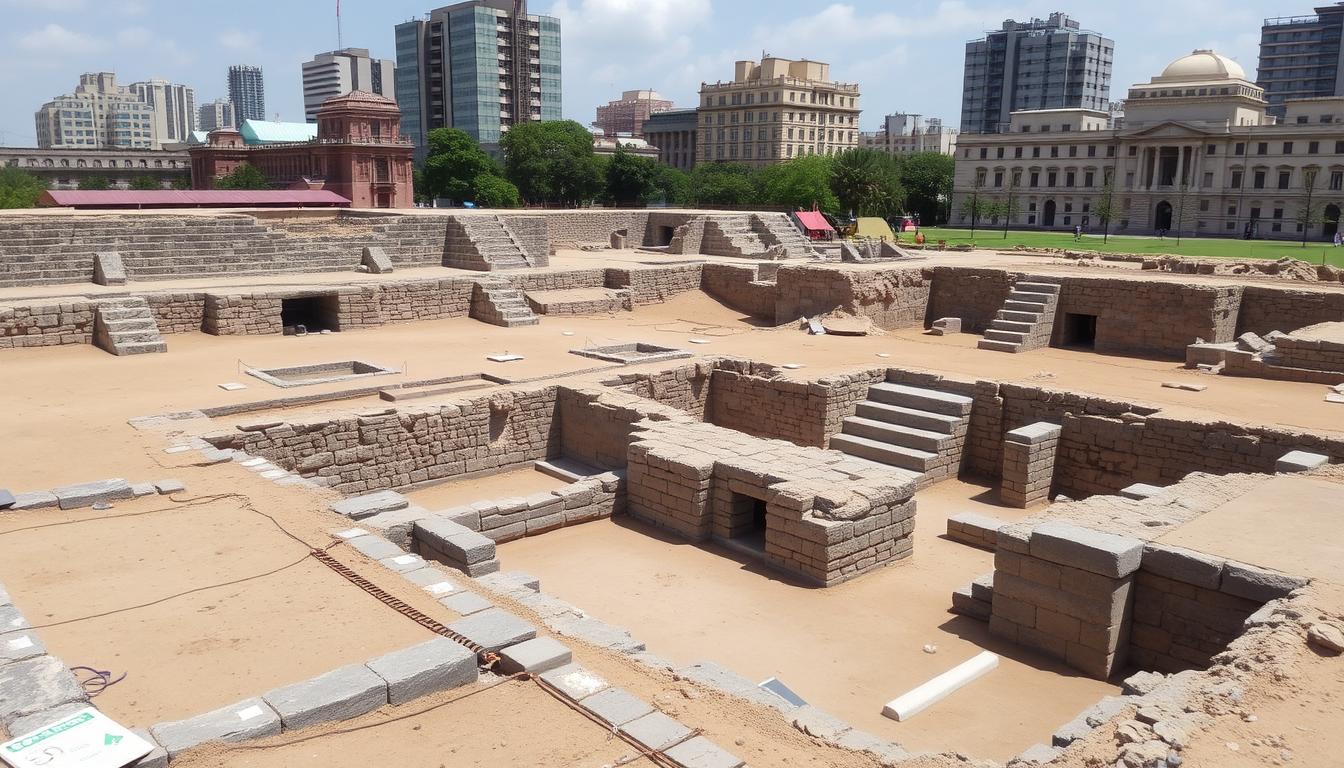
Attraction
Mexico's national museum of archaeology and anthropology, a 1964 building in Chapultepec whose 23 halls hold the Sun Stone and treasures from every Mesoamerican culture.
Attraction
The excavated remains of the Aztecs' great twin temple in Tenochtitlan, beside the Zócalo, with a site museum built around the giant Coyolxauhqui stone found in…
Attraction
Mexico City's great palace of the arts, begun in 1904 and opened in 1934, with murals by Rivera, Orozco and Siqueiros and a Tiffany glass stage…
Attraction
An 18th-century hilltop castle in Chapultepec forest, once home to Emperor Maximilian and later presidents, now the National Museum of History with terraces over the city.
Attraction
The Casa Azul in Coyoacán where Frida Kahlo was born and died, kept with her studio, kitchen, garden and clothes; tickets are sold online only.
Attraction
The seat of the Archdiocese of Mexico on the north side of the Zócalo, built between 1573 and 1813, with the gilded Altar of the Kings…
Café
The original El Moro churrería on Eje Central, frying churros to a 1935 recipe brought from Spain and serving them with hot chocolate made from Tabasco…
Café
Elena Reygadas's bakery on Calle Colima in Roma Norte, opened in 2012 and famous for its guava roll, with a small bar and a few street-side…
Café
An old-school coffee house on Avenida Morelos, open since the early 1950s, linked by legend with Fidel Castro and Che Guevara and known for coffee roasted…
Café
A huge traditional bakery on 16 de Septiembre, founded in 1927, selling conchas and pan dulce downstairs and showing hundreds of display cakes in its upstairs…
Café
The Roma Norte café of BUNA, a Mexican coffee company working directly with farmers, serving its own coffee and selling chocolate, honey and beans to take…
Café
A family sweet shop founded in 1874 on Calle 5 de Mayo, with an Art Nouveau interior, French mirrors and around 120 kinds of handmade Mexican…
Hotel
A hacienda-style luxury hotel on Paseo de la Reforma built around a garden courtyard, with the Fifty Mils cocktail bar, a ten-seat omakase counter and a…
Hotel
A luxury hotel on Paseo de la Reforma beside the Diana fountain, with 24-hour butler service, an indoor pool with skyline views and ten restaurants and…
Hotel
A five-star boutique hotel of 35 rooms on Avenida Presidente Masaryk in Polanco, with interiors by Yabu Pushelberg, the Anatol restaurant and the Aurora Spa.
Hotel
A 60-room hotel in a former 1899 department store a few steps from the Zócalo, famous for its Art Nouveau stained-glass ceiling by Jacques Gruber and…
Hotel
A Grupo Habita design hotel of 40 rooms in a 1928 French-style building on Avenida Veracruz, with a rooftop bar over Parque España and a courtyard…
Hotel
A 25-room Grupo Habita hotel in a 19th-century building behind the Zócalo, birthplace of photographer Manuel Álvarez Bravo, with a rooftop pool facing the cathedral.
Bar
A two-storey cocktail bar on Avenida Álvaro Obregón, open in Roma since 2011 and a regular on The World's 50 Best Bars list since 2014.
Bar
A 1920s-style speakeasy behind a secret door on Calle Amberes, ranked number one by The World's 50 Best Bars, with complex cocktails developed in its own…
Bar
The historic mariachi cantina on Plaza Garibaldi, at the centre of the square's celebrations since 1925 and immortalised in José Alfredo Jiménez's song Mi Tenampa.
Bar
A cantina on Avenida 5 de Mayo with roots in an 1876 pastry shop, known for its private booths, its famous patrons and the bullet hole…
Bar
A long-running jazz club on Calle Motolinía in the historic centre, with live jazz, blues and big band nights from Wednesday to Saturday from 21:00.
Bar
A century-old pulquería on Calle Aranda, covered in murals of Mexica gods and warriors, where young crowds try natural pulque and fruit and vegetable curados.
Restaurant
Enrique Olvera's two-Michelin-star restaurant in a 1950s Polanco house, known for its seasonal tasting menu, taco omakase counter and years-aged mole madre.
Restaurant
Jorge Vallejo and Alejandra Flores's two-Michelin-star restaurant in Polanco, ranked third in The World's 50 Best, serving a single Mexican tasting menu.
Restaurant
A lively seafood restaurant in Roma Norte, open for long lunches until early evening and best known for its tuna tostadas and pescado a la talla.
Restaurant
Elena Reygadas's one-Michelin-star restaurant on Calle Colima in Roma Norte, serving creative Mexican dishes designed for sharing, with vegetables at the centre of several signature dishes.
Restaurant
A family-run Mexican restaurant founded in 1969, famous in the historic centre for its breakfasts of fresh conchas, raw-milk natas and Doña Oliva hot chocolate.
Restaurant
Ricardo Muñoz Zurita's regional Mexican restaurant in a tree-filled courtyard on Isabel la Católica, known for its moles and its seasonal state food festivals.
Thing to do
A ride in a painted trajinera through the UNESCO-listed canals and chinampas of Xochimilco, leaving from one of the largest boat landings in the south of…
Thing to do
Masked wrestlers, rowdy chants and family crowds at the Arena México in Doctores, the home of CMLL and known as the cathedral of lucha libre.
Thing to do
The 44th-floor observation deck of the 1956 Torre Latinoamericana, a pioneering earthquake-resistant skyscraper with views over Bellas Artes and the historic centre.
Thing to do
The folk dance company founded by Amalia Hernández in 1952, performing regional dances from Veracruz, Sonora, Jalisco and beyond on the stage of Bellas Artes.
Thing to do
A downtown food market on Calle Ernesto Pugibet known for gourmet produce, imported cheeses and deli meats, respected butchers and fishmongers, and casual lunch counters.
Tour operator
A women-owned food tour company founded in 2010, running small-group street food walks, market tours and cooking classes across Mexico City and Puebla.
Tour operator
Small-group culinary walks in the Centro Histórico, Azcapotzalco, Tacubaya and Xochimilco, tasting carnitas, birria, pulque and mezcal with local guides.
Tour operator
Weekend boat trips to a working chinampa in Xochimilco with a regenerative farming network, including sunrise visits, brunches and farm meals on the canals.
Tour operator
A cooking school in a 19th-century palace in Colonia Juárez, offering small-group Mexican cooking classes with an optional morning visit to a local market.
Tour operator
Small-group food tours in Roma Norte, Coyoacán and the Mercado de Jamaica, plus an evening taco and mezcal tour, from a company also operating in Mérida.
Four or five days cover the historic centre, Chapultepec and its museums, Coyoacán and Xochimilco; add a day for Teotihuacan.
The Centro Histórico puts you beside the main sights, Roma and Condesa suit travellers who want cafés, bars and restaurants, and Polanco is the upscale choice near Chapultepec.
Metrobús Line 4 runs from both terminals of Benito Juárez airport towards the historic centre and needs a rechargeable card; Metro Line 5 stops at Terminal Aérea beside Terminal 1, and licensed taxis and ride-hailing apps are also available.
It suits most budgets: public transport is inexpensive, several museums such as the Museo Soumaya are free, and street food sits alongside high-end tasting menus.
Most visits are trouble-free, but take normal precautions: watch for pickpockets on the Metro, use ride-hailing apps or official taxis at night, and take care in busy nightlife areas such as Plaza Garibaldi late at night.