
Attraction
Fushimi Inari Taisha
The head shrine of the Inari deity, founded in 711, famous for the thousands of vermilion torii gates that climb the wooded slopes of Mount Inari.
Japan combines large modern cities with temples, gardens, mountains and hot springs, and it has one of the most efficient rail networks in the world. Tokyo, the capital, is where most visitors begin, with its districts, food and museums. Kyoto is known for its temples, shrines and traditional streets, and Osaka for street food and nightlife. Nara has free-roaming deer and large historic temples, while Hiroshima and nearby Miyajima are common stops further west. Hakone and the Mount Fuji area offer onsen and views of the mountain, and Hokkaido in the north is known for skiing and summer landscapes. Shinkansen bullet trains make it easy to combine several of these in one trip.
Attraction
The head shrine of the Inari deity, founded in 711, famous for the thousands of vermilion torii gates that climb the wooded slopes of Mount Inari.
Attraction
Osaka's rebuilt castle keep, first raised by Toyotomi Hideyoshi in the 1580s, now a history museum with an eighth-floor lookout over a large moated park.
Attraction
Tokyo's oldest and most visited Buddhist temple, reached through the Kaminarimon gate and the shop-lined Nakamise approach in historic Asakusa.
Attraction
A hillside temple on Mount Otowa with a wooden stage jutting out over the trees, dedicated to an eleven-faced Kannon and part of Kyoto's UNESCO World…
Attraction
A major Shinto shrine dedicated to Emperor Meiji and Empress Shoken, set in a large man-made forest beside Harajuku and Yoyogi Park.
Attraction
Universal's theme park on Osaka Bay, opened in 2001 and home to Super Nintendo World, the Wizarding World of Harry Potter and Minion Park.
Café
A Jimbocho roastery-café serving light-roasted, single-origin specialty coffee designed to bring out the character of each origin.
Café
The flagship of a Kyoto coffee house founded in 1940, serving nel-drip coffee and breakfast from 7:00 in a townhouse-style building with more than 200 seats.
Café
Osaka's classic coffee house, founded in 1934, serving extra-rich drip coffee and copper-plate pancakes in a tiled, antique-furnished shop in Sennichimae.
Café
A salon-style coffee house opened in 1934 beside the Takase River, the first café in Japan to be registered as a Tangible Cultural Property.
Café
A British-style tea room and cake shop in a small 1912 brokerage building in Kitahama, serving afternoon tea and around 40 teas beside Nakanoshima.
Café
An Omotesando coffee bean shop where baristas guide customers through a curated menu of beans from roasters in Japan and abroad.
Hotel
A serene luxury hotel on the top floors of Otemachi Tower, pairing minimalist Japanese design with a spa, 30-metre pool and city views.
Hotel
A luxury hotel in southern Higashiyama built around Shakusui-en, a pond garden of about 800 years old, with a spa, pool and several restaurants.
Hotel
Japan's first Ritz-Carlton, in Umeda, with rooms on the 24th to 37th floors, classic English-style interiors, an indoor pool and spa and a Michelin-starred French restaurant.
Hotel
A low-rise luxury hotel of 70 rooms and nine suites on the slopes of Higashiyama beside Ninenzaka, with the long-established Kyoyamato kaiseki restaurant in its grounds.
Hotel
A luxury hotel on a Yurakucho corner between Marunouchi and Ginza, with commanding city views towards the Imperial Palace grounds.
Hotel
A 160-room luxury hotel rising 27 storeys above Midosuji avenue in Honmachi, with round-the-clock butler service, a spa and five places to eat and drink.
Bar
A modern cocktail and whisky bar at Kiyamachi Nijo with a collection of around 1,200 bottles, including some 600 single malts, and views towards the river.
Bar
A six-seat basement cocktail bar near Osaka Station, opened in 2020 by bartender Ryu Fujii and ranked on the Asia's 50 Best Bars extended list.
Bar
A tight grid of narrow lanes in Kabukicho holding around 300 tiny bars, many seating only a handful of drinkers, each with its own theme.
Bar
A basement speakeasy in Shinsaibashi, sister to Portland's Bible Club, recreating a 19th-century American saloon with inventive cocktails and a deep whisky list.
Bar
A hotel bar and rooftop terrace in a former school building in Higashiyama, serving cocktails, rare whiskies and wine with views over the historic rooftops.
Bar
The SG Group's multi-level Shibuya cocktail bar, blending Japanese and Western drinking culture, with a casual ground floor and a moody basement.
Restaurant
A family-run kaiseki ryotei founded in 1912 in the Higashiyama hills, led by chef Yoshihiro Murata and holding three Michelin stars.
Restaurant
Chef Yoshihiro Narisawa's acclaimed Aoyama restaurant, serving a seasonal tasting menu built around Japanese ingredients, forests and the farming landscape.
Restaurant
A Dotonbori okonomiyaki restaurant founded in 1945 and known for yamaimo-yaki, a savoury pancake made with mountain yam instead of flour.
Restaurant
Zaiyu Hasegawa's playful modern kaiseki restaurant in Jingumae, known for warm hospitality and a seasonal tasting menu with a sense of humour.
Restaurant
A kaiseki restaurant with more than 400 years of history beside Nanzen-ji, famous for its soft-boiled Hyotei egg and its morning porridge.
Restaurant
The original branch of the Daruma kushikatsu chain, frying breaded skewers in Shinsekai since 1929 under its famous no-double-dipping rule.
Thing to do
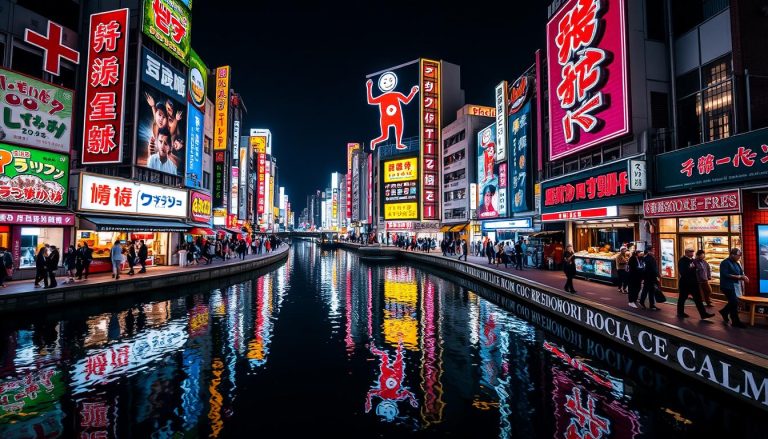
Osaka's canal-side entertainment strip, lined with giant 3D shop signs, theatres and restaurants, and the classic place to eat your way through the city at night.
Thing to do
A narrow covered market street of around 130 food shops between Teramachi and Takakura, known for centuries as Kyoto's kitchen.
Thing to do
The lively market streets that remained in Tsukiji after the wholesale fish market moved to Toyosu, packed with seafood stalls, knife shops and breakfast counters.
Thing to do
A walking path through tall groves of moso bamboo between Tenryu-ji and Okochi Sanso villa, one of the most photographed places in Kyoto.
Thing to do
A covered food market of about 150 shops stretching 580 metres in Nipponbashi, known for seafood, fruit and food to eat as you stroll.
Thing to do
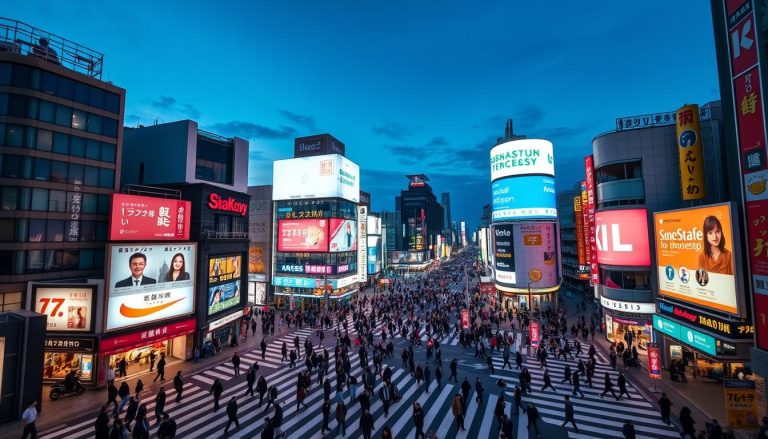
An open-air rooftop observation deck around 229 metres up on Shibuya Scramble Square, looking straight down on the famous Scramble Crossing.
Tour operator
A Tokyo-registered travel agency founded in 2016, running guided food and culture tours such as a Shinjuku and Golden Gai evening food walk.
Tour operator
A Kyoto cycling company running since 2001, offering guided cycling and walking tours, around 400 rental bikes and terminals near Kyoto Station and across the city.
Tour operator
A 20-minute guided boat ride along the Dotonbori canal, leaving every half hour from Tazaemonbashi Pier beneath the neon signs of Minami.
Tour operator
A tea ceremony company founded in 2014 by Atsuko Mori, hosting shared and private ceremonies in a Ninenzaka machiya and a garden teahouse near Ryoan-ji.
Tour operator
A Tokyo tour company running guided bar-hopping nights in Shinjuku, food tours, Tsukiji visits and cultural experiences such as sumo and samurai sessions.
Tour operator
A sightseeing boat loop on Osaka's rivers, linking Osaka Castle, Yodoyabashi and Hachikenyahama piers with views of the castle and Nakanoshima.
Shinkansen bullet trains link most major cities quickly, and local trains and buses cover smaller towns. Rail passes can be good value for some itineraries, so compare them with individual tickets.
Spring, during cherry blossom season, and autumn, when the leaves change colour, are the most popular times. Summer is hot and humid, and winter is good for skiing in Hokkaido and the Japanese Alps.
Popular choices include Kyoto, Osaka, Nara, Hiroshima, Miyajima, Hakone, Kanazawa and Hokkaido.