
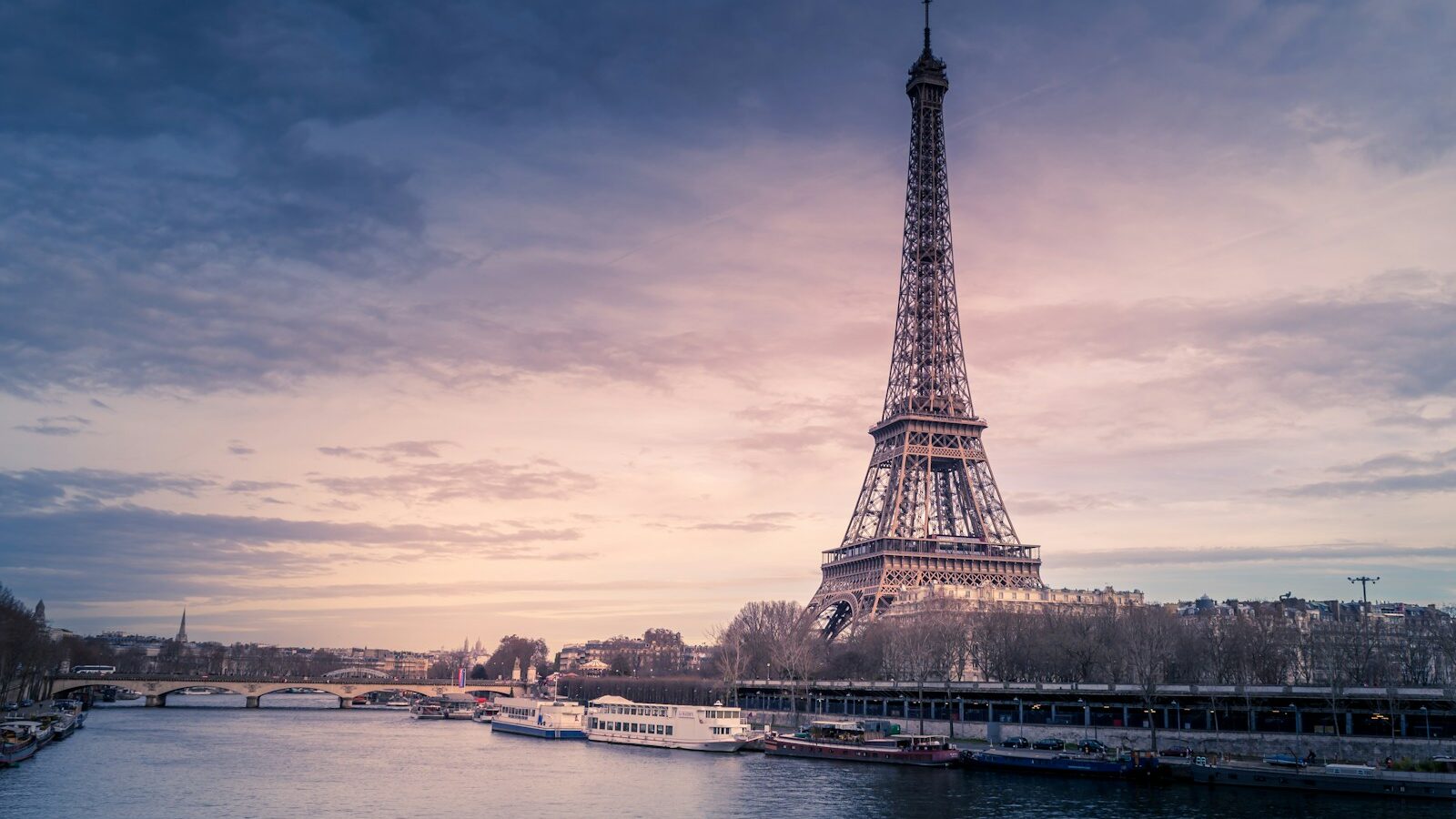
Things to do in Paris start with the Eiffel Tower, the Louvre and Notre Dame, but the best trips mix those big names with free museums, market streets, a river cruise after dark and at least one day trip. This guide picks the 20 best things to do for a first or return visit, with 2026 prices, the new rules that changed this year and what is different in winter.
Some links in this guide are affiliate links: if you book through them we may earn a commission at no extra cost to you. It never changes what we recommend. How we make money.
Paris had several changes in 2026 that most older guides miss. The Louvre now charges visitors from outside Europe more, Sainte Chapelle and Versailles followed, the Catacombs reopened with a new route and price, the city’s metro fares rose in January, and the Centre Pompidou is closed for renovation. We checked every price and rule against official websites in November 2026 and show euros with approximate pounds and dollars at EUR 1 = £0.84 / $1.09.
Things to do in Paris at a glance
| Pick | Best for | Time needed | Adult price (Nov 2026) |
|---|---|---|---|
| Eiffel Tower | Views, first visit | 2 to 3 hours | €14.80 to €36.70 |
| Louvre | Art, history | 3 hours or more | €32 (non EU visitors) |
| Notre Dame | Architecture | 1 hour | Free (towers €16) |
| Sainte Chapelle | Stained glass | 45 minutes | €22 (non EU visitors) |
| Musée d’Orsay | Impressionist art | 2 to 3 hours | €16 online |
| Seine cruise | Evening, couples | 1 hour | From about €18 |
| Montmartre and Sacré Coeur | Walking, views | Half a day | Free |
| Arc de Triomphe | Views of the avenues | 1 hour | €16 (October to March) |
| Le Marais and Carnavalet | Shops, free museum | Half a day | Free |
| Catacombs | Something unusual | 1 hour | €31 |
| Versailles | Day trip | A full day | €25 (November to March) |
What our France video covers
From the Eiffel Tower, the Louvre and Montmartre to Versailles, the Loire Valley châteaux, Champagne, the French Riviera, Provence, Mont-Saint-Michel and the Alps, here are 30 of the best things to do in France.
Jump to a chapter (30)
- 0:45 The Eiffel Tower
- 1:15 The Louvre
- 1:48 A Seine river cruise
- 2:11 Notre-Dame
- 2:34 Montmartre and Sacré-Cœur
- 2:58 The Champs-Élysées
- 3:22 The Arc de Triomphe
- 3:48 A picnic in the Jardin du Luxembourg
- 4:12 Café culture
- 4:35 Le Marais
- 5:05 Versailles
- 5:31 The Loire Valley châteaux
- 5:58 Champagne tasting
- 6:23 The French Riviera
- 6:54 Provence
- 7:17 Lyon
- 7:41 Bordeaux
- 8:06 Mont-Saint-Michel
- 8:31 Alsace
- 8:55 The Dordogne
- 9:16 A cooking class
- 9:34 French markets
- 9:58 Wine tasting
- 10:23 Cycling
- 10:45 The French Alps
- 11:06 A perfumery in Grasse
- 11:35 Festivals
- 11:58 Learn a little French
- 12:20 Day trips across the border
- 12:39 The French lifestyle
How to choose what to do in Paris
If it is your first visit, build each day around one timed ticket and fill the rest with walking. The Eiffel Tower, the Louvre, Sainte Chapelle, the Catacombs and Versailles all sell timed slots, and the good ones go days or weeks ahead. Notre Dame, the river banks, Montmartre and the Marais cost nothing and need no planning.
Group sights by area, because the metro is quick but changing lines eats time. Île de la Cité has Notre Dame and Sainte Chapelle five minutes apart. The Louvre, the Tuileries and the Orangerie sit in one line along the river. Montmartre fills a morning on its own.
UK and US passport holders pay the higher non EU rate at the Louvre, Sainte Chapelle and Versailles. That makes the Paris Museum Pass better value than before: €85 for 2 days (about £71 / $93), €105 for 4 days (about £88 / $115) or €125 for 6 days (about £104 / $137). It covers the Louvre, Orsay, Sainte Chapelle, the Arc de Triomphe and Versailles but not the Eiffel Tower, and the Louvre still needs a time slot booked with it.
1. Eiffel Tower
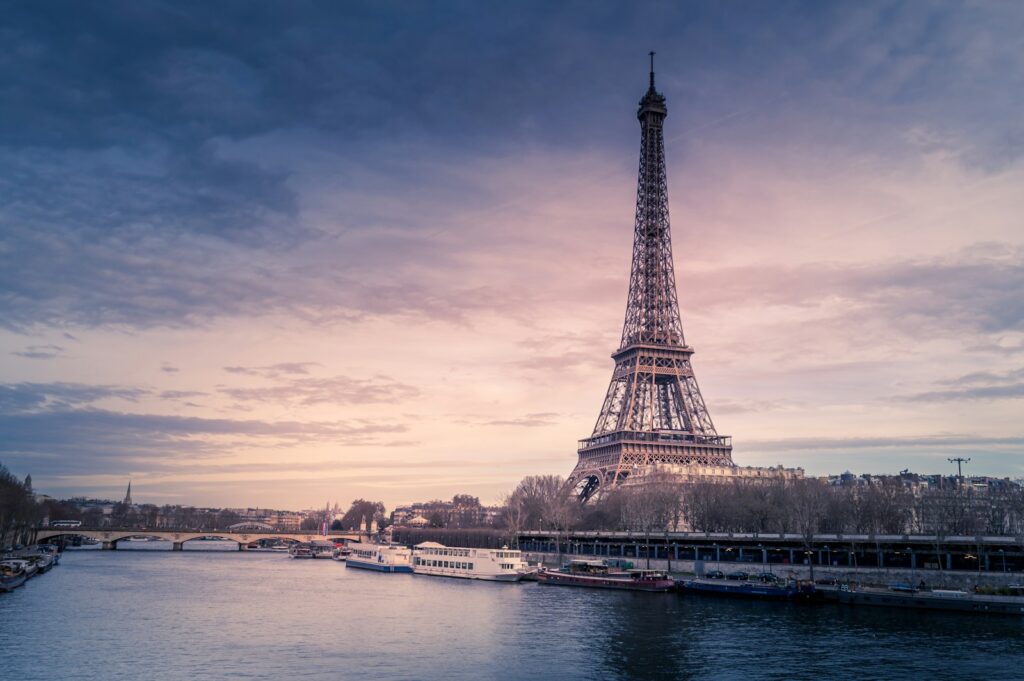
The tower is still the most rewarding of the classic Paris attractions, and the view from the second floor is often better than from the top, because you can still pick out the buildings. Go up in the late afternoon and stay for the lights.
Eiffel Tower tickets from the official site cost, for adults until 10 January 2027: €14.80 (about £12 / $16) to the second floor by stairs, €23.50 (about £20 / $26) to the second floor by lift, €28 (about £23 / $31) for stairs plus the lift to the top, and €36.70 (about £31 / $40) for lifts all the way. Youths aged 12 to 24 pay about half, and children aged 4 to 11 pay from €3.80. From 11 January 2027 the top by lift rises to €37.70.
- Getting there: metro line 6 to Bir Hakeim, lines 6 or 9 to Trocadéro for the classic photo, or RER C to Champ de Mars Tour Eiffel.
- With a tour: guided tickets include a host and a fixed entry time, useful in school holidays.
- Without a tour: book your own slot on the official website as soon as your dates are fixed. Tickets are valid only for the slot you choose.
- Hours: 9:15am to 10:45pm daily until 17 December 2026, then until 11:45pm from 18 to 30 December, and until 7pm on 31 December.
- Tip: the stairs to the second floor have short queues and you see the iron structure up close. The top can close in strong wind.
The tower lights up at dusk and sparkles for five minutes at the start of every hour after dark, until midnight or 1am depending on the season, according to the operator. Watch it free from Trocadéro or the Champ de Mars.
2. The Louvre
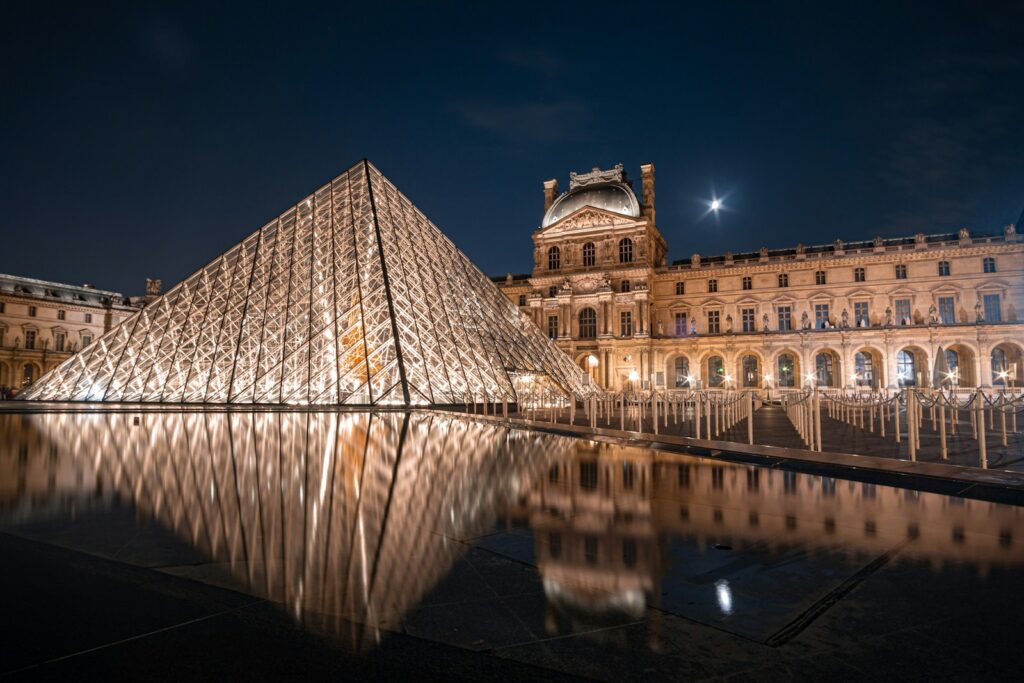
The Louvre is the world’s most visited museum and the home of the Mona Lisa, the Venus de Milo and the Winged Victory. It is too big for one visit, so pick two or three wings rather than trying to see everything.
Louvre tickets cost €32 (about £27 / $35) for visitors from outside the European Economic Area since 14 January 2026, up from €22, which is still the rate for EU, Norwegian, Icelandic and Liechtenstein visitors. UK and US visitors pay €32. Under 18s are free, and everyone gets in free on the first Friday of the month after 6pm, except in July and August.
- Getting there: metro lines 1 or 7 to Palais Royal Musée du Louvre.
- Hours: 9am to 6pm on Monday, Thursday, Saturday and Sunday, and until 9pm on Wednesday and Friday. Closed on Tuesdays.
- Booking: a time slot is recommended for everyone, and the Louvre says booking is required for all visitors from 19 December 2026 to 4 January 2027.
- With a tour: a guide gets you to the highlights fast and explains them. The museum’s own guided tours cost €12 on top of entry.
- Without a tour: book on the official ticket site, arrive at your slot and use the audio guide (€6).
- Tip: the Wednesday and Friday late openings are the quietest time to see the Mona Lisa. The museum warns about fake sites and street sellers offering queue jumping tickets.
3. Notre Dame and Île de la Cité
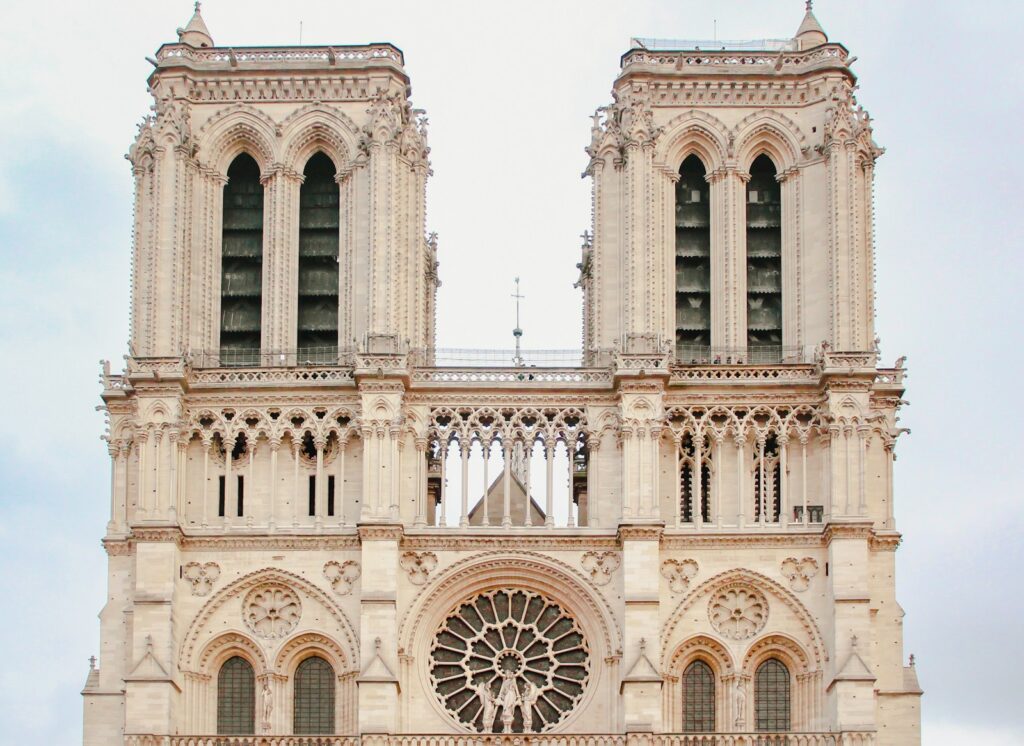
Notre Dame de Paris reopened in December 2024 after the 2019 fire, and the cleaned stone and restored interior are brighter than most visitors remember. It is one of the best free things to do in Paris.
Entry to the cathedral is free. You can join the open queue, but a free 30 minute time slot on the official Notre Dame website or app usually saves a long wait, and slots are released about two days ahead. Be wary of sites selling paid “skip the line” entry: they are reselling free slots.
- Getting there: metro line 4 to Cité, or RER B or C to Saint Michel Notre Dame.
- Hours: from about 8am to 7pm on weekdays, until 7:30pm at weekends, with a late opening to 10pm on Thursdays. Check the official site before you go.
- Towers: the climb of 424 steps (no lift) reopened in September 2025 and costs €16 (about £13 / $17), booked on the official towers site. It is free on the first Sunday of the month from November to March.
- Treasury: about €12 inside the cathedral.
- Tip: large bags and backpacks are not allowed and there is no cloakroom.
Walk to the tip of the island at Square du Vert Galant, cross Pont Neuf, and browse the green bookstalls of the bouquinistes along the river.
4. Sainte Chapelle and the Conciergerie
Sainte Chapelle, five minutes from Notre Dame, is a 13th century royal chapel whose upper level is almost all stained glass. On a sunny morning it is one of the most beautiful rooms in Europe.
Since 12 January 2026 entry costs €22 (about £18 / $24) for non EU visitors and €16 for EU residents. The combined ticket with the Conciergerie, the medieval palace that became a Revolution prison, costs €30 (about £25 / $33) or €23 for EU residents.
- Getting there: metro line 4 to Cité.
- Time needed: 45 minutes for the chapel, an hour more for the Conciergerie.
- Booking: book a timed slot online; security queues are separate from the Palais de Justice entrance.
- Tip: go on a bright day before noon for the best light through the glass.
5. Musée d’Orsay
This former railway station holds the world’s best collection of Impressionist art: Monet, Renoir, Degas, Van Gogh and Cézanne. It is easier to enjoy than the Louvre because it is smaller and well laid out.
Full price tickets cost €16 online (about £13 / $17), and visitors under 18 are free. The museum is closed on Mondays and opens late until 9:45pm on Thursdays, when a cheaper evening ticket is sold. Entry is free for everyone on the first Sunday of each month, which means bigger crowds.
- Getting there: RER C to Musée d’Orsay or metro line 12 to Solférino.
- Time needed: 2 to 3 hours.
- Tip: start on the top floor with the Impressionists and look out of the giant clock window toward Sacré Coeur.
6. A Seine river cruise
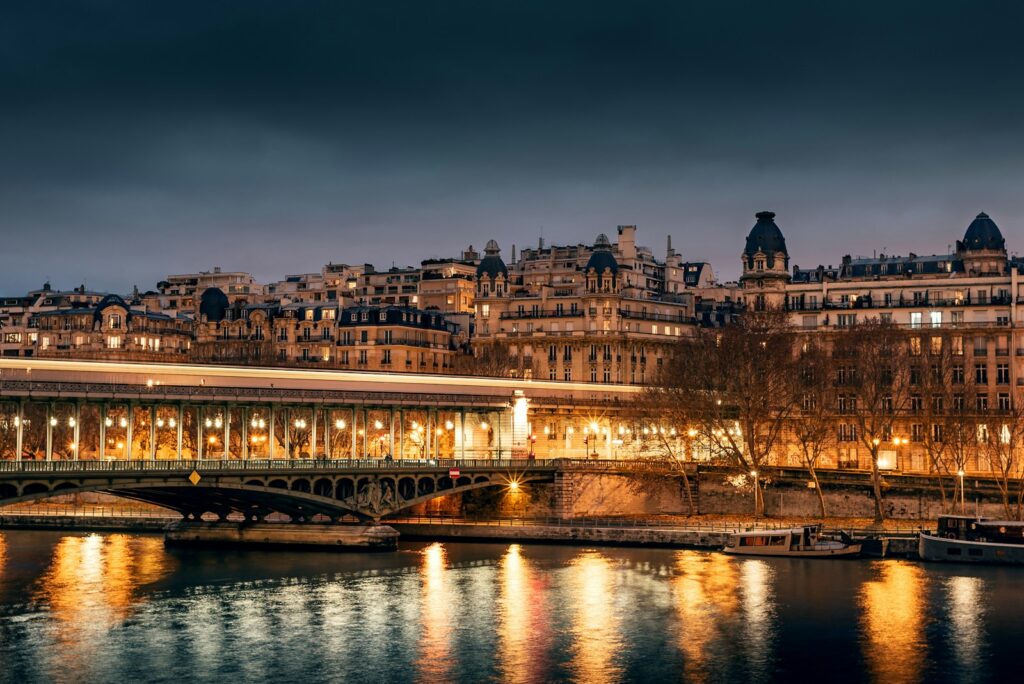
A boat trip shows you most of the city’s landmarks in an hour, and it is the easiest of the things to do in Paris at night. Standard sightseeing cruises start from about €18 (about £15 / $20).
- Bateaux Mouches: large open top boats from Pont de l’Alma.
- Bateaux Parisiens: departures beside the Eiffel Tower, with dinner cruises.
- Vedettes du Pont Neuf: smaller boats from the tip of Île de la Cité.
- Batobus: a hop on, hop off river shuttle with stops at the main sights, useful as transport.
- Tip: book an evening departure timed for the tower sparkle on the hour, and bring a coat; the open deck is cold from October to April.
7. Montmartre and Sacré Coeur
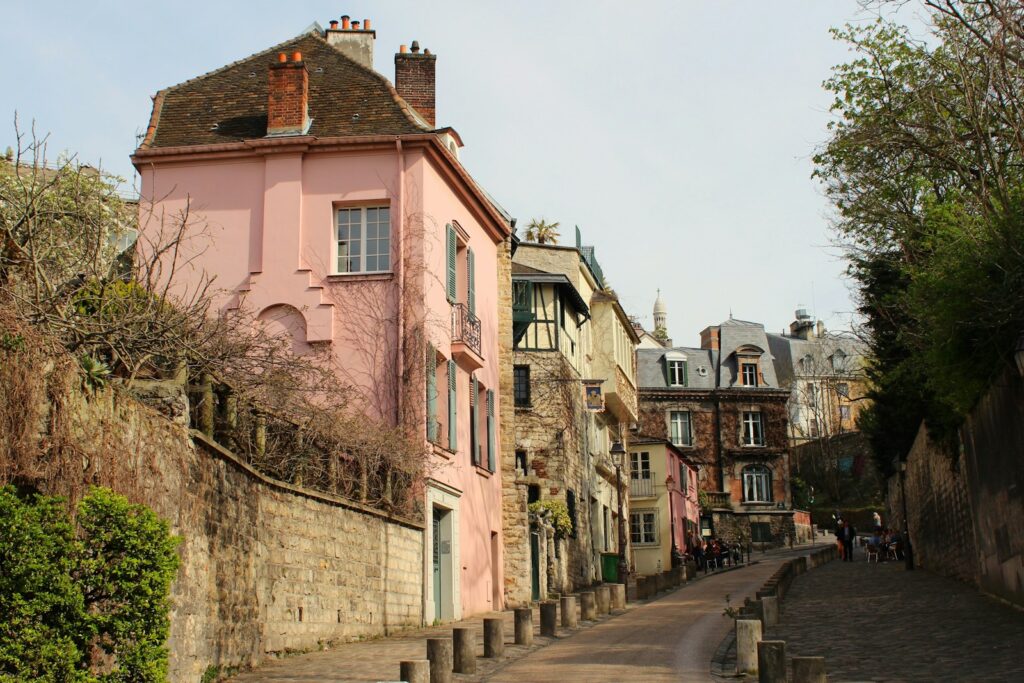
Montmartre is the hilltop village of painters and cabarets in the 18th arrondissement, topped by the white domes of Sacré Coeur. The basilica is free and the steps in front give one of the best free views over the city.
- Getting there: metro line 2 to Anvers and walk up, or line 12 to Abbesses, the deepest station in the network. The funicular from the bottom of the gardens costs one metro ticket.
- Time needed: a morning.
- With a tour: a walking tour explains the artists’ history and finds the quieter lanes.
- Without a tour: walk Rue de l’Abreuvoir, see the Moulin de la Galette and the vineyard, then go down to Place du Tertre and Rue des Martyrs.
- Tip: arrive before 9am. By midday Place du Tertre is crowded, and people offering “friendship bracelets” on the steps below the basilica are a known scam.
8. Arc de Triomphe and the Champs Élysées
Napoleon’s triumphal arch stands over the Tomb of the Unknown Soldier, and its roof looks straight down the twelve avenues that meet at Étoile. It is a better viewpoint than many paid towers.
Tickets cost €16 (about £13 / $17) from October to March and €22 from April to September, and entry is free on the first Sunday of the month from November to March. There are 284 steps to the top, and the arch stays open into the evening.
- Getting there: metro lines 1, 2 or 6 or RER A to Charles de Gaulle Étoile. Use the underground passage, never cross the roundabout.
- Time needed: an hour.
- Tip: walk down the Champs Élysées afterwards for the lights in December, but eat elsewhere; restaurants on the avenue are expensive for what you get.
9. Le Marais, Place des Vosges and Musée Carnavalet
The Marais is the best area to wander: 17th century mansions, the oldest planned square in Paris at Place des Vosges, falafel on Rue des Rosiers, concept stores and galleries. On Sundays many shops here stay open when the rest of the city closes.
Musée Carnavalet, the museum of the history of Paris, has free entry to its permanent collection and is one of the most underrated Paris attractions. The Musée Picasso is also nearby.
- Getting there: metro line 1 to Saint Paul or line 8 to Chemin Vert.
- Time needed: half a day.
- Tip: book a food tour here if you want one guided experience; the area has bakeries, cheese shops and the covered Marché des Enfants Rouges.
10. The Latin Quarter and the Panthéon
The Left Bank student quarter around the Sorbonne has narrow medieval streets, cheap crêpes, the Shakespeare and Company bookshop opposite Notre Dame, and the Musée de Cluny for medieval art.
At the top of the hill, the Panthéon holds the tombs of Voltaire, Victor Hugo, Marie Curie and Josephine Baker. Tickets cost €13 (about £11 / $14) from October to March and €16 from April to September.
- Getting there: RER B to Luxembourg or metro line 10 to Cardinal Lemoine.
- Tip: Rue Mouffetard has a morning market from Tuesday to Sunday and is busy with bars at night.
11. Luxembourg Gardens
The Jardin du Luxembourg is where Parisians come to sit in the famous green chairs, sail toy boats on the octagonal pond and watch chess games under the trees. It is free and open daily from early morning to dusk.
- Getting there: RER B to Luxembourg.
- Time needed: an hour, longer with a picnic.
- Tip: the Medici Fountain on the east side is the most photographed corner. Combine the gardens with the Panthéon and Saint Germain des Prés.
12. The Catacombs
Twenty metres under the 14th arrondissement, the Catacombs hold the bones of several million Parisians, moved from overflowing city cemeteries from the late 18th century. They reopened in spring 2026 after a renovation with a new route.
Tickets cost €31 (about £26 / $34) with an immersive headset, €25 for ages 5 to 26 and students, and €12 for children aged 5 to 17 without the headset. Online booking on the official Paris Musées ticket site is required, and slots sell out two to three weeks ahead in busy periods.
- Getting there: metro lines 4 or 6 or RER B to Denfert Rochereau.
- Hours: Tuesday to Sunday, 9:45am to 8:30pm, last entry 7:30pm. Closed on Mondays.
- Time needed: 45 minutes to an hour for the 1.5 km route.
- Tip: there are 131 steps down and no lift, and the tunnels are cool all year, so bring a layer.
13. Palais Garnier
The opera house of 1875 is a gilded fantasy of marble staircases, mirrored halls and a Chagall ceiling. You can see it on a self guided visit in the daytime or book a ballet or opera.
Visits are sold on the Opéra de Paris website, and since January 2026 the opera uses tiered prices, with a higher rate for visitors from outside Europe. Check the current rate when you book.
- Getting there: metro lines 3, 7 or 8 to Opéra.
- Time needed: an hour.
- Tip: afterwards, take the escalators to the free rooftop terrace of Galeries Lafayette next door for a view over the opera roof to the Eiffel Tower.
14. Père Lachaise Cemetery
The city’s largest cemetery is a hilly park of tombs and cobbled avenues where Oscar Wilde, Édith Piaf, Chopin and Jim Morrison are buried. It is free and one of the more peaceful things to do in Paris.
- Getting there: metro lines 2 or 3 to Père Lachaise, or line 3 to Gambetta to walk downhill.
- Time needed: one to two hours.
- Tip: download a map before you go, as signal can be patchy and the paths are confusing.
15. Canal Saint Martin
In the 10th arrondissement, the canal’s iron footbridges and locks are lined with cafés, natural wine bars and small shops. On warm evenings locals sit along the edge with a drink.
- Getting there: metro lines 3, 5, 8, 9 or 11 to République, or line 5 to Jacques Bonsergent.
- Time needed: an hour or two.
- Tip: continue north to the Bassin de la Villette, or join a canal boat that passes through the locks and a tunnel under Bastille.
16. The Orangerie and the Tuileries Garden
The Musée de l’Orangerie displays Monet’s huge Water Lilies paintings in two oval rooms built for them, and it takes an hour, so it fits easily into a day. It stands at the end of the Tuileries Garden, which is free and connects the Louvre to Place de la Concorde.
- Getting there: metro lines 1, 8 or 12 to Concorde.
- Tip: the Orangerie is included in the Paris Museum Pass; book a slot online in busy months.
17. Food markets, bakeries and a bistro lunch
Eating well is one of the best things to do in Paris, and it does not need to be expensive. A set lunch menu (the “formule”) in a neighbourhood bistro is usually far better value than the same restaurant at dinner.
- Marché d’Aligre: a lively daily market near Bastille, closed on Mondays.
- Rue Cler and Rue Montorgueil: pedestrian market streets with cheese shops, bakers and cafés.
- Bakeries: buy a baguette, a croissant and a pain au chocolat to compare; many Parisians queue at their local baker rather than a famous name.
- Tip: book dinner ahead at popular bistros, especially on Fridays and Saturdays.
18. The covered passages
Before department stores, Parisians shopped in glass roofed arcades. About 20 survive on the Right Bank, and they are perfect on a rainy day. Galerie Vivienne has mosaic floors and a wine shop, Passage des Panoramas is full of small restaurants, and Passage Jouffroy has a toy shop and the Grévin wax museum.
- Getting there: metro line 3 to Bourse, or lines 8 and 9 to Grands Boulevards.
- Time needed: one to two hours to walk several.
19. Free views over the city
You do not need to pay for a view in Paris. The rooftop of Galeries Lafayette, the steps of Sacré Coeur, the top of Parc de Belleville and the terrace in front of the Institut du Monde Arabe all look over the city for free. If you want a paid viewpoint, the Tour Montparnasse observation deck at 210 metres has the advantage of a skyline that includes the Eiffel Tower.
20. Versailles
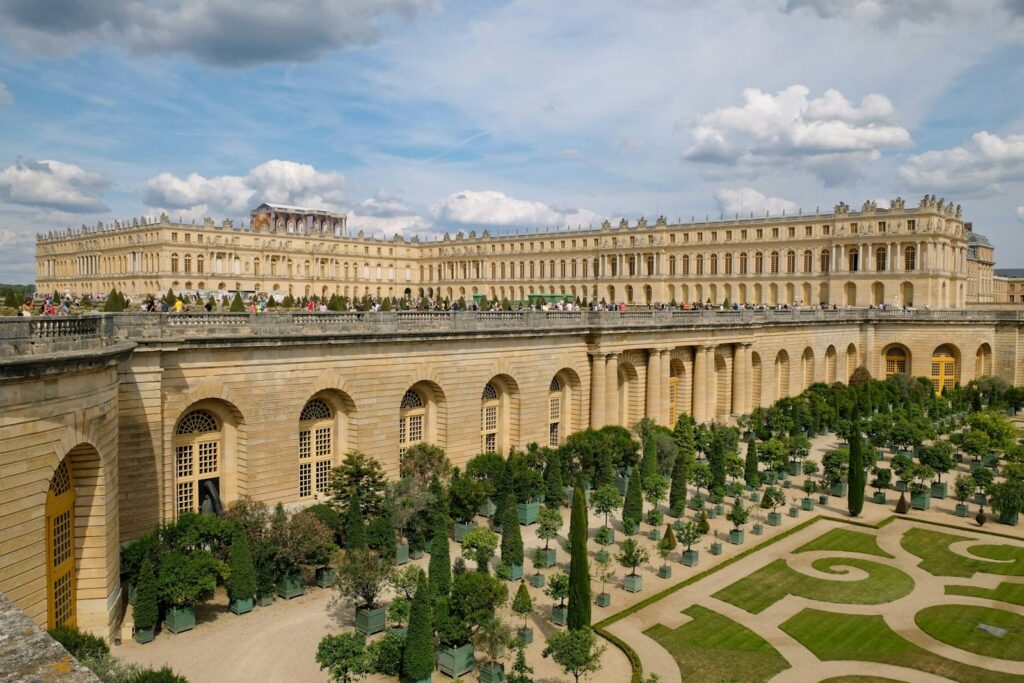
The palace of Louis XIV is the most popular of the day trips from Paris, with the Hall of Mirrors, the royal apartments and gardens that stretch to the horizon. It is closed on Mondays.
The Passport ticket, which includes the palace with a timed slot and the Trianon estate, costs €25 (about £21 / $27) for non EU visitors from 1 November to 31 March and €35 (about £29 / $38) from April to October. EU residents pay €22 and €32. Under 18s are free and the gardens are free in low season.
- Getting there: RER C to Versailles Château Rive Gauche, about 40 minutes from central Paris, then a 10 minute walk.
- With a tour: a guided tour gets you through the busiest rooms with less waiting.
- Without a tour: book the earliest palace slot, then walk to the Trianon and Marie Antoinette’s hamlet.
- Tip: Tuesdays and Sundays are the busiest days.
Free things to do in Paris
Paris has more free things to do than most capitals. These cost nothing at all in 2026:
- Notre Dame: free entry, with a free time slot to save queuing.
- Sacré Coeur: free basilica and a free view from the steps.
- Museums of the City of Paris: free permanent collections at Carnavalet, the Petit Palais and the Musée de la Vie Romantique.
- First Sundays: free entry to the Musée d’Orsay every month, and to the Arc de Triomphe and the Notre Dame towers from November to March.
- First Fridays: free entry to the Louvre after 6pm, except in July and August.
- Parks: the Luxembourg, the Tuileries, the Buttes Chaumont and the Jardin des Plantes gardens.
- The Eiffel Tower sparkle: five minutes every hour after dark, best from Trocadéro.
- Under 18s: free at the Louvre, Orsay and Versailles, and EU residents under 26 also go free.
Unusual things to do in Paris
If you have been before, or want to see a different side of the city, try these:
- Musée des Arts Forains: a private collection of antique fairground rides in old wine warehouses at Bercy, open by booking.
- Paris Sewers Museum: a walk through working sewer tunnels near Pont de l’Alma.
- Coulée Verte René Dumont: a raised garden walk on an old railway viaduct from Bastille to the Bois de Vincennes.
- Rue Crémieux: a short street of pastel houses near Gare de Lyon. Keep your voice down, as people live there.
- Musée de la Chasse et de la Nature: a quirky museum of hunting and nature in a Marais mansion.
- Deyrolle: a taxidermy and natural history shop on Rue du Bac, open since the 19th century.
- Square du Vert Galant: the quiet garden at the tip of Île de la Cité, just above the river.
Things to do in Paris at night
Paris is at its most beautiful after dark, and many sights stay open late:
- Late museums: the Louvre until 9pm on Wednesdays and Fridays, and the Musée d’Orsay until 9:45pm on Thursdays.
- Eiffel Tower: open until 10:45pm (11:45pm from 18 to 30 December), with the sparkle on the hour.
- Seine cruise: an evening boat is the best way to see the lit bridges.
- Arc de Triomphe: the roof is open into the evening, with the lit avenues below.
- Cabaret: the Moulin Rouge and the Crazy Horse run nightly shows; book ahead.
- Jazz: the cellars of the Latin Quarter and the clubs on Rue des Lombards near Châtelet.
- Canal Saint Martin and Rue Oberkampf: the most local areas for a drink.
The metro runs until about 12:40am on weeknights and later at weekends, and Noctilien night buses cover the rest of the night.
Things to do in Paris in winter
From November to March Paris is quieter, prices for flights and hotels are often lower and several sights are free on the first Sunday. The days are short, so plan indoor sights for the afternoon.
In 2026 the Tuileries Christmas market runs from 14 November 2026 to 3 January 2027, the Notre Dame market in Square René Viviani from 26 November to 27 December, the Saint Germain des Prés market from 27 November 2026 to 6 January 2027, and the La Défense market opened on 12 November. The department store windows on Boulevard Haussmann and the lights on the Champs Élysées are free to see. For more ideas, see our guide to the best Christmas markets in Europe, which includes Strasbourg and Colmar.
- Book early for Christmas week: the Louvre requires reservations for all visitors from 19 December 2026 to 4 January 2027.
- Eiffel Tower: longer hours, until 11:45pm, from 18 to 30 December, but it closes at 7pm on 31 December.
- Closed in winter: Monet’s house and gardens at Giverny close for the winter and reopen in spring.
- Weather: expect cold, grey days, with daytime highs often in single figures Celsius (the 40s Fahrenheit), so pack a warm coat and waterproof shoes.
Day trips from Paris
Fast trains put several of France’s best sights within an hour or two. The best day trips from Paris are:
| Day trip | How to get there | Journey time | Best for |
|---|---|---|---|
| Versailles | RER C to Versailles Château Rive Gauche | About 40 minutes | Palace and gardens |
| Champagne (Reims) | TGV from Gare de l’Est | About 45 minutes | Champagne cellars, cathedral |
| Fontainebleau | Train from Gare de Lyon, then bus | About 40 minutes plus bus | Royal château, forest |
| Chantilly | Train from Gare du Nord | About 25 minutes | Château, art, horses |
| Giverny | Train to Vernon from Saint Lazare, then shuttle | About 1 hour | Monet’s garden (spring to autumn) |
| Mont Saint Michel | Coach tour or TGV and bus | About 4 hours each way | Better as an overnight stay |
What to skip or leave for another trip
- Centre Pompidou: the modern art museum closed in 2025 for a renovation expected to last until 2030.
- Paid Notre Dame entry: the cathedral is free; do not pay a reseller for a slot.
- Eating on the Champs Élysées or around the Eiffel Tower: walk a few streets away for better value.
- Mont Saint Michel as a day trip: it is about four hours each way, so stay overnight or leave it for a Normandy trip.
- Petition sellers and bracelet tricks: ignore anyone with a clipboard near the big sights.
Paris attractions: costs at a glance
All prices are for one adult from outside the EU, checked on official websites in November 2026.
| Item | Price | About in £ / $ |
|---|---|---|
| Metro, train or RER single ticket | €2.55 | £2.13 / $2.79 |
| Bus or tram single ticket | €2.05 | £1.71 / $2.24 |
| Airport ticket (CDG or Orly) | €14 | £12 / $15 |
| Navigo week pass, all zones | €32.40 | £27 / $35 |
| Paris Visite 1 day pass, all zones | €30.60 | £26 / $33 |
| Eiffel Tower, second floor by stairs | €14.80 | £12 / $16 |
| Eiffel Tower, top by lift | €36.70 | £31 / $40 |
| Louvre | €32 | £27 / $35 |
| Musée d’Orsay (online) | €16 | £13 / $17 |
| Sainte Chapelle | €22 | £18 / $24 |
| Arc de Triomphe (October to March) | €16 | £13 / $17 |
| Catacombs | €31 | £26 / $34 |
| Notre Dame towers | €16 | £13 / $17 |
| Versailles Passport (November to March) | €25 | £21 / $27 |
| Paris Museum Pass, 4 days | €105 | £88 / $115 |
| Tourist tax, 4 star hotel, per person per night | €8.45 | £7.06 / $9.24 |
Getting around Paris
The metro reached a simpler fare system in 2025. One Metro Train RER ticket covers any metro, RER or suburban train journey in the region except airport trips, and since 1 January 2026 it costs €2.55. Bus and tram tickets are separate at €2.05, and the airports have their own €14 ticket. Paper tickets are being phased out, so load tickets onto a Navigo Easy card from a station machine or buy them in the official Île de France Mobilités app.
If you are staying a week, the Navigo week pass at €32.40 covers unlimited travel in all zones, including the RER to Charles de Gaulle, from Monday to Sunday. It needs a Navigo Découverte card and a passport photo. Full fares are on the Île de France Mobilités website.
From Charles de Gaulle airport, take RER B to Gare du Nord, Châtelet or Saint Michel Notre Dame in about 35 to 40 minutes. From Orly, take metro line 14 to the city centre. Taxis charge fixed fares to the city from both airports.
Practical tips for UK and US travellers
Entry rules
France is in the Schengen area. UK and US passport holders do not need a visa for stays of up to 90 days in any 180 day period. Since 10 April 2026 the EU Entry/Exit System (EES) is fully running: on your first trip you give fingerprints and a photo at the border instead of a passport stamp. ETIAS, the €20 online travel authorisation, has not started yet and no date has been confirmed. Our guide to EES and ETIAS explains both.
UK passports must have been issued less than 10 years before the day you arrive and be valid for at least three months after the day you leave. US travellers should have at least three months of validity beyond their departure date; the US State Department recommends six.
Getting there from the UK
Eurostar runs from London St Pancras to Paris Gare du Nord in about 2 hours 20 minutes, with French border checks done in London before you board. Allow extra time at St Pancras for EES registration on your first trip. Flights from London take about 1 hour 15 minutes and from Manchester about 1 hour 30 minutes, to Charles de Gaulle, Orly or Beauvais (which is far from the centre).
Getting there from the US
Nonstop flights reach Charles de Gaulle from New York, Boston, Washington, Atlanta, Chicago, Miami, Los Angeles and other gateways. New York to Paris takes about 7 hours overnight, and Los Angeles about 11 hours.
Money, health and tax
- Currency: the euro. Cards are accepted almost everywhere, including for small amounts; tell your bank you are travelling.
- Tourist tax: added to your hotel bill per person per night. In 2026 it is €2.60 at 1 star hotels, €5.53 at 3 star, €8.45 at 4 star, €11.70 at 5 star and €15.93 at palace hotels. Under 18s are exempt.
- Health: UK visitors should carry a GHIC card for state healthcare, plus travel insurance. US visitors need travel insurance that covers medical care abroad.
Plugs, time and phones
- Plugs: types C and E, 230 volts. UK visitors need a Type G adaptor; US visitors need an adaptor and should check devices are dual voltage.
- Time: Paris is one hour ahead of London and six hours ahead of New York (nine ahead of Los Angeles).
- Phones: UK networks may charge for roaming, and US plans vary, so an eSIM is often the cheapest way to get data.
Tipping and etiquette
Service is included in restaurant and café prices by law, so you do not need to add the 12.5% that is common in London or the 18 to 20% expected in the US. Round up or leave a few euros for good service. Always say “bonjour” when you walk into a shop or café; it matters more than you might think.
Driving
France drives on the right. UK photocard licences are valid, and US licences are accepted for short visits, though an International Driving Permit is recommended. Do not drive in Paris itself: parking is scarce and cars need a Crit’Air clean air sticker in the low emission zone. Hire a car only for countryside trips.
Safety
Paris is generally safe, but pickpockets work on metro line 1, at the Eiffel Tower, around Sacré Coeur and at Gare du Nord. Keep phones out of back pockets and bags closed on the metro.
Our picks
- First visit, three days: Eiffel Tower, Louvre, Notre Dame and Sainte Chapelle, Montmartre, a Seine cruise and an evening in the Marais.
- On a budget: Notre Dame, the free city museums, first Sunday entries, the parks and a picnic from Rue Cler.
- Art lovers: the Louvre on a late night, Orsay, the Orangerie and the Musée Rodin.
- Couples: a sunset Seine cruise, Montmartre at dawn and dinner by Canal Saint Martin.
- Families: the Luxembourg Gardens, the Jardin des Plantes, the Eiffel Tower by stairs and the Catacombs for older children.
- Winter: the Christmas markets, the covered passages and long afternoons in museums.
FAQ
What are the must dos in Paris?
The must dos in Paris are the Eiffel Tower, the Louvre, Notre Dame, Sainte Chapelle, the Musée d’Orsay, Montmartre and Sacré Coeur, a Seine river cruise and a walk through the Marais. Add Versailles if you have more than three days.
What does 93 mean in Paris?
93 is the number of the Seine Saint Denis department, just northeast of the city. Locals call it “le neuf trois” (the nine three), and you see 93 in postcodes and on number plates. Visitors usually go there for the Stade de France or the Basilica of Saint Denis, where French kings are buried.
Is $5000 enough for a trip to Paris?
Yes, for one person $5,000 is usually enough for a week in Paris at a mid range level, including a return flight from the US. Hotels are the biggest cost, so book early. Fixed costs are modest: a Navigo week pass is €32.40 and a 4 day Paris Museum Pass is €105.
How much time do you need to see Paris?
Three or four days is enough to see the main sights of Paris without rushing, and five to seven days lets you add Versailles, another day trip and the quieter neighbourhoods. A weekend covers the highlights if you book timed tickets ahead.
What is the best month to go to Paris?
May, June and September are the best months to go to Paris for mild weather and long days. April and October are quieter and still pleasant. December is ideal for Christmas markets and lights, while August is hot and many local shops and restaurants close for holidays.
Is 3 days in Paris too much?
No, 3 days in Paris is not too much. It is about the minimum to see the Eiffel Tower, the Louvre, Notre Dame, Montmartre and the Marais without rushing, and many visitors wish they had stayed longer.
How many days do you need in Paris?
Most visitors need three to five days in Paris. Three days covers the main landmarks and two big museums; four or five adds Versailles, the Orsay and more time in the neighbourhoods. A week lets you do a second day trip, such as Reims or Giverny.
What are the best boat tours in Paris?
The best boat tours in Paris are the one hour sightseeing cruises run by Bateaux Mouches from Pont de l’Alma, Bateaux Parisiens beside the Eiffel Tower and Vedettes du Pont Neuf from Île de la Cité, starting from about €18. Choose an evening sailing to see the tower sparkle.
Do and don’ts in Paris?
Do say “bonjour” when you enter a shop, book timed tickets ahead, use the metro and validate tickets. Don’t pay for Notre Dame entry, sign petitions from strangers, keep your phone in a back pocket or eat on the Champs Élysées. Dress smartly at dinner and cover shoulders in churches.
Is $1000 enough for a week in Paris?
$1,000 is enough for a week of spending money in Paris if your flight and room are already paid for. As a guide, a Navigo week pass, a 4 day Museum Pass, the Eiffel Tower and the Catacombs add up to about €205 (about $224), leaving roughly $110 a day for food and extras. It is not enough to also cover flights and a central hotel.
Which Paris attractions need booking in advance?
Book the Eiffel Tower, the Louvre, Sainte Chapelle, the Catacombs, the Notre Dame towers and Versailles before you travel. A free Notre Dame slot also saves time.
Plan the rest of your trip
Paris is easy to combine with other cities by train. See our guides to things to do in Amsterdam and things to do in Barcelona, or continue south with things to do in Rome. For more French and Paris guides, browse our Paris travel guides and the France section.
Whatever you pick from these things to do in Paris, book your timed tickets first, then leave space to wander: the city’s best moments are often the café, the bookstall or the side street you did not plan. Check current hours on the official Louvre website and the official Eiffel Tower website before you go.