
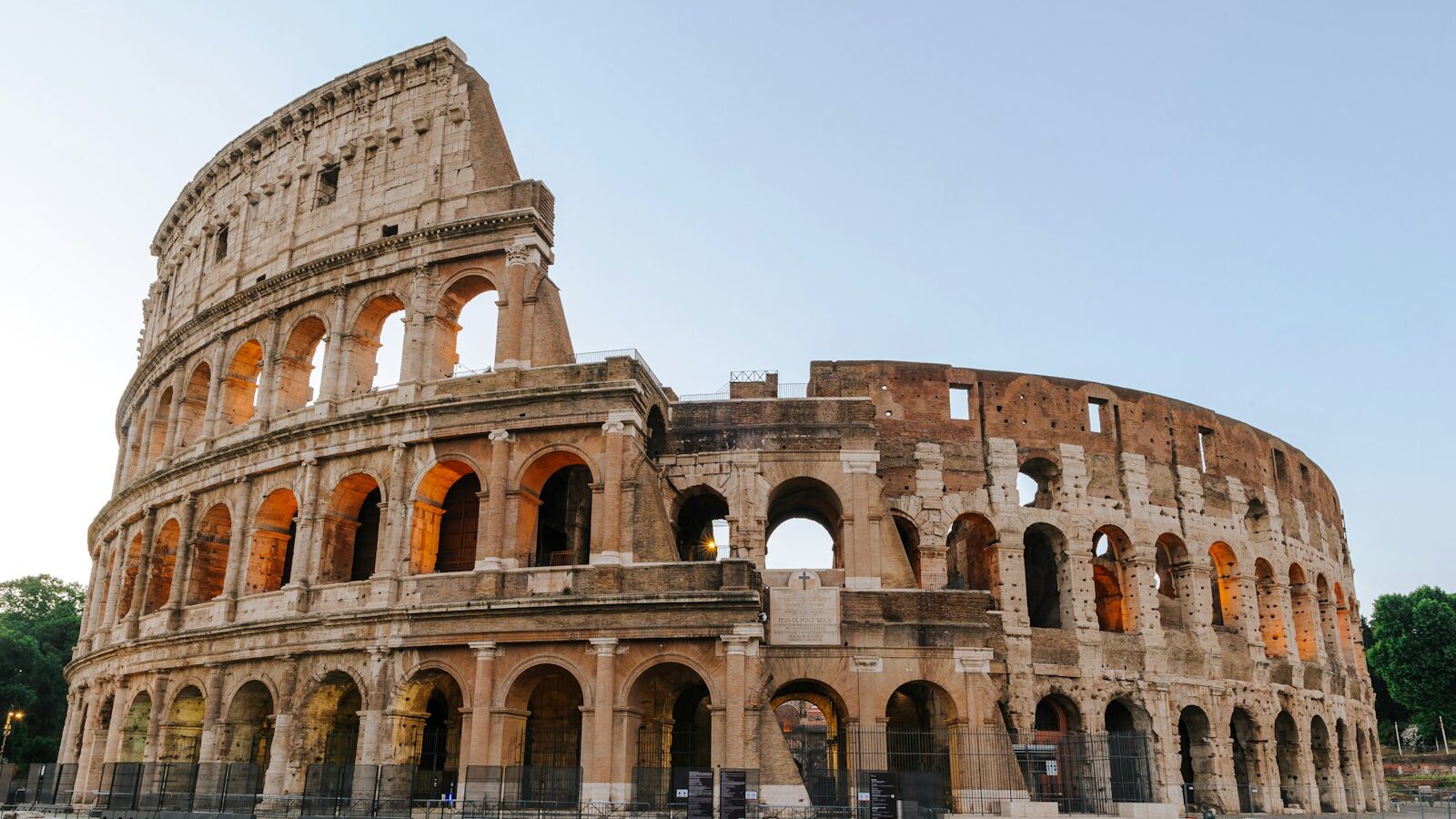
Things to do in Rome begin with three giants, the Colosseum, the Vatican Museums and the Pantheon, but the city is at its best between them: in the lanes of Trastevere, on the Aventine and Janiculum hills, down the Appian Way and over a long plate of cacio e pepe. This guide covers the 20 best things to do in Rome, plus day trips, with what each costs in 2026, how to book and how long to allow.
Some links in this guide are affiliate links: if you book through them we may earn a commission at no extra cost to you. It never changes what we recommend. How we make money.
Rome changed a lot in 2026. The Jubilee year ended when the Holy Door of St Peter’s closed on 6 January 2026, the Trevi Fountain started charging visitors to enter its basin in February, the Pantheon fee rose to €7 in July and Castel Sant’Angelo went up to €18. Every price below was checked on official sites in November 2026. Euro amounts come first, with rough pound and dollar figures (at about €1 = £0.87 = $1.16) so UK and US readers can budget quickly.
Things to do in Rome at a glance
| Activity | Area | Time needed | Cost from (Nov 2026) |
|---|---|---|---|
| Colosseum, Roman Forum and Palatine | Ancient Rome | Half a day | €18 online (€16 + €2 fee) |
| Vatican Museums and Sistine Chapel | Vatican | 3 to 4 hours | €20, or €25 booked online |
| St Peter’s Basilica | Vatican | 1 hour | Free (dome from about €17) |
| Pantheon | Centro Storico | 30 to 45 minutes | €7 |
| Trevi Fountain | Centro Storico | 20 minutes | €2 to enter the basin |
| Piazza Navona and Campo de’ Fiori | Centro Storico | 1 to 2 hours | Free |
| Spanish Steps and Piazza del Popolo | Tridente | 1 to 2 hours | Free |
| Galleria Borghese and Villa Borghese | Villa Borghese | 2 to 3 hours | €18 timed ticket |
| Capitoline Museums | Capitoline Hill | 2 to 3 hours | €15 to €16.50 |
| Castel Sant’Angelo | Near the Vatican | 1.5 to 2 hours | €18 |
| Trastevere | South of the Tiber | An evening | Free |
| Appian Way and catacombs | South of the walls | Half a day | Free to walk |
| Baths of Caracalla | Aventine | 1.5 hours | €8 (€10 with exhibition) |
| Ostia Antica | 30 km west | Half a day | €18 |
How to choose what to do in Rome
If you have one day, spend the morning at the Colosseum and Roman Forum, walk via the Pantheon, Piazza Navona and the Trevi Fountain in the afternoon, and finish with dinner in Trastevere. With two days, give the second morning to the Vatican Museums and St Peter’s. With three or more, add the Galleria Borghese, the Appian Way, Testaccio’s food and a day trip to Ostia Antica or Tivoli.
Three rules make the biggest difference. First, book the Colosseum, the Vatican Museums and the Galleria Borghese before you travel, because all three use timed slots and the best times sell out. Second, remember the weekly closures: the Vatican Museums close on most Sundays, while the Galleria Borghese, Castel Sant’Angelo, Ostia Antica and the Baths of Caracalla close on Mondays. Third, group sights by area. The centro storico is walkable, but Rome is big, and crossing between the Vatican and the Colosseum takes 40 minutes on foot.
The 20 best things to do in Rome
The best things to do in Rome, and the top Rome attractions for a first visit, are the Colosseum with the Roman Forum and Palatine Hill, the Vatican Museums and Sistine Chapel, St Peter’s Basilica, the Pantheon, the Trevi Fountain, Piazza Navona, the Spanish Steps, the Galleria Borghese, the Capitoline Museums and Castel Sant’Angelo. Add Trastevere, the Appian Way, a food tour and a day trip for a full picture of the city.
1. The Colosseum
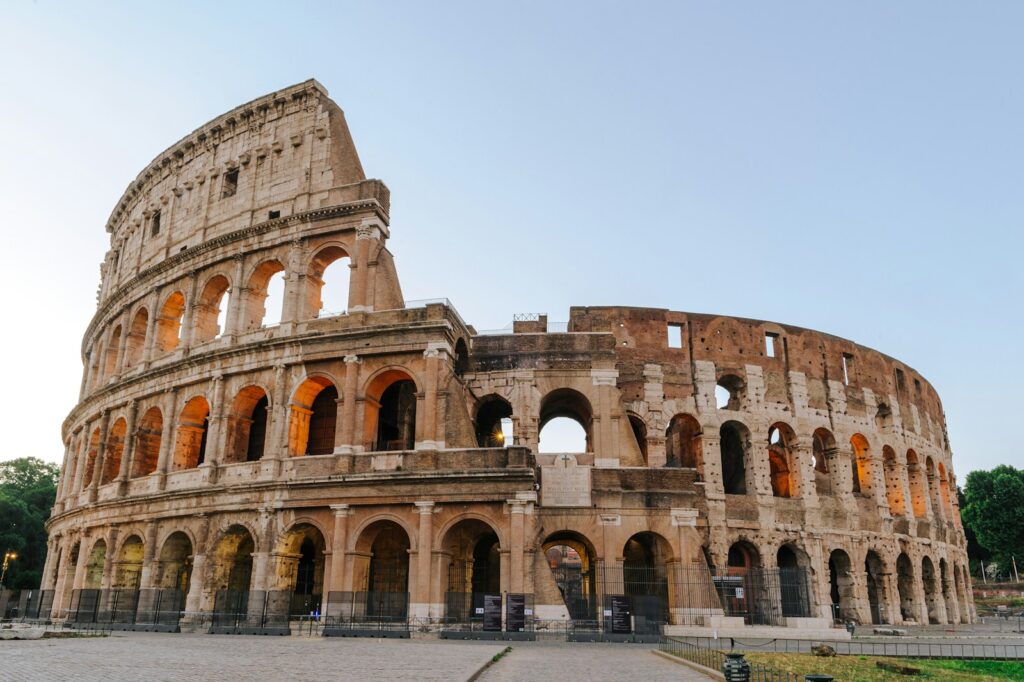
The Flavian Amphitheatre, finished in 80 AD, held around 50,000 spectators for gladiator fights and animal hunts. It is still the single most impressive building in Rome, and the queue to get in proves it. Inside you walk the first and second levels on the standard ticket, looking down on the exposed tunnels of the hypogeum where animals and fighters waited before being lifted into the arena.
Colosseum tickets in 2026
Colosseum tickets are sold through the official Colosseum ticketing site run by the Parco archeologico del Colosseo, and through authorised tour partners, and every ticket is now in the holder’s name. You must show an identity document that matches the ticket at the entrance, and, for visits from 9 May 2026, a name can be changed only once, up to midnight seven days before the visit, and only for a clerical error or documented serious reasons. Tickets go on sale 30 days ahead.
- 24h Colosseum, Roman Forum and Palatine: €16 plus a €2 booking fee, so €18 (about £16 / $21). One timed entry to the Colosseum’s first and second levels, plus one entry to the Forum and Palatine within 24 hours.
- Full Experience tickets: €24 (about £21 / $28) for the Arena, Underground and Arena, or Attic versions. Valid for two consecutive days, they add the arena floor, the underground passages or the upper attic, plus the SUPER sites on the Palatine such as the House of Augustus.
- Reduced: €2 for EU citizens aged 18 to 24. Under 18s enter free but still need a booked ticket.
Arrive at the Colosseum entrance about 10 minutes before your slot; late arrivals are not admitted. From 25 October 2026 to 28 February 2027 the Colosseum opens 8:30 to 16:30, with last entry at 15:30. It is free on the first Sunday of each month, but you still have to book, and those slots go fast.
Time needed: allow 1 to 1.5 hours inside the Colosseum (Attic visits are capped at 90 minutes). The nearest metro is Colosseo on line B.
2. The Roman Forum and Palatine Hill
Your Colosseum ticket also covers the Roman Forum, the political and religious centre of ancient Rome, and the Palatine Hill above it, where emperors built their palaces. Walk the Via Sacra past the Arch of Titus, the Temple of Vesta, the Curia where the Senate met and the spot where Julius Caesar was cremated, then climb the Palatine for the Farnese Gardens and the best free view down over the Forum.
There is very little shade, so go early or late on hot days, and wear proper shoes: the paving is uneven Roman stone. Allow two to three hours. Many visitors do the Forum and Palatine first and the Colosseum in the afternoon, which works well because the 24 hour ticket lets you split the visit.
3. Vatican Museums and the Sistine Chapel
The Vatican Museums are a chain of collections built up by the popes over five centuries, with classical sculpture such as the Laocoön, the Raphael Rooms, the Gallery of Maps and, at the end, Michelangelo’s Sistine Chapel ceiling and Last Judgement. The route is long, so pick your highlights in advance.
Vatican Museums tickets
According to the official Vatican Museums prices page, a full ticket costs €20 (about £17 / $23) at the ticket office, or €25 (about £22 / $29) with the €5 Skip the Line online booking. Reduced tickets are €10, or €15 booked. The museums are open Monday to Saturday from 8am to 8pm, with last entry at 6pm. They are closed on Sundays except the last Sunday of each month, when entry is free from 9am to 2pm (last entry 12:30), and on several religious holidays, so check the official closures calendar.
Book online. Walk up queues can run for hours from spring to autumn, and the free last Sunday is the busiest day of the month. Photography is allowed in most galleries, but not in the Sistine Chapel, and you must be quiet there. Shoulders and knees should be covered.
4. St Peter’s Basilica and the dome
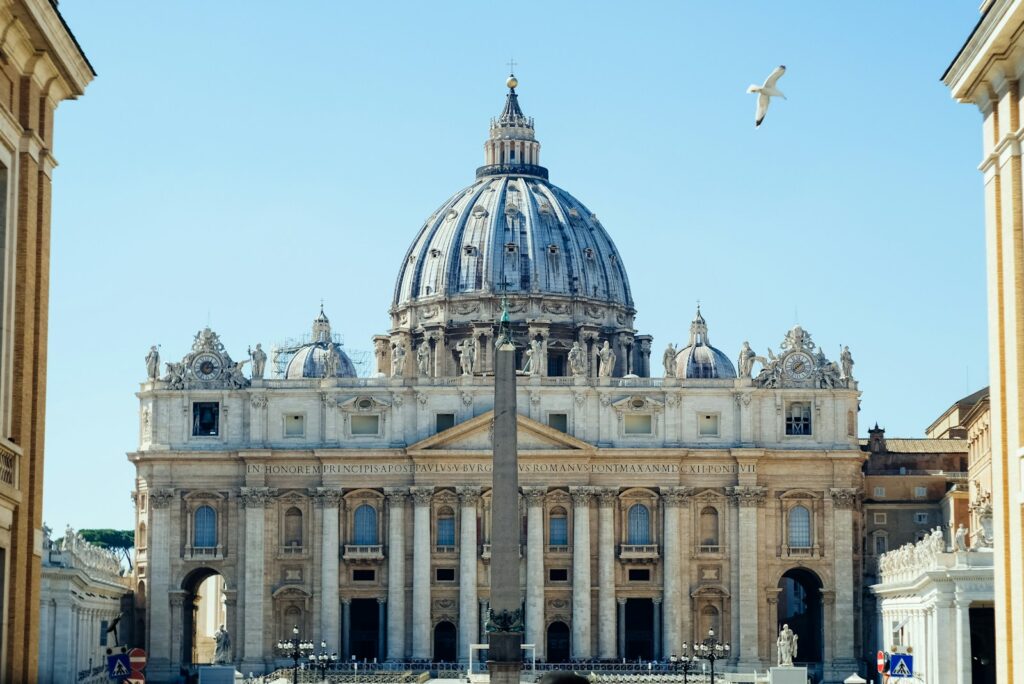
St Peter’s is the largest church in Christendom, built over the tomb of St Peter between 1506 and 1626, with Michelangelo’s dome, his Pietà in the first chapel on the right and Bernini’s bronze canopy over the high altar. Entry to the basilica is free, though you pass a security check in St Peter’s Square, and the queue is shortest around 7am.
The Jubilee ended in January 2026, so the Holy Door is sealed again until the next holy year. Climbing the dome is the highlight for many visitors: 551 steps in all, or 320 if you take the lift for the first section, ending on a narrow walkway around the lantern with a view straight down Via della Conciliazione. Dome tickets cost from about €17 for the stairs and about €22 with the lift, booked online in 2026; check the current price on the Vatican’s own site before you go.
The dress code is enforced: no bare shoulders, short shorts or short skirts. Allow an hour for the basilica and another hour for the dome. If you also want the Vatican Grottoes under the church, where many popes are buried, follow the signs from inside the basilica.
5. The Pantheon
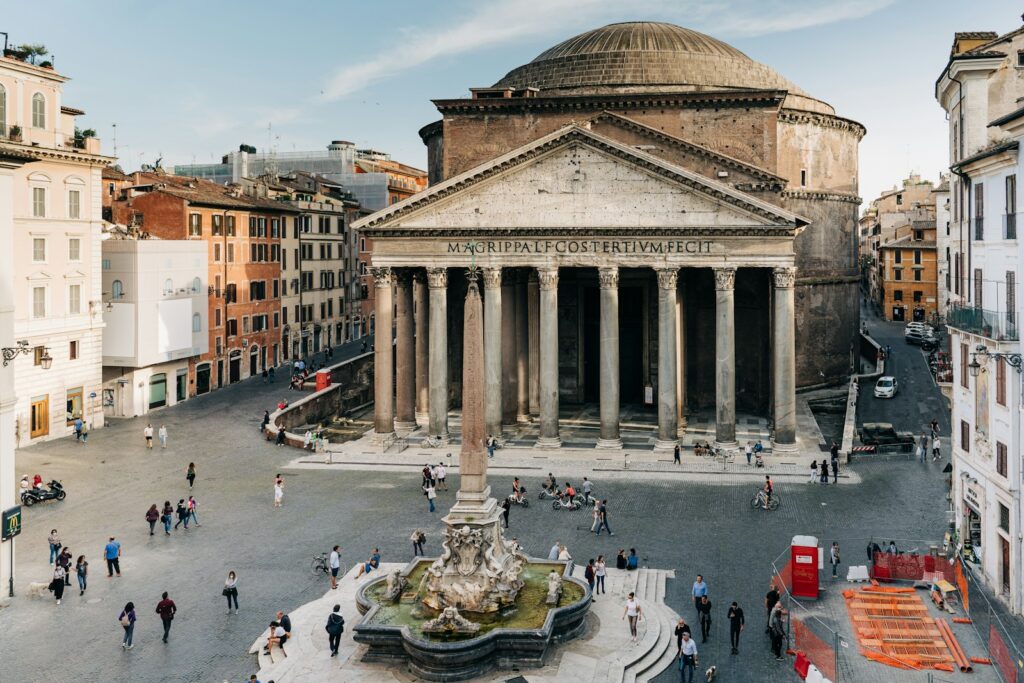
The Pantheon was rebuilt by Emperor Hadrian around 125 AD and is the best preserved building of ancient Rome, still in use as a church. Its concrete dome, open to the sky through an oculus about 9 metres wide, was the largest in the world for more than 1,300 years. Raphael is buried here, along with two kings of Italy.
Entry costs €7 (about £6 / $8) since 1 July 2026, up from €5, and is free for under 18s and on the first Sunday of the month. It is open daily from 9am to 7pm, with last entry at 6:30pm, and closed on 25 December and 1 January. Tickets are sold for timed slots through the Musei Italiani website or app, at the ticket office or from machines on site. The Pantheon is not included in the Roma Pass. Entry is also free for Mass, at 5pm on Saturdays and 10:30am on Sundays, when you attend the service rather than tour the building.
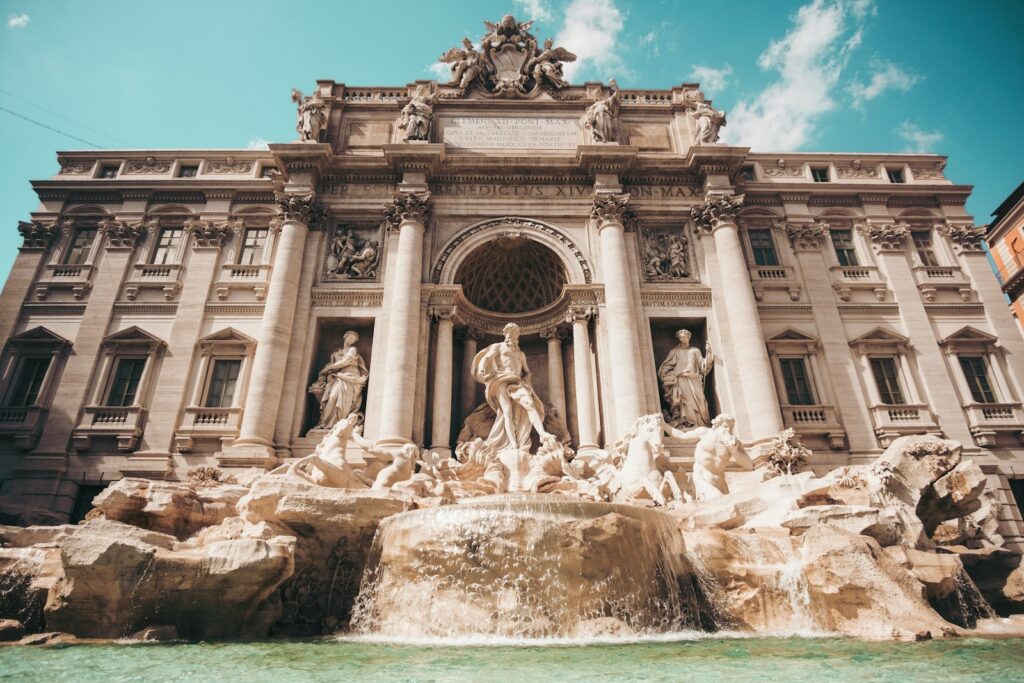
6. The Trevi Fountain: how the €2 fee works
The Trevi Fountain fee is €2 (about £1.75 / $2.30) to enter the basin area, the stepped space right in front of the water, from 9am to 10pm every day. It started on 2 February 2026, according to Turismo Roma, the city tourist board, and applies to tourists and non residents. Under 5s, Rome residents and people with disabilities with a carer go free.
You can buy the ticket on the official Trevi Fountain website, at civic museums and tourist information points, or at the entrance by card only (no cash). Outside those hours the basin area is free, which makes an early morning or late night visit the best way to see Nicola Salvi’s 18th century masterpiece without crowds. Throwing a coin over your left shoulder, with your right hand, is said to guarantee your return to Rome; the coins are collected for charity.
7. Piazza Navona and Campo de’ Fiori
Piazza Navona keeps the oval shape of Domitian’s stadium, which stood here in the first century AD. Bernini’s Fountain of the Four Rivers fills the centre, facing Borromini’s church of Sant’Agnese in Agone, and street artists set up around the edges. It is free and open at all hours, and from early December to 6 January it usually hosts Rome’s Christmas market.
Five minutes away, Campo de’ Fiori has a morning food and flower market from Monday to Saturday and turns into a busy drinking square at night. On the way, San Luigi dei Francesi has three Caravaggio paintings of St Matthew that you can see for free during opening hours.
8. The Spanish Steps and Piazza del Popolo
The 135 Spanish Steps link Piazza di Spagna with the church of Trinità dei Monti above. They are free to visit, but sitting on the steps is banned and municipal police can fine you, so take your photos standing. The Keats Shelley House sits at the bottom on the right.
From the top, walk along the Pincio terrace to the viewpoint over Piazza del Popolo, the huge oval square at the north gate of the old city. The church of Santa Maria del Popolo, on the square, has two more Caravaggios in the Cerasi Chapel and is free to enter.
9. Galleria Borghese and Villa Borghese
The Galleria Borghese is a small museum with one of the world’s great collections: Bernini’s Apollo and Daphne and The Rape of Proserpina, Canova’s reclining Pauline Borghese, and paintings by Caravaggio, Raphael and Titian. Numbers are strictly limited, so you must book a named, timed ticket.
According to the official Galleria Borghese site, a full ticket costs €18 (about £16 / $21), or €13 for the last slot of the day, and visits last up to two hours. It is open Tuesday to Sunday, 9am to 7pm, with last entry at 5:45pm, and closed on Mondays. On free first Sundays, tickets are released at noon ten days before. The Villa Borghese park around it is free, with a lake, rowing boats and the Pincio viewpoint.
10. The Capitoline Museums
On top of the Capitoline Hill, in Michelangelo’s Piazza del Campidoglio, the Capitoline Museums are the oldest public museums in the world. Highlights include the bronze She Wolf, the original equestrian statue of Marcus Aurelius and the giant fragments of a statue of Constantine. An underground passage leads to the Tabularium, with a framed view over the whole Roman Forum.
Admission for non residents is €15 (about £13 / $17), or €16.50 when a temporary exhibition is on, as it was in November 2026. Since February 2026, Rome’s civic museums are free for residents of the city and its metropolitan area. Allow two to three hours. The terrace café at the back has one of the best views in the centre.
11. Castel Sant’Angelo
Built as Hadrian’s mausoleum, later turned into a papal fortress connected to the Vatican by the raised Passetto di Borgo, Castel Sant’Angelo is now a museum of papal apartments, prisons and ramparts. The rooftop terrace, under the bronze angel, is the setting of the last act of Puccini’s Tosca and has a superb view of St Peter’s.
A full ticket costs €18 (about £16 / $21) since 1 July 2026. It is open Tuesday to Sunday from 9am to 7:30pm, last entry 6:30pm. On the first Monday of each month it opens in the afternoon from 2pm to 8pm with a special €5 ticket. Walk in across the Ponte Sant’Angelo, lined with Bernini’s angels.
12. Trastevere
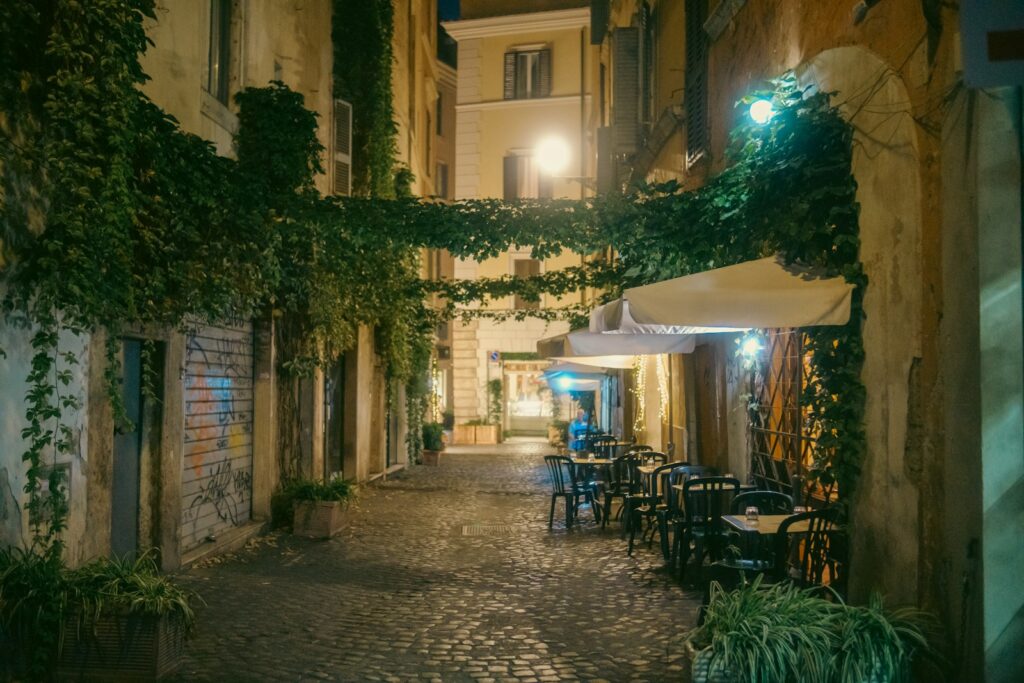
Trastevere, meaning “across the Tiber”, is the medieval quarter on the west bank, with ivy covered houses, cobbled lanes and dozens of trattorias. Visit the Basilica of Santa Maria in Trastevere for its 12th century gold mosaics (free), then wander the streets around Piazza di Santa Maria and Via della Lungaretta.
It is busiest in the evening, when it is the most popular area for dinner. For a quieter, more local feel, cross Viale di Trastevere to the streets around San Francesco a Ripa, or come for the Porta Portese flea market on Sunday mornings.
13. Janiculum Hill
The Janiculum, or Gianicolo, is the long ridge above Trastevere and the best free viewpoint in Rome, with almost every dome in the city spread out below. A cannon is fired from below the terrace at noon each day, a tradition dating from the 19th century. On the way up, the Fontana dell’Acqua Paola and the tiny Tempietto by Bramante at San Pietro in Montorio are both worth a stop.
It is about a 20 minute uphill walk from Trastevere, or take bus 115. Sunset here, with the light on the city, is one of the best free things to do in Rome.
14. The Appian Way and the catacombs
The Via Appia Antica, built from 312 BC, ran from Rome to Brindisi, and its first miles are now a regional park. Walk or cycle on the original basalt paving past tombs, umbrella pines and aqueduct ruins, ideally on a Sunday, when much of the road is closed to traffic.
Under the road lie the Christian catacombs, including San Callisto and San Sebastiano, which can be visited only on guided tours run by the catacombs themselves. The Appian Way is free to walk; catacomb tours charge a modest entry fee. Bus 118 runs from near the Circus Maximus, or join a tour with transport and bike hire.
15. Baths of Caracalla
The Baths of Caracalla, opened in 216 AD, could take around 1,600 bathers at a time, and their walls still rise more than 30 metres. Mosaic floors survive in places, and the open air setting is used for opera and ballet in summer. It is rarely crowded, which makes it a good counterpoint to the Forum.
Tickets cost €8 (about £7 / $9) in 2026, or €10 between 11 September 2026 and 10 January 2027 while a photography exhibition runs. It is closed on Mondays, and from late October to February it closes at 4:30pm. Buy tickets on the Musei Italiani portal or with a card at the entrance.
16. San Clemente: three layers of Rome
The Basilica of San Clemente, near the Colosseum, is the clearest way to understand how Rome was built in layers. The 12th century church at street level, with a glittering apse mosaic, sits on top of a fourth century church, which sits on a first century Roman house and a temple to the god Mithras. You can hear an underground stream running through the lowest level.
The upper church is free; there is a fee for the excavations below. Allow an hour, and note that it closes for a few hours at lunchtime.
17. The Aventine: the Orange Garden and the Keyhole
The Aventine is one of Rome’s quietest hills. The Giardino degli Aranci, or Orange Garden, has a terrace looking across the Tiber to St Peter’s, and a few minutes away, the keyhole in the door of the Knights of Malta priory frames St Peter’s dome perfectly at the end of a garden avenue. Both are free.
Expect a short queue at the keyhole. Combine the Aventine with the Baths of Caracalla and the Circus Maximus, which lies at the foot of the hill and is free to walk around.
18. Testaccio and a Roman food tour
Testaccio, south of the Aventine, is where Roman cooking was born, around the old slaughterhouse. Its covered market sells street food such as trapizzino, a pocket of pizza bread filled with Roman stews, and the area’s trattorias specialise in the four classic pastas: carbonara, cacio e pepe, amatriciana and gricia. A food tour is a good way to taste them and learn the rules, such as why there is never cream in carbonara.
Most food tours last three to four hours and cover the market, a deli, pizza al taglio and gelato. Book a few days ahead.
19. Domus Aurea: Nero’s Golden House
Nero built the Domus Aurea after the great fire of 64 AD, and later emperors buried it under the Baths of Trajan. Guided visits take you through vaulted rooms with traces of frescoes and use virtual reality headsets to show how the palace looked. The site is run by the Colosseum archaeological park and opens on Fridays, Saturdays and Sundays, with visits every 15 minutes from 9am to 4:30pm (last entry 3:30pm), and it is closed on the first Sunday of the month. Book through the official Colosseum ticketing site.
20. Monti and the Vittoriano terrace
Monti, between the Colosseum and Santa Maria Maggiore, was ancient Rome’s crowded Suburra district and is now a village of vintage shops, wine bars and the small square of Piazza della Madonna dei Monti. Walk it on the way to the Basilica of Santa Maria Maggiore, one of the four papal basilicas, with fifth century mosaics, which is free to enter.
The white Vittoriano monument on Piazza Venezia is loved and loathed in equal measure, but its upper terraces give a 360 degree view over the Forum and the centre. There is a ticket for the panoramic lift to the top terrace, so check the current price at the entrance.
Day trips from Rome
The best day trips from Rome are Ostia Antica for Roman ruins without the crowds, Tivoli for the fountains of Villa d’Este and Hadrian’s Villa, Pompeii for the most complete Roman town anywhere, and Florence or Orvieto by fast train. Ostia and Tivoli are half day trips; Pompeii and Florence need a full day.
Ostia Antica
Ancient Rome’s port is a whole excavated town of streets, apartment blocks, baths, a theatre and taverns with their counters still in place. Regional trains from Porta San Paolo station, next to Piramide metro, take about 30 minutes on a standard city ticket. According to the official site, the combined ticket costs €18 (about £16 / $21) and is valid for eight days. It is closed on Mondays and from late October to February closes at 4:30pm.
Tivoli: Villa d’Este and Hadrian’s Villa
Tivoli, about 30 km east of Rome, has two World Heritage Sites. Villa d’Este is a Renaissance garden of hundreds of fountains, cascades and water organs, and Hadrian’s Villa is the emperor’s sprawling country retreat. Villa d’Este costs €15 (about £13 / $17) on the official culture ministry listing, and is open Tuesday to Sunday from 8:30am and on Monday afternoons. Cotral buses and regional trains reach Tivoli in about an hour, but visiting both sites in a day is easiest on a tour.
Pompeii
Pompeii, buried by Vesuvius in 79 AD, is about two hours from Rome by high speed train to Naples and then the local Circumvesuviana line, or a long day on a coach tour. From 12 January 2026, the official site lists the basic Pompeii ticket at €20 (about £17 / $23), with Pompeii+ at €25. Start early: it is a 12 to 13 hour day.
Florence and Orvieto
High speed trains reach Florence in about 1 hour 30 minutes, which makes it a possible, if rushed, day trip; our guide to things to do in Florence covers the Duomo, Uffizi and David tickets if you want to make it an overnight stop instead. Orvieto, a hill town with a striking striped cathedral, is about an hour away by regional train and a calmer day out.
Things to do in Rome at night
The best things to do in Rome at night are dinner in Trastevere or Monti, a walk past the floodlit Trevi Fountain, Pantheon and Piazza Navona, the view from the Janiculum or the Pincio, an aperitivo near Campo de’ Fiori, and, in some seasons, a night visit to the Colosseum. The Trevi Fountain fee stops at 10pm, so a late visit is free.
Rome is a city for evening walking. The centro storico is lit and lively until late, and the riverside paths along the Tiber host bars and stalls in summer. The Colosseum archaeological park runs special evening visits in some months, and the Vatican Museums have opened on summer evenings in recent years; both are announced on their official sites, so check before you travel. For a quieter night, the Aventine and the Orange Garden are lovely at dusk.
Free things to do in Rome
Free things to do in Rome include St Peter’s Basilica, the Trevi Fountain outside 9am to 10pm, Piazza Navona, the Spanish Steps, the Janiculum and Pincio viewpoints, the Keyhole and Orange Garden, the Appian Way, and churches with Caravaggios and mosaics. State sites, including the Colosseum and Pantheon, are free on the first Sunday of the month.
- First Sundays: the Colosseum archaeological park, the Pantheon, the Galleria Borghese and Ostia Antica are among the state sites free on the first Sunday of each month. The Colosseum and Borghese still need a booking, and the Pantheon issues free tickets on site with no booking. The next dates are 6 December 2026 and 3 January 2027.
- Last Sunday at the Vatican: the Vatican Museums are free on the last Sunday of the month, 9am to 2pm, with long queues.
- Churches: Santa Maria Maggiore, Santa Maria in Trastevere, San Luigi dei Francesi, Santa Maria del Popolo and the upper church of San Clemente are all free.
- Parks and views: Villa Borghese, the Pincio terrace, the Janiculum and the Orange Garden cost nothing.
- Water: Rome’s public drinking fountains, the nasoni, run cold, clean water across the city, so carry a refillable bottle.
Things to do in Rome in winter
Rome in winter, from November to February, is quieter and cheaper, with daytime highs of around 12 to 15°C. Queues shrink at the Vatican and Colosseum, but the Colosseum and Forum close at 4:30pm, so start early. December brings the Piazza Navona Christmas market and nativity scenes in churches across the city.
Key winter dates: 8 December, the Feast of the Immaculate Conception, is a public holiday when the pope traditionally visits the column near the Spanish Steps; a giant tree and nativity scene stand in St Peter’s Square through Christmas; and the Befana market in Piazza Navona runs until 6 January. Many state sites close on 25 December and 1 January. For other festive cities to combine with Rome, see our guide to the best Christmas markets in Europe.
Pack an umbrella: November and December are among the wettest months. Winter is also the best time for indoor highlights such as the Vatican Museums, the Galleria Borghese and the Capitoline Museums, which are much calmer than in spring.
Is the Roma Pass worth it?
The Roma Pass covers public transport and gives free entry to one or two museums plus discounts on others, but it does not include the Vatican Museums, St Peter’s or the Pantheon, and you still need to book Colosseum and Borghese slots separately. Check the current price and rules on the official Roma Pass site, then add up the sites you plan to visit; for most first time visitors who focus on the Colosseum, Vatican and Pantheon, buying single tickets plus a 48 or 72 hour transport pass works out simpler.
What to skip or think twice about
Skip restaurants with picture menus and staff touting outside near the Pantheon, Trevi Fountain and Vatican; walk five minutes away for better food at lower prices. Be wary of unofficial sellers outside the Colosseum offering to help you skip the queue, and of anyone dressed as a gladiator who poses for photos and then asks for money.
Do not try Pompeii and the Amalfi Coast together in one day from Rome; it means more than eight hours on a coach. And avoid driving into the centre: the limited traffic zone is camera controlled and fines follow you home.
How much do things cost in Rome?
| Item | Price (Nov 2026) | Approx GBP / USD |
|---|---|---|
| Colosseum, Forum and Palatine (24 hours) | €18 including booking fee | £16 / $21 |
| Colosseum Full Experience | €24 | £21 / $28 |
| Vatican Museums, booked online | €25 | £22 / $29 |
| St Peter’s dome climb, stairs | about €17 | about £15 / $20 |
| Pantheon | €7 | £6 / $8 |
| Trevi Fountain basin | €2 | £1.75 / $2.30 |
| Galleria Borghese | €18 | £16 / $21 |
| Castel Sant’Angelo | €18 | £16 / $21 |
| Capitoline Museums (non residents) | €15 to €16.50 | £13 to £14 / $17 to $19 |
| Baths of Caracalla | €8 to €10 | £7 to £9 / $9 to $12 |
| Metro or bus ticket (100 minutes) | €1.50 | £1.30 / $1.75 |
| 24 / 48 / 72 hour transport pass | €8.50 / €15 / €22 | £7.40 / £13 / £19 |
| Leonardo Express to Fiumicino | €14 | £12 / $16 |
| Tourist tax, 4 star hotel, per person per night | about €7.50 | about £6.50 / $8.70 |
Rome tourist tax in 2026
Rome charges a tourist tax, the contributo di soggiorno, per person per night for the first 10 nights of a stay, paid to your hotel or host. The rates set in October 2023 still applied in November 2026: €10 in 5 star hotels, about €7.50 in 4 star hotels, €6 in 3 star hotels, €6 in B&Bs and most holiday rentals, and €3.50 in hostels. Children under 10 are exempt. Italian cities were given room to raise the tax in 2026 and Rome could follow, so check the amount on your booking confirmation.
Getting to and around Rome
From the airport
Rome has two airports. From Fiumicino (Leonardo da Vinci), the Leonardo Express train runs nonstop to Roma Termini in 32 minutes, every 15 minutes, for €14 (about £12 / $16), and one child aged 4 to 11 travels free with each paying adult, according to Trenitalia. Cheaper regional trains go to Trastevere and Ostiense. Taxis charge a fixed fare to the historic centre inside the Aurelian walls; use the official white taxis at the rank.
Ciampino, used by some low cost airlines, has no train station; shuttle buses run to Termini in about 40 minutes.
Getting around
Walk where you can. Rome’s metro has three lines, but only lines A and B serve the main sights (Spagna, Ottaviano for the Vatican, Colosseo and Circo Massimo); buses and trams fill the gaps. A BIT ticket costs €1.50 (about £1.30 / $1.75) and is valid for 100 minutes, with one metro ride. According to ATAC, the 24, 48 and 72 hour passes cost €8.50, €15 and €22, and you can tap a contactless bank card at the metro gates and on many buses instead of buying a paper ticket.
Rome for UK and US travellers
Entry rules
UK and US passport holders do not need a visa for Italy for tourist stays of up to 90 days in any 180 day period across the Schengen area. Days in France, Spain or Greece on the same trip count towards the same total.
The EU Entry/Exit System (EES) has been fully live since 10 April 2026, so on your first entry you give fingerprints and a facial photo at the border instead of getting a passport stamp; allow extra time at Fiumicino passport control. ETIAS, the €20 online travel authorisation, was still not in operation in November 2026, and the European Commission says it will announce the start date several months in advance. Our EES and ETIAS guide explains both.
UK passports must have been issued less than 10 years before the day you arrive and be valid for at least three months after the day you plan to leave; check the UK government’s Italy entry requirements page before you travel. US passports should also be valid for at least three months beyond your departure date. Vatican City has no border controls; you walk straight in from Italy.
Flights from the UK and US
- From London: direct flights to Rome Fiumicino or Ciampino take about 2 hours 20 minutes to 2 hours 40 minutes from Heathrow, Gatwick, Stansted and Luton, with British Airways, ITA Airways, easyJet, Ryanair and others. If you are flying low cost, check our Ryanair cabin bag size guide before you pack.
- From Manchester: direct flights take about 2 hours 45 minutes to 3 hours, mainly with low cost airlines; schedules are busier in summer.
- From New York: nonstop flights from JFK and Newark to Fiumicino take about 8 hours 30 minutes eastbound and around 10 hours back. Other US gateways with nonstop flights, many of them seasonal, include Boston, Chicago, Washington Dulles, Philadelphia, Atlanta, Miami and Dallas; from the West Coast, most travellers connect.
Health cover, money, plugs and time
UK travellers should carry a GHIC for state healthcare in Italy (see our GHIC card guide), plus travel insurance; US visitors need travel insurance with medical cover. Italy uses the euro, and cards and contactless are widely accepted, though small bars and market stalls may prefer cash.
Italy uses Type C, F and L sockets at 230V. UK and US plugs will not fit, so pack a European adapter; most phone and laptop chargers handle the voltage, but check US hair dryers and straighteners. Rome is one hour ahead of London and six hours ahead of New York for most of the year.
Tipping
Tipping is not expected in the way it is in the US. Many restaurants add a cover charge, the coperto, of a few euros per person, and some add a service charge, which will be shown on the bill. Rounding up or leaving a few euros for good service is plenty. Americans used to 20% should not feel obliged to tip on that scale, and UK visitors will find habits similar to home.
Driving and the ZTL
Italy drives on the right. UK photocard licence holders can drive with their licence; US licence holders should carry an International Driving Permit alongside their state licence. Do not drive into central Rome: the historic centre and Trastevere are ZTL limited traffic zones, controlled by cameras at the entrances, and rental companies pass on the fine with an extra admin fee. Use a car only for day trips, and pick it up outside the centre.
Our picks
- Best single experience: the Colosseum underground on a Full Experience ticket, booked the day tickets are released.
- Best art: the Galleria Borghese, for Bernini at close range in a two hour slot.
- Best free view: the Janiculum at sunset, or the Keyhole on the Aventine.
- Best area to wander: Trastevere by day, Monti by night.
- Best half day trip: Ostia Antica, for a Roman town with a fraction of the crowds.
Frequently asked questions
What fun things are there to do in Rome?
Fun things to do in Rome include standing on the Colosseum’s arena floor, climbing St Peter’s dome, a pasta making class, a food tour of Testaccio, cycling the Appian Way, peeking through the Knights of Malta keyhole, hearing the noon cannon on the Janiculum and an evening of gelato and people watching in Piazza Navona.
Is 3 days enough to visit Rome?
Yes, three days is enough for a first visit to Rome’s highlights: one day for the Colosseum, Forum and Palatine, one for the Vatican Museums and St Peter’s, and one for the Pantheon, Trevi Fountain, Piazza Navona, the Borghese and Trastevere. With four or five days you can add the Appian Way and a day trip.
What food is Rome known for?
Rome is known for four pasta dishes: carbonara, cacio e pepe, amatriciana and gricia. Also try supplì (fried rice balls), carciofi alla romana and carciofi alla giudia (artichokes, best in spring), saltimbocca, pizza al taglio sold by weight, thin and crisp Roman pizza, trapizzino and maritozzi, cream filled buns for breakfast.
Do and don’ts in Rome?
Do book timed tickets ahead, carry a refillable bottle for the nasoni fountains, cover shoulders and knees in churches and validate paper transport tickets. Don’t sit on the Spanish Steps, paddle in fountains, eat on monument steps, drive into the ZTL or accept help from people at ticket machines or the Colosseum queue.
What to be careful of in Rome?
Be careful of pickpockets on crowded buses (especially route 64 to the Vatican), on the metro and around Termini, the Trevi Fountain and the Colosseum. Watch for unofficial ticket sellers and costumed characters asking for money, check restaurant bills for unexpected items, and use only official white taxis with a meter.
Are jeans ok in Rome?
Yes, jeans are fine in Rome all year and are what many Romans wear. They are also acceptable in churches and the Vatican, where the rule is simply to cover shoulders and knees. In summer, light trousers or a long skirt are cooler, and you can carry a scarf to cover your shoulders for church visits.
What not to wear in Italy as an American?
There is no formal dress code, but avoid very short shorts, tank tops and flip flops if you plan to visit churches, the Vatican or the Pantheon, because guards will turn you away. Comfortable closed shoes are best for cobbles. Athletic wear and baseball caps are not banned, but smart casual clothes help you blend in at dinner.
Is $5000 enough for a trip to Italy?
For one person, $5,000 is usually enough for a week to 10 days in Italy at mid range level, including return flights from the US, as long as you avoid peak summer luxury hotels. Accommodation is the biggest cost; museum tickets in Rome are modest, most between €7 and €25, and many of the best sights are free.
Plan the rest of your trip
Rome works well with a few nights in Tuscany; our Florence guide has the latest Uffizi, Accademia and Duomo booking rules. For the border, read our EES and ETIAS explainer, and UK readers should pack a GHIC. If you are travelling in December, our Christmas markets list suggests other cities to pair with Rome. Browse every guide in our Rome travel guides section, or see all our Italy travel guides.
Whatever you choose from these things to do in Rome, book the Colosseum and Vatican first, then leave time to wander: some of the city’s best moments are the ones you find between the sights.