
!DISCLOSURE
Many travellers treat Lima as a stopover on the way to Cusco and Machu Picchu, but Peru’s capital deserves at least two or three days of its own. Founded by the Spanish in 1535 as the City of Kings, Lima has a historic centre listed by UNESCO, adobe pyramids that are older than the Incas, clifftop parks above the Pacific and one of the most exciting food scenes in the world, from street ceviche to restaurants regularly ranked among the best on the planet.
This guide covers the 25 best things to do in Lima, grouped by area, with how to get there, how long to allow and what each costs in late 2026. We also answer whether Lima is worth visiting, what else to do in Peru besides Machu Picchu, Peru’s most famous traditions, how to say hi in Peru, safety advice for British visitors and where to stay.
Things to do in Lima at a glance
| Attraction | Area | Time needed | Cost from |
|---|---|---|---|
| Plaza Mayor and Cathedral | Historic centre | 1 to 2 hours | Free, cathedral fee |
| San Francisco Monastery and catacombs | Historic centre | 1 hour | Entry fee |
| Museo Larco | Pueblo Libre | 2 hours | 50 soles |
| Huaca Pucllana | Miraflores | 1 hour | 15 soles |
| Malecón and Parque del Amor | Miraflores | 1 to 2 hours | Free |
| Barranco and the Bridge of Sighs | Barranco | Half a day | Free |
| Magic Water Circuit | Central Lima | 1 to 2 hours | Small entry fee |
| Food tour or cooking class | Various | 3 to 4 hours | Tour price |
| Pachacamac | 31 km south | Half a day | Entry fee |
| Palomino Islands | Off Callao | Half a day | Boat trip price |
Is Lima worth visiting in Peru?
Yes. Lima is worth at least two full days, and more if you love food. It has the country’s best museums for understanding Peru’s ancient cultures, a colonial centre with grand churches and balconies, lively clifftop districts such as Miraflores and Barranco, and restaurants that draw food lovers from around the world. It is also the main international gateway, so most trips to Peru start or end here anyway. The main drawbacks are heavy traffic and the grey sea mist (garúa) that covers the city for much of the year, but neither should stop you from exploring.
What is there to do in Lima, Peru?
In short: explore the historic centre and its catacombs, see pre Inca treasures at Museo Larco, climb an adobe pyramid in Miraflores, walk the clifftop Malecón, wander the art filled streets of Barranco, watch the fountains at the Magic Water Circuit, and above all eat. Ceviche, pisco sours, Chinese Peruvian chifa and Japanese Peruvian Nikkei cooking are all must tries. The full list is below.
Getting around Lima
Lima is huge and its traffic is notorious, so plan your days by area. Most visitors stay in Miraflores or Barranco and travel to the historic centre for a day. The Metropolitano rapid bus runs along its own lane between Barranco, Miraflores and the centre, and is quicker than a taxi at rush hour. You need a rechargeable card, sold at stations.
For door to door journeys, use a ride hailing app or a taxi booked through your hotel. The FCDO advises against hailing taxis in the street and warns that express kidnappings often involve criminals posing as taxi drivers, usually at night. From the airport, use the official taxi desks or a prebooked transfer.
Historic centre
1. Explore the Plaza Mayor
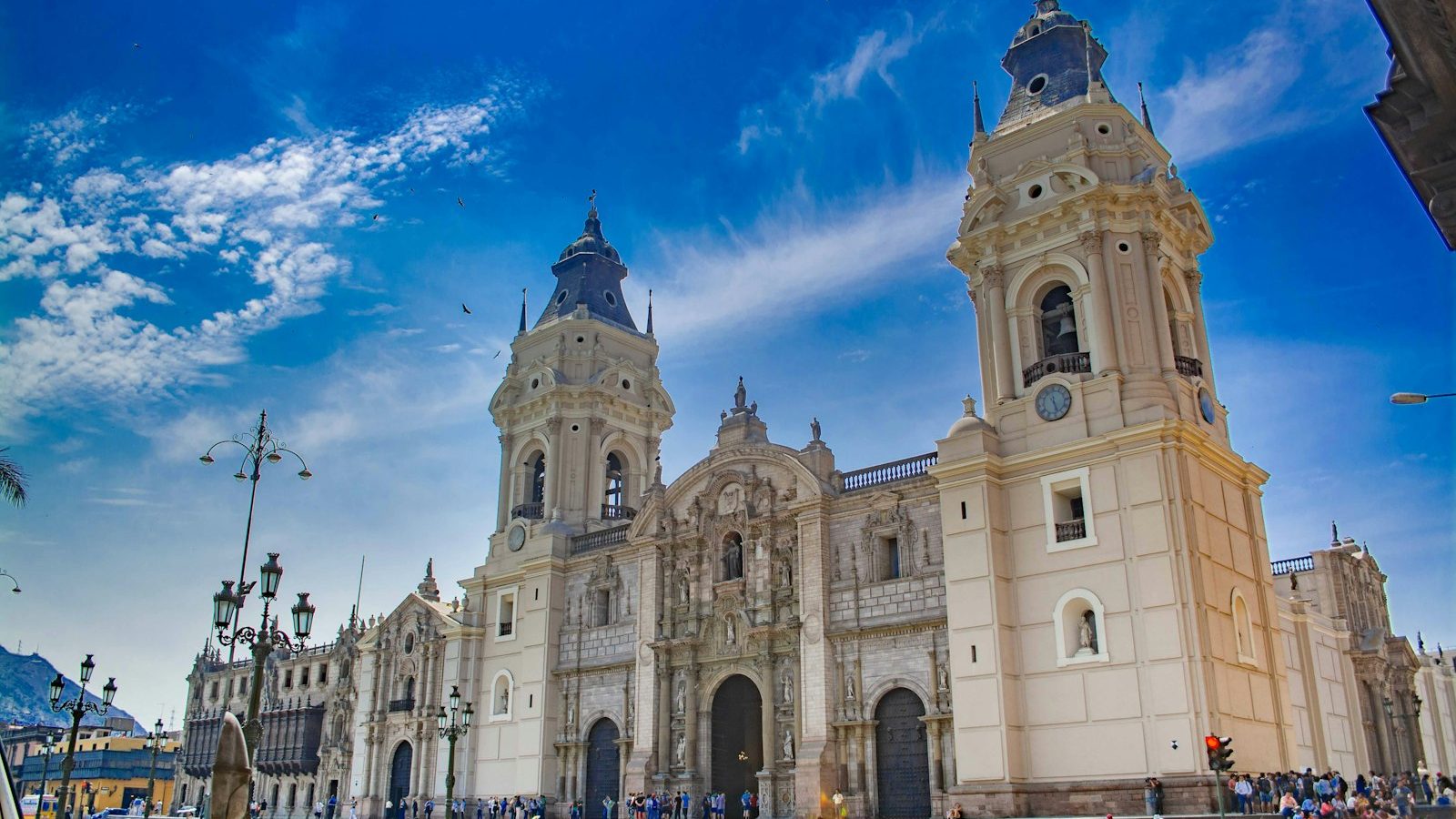
The Plaza Mayor (also called Plaza de Armas) is where Francisco Pizarro founded Lima in 1535. Around the square stand the Government Palace, where the changing of the guard takes place around midday, the Archbishop’s Palace with its carved wooden balconies, the Municipal Palace and Lima Cathedral. The historic centre as a whole is a UNESCO World Heritage Site.
- **Getting there:** take the Metropolitano to the Jirón de la Unión or Colmena stations, or a taxi from Miraflores in about 30 to 45 minutes, depending on traffic.
- **Time needed:** 1 to 2 hours, or a full day for the whole centre.
- **Tip:** join a walking tour, as guides bring the history to life and help you navigate the busy streets.
2. Visit Lima Cathedral
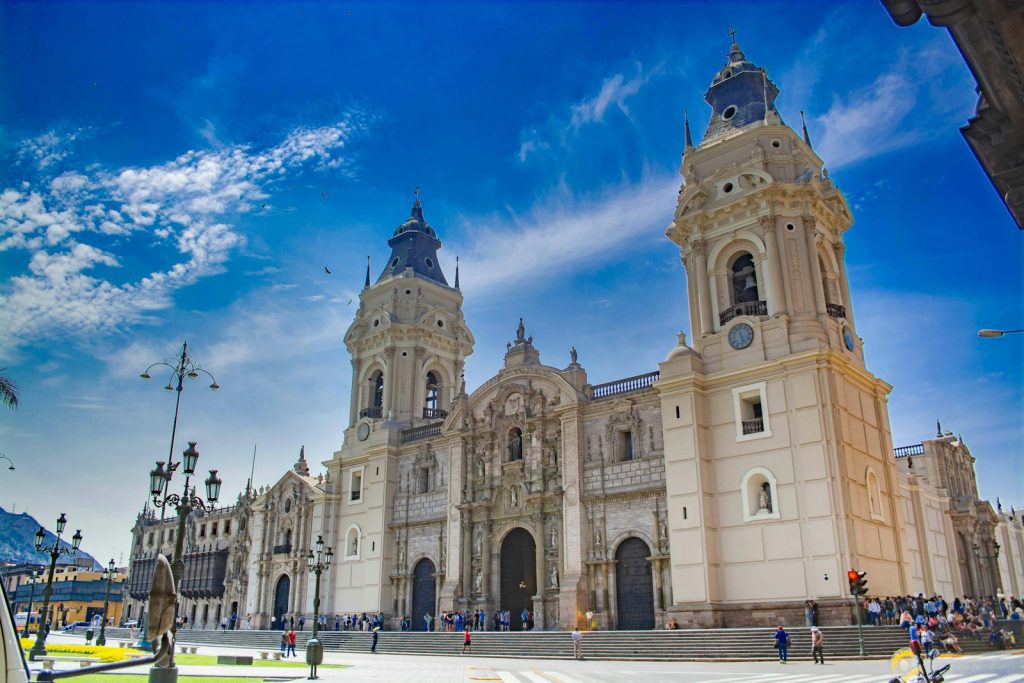
The cathedral was rebuilt several times after earthquakes, and its current form dates mainly from the 18th century. Inside, a chapel holds the tomb of Pizarro, and the religious art museum has a fine collection of colonial paintings. There is an entry fee.
3. See the catacombs of San Francisco Monastery
The Basilica and Convent of San Francisco is one of the finest colonial buildings in South America, with a beautiful library and cloisters lined with tiles from Seville. The highlight is the catacombs below, where the bones of thousands of people are arranged in patterns in the crypts. Visits are by guided tour only, and photos are not allowed inside.
4. Visit Santo Domingo and the Casa de Aliaga
The Basilica and Convent of Santo Domingo holds the remains of Saint Rose of Lima and Saint Martin de Porres, two of Latin America’s most important saints. Nearby, the Casa de Aliaga is a colonial mansion that has belonged to the same family since the 16th century and can be visited with a booked tour.
5. Walk Jirón de la Unión to Plaza San Martín
This pedestrian street links the Plaza Mayor with Plaza San Martín, a grand square surrounded by early 20th century buildings, including the Gran Hotel Bolívar, famous for its pisco sours. Keep your belongings close, as the street is crowded.
6. Eat chifa in Barrio Chino
Lima’s Chinatown, just east of the centre, is one of the oldest in the Americas. Chinese immigrants who arrived in the 19th century created chifa, a mix of Cantonese and Peruvian cooking that is now part of everyday Lima life. Order lomo saltado or arroz chaufa (fried rice).
Pueblo Libre and central Lima
7. See ancient Peru at Museo Larco
Museo Larco holds one of the most important private collections of pre Columbian art in the world, displayed in an 18th century mansion built over a 7th century pyramid, with gardens covered in bougainvillaea. The collection covers 5,000 years of history, from gold and silver ornaments to Moche pottery, and the visitable storerooms hold thousands more pieces. A separate gallery shows ancient erotic pottery.
- **Cost:** 50 soles (45 soles online), November 2026.
- **Time needed:** 2 hours, plus lunch at the excellent garden café.
- **Getting there:** take a taxi to Pueblo Libre, about 20 to 30 minutes from Miraflores.
8. Visit MALI, the Lima Art Museum
The Museo de Arte de Lima, in a grand 19th century building in the Parque de la Exposición, traces 3,000 years of Peruvian art, from ancient textiles to colonial painting and modern works. It is a good companion to Museo Larco.
9. Watch the Magic Water Circuit
The Circuito Mágico del Agua in the Parque de la Reserva is a park of illuminated fountains, holding a Guinness World Record as the largest fountain complex in the world. In the evening, the fountains are set to music with light and laser shows, and some fountains invite you to walk through or play in the water. Entry costs a few soles, and it is popular with families.
- **Tip:** go after dark, and check the opening days and show times before you go. Take a taxi there and back.
10. Visit the LUM
The Lugar de la Memoria, la Tolerancia y la Inclusión Social (LUM) is a moving museum on the cliffs of Miraflores about the period of political violence in Peru between 1980 and 2000. It is free and helps explain modern Peru.
Miraflores
11. Climb Huaca Pucllana
In the middle of the modern streets of Miraflores rises Huaca Pucllana, a great adobe pyramid built by the Lima culture between about 450 and 650 AD, centuries before the Incas. Guided tours lead you up the terraces and past excavations, and a small museum shows finds from the site. The restaurant next door is lovely for dinner, with the pyramid lit up at night.
- **Cost:** 15 soles. Open daily except Tuesday.
- **Time needed:** about 1 hour.
12. Walk the Malecón and visit Parque del Amor
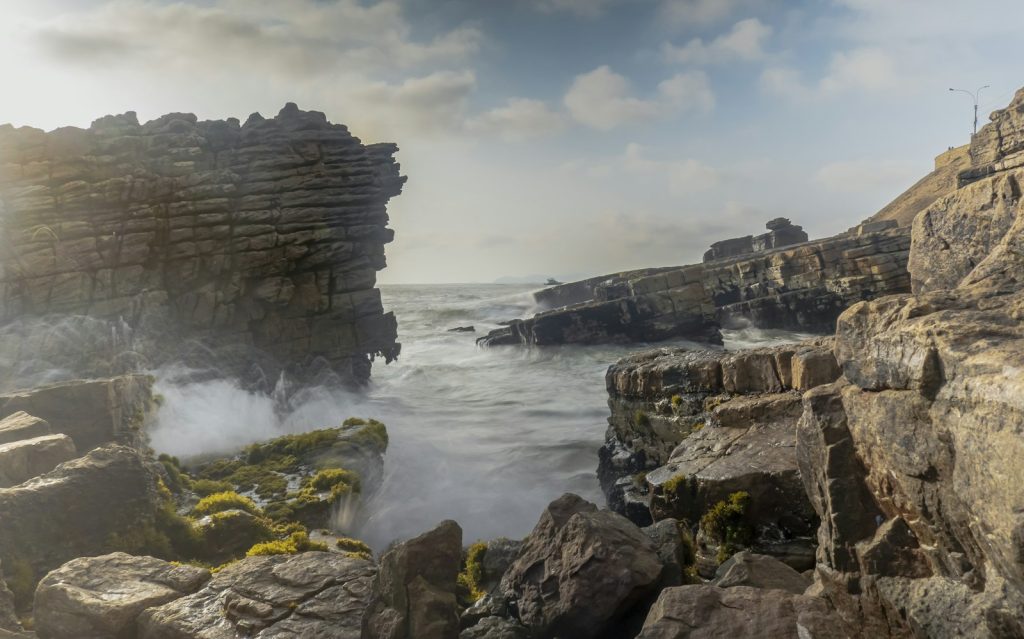
The Malecón is a series of clifftop parks and paths running for several kilometres above the Pacific, from Miraflores towards Barranco. Along the way, the Parque del Amor (Love Park) has a huge sculpture of a kissing couple by Víctor Delfín and walls covered in colourful mosaics with love poems, inspired by Gaudí’s Park Güell. It is free and best at sunset.
13. Go paragliding over the coast
From the Parque Raimondi on the Malecón, tandem paragliding flights soar along the cliffs, with views over the ocean and the city. Flights last 10 to 15 minutes and depend on the wind, so go in the early afternoon and be ready to wait.
14. See the cats of Parque Kennedy
Parque Kennedy, the heart of Miraflores, is famous for its resident cats, cared for by volunteers. The park is surrounded by cafés, bars and restaurants, and there are often craft stalls and live music in the evenings.
15. Visit Larcomar
Larcomar is a shopping centre built into the cliffs, with restaurants, bars and a cinema looking out over the Pacific. It is a convenient spot for a drink with a view.
Barranco
16. Cross the Bridge of Sighs
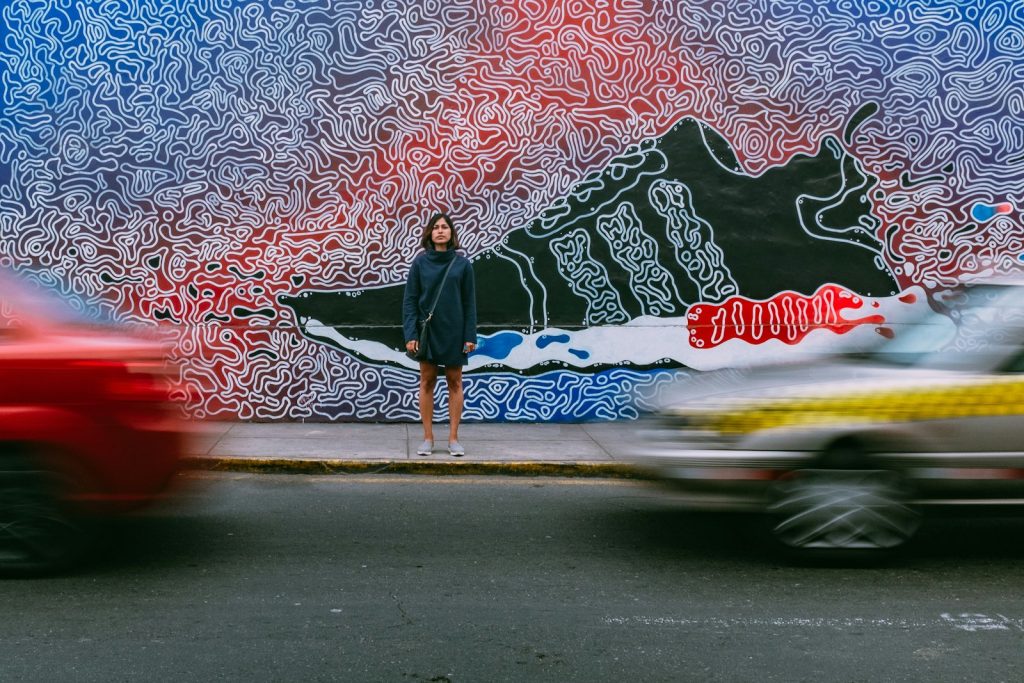
Barranco is Lima’s bohemian district, full of colourful mansions, street art, galleries and bars. The wooden Puente de los Suspiros (Bridge of Sighs) is its most famous landmark. Local legend says that if you hold your breath while crossing for the first time, your wish will come true. Walk down the steps below it to reach the beach.
17. See art at MAC, MATE and Pedro de Osma
Barranco has three excellent museums. MAC Lima shows contemporary art in a modern building, MATE is the museum of the Peruvian photographer Mario Testino, and the Museo Pedro de Osma has a beautiful collection of colonial art and silverware in a historic mansion.
18. Enjoy Barranco’s nightlife
Barranco comes alive at night, with bars, peñas (venues for traditional Peruvian music) and live music. Try a pisco sour or a chilcano, a pisco drink made with ginger ale and lime. Take a taxi between districts after dark.
Eating in Lima
19. Eat ceviche at lunchtime
Ceviche is Peru’s national dish: raw fish marinated in lime juice with chilli, onion and salt, usually served with sweet potato and corn. In Lima it is traditionally eaten at lunchtime, when the fish is freshest, at cevicherías that often close by late afternoon. Also try tiradito, a sliced fish dish with a spicy sauce, and leche de tigre, the citrus marinade served as a drink.
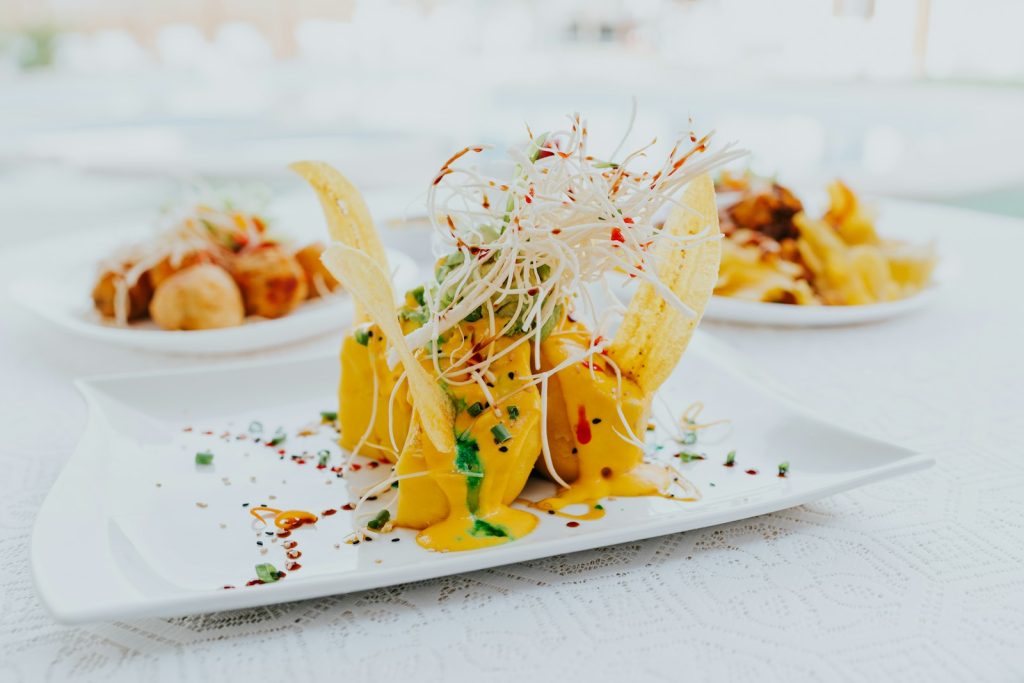
20. Book a fine dining tasting menu
Lima has several restaurants that regularly appear on the World’s 50 Best Restaurants list, including Central, led by Virgilio Martínez, which takes diners through Peru’s ecosystems by altitude, and Maido, known for its Nikkei cooking. Book many weeks in advance. For less formal meals, many top chefs also run cheaper casual restaurants.
21. Take a food tour or cooking class
A food tour is one of the best ways to understand Lima. Most combine a visit to a local market, such as Surquillo Market in Miraflores, with tastings of tropical fruits, ceviche, anticuchos (grilled skewers) and pisco. Cooking classes teach you how to make ceviche and a pisco sour yourself.
Day trips from Lima
22. Visit the Pachacamac ruins
Pachacamac, about 31 kilometres south of the city, was one of the most important religious centres on the coast for more than 1,000 years, used by several cultures and later by the Incas. The site includes adobe temples and pyramids, and a modern museum. Allow half a day with transport.
23. Swim with sea lions at the Palomino Islands
Boat trips leave from Callao, Lima’s port, to the Palomino Islands, home to thousands of sea lions. On calm days you can put on a wetsuit and swim with them. The trip also passes seabird colonies and islands off the coast. Book with a licensed operator, and go with a tour that includes transport through Callao.
24. See Real Felipe Fortress in Callao
The Fortaleza del Real Felipe is a huge 18th century Spanish fortress built to defend the port from pirates. It is now a military museum. Visit with a tour or take a taxi directly there and back.
25. Take a day trip to Paracas and Huacachina
About three and a half to four hours south of Lima, Paracas is the starting point for boat trips to the Ballestas Islands, sometimes called the poor man’s Galápagos, with sea lions, Humboldt penguins and huge seabird colonies. Nearby, the desert oasis of Huacachina is famous for dune buggy rides and sandboarding. It is possible as a very long day trip, but much better with a night away.
What else to do in Peru besides Machu Picchu?
Peru has far more to offer than its most famous site. Popular highlights include:
- **Cusco and the Sacred Valley:** the former Inca capital, with colonial streets, Inca walls and nearby ruins such as Sacsayhuamán, Pisac and Ollantaytambo.
- **Rainbow Mountain:** a striped mountain at about 5,000 metres, reached on a day trip from Cusco.
- **Lake Titicaca:** the highest navigable lake in the world, with the floating islands of the Uros people near Puno.
- **Arequipa and Colca Canyon:** a white stone colonial city and one of the deepest canyons in the world, famous for its condors.
- **Nazca Lines:** giant ancient drawings in the desert, best seen on a scenic flight.
- **The Amazon:** rainforest lodges near Iquitos or Puerto Maldonado for wildlife and river trips.
- **Huaraz:** the base for trekking in the Cordillera Blanca, with turquoise lakes and snowy peaks.
Read our guide to Machu Picchu tours to plan the most famous part of your trip.
What is Peru’s most famous tradition?
Peru’s most famous tradition is Inti Raymi, the Inca Festival of the Sun, held every 24 June at the fortress of Sacsayhuamán above Cusco to mark the winter solstice. In Lima, the biggest tradition is the procession of the Señor de los Milagros (Lord of Miracles) in October, when huge crowds dressed in purple follow an image of Christ through the streets. Other well known traditions include sharing a pisco sour, eating ceviche at lunchtime, the Peruvian Paso horse and Candelaria in Puno, a festival of dance and music in February.
How do you say “hi” in Peru?
The most common way to say hi in Peru is “hola”. People also use “buenos días” (good morning), “buenas tardes” (good afternoon) and “buenas noches” (good evening) when they enter a shop or greet someone. Friends often greet each other with a kiss on the right cheek. In the Andes, many people speak Quechua, where a common greeting is “allillanchu”, meaning roughly “are you well?” Locals appreciate visitors who make the effort.
Why do Peruvians have such diverse heritage?
Peru’s people reflect a long and varied history. Many Peruvians have Indigenous Andean or Amazonian roots, from Quechua and Aymara communities whose ancestors lived in the region for thousands of years. Spanish colonisation from the 16th century brought European ancestry, while Africans were brought to the coast during the colonial period. From the 19th century, large numbers of Chinese and Japanese immigrants arrived, and later Italian and other European settlers. The result is a country with a rich mix of cultures, faces, languages and food, and the variety you see is part of what makes Peru so interesting.
Safety in Lima
Most visits to Lima are trouble free, but street crime is common. Based on FCDO advice:
- **Street crime:** be alert in public places and at cash machines, avoid quiet areas at night and keep phones and cameras out of sight in the historic centre.
- **Taxis:** use app taxis or licensed taxis booked by phone or by your hotel. Don’t hail taxis in the street, especially at night.
- **Drinks:** buy your own drinks and keep them in sight.
- **Protests:** demonstrations can escalate quickly and cause road closures. Avoid them, as it is illegal for foreigners to take part in political activity in Peru.
- **Areas:** Miraflores, Barranco and San Isidro are the safest areas for visitors. Visit the historic centre by day, and Callao with a tour.
How much does a trip to Lima cost?
| Item | Typical cost (late 2026) |
|---|---|
| Museo Larco | 50 soles |
| Huaca Pucllana | 15 soles |
| Ceviche at a local cevichería | 30 to 60 soles |
| Pisco sour | 25 to 45 soles |
| Tasting menu at a top restaurant | £150 to £300 per person |
| App taxi, Miraflores to the centre | 20 to 35 soles |
| Mid range hotel in Miraflores | £60 to £120 a night |
Sample 3 day Lima itinerary
- **Day 1:** historic centre walking tour, the Plaza Mayor, the Cathedral and San Francisco catacombs, lunch in Barrio Chino, then the Magic Water Circuit after dark.
- **Day 2:** Museo Larco in the morning with lunch in the garden café, then Huaca Pucllana and a sunset walk on the Malecón and Parque del Amor.
- **Day 3:** a food and market tour in the morning, ceviche for lunch, then an afternoon and evening in Barranco.
Where to stay in Lima
- **Miraflores:** the most popular area for visitors, safe, central and full of hotels, restaurants and clifftop parks.
- **Barranco:** smaller and more bohemian, with boutique hotels, art and nightlife.
- **San Isidro:** the business district, quieter, with good hotels and green parks.
- **Historic centre:** convenient for sightseeing and cheaper, but quieter and less safe at night.
Entry requirements for British visitors
British citizens do not need a visa to visit Peru as tourists. The border officer decides how many days you are given, so ask for enough to cover your trip. Your passport should be valid for at least six months from the date you arrive. Always check the latest FCDO entry requirements before you travel.
When is the best time to visit Lima?
Lima has a mild desert climate with almost no rain. The sunniest months are December to April, the southern summer, when the beaches fill up. From May to November, the sky is often grey and misty with the garúa, but temperatures stay mild. Many visitors pass through Lima between May and October on their way to Cusco and Machu Picchu, which are best in the dry season.
Our picks
- **Best museum:** Museo Larco.
- **Best free thing to do:** sunset on the Malecón and Parque del Amor.
- **Best area to explore:** Barranco.
- **Best food experience:** ceviche for lunch, followed by a food tour.
- **Best day trip:** Paracas and the Ballestas Islands, with a night away.
Frequently asked questions
What is there to do in Lima, Peru?
Explore the historic centre and San Francisco catacombs, visit Museo Larco and Huaca Pucllana, walk the Malecón in Miraflores, wander Barranco, watch the Magic Water Circuit and eat ceviche, chifa and Nikkei food.
What else is there to do in Peru besides Machu Picchu?
Visit Cusco and the Sacred Valley, Rainbow Mountain, Lake Titicaca, Arequipa and Colca Canyon, the Nazca Lines, Paracas, the Amazon and the mountains around Huaraz.
Is Lima worth visiting in Peru?
Yes. Lima has Peru’s best museums, a UNESCO listed historic centre, clifftop districts and a world class food scene. Two or three days is ideal.
What is Peru’s most famous tradition?
Inti Raymi, the Inca Festival of the Sun held in Cusco every 24 June, is the most famous. In Lima, the Señor de los Milagros procession in October is the biggest.
How do you say “hi” in Peru?
Say “hola”, or “buenos días”, “buenas tardes” or “buenas noches” depending on the time of day. In Quechua, a common greeting is “allillanchu”.
Why do Peruvians look so diverse?
Peru’s population blends Indigenous Andean and Amazonian heritage with Spanish, African, Chinese, Japanese and other European roots, reflecting thousands of years of history and centuries of migration.
Is Lima safe for tourists?
Most visits are trouble free. Stay in Miraflores, Barranco or San Isidro, use app taxis, keep valuables out of sight and visit the historic centre during the day.
How many days do you need in Lima?
Two to three days is enough to see the main sights and enjoy the food. Add a day or two for Paracas or other day trips.
Plan the rest of your trip
Browse our South America travel guides for more ideas. Heading north to the Caribbean? See our guide to the best things to do in Cartagena. Most trips to Peru continue to the Andes, so read our guides to the best things to do in Cusco and Machu Picchu tours. If you are travelling further around the continent, see our guides to the best things to do in Buenos Aires and the best things to do in Rio de Janeiro. If you spot something out of date, please let us know.