
!DISCLOSURE
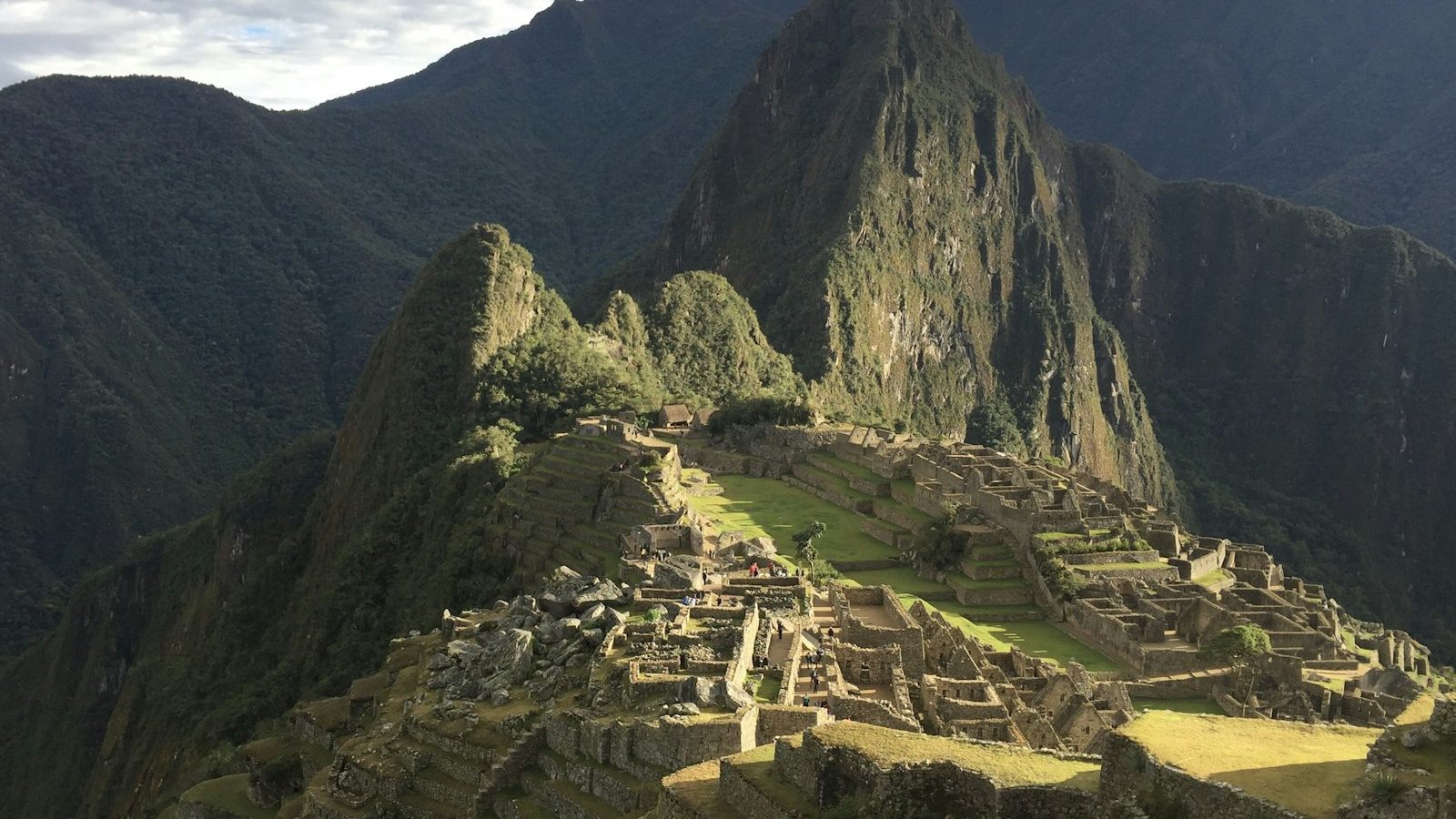
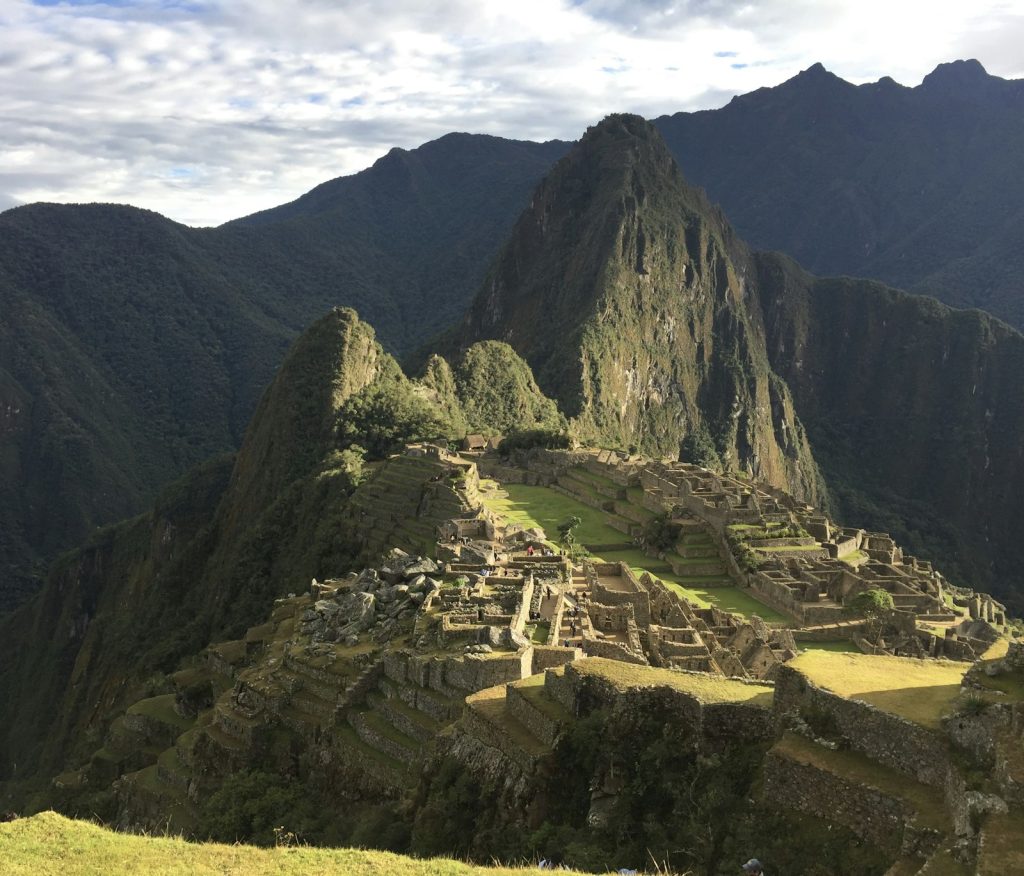
Machu Picchu is the most famous archaeological site in South America, a 15th century Inca citadel built on a mountain ridge high above the Urubamba River in Peru. Seeing it at sunrise, with the peak of Huayna Picchu rising behind the terraces, is one of the great travel experiences. But getting there takes some planning. Tickets are sold for timed slots on fixed routes, the Inca Trail needs a permit months in advance, and the trains, buses and tours all have to line up.
This guide explains every type of Machu Picchu tour, from a day trip by train from Cusco to the four day Classic Inca Trail, the Salkantay Trek and the budget route via Hidroeléctrica. For each one we cover what it involves, who it suits, how hard it is and what it costs in late 2026. We also explain how tickets and circuits work, the best month to go, whether you can combine Machu Picchu with Rainbow Mountain, the best options for older travellers and some practical questions, including where to find a toilet on the Inca Trail.
Machu Picchu tours at a glance
| Tour type | Length | Difficulty | Best for |
|---|---|---|---|
| Day trip by train from Cusco | 1 long day | Easy | Short trips |
| Overnight in Aguas Calientes | 2 days | Easy | Sunrise and a relaxed visit |
| Sacred Valley and Machu Picchu | 2 to 4 days | Easy | First time visitors |
| Classic Inca Trail | 4 days | Moderate to hard | The classic trek |
| Short Inca Trail | 2 days | Moderate | Limited time |
| Salkantay Trek | 4 to 5 days | Hard | Mountain scenery |
| Lares or Quarry Trail | 3 to 4 days | Moderate | Quieter treks |
| Inca Jungle Trek | 3 to 4 days | Moderate | Adventure and activities |
| Hidroeléctrica route | 2 days | Easy to moderate | Budget travellers |
| Luxury train tour | 1 to 2 days | Easy | Comfort and special occasions |
How Machu Picchu tickets work
Since June 2024 there has been no general admission ticket. The Ministry of Culture sells entry to three circuits split into ten routes, and each route is its own ticket. Once you are inside you follow that route one way and cannot switch.
- **Circuit 1 (Panoramic):** the upper terraces and classic viewpoints, including the route up Machu Picchu Mountain.
- **Circuit 2 (Classic):** the most complete route through the citadel, with the famous postcard view and the main temples. The best choice for most first time visitors.
- **Circuit 3 (Royalty):** the lower part of the site and the royal areas, including the route up Huayna Picchu.
Since 1 May 2026, a standard ticket for a foreign adult costs 163 soles (152 soles plus an 11 sole conservation fee), and a ticket that includes Huayna Picchu or Machu Picchu Mountain costs 211 soles. Tickets are valid for one date and one entry hour, and you need your passport to enter. Buy from the official Ministry of Culture website, or let your tour operator book them.
Getting to Machu Picchu
There is no road from Cusco to Machu Picchu. Almost everyone travels by train to Aguas Calientes (officially Machu Picchu Pueblo), the town at the foot of the mountain, then takes the Consettur shuttle bus up a winding 8 kilometre road to the entrance in about 25 minutes. Alternatively, you can walk up the steep stone steps in about 90 minutes.
- **Trains:** PeruRail and Inca Rail run services from Poroy (near Cusco) and from Ollantaytambo in the Sacred Valley. From Ollantaytambo, the journey takes about 90 minutes. From Poroy, allow about 3.5 hours.
- **Shuttle bus:** tickets are sold in Aguas Calientes and online. Adult fares are roughly US$12 to US$18 each way, so check the current price on the Consettur website.
- **Altitude:** Cusco sits at about 3,400 metres, while Machu Picchu is lower, at about 2,430 metres. Spend at least a day or two in Cusco or the lower Sacred Valley before any trek.
Machu Picchu tours by train
1. Machu Picchu day trip from Cusco
The most popular tour is a full day trip from Cusco. You are picked up from your hotel before dawn, driven to Ollantaytambo for the train, taken up by bus to the site for a guided visit of about two and a half hours and brought back to Cusco late in the evening.
- **Who it suits:** travellers short of time.
- **Pros:** sees the site in one day with no extra hotel.
- **Cons:** a very long day of 14 to 16 hours, and you usually arrive in the middle of the day when it is busiest.
- **Cost:** budget group tours start at about £250 to £350 per person, including train, bus, entry and guide.
2. Two day tour with a night in Aguas Calientes
A two day tour gives you time to travel at a relaxed pace, stay overnight in Aguas Calientes and enter Machu Picchu early the next morning, when the light is soft and the crowds are smaller. You can also visit the hot springs in town or walk to Mandor waterfall.
- **Who it suits:** most visitors. It is the best balance of time and cost.
- **Tip:** ask for an early entry slot, between 6am and 8am. Morning mist often clears around 9am to reveal the view.
3. Sacred Valley and Machu Picchu tour
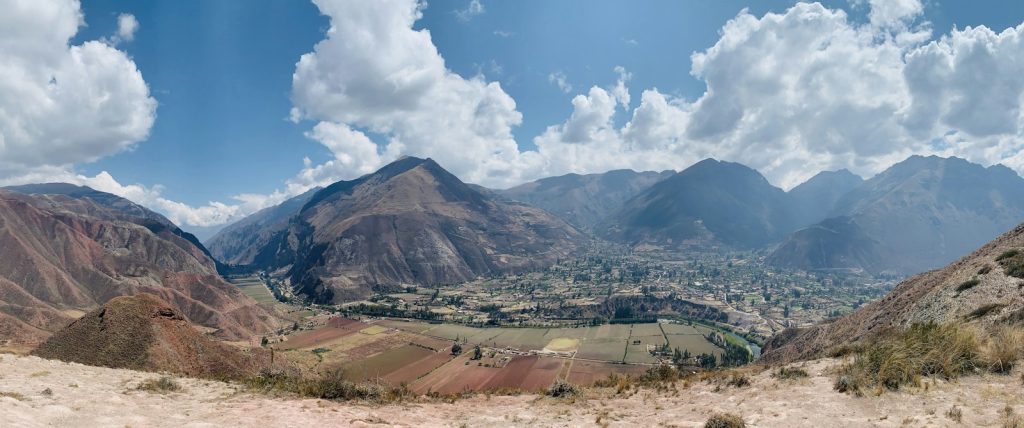
Many tours combine Machu Picchu with the Sacred Valley of the Incas, the fertile valley between Cusco and Ollantaytambo. Typical stops include the Pisac ruins and market, the salt pans of Maras, the circular terraces of Moray and the Inca fortress town of Ollantaytambo, where you stay the night before catching the morning train.
- **Who it suits:** first time visitors to Peru, families and anyone who wants to acclimatise gently at lower altitude.
- **Time needed:** 2 to 4 days.
4. Luxury train tours
For a special occasion, the Belmond Hiram Bingham train runs from Poroy to Aguas Calientes with a dining car, live music and an observation carriage. It is one of the most expensive train journeys in South America. PeruRail Vistadome and Inca Rail’s higher classes offer panoramic windows and snacks at lower prices, and are a good middle ground.
5. Private Machu Picchu tours
A private tour has your own guide and driver and can be built around your pace and interests. It costs more, but is the best option for families with young children, older travellers or anyone with mobility needs, as the guide can choose the easiest route through the site and allow plenty of rest stops.
Trekking tours to Machu Picchu
6. Classic Inca Trail (4 days)
The Classic Inca Trail is one of the most famous treks in the world. It follows about 43 kilometres of original stone paths over three high passes, through cloud forest and past Inca ruins such as Wiñay Wayna, and ends at the Sun Gate (Inti Punku) with your first view of Machu Picchu below.
- **Permits:** only 500 permits are issued each day, including about 200 for trekkers and the rest for guides, porters and cooks. You must trek with a licensed operator, and permits are non refundable and tied to your passport.
- **When to book:** six months ahead for April to October, and permits for the following year are usually released in the autumn. Permits for 2027 have begun to be released, so book now if you want a peak season date.
- **Closures:** the trail closes every February for maintenance.
- **Difficulty:** moderate to hard. The highest point is Dead Woman’s Pass, at about 4,215 metres, and day two involves a long, steep climb.
- **Cost:** group treks from reputable operators usually cost from about £600 to £1,000 per person, including the permit, porters, camping and Machu Picchu entry.
7. Short Inca Trail (2 days)
The Short Inca Trail starts at kilometre 104 of the railway and climbs for about 12 kilometres to Wiñay Wayna and the Sun Gate. You spend the night in Aguas Calientes and visit Machu Picchu properly the next morning. It also needs a permit, but is easier to get than the classic route.
8. Salkantay Trek (4 to 5 days)
The Salkantay Trek is the most popular alternative to the Inca Trail. It crosses a high pass of about 4,600 metres below the glaciers of Mount Salkantay, then descends into cloud forest and coffee country before reaching Aguas Calientes. No permit is needed, so it is easier to book at short notice, and many operators use comfortable glamping style camps.
- **Difficulty:** hard, mainly because of the altitude on day two.
- **Tip:** the FCDO notes that rockslides and mudslides can affect routes such as Salkantay in the rainy season, from November to May. Check conditions with your operator before you set off.
9. Lares Trek and Quarry Trail
The Lares Trek passes through traditional weaving villages and hot springs, with fewer trekkers than the Inca Trail. The Quarry Trail (Cachicata) is a three or four day route that visits Inca stone quarries and the Sun Gate of Cachicata, ending in Ollantaytambo before you take the train to Machu Picchu. Many operators use it in February, when the Inca Trail is closed.
10. Inca Jungle Trek
This multisport tour combines mountain biking down from the Abra Málaga pass, optional white water rafting and zip lining near Santa Teresa, and a walk along the railway to Aguas Calientes. It is popular with younger travellers on a budget.
11. Budget route via Hidroeléctrica
The cheapest way to reach Machu Picchu is by minibus from Cusco to the Hidroeléctrica station, a journey of six to seven hours on mountain roads, followed by a walk of about two and a half to three hours along the railway to Aguas Calientes. It saves the cost of the train but takes most of a day each way.
- **Tip:** the road is narrow and can be affected by landslides in the rainy season. Travel only with registered companies and in daylight.
Hiking Huayna Picchu or Machu Picchu Mountain
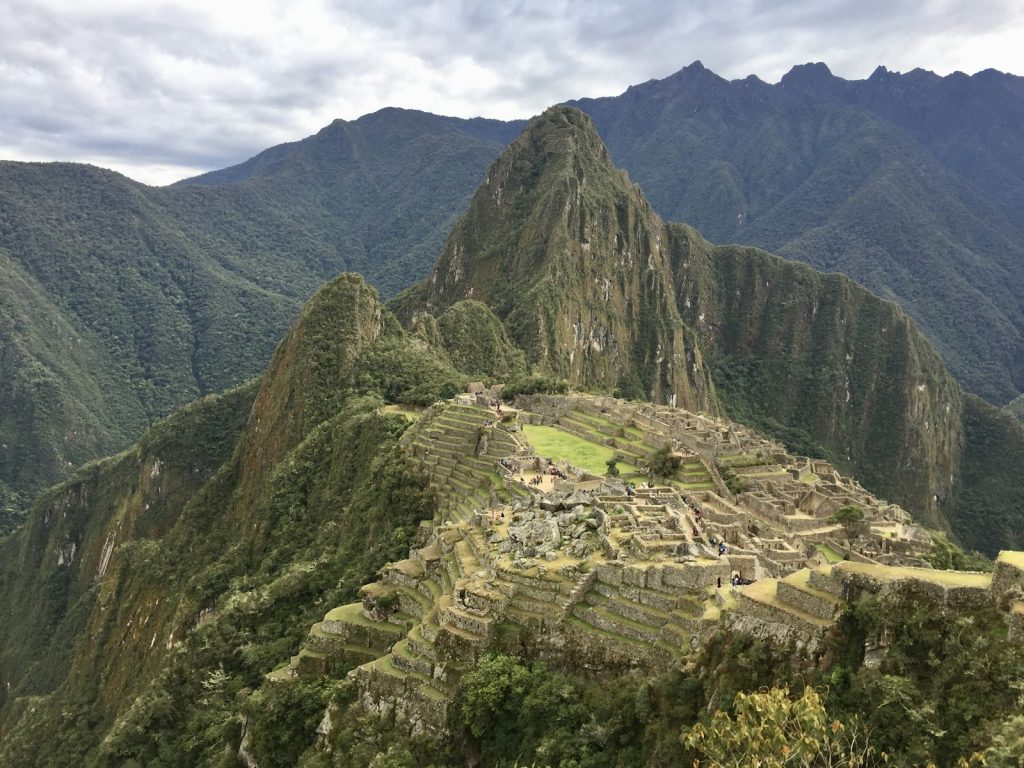
For the best views over the citadel, add one of the two mountain routes to your ticket. Huayna Picchu (about 2,720 metres) is the steep peak behind the citadel, with narrow stone steps and drops, while Machu Picchu Mountain (about 3,082 metres) is higher but has a wider, steadier path. Both take two to three hours return and both are limited to a set number of hikers each day, so book well ahead.
What is the best month to see Machu Picchu?
The best months to visit are May and September. They fall in the dry season, which runs from about May to October, with clear skies and dry paths, but without the crowds of June, July and August, when Peruvian and international holidays peak. April and October are good too, with green landscapes and fewer visitors. The rainy season runs from November to March, with heavy rain in January and February, and the Inca Trail is closed in February. Machu Picchu itself stays open all year.
Can you do Machu Picchu and Rainbow Mountain together?
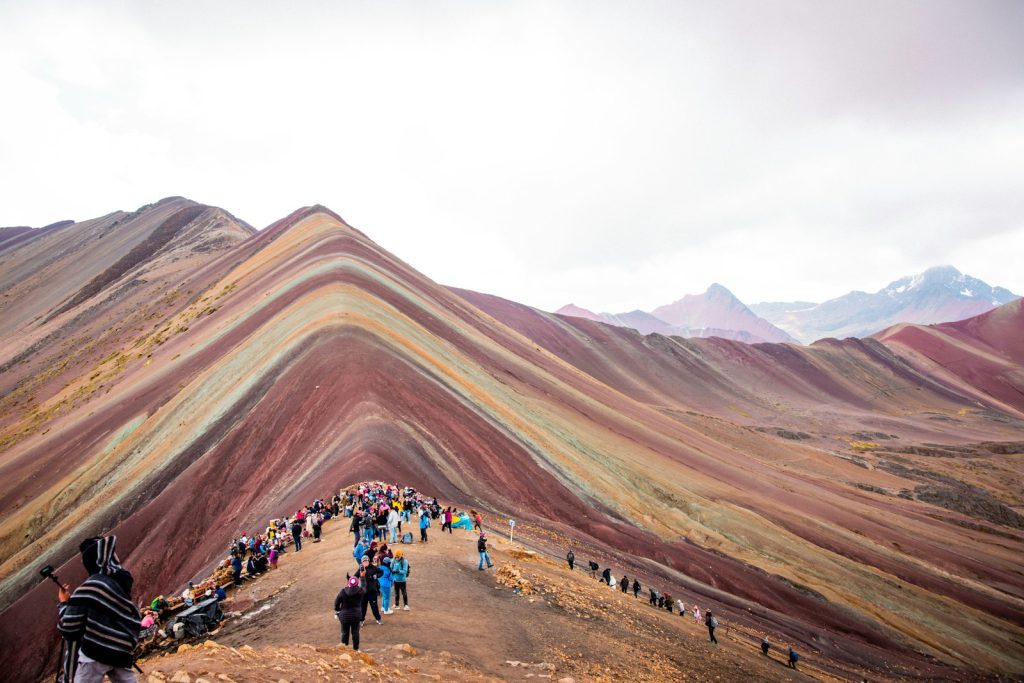
Yes, many tours combine them, but not on the same day. Rainbow Mountain (Vinicunca) is about three hours south east of Cusco, in the opposite direction to Machu Picchu, and its viewpoint stands at about 5,000 metres. It is a full day trip in its own right, usually leaving Cusco around 4am. Do Rainbow Mountain after you have acclimatised for a few days, ideally after your Machu Picchu visit, and leave a rest day between the two.
Can an 80 year old go to Machu Picchu?
Yes. Many people in their 70s and 80s visit Machu Picchu every year. The trains are comfortable and the bus goes almost to the entrance. However, the site has many uneven stone steps and no lifts, and the altitude of Cusco can affect older travellers more. Speak to your doctor before you travel, especially if you have heart or lung conditions. Plan an easy itinerary that sleeps in the lower Sacred Valley rather than Cusco, choose a Circuit 2 route with a private guide and take a walking pole.
What is the best Machu Picchu tour for seniors?
The best tour for older travellers is a private or small group tour of three to four days that includes the Sacred Valley, a night in Ollantaytambo or Aguas Calientes, a comfortable train such as the Vistadome and a gentle guided visit of Machu Picchu. Avoid the long one day trip from Cusco, and allow extra time to acclimatise. If mobility is limited, ask your operator about the easiest route through the site.
What are some good guided hiking tours to Machu Picchu?
Good guided hiking tours include the Classic Inca Trail with a licensed local operator, the Salkantay Trek with lodge or glamping options, the Lares Trek and the Quarry Trail. UK based adventure companies such as Intrepid Travel, Exodus, G Adventures and KE Adventure offer group trips with the permit, guide, porters and flights or transfers arranged, often as part of a wider Peru itinerary. Local Cusco operators are often cheaper. Choose one with good recent reviews, clear porter welfare policies and a licence from the Ministry of Culture.
Where to pee on the Inca Trail?
There are basic toilet blocks at the official campsites and at some rest stops on the Inca Trail, and many operators carry a private toilet tent for their group. Between stops, you may need to go behind a bush. If you do, move well away from the trail and any water, and carry out toilet paper in a sealed bag. Inside Machu Picchu itself there are no toilets, so use the toilets by the entrance, which charge a small fee, before you go in.
Safety and practical advice
The FCDO advises the following for Cusco and the Machu Picchu area:
- **Street crime:** muggings and thefts are a significant problem in Cusco. Be alert in public places and at cash machines, and avoid walking alone in quiet areas at night.
- **Taxis:** use licensed telephone or app taxis or ask your hotel to book one, and do not hail taxis in the street. Express kidnappings by fake taxi drivers have been reported, usually at night.
- **Tour agents:** some unscrupulous tour agents have targeted young women travelling alone, so book through reputable, licensed companies.
- **Strikes and protests:** trains to and from Machu Picchu are occasionally suspended or disrupted because of protests. Allow spare days in your plans.
- **Ayahuasca:** ceremonies offered around Cusco are unregulated, and people have become seriously ill and some have died.
Also bring sun cream, insect repellent for Aguas Calientes, a rain jacket, small notes in soles and your passport, which you need for both the entry ticket and the train.
How much does a Machu Picchu tour cost?
| Item | Typical cost (late 2026) |
|---|---|
| Entry ticket, foreign adult | 163 soles |
| Entry with Huayna Picchu or Machu Picchu Mountain | 211 soles |
| Consettur bus | About US$12 to US$18 each way |
| Train, Ollantaytambo to Aguas Calientes | From about US$60 each way |
| One day tour from Cusco | £250 to £350 |
| Classic Inca Trail, 4 days | £600 to £1,000 |
| Salkantay Trek, 5 days | £400 to £800 |
Entry requirements for British visitors
British citizens do not need a visa to visit Peru as tourists. The border officer decides how many days you are given, so ask for enough to cover your trip. Your passport should be valid for at least six months from the date you arrive. Always check the latest FCDO entry requirements before you travel.
Sample 5 day Machu Picchu itinerary
- **Day 1:** fly to Cusco and transfer straight down to the Sacred Valley to rest at lower altitude.
- **Day 2:** Pisac market and ruins, then Maras and Moray, and stay in Ollantaytambo.
- **Day 3:** explore the Ollantaytambo ruins, then take the afternoon train to Aguas Calientes.
- **Day 4:** early bus to Machu Picchu for a guided Circuit 2 visit, then the train back to Cusco.
- **Day 5:** explore Cusco, including the Plaza de Armas, the Qorikancha and Sacsayhuamán.
Our picks
- **Best overall:** a two day tour with the Sacred Valley and a night in Aguas Calientes.
- **Best trek:** the Classic Inca Trail, booked six months ahead.
- **Best trek without a permit:** the Salkantay Trek.
- **Best for older travellers:** a private three or four day tour with the Vistadome train.
- **Best for budget travellers:** the Hidroeléctrica route.
Frequently asked questions
What are some good guided hiking tours to Machu Picchu?
The best guided hikes are the Classic Inca Trail, the Short Inca Trail, the Salkantay Trek, the Lares Trek and the Quarry Trail, booked through a licensed operator with good porter welfare policies.
What is the best month to see Machu Picchu?
May and September are the best months, with dry weather and fewer crowds than June to August. April and October are also good.
Can you do Machu Picchu and Rainbow Mountain together?
Yes, on the same trip but not on the same day. Rainbow Mountain is a separate full day trip from Cusco at about 5,000 metres, so do it after you have acclimatised.
Can an 80 year old go to Machu Picchu?
Yes. With comfortable trains, a bus to the entrance and a private guide, many people in their 80s visit. Check with your doctor first, and plan time to acclimatise.
What is the best Machu Picchu tour for seniors?
A private or small group tour of three to four days with the Sacred Valley, a comfortable train and an overnight stay near the site is best, rather than the long one day trip from Cusco.
Where do you pee on the Inca Trail?
Use the toilet blocks at campsites and rest stops, or your operator’s toilet tent. Otherwise go well away from the trail and water and carry out any paper. There are no toilets inside Machu Picchu.
How far in advance should I book Machu Picchu?
Book entry tickets at least one to two months ahead for May to September, and up to six months ahead for the Inca Trail or Huayna Picchu.
Do I need a guide for Machu Picchu?
Yes. Visitors must enter with a licensed guide, which you can book in advance or hire at the entrance. A tour includes one.
Plan the rest of your trip
Browse our South America travel guides for more ideas. Base yourself in the Inca capital with our guide to the best things to do in Cusco. Most flights arrive in Lima, so see our guide to the best things to do in Lima. If you are travelling around the continent, read our guides to the best things to do in Buenos Aires and the best things to do in Rio de Janeiro. If you spot something out of date, please let us know.