
!DISCLOSURE
Cusco was the capital of the Inca Empire, and nowhere else in South America do Inca and Spanish colonial history sit so closely together. Massive Inca stone walls, fitted so precisely that you cannot slip a knife between the blocks, form the foundations of baroque churches and mansions. Around the city are hilltop fortresses, Andean markets, and the Sacred Valley, while Machu Picchu is a train ride away. At about 3,400 metres above sea level, Cusco is also a city where you need to take it slowly.
This guide covers the 25 best things to do in Cusco, from the Plaza de Armas and Qorikancha to Sacsayhuamán, San Blas and day trips to the Sacred Valley, Rainbow Mountain and Humantay Lake. For each one we explain what it is, how to get there, how long to allow and what it costs in late 2026. We also cover what not to miss, how many days you need, what not to do, altitude sickness and whether you can walk to Machu Picchu from Cusco.
Things to do in Cusco at a glance
| Attraction | Area | Time needed | Cost from |
|---|---|---|---|
| Plaza de Armas | City centre | 1 hour | Free |
| Cusco Cathedral | City centre | 1 hour | Separate ticket |
| Qorikancha | City centre | 1 hour | Separate ticket |
| Twelve Angled Stone | Hatun Rumiyoc street | 15 minutes | Free |
| San Blas | Above the centre | 2 hours | Free |
| San Pedro Market | City centre | 1 hour | Free |
| Sacsayhuamán | Above the city | 2 hours | Tourist ticket |
| Q’enqo, Puka Pukara and Tambomachay | Above the city | Half a day | Tourist ticket |
| Sacred Valley | 1 hour away | A full day | Tour or tourist ticket |
| Rainbow Mountain | 3 hours away | A full day | Tour price and entry fee |
What not to miss in Cusco?
If you only have a short time, do not miss the Plaza de Armas, the Qorikancha (the Inca Temple of the Sun), the Twelve Angled Stone, the artisans’ quarter of San Blas, San Pedro Market and the fortress of Sacsayhuamán above the city. Beyond Cusco, the Sacred Valley and Machu Picchu are the highlights of any trip to the region.
How many days in Cusco is enough?
Plan at least three to four days in Cusco itself, not counting Machu Picchu. The first day should be gentle while you adjust to the altitude. Use the second for the main sights in the city, the third for the ruins above Cusco and the fourth for the Sacred Valley. With a week in the region, add Machu Picchu (ideally with a night in Aguas Calientes), Rainbow Mountain or Humantay Lake.
The Cusco tourist ticket
Many of the sights around Cusco are covered by the Boleto Turístico del Cusco (BTC), a combined ticket sold at the official offices and at the sites. The full ticket costs 130 soles for foreign adults and is valid for 10 days, covering 16 sites, including Sacsayhuamán, Q’enqo, Puka Pukara, Tambomachay, Pisac, Ollantaytambo, Chinchero and Moray, plus several museums. Partial circuit tickets cost 70 soles and cover a smaller group of sites over one or two days.
The Cathedral, the Qorikancha, the Maras salt pans, Machu Picchu and Rainbow Mountain are not included and need separate tickets.
Getting around Cusco
The historic centre is compact and best explored on foot, but the streets are steep and uneven, and the altitude makes every hill feel harder. For the ruins above the city and trips further out, take a taxi, join a tour or use the local buses. The FCDO advises using licensed telephone or app taxis or asking your hotel to book one, and not hailing taxis in the street, as express kidnappings by fake taxi drivers have been reported, usually at night.
Historic centre
1. Explore the Plaza de Armas
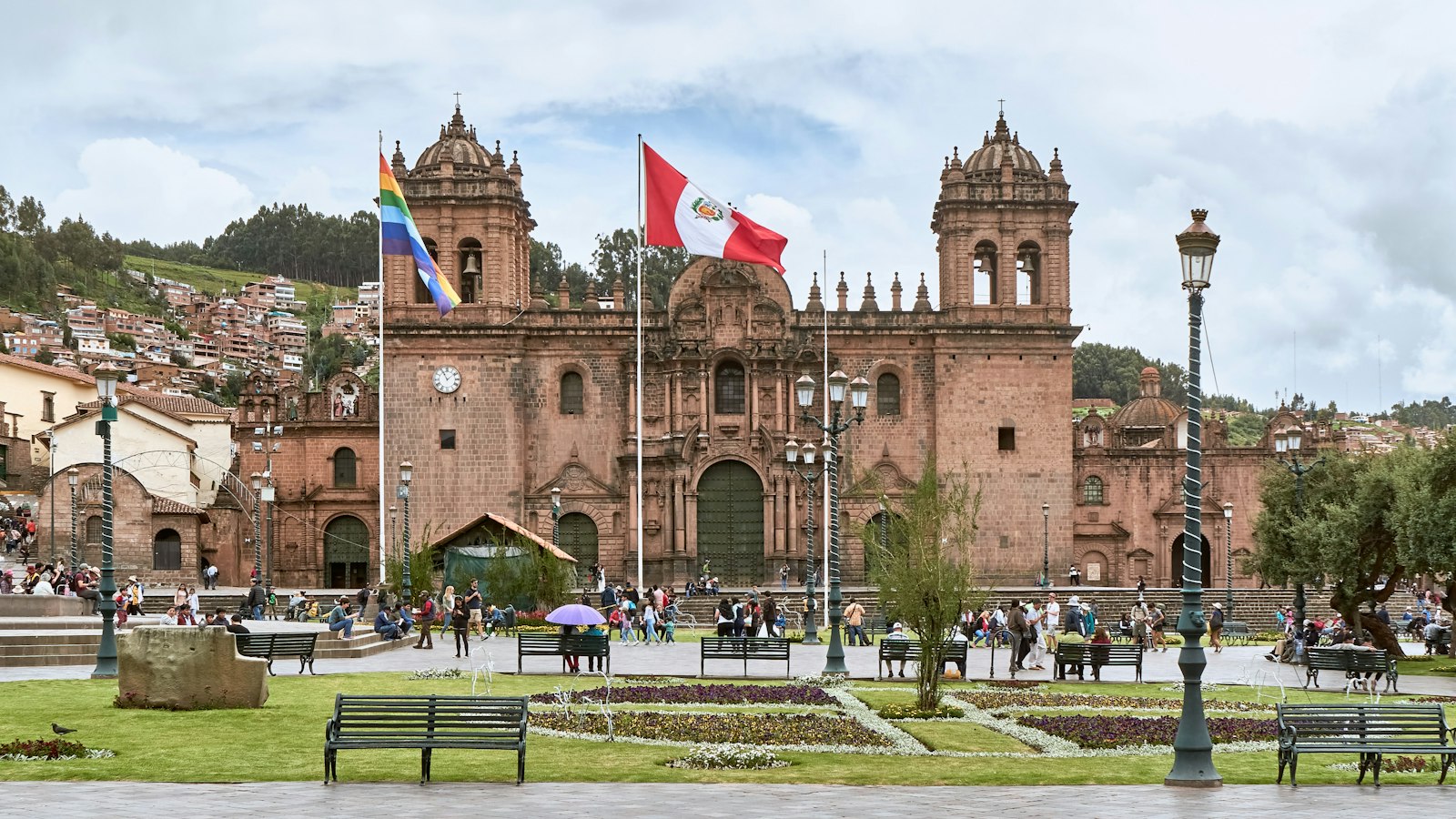
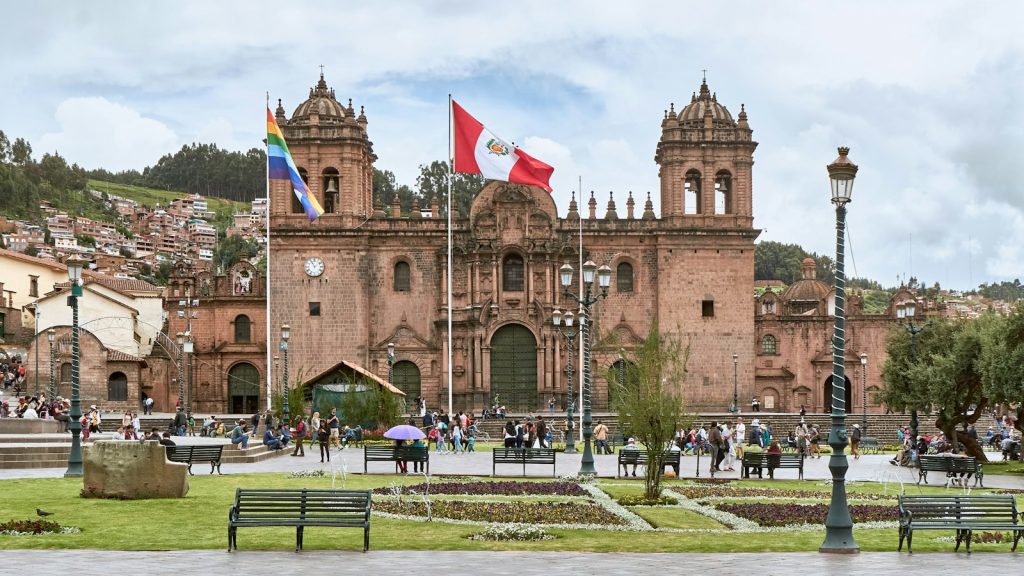
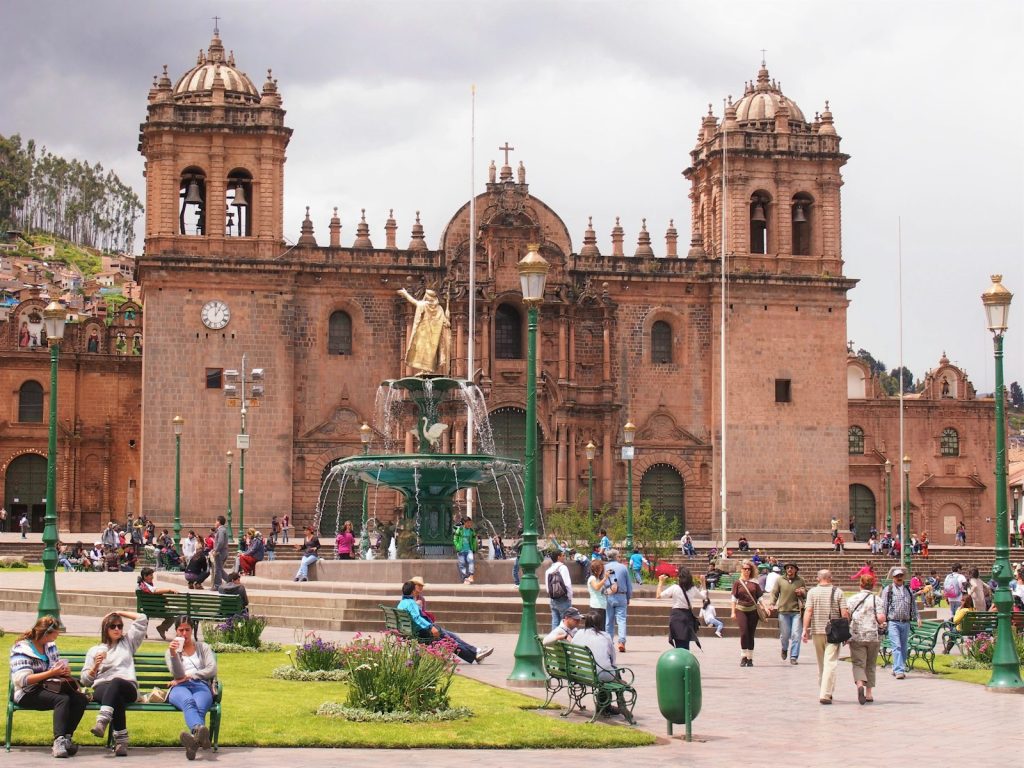
The Plaza de Armas was the heart of the Inca capital, where great ceremonies took place. Today it is surrounded by colonial arcades, cafés and balconies, with the Cathedral and the Church of La Compañía on two sides and the mountains rising behind. Sit on a bench and take your time, especially on your first day.
- **Cost:** free.
- **Tip:** you will be offered massages, paintings and tours many times as you walk around the square. A polite “no, gracias” is enough.
2. Visit Cusco Cathedral
The Cathedral was built on the site of the palace of the Inca ruler Viracocha, using stones taken from Sacsayhuamán. Inside are hundreds of colonial paintings from the Cusco School, including a famous version of the Last Supper by Marcos Zapata in which Jesus and the apostles share a roasted guinea pig, a traditional Andean dish. It needs a separate ticket and photos are not allowed inside.
3. See the Church of La Compañía
The Jesuit Church of La Compañía, on the southern side of the square, has one of the finest baroque facades in Peru. The Jesuits built it to rival the Cathedral, and it stands on the site of the palace of the Inca Huayna Cápac. You can sometimes climb to the choir for views of the square.
4. Visit the Qorikancha
The Qorikancha was the most important temple of the Inca Empire, dedicated to Inti, the sun god. Its walls were once covered with sheets of gold. After the conquest, the Spanish built the Church and Convent of Santo Domingo on top, but some of the finest Inca stonework in Peru survives inside, and the contrast between the two styles is remarkable.
- **Cost:** a separate ticket, not included in the tourist ticket.
- **Time needed:** about 1 hour. A guide is very worthwhile here.
5. Find the Twelve Angled Stone
On Hatun Rumiyoc street, a short walk from the Plaza de Armas, the wall of the former palace of the Inca Roca includes a famous stone with twelve corners, each fitted perfectly to its neighbours without mortar. It is free to see, and local guides in Inca costume often stand nearby for photos, for a tip.
6. Visit the Museo de Arte Precolombino
The Museum of Pre Columbian Art, in a colonial mansion just above the Plaza de Armas, displays beautiful gold, silver and pottery from Peru’s ancient cultures, chosen from the collection of Museo Larco in Lima. It is small, well presented and has a lovely courtyard restaurant.
7. Learn about the Incas at the Museo Inka
The Museo Inka has a large collection of Inca and pre Inca objects, including textiles, ceramics, mummies and quipus, the knotted strings the Incas used for keeping records. In the courtyard, weavers from local communities often sell their work.
San Blas and markets
8. Wander the artists’ quarter of San Blas
San Blas is the old artisans’ neighbourhood, a short, steep climb from the Plaza de Armas. Its narrow streets are lined with whitewashed houses with blue doors, galleries, workshops and small cafés. Visit the Church of San Blas to see its carved wooden pulpit, said to be one of the finest in the Americas, and enjoy the views over the city’s rooftops.
9. Eat at San Pedro Market
The Mercado Central de San Pedro is Cusco’s main food market, full of fruit stalls, juice counters, bread sellers, cheese and huge sacks of potatoes and corn. Try a fresh fruit juice, a bowl of soup at one of the food counters or caldo de gallina (chicken soup) for breakfast. Keep your bag in front of you, as it gets busy.
10. See the views from Cristo Blanco
The White Christ statue stands on a hill above the city near Sacsayhuamán, with sweeping views over Cusco’s terracotta rooftops. Go by taxi or with a tour rather than walking up the steep steps on your first day, and avoid the area after dark.
11. Learn to make chocolate or take a cooking class
Cusco has several chocolate workshops, where you learn about Peru’s cacao and make your own chocolate, and cooking classes where you visit a market and learn to cook ceviche, lomo saltado and a pisco sour. They make a good activity for a rainy afternoon or a rest day.
12. Visit the planetarium
The Cusco Planetarium, just outside the city, explains how the Incas read the night sky, including the dark constellations they saw in the Milky Way, such as the llama and the serpent. Evening visits include looking through telescopes at the southern sky. Book ahead and take warm clothes.
The ruins above the city
13. Explore Sacsayhuamán
The fortress of Sacsayhuamán, on a hill above Cusco, is one of the most impressive Inca sites in Peru. Its great zigzag walls are built from enormous stones, some weighing more than 100 tonnes, fitted together with astonishing precision. Every 24 June, the site hosts Inti Raymi, the Inca Festival of the Sun, the most famous festival in Peru.
- **Cost:** included in the tourist ticket.
- **Getting there:** a 30 minute uphill walk from the Plaza de Armas, or a short taxi ride.
- **Time needed:** about 2 hours.
14. Visit Q’enqo, Puka Pukara and Tambomachay
Three smaller Inca sites lie along the road above Sacsayhuamán. Q’enqo is a huge carved limestone outcrop with tunnels and an altar used for ceremonies. Puka Pukara was a small fort and resting place, and Tambomachay, known as the Bath of the Inca, has elegant fountains still fed by springs. Many visitors take a taxi to Tambomachay, the highest, and walk back down to Cusco past the other sites.
15. Ride a horse to the temples
Several operators offer horse riding tours around the ruins above Cusco, including the Temple of the Moon, a cave with carved altars that is not on the tourist ticket. It is a relaxing way to see the countryside, as the horses do the climbing.
Day trips from Cusco
16. Explore the Sacred Valley
The Sacred Valley of the Incas follows the Urubamba River between Pisac and Ollantaytambo, about an hour from Cusco. Because it is lower, at around 2,800 to 3,000 metres, many visitors stay here first to acclimatise. A full day tour usually includes:
- **Pisac:** a hillside Inca citadel with spectacular terraces, and a busy craft market in the town below.
- **Ollantaytambo:** an Inca fortress town with huge terraces and a temple, and the station for trains to Machu Picchu.
- **Chinchero:** a village known for its weaving cooperatives, colonial church and Inca terraces.
17. See the terraces of Moray
Moray is a group of circular Inca terraces dug deep into the ground, like a giant amphitheatre. Each level has a slightly different temperature, and experts believe the Incas used them to experiment with crops. It is included in the tourist ticket and often combined with Maras.
18. Visit the salt pans of Maras
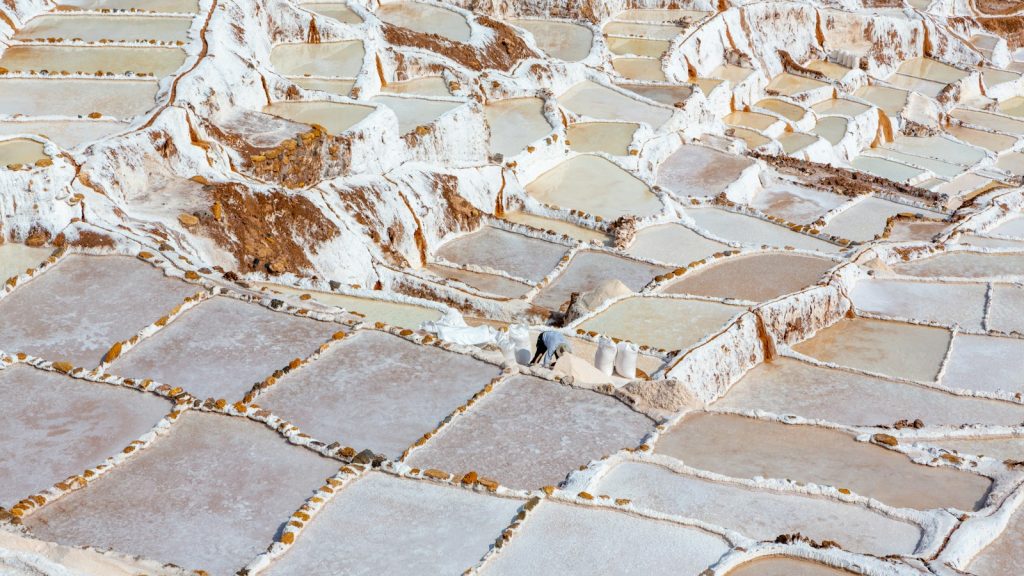
The Salineras de Maras are thousands of small salt pools carved into a hillside, fed by a salty spring. Local families have harvested salt here since before the Incas, and the white and pink terraces make a striking sight. The pans are run by the local community and need a separate ticket. You can buy salt and chocolate with Maras salt at the shop.
19. Hike Rainbow Mountain
Rainbow Mountain (Vinicunca) is a mountain striped in red, yellow, green and purple by different minerals, about three hours south east of Cusco. The viewpoint stands at about 5,000 metres, so this is a hard day out, with an early start around 4am. Only do it after you have acclimatised for several days. Palccoyo, a nearby alternative with similar coloured hills, is a shorter and easier walk.
20. Hike to Humantay Lake
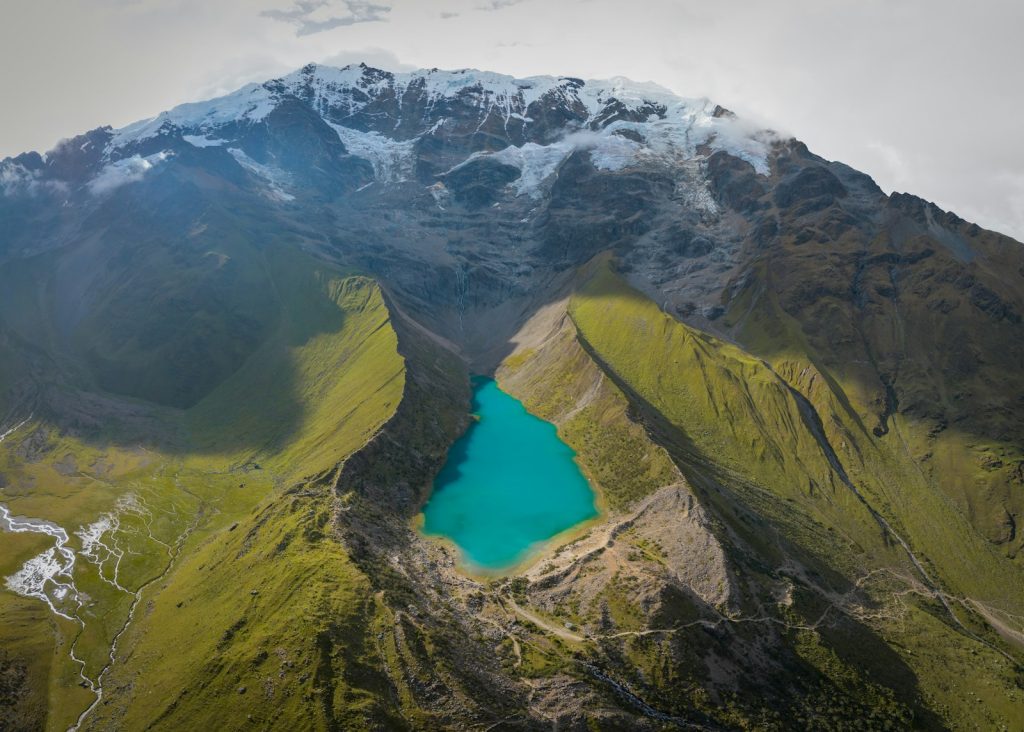
Humantay Lake is a turquoise glacial lake below the snowy peak of Humantay, at about 4,200 metres, near the village of Soraypampa, around three hours from Cusco. The climb from the car park takes about one and a half hours. It is a popular day trip and a good warm up if you plan to hike the Salkantay Trek.
21. Take a day trip to Machu Picchu
It is possible to visit Machu Picchu on a long day trip from Cusco by bus and train, but staying a night in Aguas Calientes or the Sacred Valley makes the visit far more relaxed and lets you enter early. Read our full guide to Machu Picchu tours for every option, including tickets, trains and treks.
22. Visit the South Valley
The South Valley, south east of Cusco, is less visited than the Sacred Valley but well worth a half day. Highlights include the Inca and pre Inca site of Tipón, with its elegant water channels, the pre Inca city of Pikillacta, and the beautiful painted church of Andahuaylillas, sometimes called the Sistine Chapel of the Andes.
Food and nights out
23. Try Andean food
Cusco is a great place to try Andean cooking. Look out for alpaca steak, quinoa soup, chicharrón (fried pork), rocoto relleno (stuffed spicy peppers), and cuy (roasted guinea pig), a traditional dish for special occasions. Many restaurants now serve modern Andean menus using local potatoes, corn and grains.
24. Drink a pisco sour or coca tea
Peru’s national cocktail, the pisco sour, is made with grape brandy, lime juice, sugar and egg white. Go easy at first, as alcohol has a stronger effect at altitude. Coca tea (mate de coca), made from coca leaves, is served everywhere and is a traditional remedy for altitude. Note that coca leaves are illegal to bring back to the UK.
25. Celebrate a festival
Cusco has a busy calendar of festivals. The biggest is Inti Raymi on 24 June, and the whole of June is full of parades and celebrations. Corpus Christi, in late May or June, sees statues of saints carried through the streets, and Easter week is marked by processions. If you visit during a festival, book accommodation well ahead.
What to do in Cusco that is not Machu Picchu?
There is plenty to keep you busy for days without Machu Picchu. Explore the city’s Inca and colonial sights, including the Qorikancha, the Cathedral and the Twelve Angled Stone. Walk the ruins above the city, including Sacsayhuamán and Tambomachay. Take a day trip to the Sacred Valley to see Pisac, Ollantaytambo, Moray and Maras, or hike to Rainbow Mountain or Humantay Lake. You can also take a cooking class, visit San Pedro Market and explore San Blas.
What not to do in Cusco?
- **Don’t rush on your first day:** walk slowly, rest and avoid hard hikes until you have adjusted to the altitude.
- **Don’t drink too much alcohol early on:** it makes altitude sickness worse and has a stronger effect at height.
- **Don’t drink tap water:** stick to bottled or filtered water.
- **Don’t hail taxis in the street:** use app taxis or ask your hotel to book one.
- **Don’t take photos of people without asking:** women and children in traditional dress with llamas often expect a small tip for a photo.
- **Don’t book tours with street touts without checking:** use licensed, well reviewed operators.
- **Don’t take part in ayahuasca ceremonies:** the FCDO warns they are unregulated, people have become seriously ill or died, and there have been reports of sexual assault.
- **Don’t bring coca leaves home:** they are illegal in the UK.
How likely is it to get altitude sickness in Cusco?
Altitude sickness is common in Cusco, which sits at about 3,400 metres. Many visitors feel at least mild symptoms, such as headaches, shortness of breath, tiredness, poor sleep or nausea, for the first day or two. Serious altitude sickness is much rarer but can be dangerous.
To reduce your risk, fly into Cusco and transfer straight down to the Sacred Valley for a night or two, rest on arrival, drink plenty of water, avoid alcohol for the first day or two and eat light meals. Talk to your GP or a travel clinic before you go, especially if you have heart or lung conditions. Some doctors prescribe acetazolamide to help prevent symptoms. If symptoms are severe or get worse, go down to a lower altitude and seek medical help straight away.
Can you walk to Machu Picchu from Cusco?
Not directly. There is no footpath from the city of Cusco to Machu Picchu, which is around 75 kilometres away by road and rail. However, you can walk there on a multi day trek starting closer to the site. The Classic Inca Trail starts near Ollantaytambo and takes four days, while the Salkantay Trek starts in the mountains near Mollepata and takes four to five days. Both need a guide, and the Classic Inca Trail requires a permit booked months in advance. See our guide to Machu Picchu tours for details.
Safety in Cusco
Most visits to Cusco are trouble free, but the FCDO notes that street crime, including muggings and thefts, is a significant problem. It advises being alert in public places and at cash machines, and avoiding walking alone in quiet areas or at night. Unscrupulous tour agents have targeted young women travelling alone, so book through reputable companies. Buy your own drinks and keep them in sight. Street money changers in tourist areas have been known to use fake or old notes, so change money at banks or official exchange offices.
Protests and strikes occasionally disrupt roads and trains to Machu Picchu, so allow spare days in your plans.
How much does a trip to Cusco cost?
| Item | Typical cost (late 2026) |
|---|---|
| Cusco tourist ticket, full | 130 soles |
| Cusco tourist ticket, partial circuit | 70 soles |
| Sacred Valley group tour | £20 to £40 |
| Rainbow Mountain day tour | £25 to £60, plus entry |
| Menú del día (set lunch) | 15 to 30 soles |
| Dinner at a good restaurant | £15 to £35 per person |
| Mid range hotel in the centre | £50 to £120 a night |
Sample 4 day Cusco itinerary
- **Day 1:** arrive and transfer to the Sacred Valley to acclimatise. Gentle walk in Ollantaytambo.
- **Day 2:** Pisac, Chinchero, Moray and Maras on the way back to Cusco.
- **Day 3:** Plaza de Armas, the Cathedral, Qorikancha, the Twelve Angled Stone, San Blas and San Pedro Market.
- **Day 4:** Sacsayhuamán, Q’enqo, Puka Pukara and Tambomachay, then a cooking class or planetarium visit in the evening.
Where to stay in Cusco
- **Historic centre:** close to the Plaza de Armas and all the main sights, with hotels in colonial mansions. Some offer oxygen enriched rooms.
- **San Blas:** quieter and charming, with boutique guesthouses and views, but up steep streets.
- **Sacred Valley:** lower and more peaceful, ideal for acclimatising and for an early train to Machu Picchu from Ollantaytambo.
Entry requirements for British visitors
British citizens do not need a visa to visit Peru as tourists. The border officer decides how many days you are given, so ask for enough to cover your trip. Your passport should be valid for at least six months from the date you arrive. Always check the latest FCDO entry requirements before you travel.
When is the best time to visit Cusco?
The dry season, from May to October, has clear blue skies, cold nights and the best conditions for hiking and Machu Picchu. June, July and August are the busiest months. The rainy season runs from November to April, with heavy rain in January and February, but it is greener and quieter. The FCDO notes that landslides can disrupt roads and railways in the rainy season.
Our picks
- **Best Inca site in the city:** the Qorikancha.
- **Best ruins nearby:** Sacsayhuamán.
- **Best neighbourhood:** San Blas.
- **Best day trip:** the Sacred Valley with Moray and Maras.
- **Best hike:** Humantay Lake, once you have acclimatised.
Frequently asked questions
What not to miss in Cusco?
Don’t miss the Plaza de Armas, the Qorikancha, the Twelve Angled Stone, San Blas, San Pedro Market and Sacsayhuamán, plus the Sacred Valley and Machu Picchu beyond the city.
How many days in Cusco is enough?
Three to four days in Cusco itself is ideal, plus at least two days for Machu Picchu. A week lets you add Rainbow Mountain or Humantay Lake.
What not to do in Cusco?
Don’t rush on your first day, drink too much alcohol early on, drink tap water, hail street taxis, take part in ayahuasca ceremonies or bring coca leaves back to the UK.
What can you do in Cusco that is not Machu Picchu?
Explore the city’s Inca and colonial sights, the ruins above the city, the Sacred Valley, Moray and Maras, and hike Rainbow Mountain or Humantay Lake.
How likely is it to get altitude sickness in Cusco?
It is common. Many visitors feel mild symptoms such as headaches and breathlessness for a day or two. Rest, drink water, avoid alcohol and consider staying in the lower Sacred Valley first.
Can you walk to Machu Picchu from Cusco?
Not directly from the city, but you can trek there on the four day Classic Inca Trail or the Salkantay Trek, both with a guide.
Is Cusco safe for tourists?
Most visits are trouble free. Watch for pickpockets, use app taxis, avoid quiet streets at night and book tours with reputable companies.
What is the Cusco tourist ticket?
The Boleto Turístico del Cusco costs 130 soles and covers 16 sites, including Sacsayhuamán, Pisac, Ollantaytambo and Moray, for 10 days.
Plan the rest of your trip
Browse our South America travel guides for more ideas. Most visitors to Cusco continue to Machu Picchu, so read our guide to Machu Picchu tours, and if you are flying via the capital, our guide to the best things to do in Lima. If you spot something out of date, please let us know.