
The best time to visit Iceland is June to August for road trips, hiking and the midnight sun, and late September to March for the northern lights. For most first trips, June and early September offer the best balance of long days, open roads and fewer people than the July and August peak.
Some links in this guide are affiliate links: if you book through them we may earn a commission at no extra cost to you. It never changes what we recommend. How we make money.
Iceland does not have a bad month, but it has very different months. December gives you about four hours of daylight in Reykjavik; June gives you about 21. Highland roads are shut for roughly nine months of the year, puffins leave in August and the aurora cannot be seen in the bright summer nights. This guide sets out what each month is really like, using Icelandic Met Office climate averages, Road Administration opening dates and Keflavik airport passenger numbers, so you can match the month to the trip you want. Last checked November 2026.
Best time to visit Iceland at a glance
| Goal | Best months | Why |
|---|---|---|
| Northern lights | Late September to March | Long dark nights; best odds near the new moon |
| Ring Road and hiking | June to August | Long days, mildest weather, all services open |
| Highlands and F roads | Mid July to early September | Most mountain roads open by early July |
| Puffins | May to mid August | Birds nest on coastal cliffs, then leave for sea |
| Ice caves | November to March | Natural glacier caves are only safe when cold |
| Fewer crowds | November, January to April | Fewest arrivals at Keflavik airport |
| Cheapest flights and hotels | November, January to March | Lowest demand outside Christmas and New Year |
| Midnight sun | Late May to late July | The sun barely sets around the June solstice |
In this guide:
- Quick answer: when to go and why
- Iceland weather by month (table with daylight, crowds and prices)
- Iceland in summer, autumn, winter and spring
- Best time to see northern lights in Iceland
- Best month to visit Iceland by traveller type
- Cheapest time to visit Iceland
- Events calendar for 2027
- UK and US travel essentials
- FAQs
When is the best time to visit Iceland?
June is the best single month for a first visit to Iceland: it has the most daylight (around 21 hours in Reykjavik), the driest weather on long term records and lower prices than July and August. Choose late September to March if the northern lights matter most, and accept short days and winter roads.
Most people fit one of three plans. A summer trip (June to August) suits a full Ring Road drive, hiking and wildlife. A shoulder trip (May, September, early October) trades a little warmth for lower prices and the first aurora nights. A winter trip (November to March) is about the northern lights, ice caves, snowy waterfalls and hot pools under dark skies.
The weather is the same story in every season: changeable, windy and wetter than many visitors expect. Pack waterproof layers in every month and plan each day around the forecast rather than a fixed schedule.
Iceland weather by month
The table below uses Reykjavik climate averages for 1991 to 2020 from the Icelandic Met Office, daylight from sunrise to sunset on the 15th of each month in Reykjavik, and crowd levels from international departures through Keflavik airport between August 2025 and July 2026 (published by the Icelandic Tourist Board). The north and east are colder in winter and the south coast is wetter, so treat Reykjavik as a guide.
| Month | High / low (°C) | High / low (°F) | Daylight | Departures (thousands) | Price level | Highlights |
|---|---|---|---|---|---|---|
| January | 3 / -2 | 38 / 29 | 5 h 20 m | 119 | Low | Aurora, ice caves, Thorrablot feasts |
| February | 3 / -2 | 38 / 29 | 8 h 30 m | 147 | Low | Winter Lights Festival, aurora |
| March | 4 / -1 | 40 / 30 | 11 h 35 m | 155 | Low to mid | Aurora with more daylight |
| April | 7 / 1 | 44 / 34 | 15 h | 149 | Mid | First Day of Summer, quiet roads |
| May | 10 / 4 | 50 / 39 | 18 h 15 m | 164 | Mid | Puffins return, sunniest month |
| June | 13 / 7 | 55 / 45 | 21 h | 223 | High | Midnight sun, 17 June National Day |
| July | 15 / 9 | 59 / 48 | 19 h 50 m | 293 | Peak | Warmest month, highlands open |
| August | 14 / 9 | 57 / 48 | 16 h 30 m | 313 | Peak | Pride, Culture Night, first aurora |
| September | 11 / 6 | 53 / 43 | 13 h 10 m | 224 | Mid to high | Autumn colours, aurora returns |
| October | 8 / 3 | 46 / 37 | 10 h | 201 | Mid | Aurora, Imagine Peace Tower |
| November | 5 / 0 | 41 / 32 | 6 h 35 m | 142 | Lowest | Iceland Airwaves, ice caves start |
| December | 3 / -2 | 38 / 29 | 4 h 15 m | 120 | High at Christmas | Yule Lads, New Year fireworks |
Price level reflects demand for flights, hotels and rental cars, not fixed tariffs. Rainfall in Reykjavik is lowest in June (about 43 mm) and highest from September to February (80 to 95 mm a month). May is the sunniest month on average, with about 209 hours of sunshine against 13 hours in December. The live forecast and warnings are on the Icelandic Met Office website, which also publishes a nightly aurora forecast.
Iceland in summer (June to August)
Summer is the warmest, easiest and busiest season. Daytime highs in Reykjavik average 13 to 15°C (55 to 59°F), so it is mild rather than warm, and wind makes it feel cooler. Every road, hut, campsite, boat tour and rural guesthouse is open.
Midnight sun in Iceland
On the June solstice the sun rises in Reykjavik at about 02:55 and sets at about 00:03, and it never gets properly dark between those times. True midnight sun, where the sun stays above the horizon all night, happens only on Grimsey island on the Arctic Circle and on high ground in the far north. From late May to late July you can hike or drive late into the evening in full light, which is a real advantage on a long Ring Road day. Bring a sleep mask, because many guesthouse curtains are thin.
Highlands and F roads
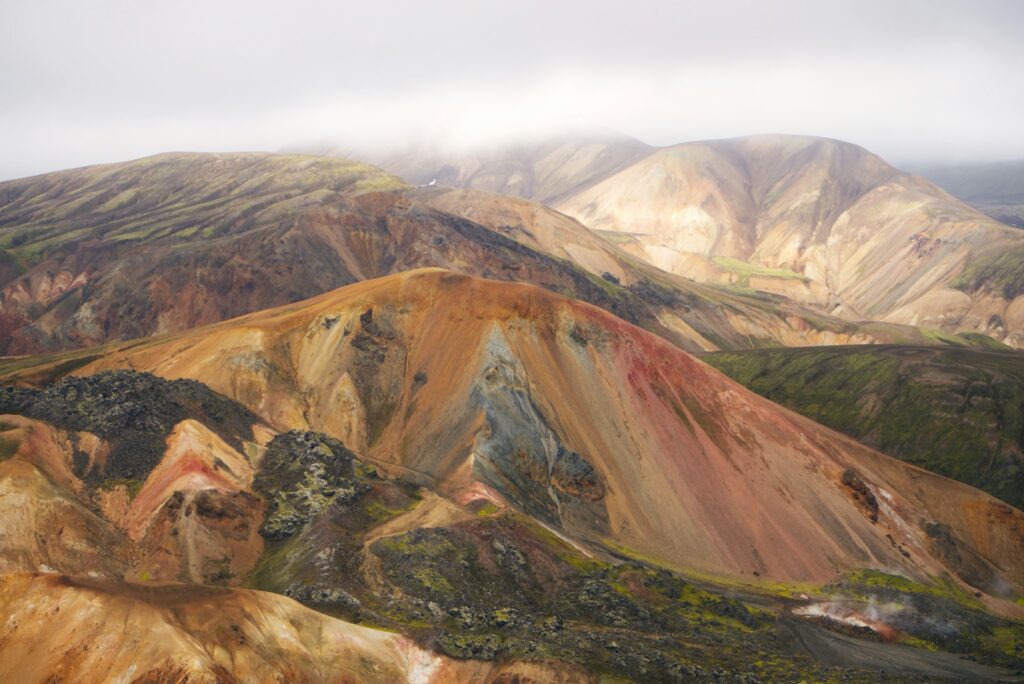
Mountain roads (marked F on maps) open only when snow has melted and the ground has dried. The Icelandic Road and Coastal Administration lists average opening dates for 2021 to 2025: Kjolur (F35) from Gullfoss around 1 June, the road to Landmannalaugar (F208 from Sigalda) around 2 June, the Dómadalur route (F225) around 16 June, Laki (F206) around 20 June and Sprengisandur (F26) around 6 July. Some years run weeks later. Check live status on road.is, the official road conditions map, before you set out. F roads need a four wheel drive vehicle, and rental terms usually ban them in a normal car.
Puffins and whales
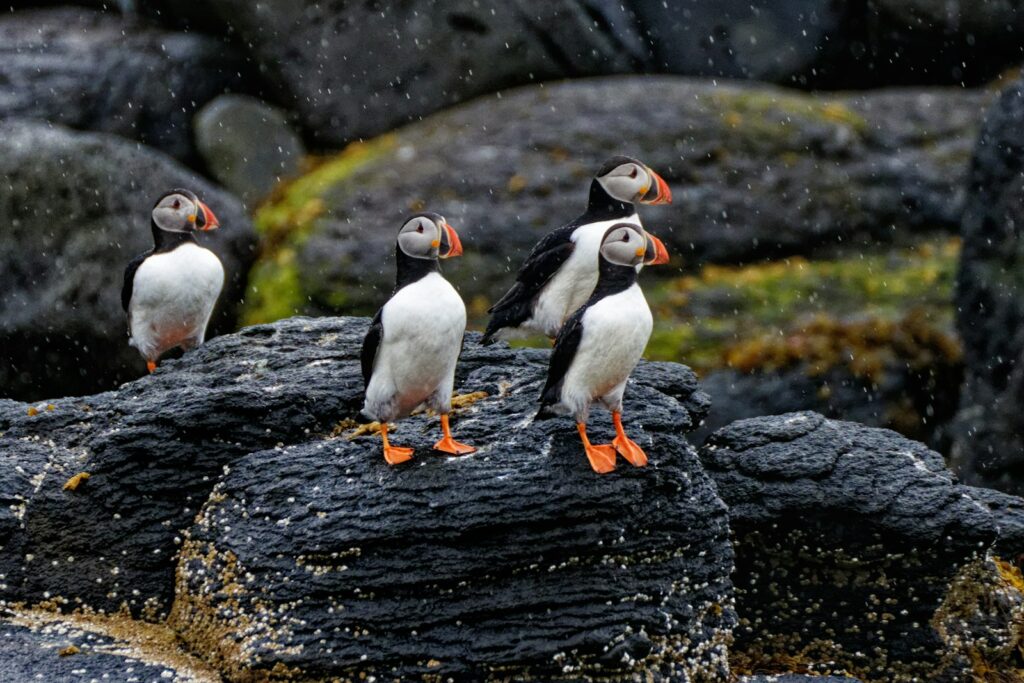
Atlantic puffins nest on Icelandic cliffs from about May to mid August, with the Westman Islands, Dyrhólaey and Borgarfjordur Eystri among the best colonies. Whale watching runs all year from Reykjavik, but summer brings calmer seas and the most sightings, especially from Húsavík in the north.
Downsides of summer
July and August are the busiest months by a wide margin: over 290,000 international departures in July 2026 and 313,000 in August 2025, more than double January. Popular sights such as Gullfoss, Seljalandsfoss and the Diamond Beach are crowded from late morning, and rooms in small towns on the south coast sell out. Book accommodation and cars several months ahead, and start sightseeing early or late in the day to beat the coaches.
Iceland in autumn (September to November)
September is the sweet spot many people overlook. Highs are still around 11°C (53°F), the first northern lights appear on clear nights, moss and birch turn red and gold, and crowds fall by about a quarter compared with August. Most F roads stay open until early or mid September, then close for winter.
October brings shorter days (about 10 hours of daylight mid month), more storms and properly dark nights. It is a good month for an aurora trip that still leaves time for daytime sightseeing. The Imagine Peace Tower on Videy island near Reykjavik is lit every night from 9 October to 8 December.
November is the quietest and usually cheapest month of the year apart from January. Daylight drops to about six and a half hours, snow often arrives in the north, and natural ice cave tours on Vatnajökull usually begin once it is cold enough. Iceland Airwaves, the city’s music festival, fills Reykjavik for a few days in early November, so book early if you go that week.
Iceland in winter (December to February)
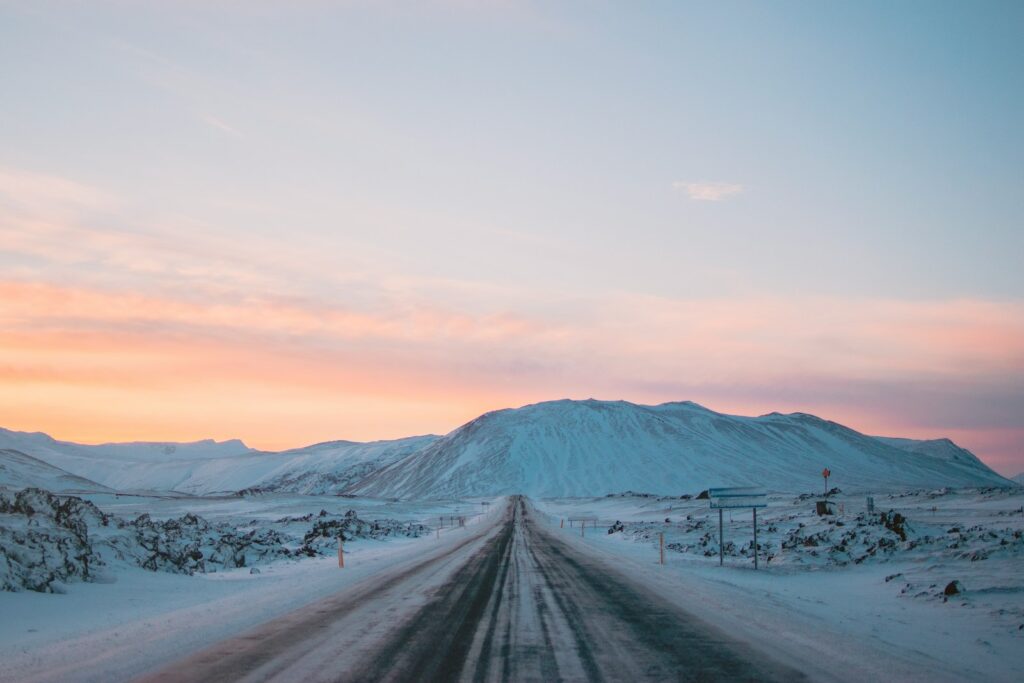
Iceland in winter is not as cold as many people think. Reykjavik’s average highs are around 3°C (38°F) and lows around minus 2°C (29°F), much like a Scottish or Chicago winter, because the Gulf Stream softens the climate. The real challenges are wind, ice and darkness. Storms close roads and mountain passes several times a month, and on 21 December the sun is up only from about 11:20 to 15:30 in Reykjavik.
What winter is good for
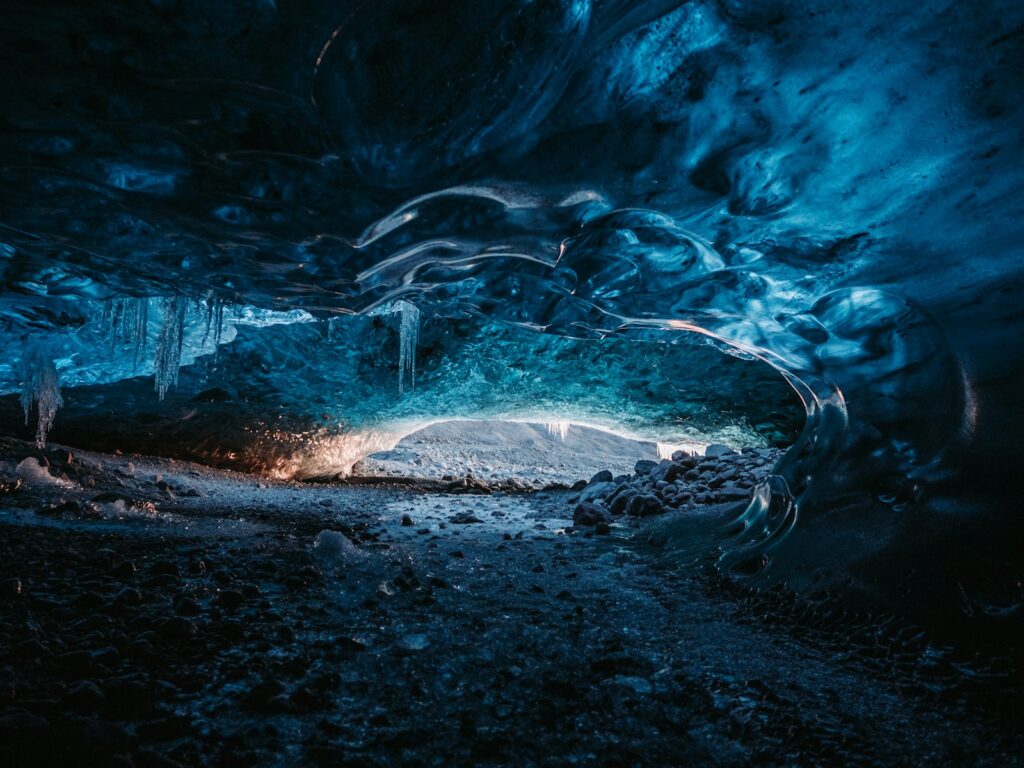
Winter is the season for northern lights, ice caves, snow covered waterfalls and long soaks in geothermal pools. The Golden Circle, the south coast as far as Vik and the Snaefellsnes peninsula are reachable on main roads most days. Christmas in Reykjavik is lively, with the 13 Yule Lads arriving one by one from 12 December, and New Year’s Eve brings bonfires and some of the biggest private firework displays in Europe.
Driving in winter
If you drive, choose a car with studded or proper winter tyres (rental cars come equipped in winter), keep to main roads and plan short distances, since you may have only five or six hours of light. Check road.is and the Met Office every morning and register your plans with Safetravel, Iceland’s official travel safety service, which also posts alerts. If the forecast turns, wait it out. A guided tour by coach or superjeep is a sensible choice for nervous drivers.
Iceland in spring (March to May)
March still feels like winter, with snow on high ground and frequent storms, but daylight jumps to around 11 and a half hours and the aurora season continues until early April. It is an underrated month for a northern lights trip with plenty of time to sightsee.
April is a quiet transition month. Roads are mostly clear in the south, prices sit between winter and summer, and the First Day of Summer (Sumardagurinn fyrsti) is a public holiday on the Thursday between 19 and 25 April, which falls on 22 April in 2027. May is the sunniest month in Reykjavik on average, puffins return to the cliffs and the long evenings begin, while the crowds of June have not yet arrived. Highland roads and some hiking trails remain closed until June.
Best time to see northern lights in Iceland
The best time to see northern lights in Iceland is from late September to March, when nights are long and fully dark. The darkest months, November to February, give the most hours of viewing, while September, October and March often have milder weather and more daylight for sightseeing. You need clear skies, darkness and solar activity together.
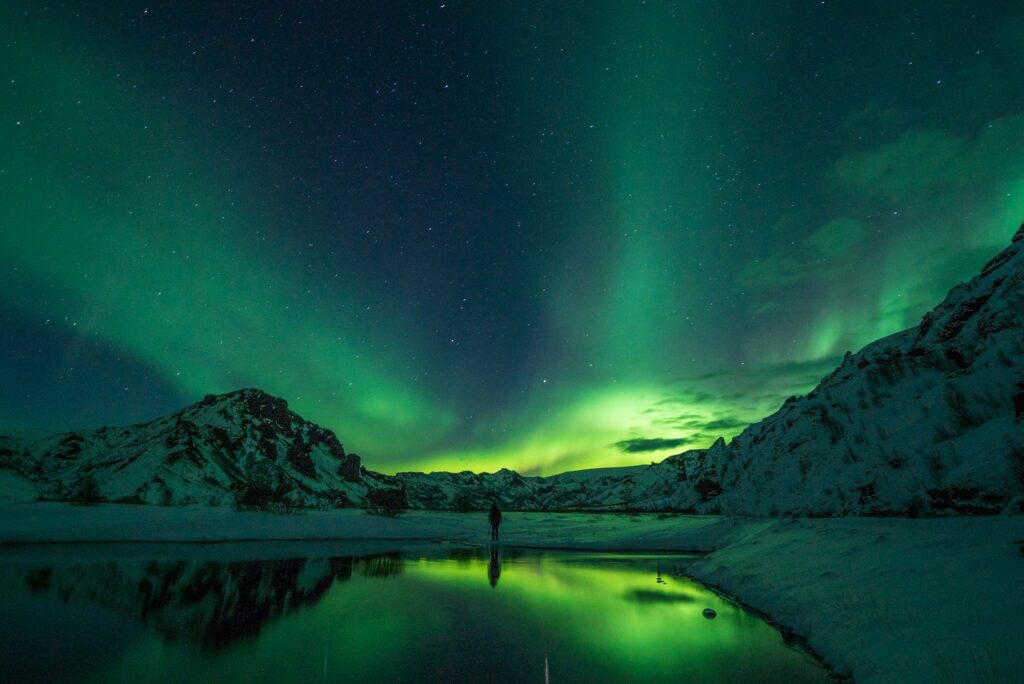
Three things decide whether you see the aurora. First, darkness: from roughly mid April to mid August the nights are too bright. Second, clouds: the Met Office aurora forecast shows predicted cloud cover by region, and the clearest skies often lie in the north or east when the south is overcast. Third, activity: the Kp index on the same page gives a rough idea of strength, but even a low reading can produce a good display on a clear night.
Plan at least three or four nights to improve your odds, avoid the days around the full moon if you can, and get away from street lights. Many northern lights tours offer a free second attempt if you see nothing on the first night, so book early in your trip.
Best month to visit Iceland by traveller type
| Traveller | Best month | Reason |
|---|---|---|
| First time visitor | June | Longest days, driest month, all roads and services open |
| Northern lights hunter | October or February | Dark nights with milder or brighter days than December |
| Hikers and trekkers | July and August | Highland trails such as Laugavegur fully accessible |
| Families | June to August | Mildest weather, school holidays, puffins and whales |
| Photographers | September | Aurora, autumn colours and a golden light for most of the day |
| Budget travellers | November or January | Fewest visitors and lowest prices |
| Couples | March or September | Aurora odds, quieter hot pools and sensible daylight |
| Winter lovers | February | Snow, ice caves, Winter Lights Festival and more daylight than December |
If you can only choose one month to visit Iceland, choose June for a road trip or September for a mix of everything. Both give you most of the country at a lower cost than July and August.
Cheapest time to visit Iceland
The cheapest time to visit Iceland is November and January to March, excluding Christmas and New Year. Arrivals fall to around 120,000 to 155,000 a month, against more than 290,000 in July and August, so flights, hotels and rental cars are easier to find and generally cheaper. Late April and May are the best value months for milder weather.
Iceland is expensive in any season, so timing helps most with flights, rooms and cars rather than daily costs. A few tips:
- Book early for summer: rooms outside Reykjavik and four wheel drive cars sell out months ahead for July and August.
- Fly midweek: fares from the UK and US are often lower on Tuesdays and Wednesdays than at weekends.
- Avoid peak weeks: Christmas, New Year and the first weekend of August push prices up.
- Self cater: supermarkets such as Bónus and Krónan cost far less than restaurants, and tap water is excellent and free.
- Use a card: cards are accepted almost everywhere, even for small amounts, so you rarely need cash.
Prices are in Icelandic króna (ISK). In November 2026 £1 bought about 163 ISK and $1 about 122 ISK, so ISK 10,000 is roughly £61 / $82.
Iceland events calendar for 2027
Dates for city festivals are set each year, so check before you book. Fixed holidays and traditions are listed with their usual timing.
| When | Event | What to expect |
|---|---|---|
| 6 January | Threttandinn | End of Christmas with bonfires and fireworks |
| Late January to late February | Thorri and Thorrablot | Midwinter feasts of traditional food |
| Early February | Winter Lights Festival | Light art, Museum Night and Pool Night in Reykjavik |
| Late January or early February | Dark Music Days | Contemporary music festival in Reykjavik |
| Spring | DesignMarch | Reykjavik design festival across the city |
| 22 April | First Day of Summer | Public holiday with parades in towns |
| 17 June | National Day | Parades and concerts across the country |
| Around 21 June | Summer solstice | Brightest night of the year |
| 30 July to 2 August | Thjodhatid, Westman Islands | Huge festival over the Commerce Day long weekend |
| Early to mid August | Reykjavik Pride | Week of events and a parade |
| Mid to late August | Culture Night and Reykjavik Marathon | Free city events ending in fireworks |
| Late September to early October | RIFF film festival | Reykjavik International Film Festival |
| 9 October to 8 December | Imagine Peace Tower | Light column on Videy island every night |
| Early November | Iceland Airwaves | Music festival in Reykjavik venues |
| November | Iceland Noir | Crime fiction festival in Reykjavik |
| 12 to 24 December | Yule Lads | One Yule Lad arrives each night before Christmas |
| 31 December | New Year’s Eve | Bonfires and fireworks across Reykjavik |
Shops and many restaurants close early on 24 and 31 December, and some stay shut on 25 December and 1 January. Book Christmas and New Year dinners well ahead.
UK and US travel essentials for Iceland
Entry rules
Iceland is in the Schengen area but not the EU. UK and US passport holders can visit without a visa for up to 90 days in any 180 day period. UK passports must be under 10 years old on the day you arrive and valid for at least three months after the day you plan to leave; US travellers should have at least three months beyond departure. The EU Entry/Exit System applies at Keflavik, so expect to give fingerprints and a photo on your first entry. The ETIAS travel authorisation was not running in November 2026 and has no confirmed start date. Our EES and ETIAS guide explains both systems.
Flights
From the UK, flights to Keflavik take about three hours. Icelandair flies from London Heathrow and Gatwick, and easyJet from several UK airports including London and Manchester. From Manchester, easyJet, Icelandair and Jet2 fly direct in about 2 hours 55 minutes. If you fly with easyJet, check our easyJet hand luggage guide, as a heavy winter coat and boots take up space.
From the US, Delta and Icelandair fly nonstop from New York JFK in about 5 hours 45 minutes, and Icelandair also serves Newark, Boston and other East Coast and Midwest cities. There is no nonstop flight from Los Angeles; connect through an East Coast hub, Seattle, Denver or Canada for a journey of around 10 to 12 hours flying time. Several US routes are seasonal, running roughly May to October.
Keflavik airport is about 50 km (31 miles) from Reykjavik, around 45 minutes by road. Flybus and other airport coaches meet every arrival.
Time, plugs and money
- Time difference: Iceland uses GMT all year with no daylight saving. It is the same time as London in winter and one hour behind during UK summer time. New York is five hours behind Iceland in winter and four hours behind in summer.
- Plugs and voltage: Type C and F sockets, 230 volts. UK visitors need a European adapter; US visitors need an adapter and should check that devices accept 230 volts.
- Tipping: service is included in prices and tipping is not expected, unlike in the US. Rounding up or leaving a little for an excellent guide is appreciated but optional.
- Currency: Icelandic króna. Contactless card payment works almost everywhere, including petrol stations, which often require a PIN.
Driving
Iceland drives on the right, which is the same as the US and the opposite of the UK. UK and US driving licences in the Latin alphabet are accepted for visits, though rental firms set their own minimum age and years held. Driving off marked roads is illegal and heavily fined, speed limits are 90 km/h (56 mph) on paved rural roads and 80 km/h (50 mph) on gravel, and on single lane bridges the first car to arrive crosses first. Headlights must be on at all times.
Things to know before you go to Iceland
Most first time visitors say the same things afterwards. Weather changes fast, so a dry morning can become a gale by lunch. Distances look short on the map but take longer, especially in winter or on gravel. Wind is the real danger: hold car doors firmly, since gusts can bend them back. Sneaker waves at Reynisfjara black sand beach have killed visitors, so stay well back from the water. Many swimming pools expect you to shower without a swimsuit before entering, and hot pools are a big part of daily life, not just a tourist attraction.
FAQs
What is the best time to visit Reykjavik?
The best time to visit Reykjavik is June to August for long days, outdoor cafes and festivals, or late September to March for northern lights trips based in the city. Reykjavik works well all year because museums, pools and restaurants stay open, so it is the best base for a short winter break.
What I wish I knew before going to Iceland?
Visitors most often wish they had known how fast the weather changes, how long drives take, how expensive food and drink are, and how strong the wind can be. Bring waterproof layers in every season, check the road and weather websites every morning, and do not turn your back on the sea at black sand beaches.
What is it like to visit Iceland in July?
July is Iceland’s warmest and busiest month. Reykjavik averages highs of about 15°C (59°F), there are nearly 20 hours of daylight, highland roads usually open during the month and all tours run. Expect crowds at major sights and the highest prices, and book rooms and cars well ahead. You will not see the northern lights in July.
What are the cheapest months to visit Iceland?
The cheapest months to visit Iceland are November, January, February and March, outside the Christmas and New Year holidays. Visitor numbers are at their lowest, so flights, hotels and rental cars cost less. For milder weather at a fair price, choose late April, May or late September.
How many days in Iceland is enough?
Four to five days is enough for Reykjavik, the Golden Circle and the south coast as far as Vik. Allow seven to ten days to drive the full Ring Road in summer, and at least ten days in winter, when shorter days and weather delays slow you down.
Should I bring toilet paper to Iceland?
You do not need to pack toilet paper for towns, hotels or guesthouses, but a small pack of tissues is useful on road trips. Public toilets can be far apart in rural areas, some at popular sights charge a small card fee, and you should never leave paper outdoors. Plan stops at petrol stations and visitor centres.
Is it better to visit Iceland in summer or winter?
Choose summer for driving the whole Ring Road, hiking, the highlands, puffins and the midnight sun. Choose winter for the northern lights, ice caves and snowy scenery at lower prices. If you want some of both, go in September or March.
When can you see the midnight sun in Iceland?
The brightest period runs from late May to late July. Around the 21 June solstice the sun sets in Reykjavik for only about three hours and the sky never gets dark. True midnight sun, with no sunset at all, is limited to Grimsey island and the far north.
Our verdict
For most travellers the best time to visit Iceland is June, with September a close second. June gives the most daylight and the driest weather before the July and August crowds; September adds the first northern lights and autumn colours at lower prices. Pick November to March only if the aurora and ice caves are your main reason to go, and build in spare days for the weather.
Plan the rest of your trip
- Entry rules: read our EES and ETIAS explainer before you fly to Keflavik.
- Hand luggage: pack your layers within the rules with our easyJet hand luggage guide.
- Winter city break: combine Reykjavik with one of the best Christmas markets in Europe.
- Nordic stopover: add a few days with our guide to things to do in Copenhagen.
- Further afield: plan a seasonal trip with our best time to visit Japan guide.