
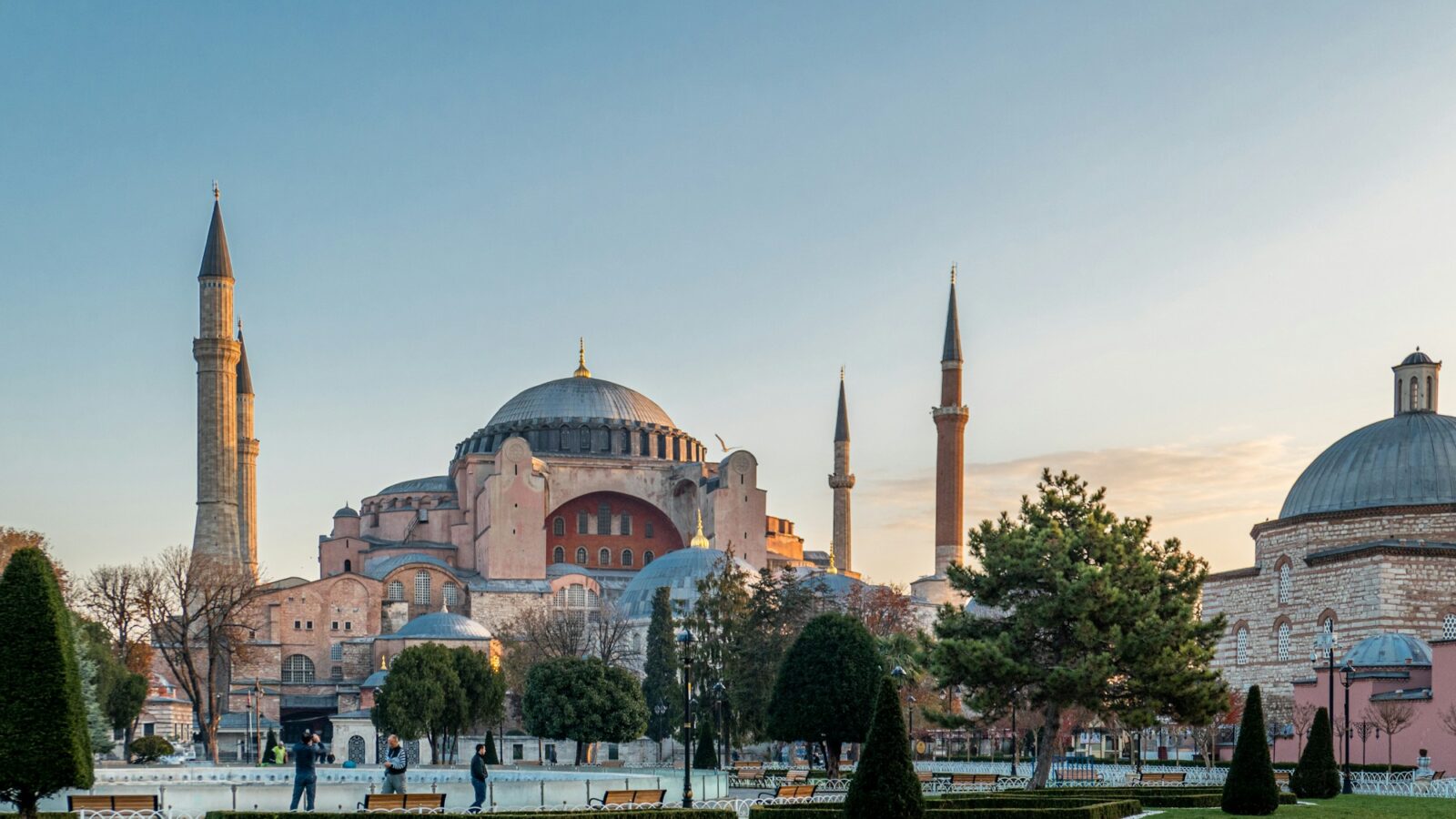
Things to do in Istanbul start with the Hagia Sophia, Topkapi Palace and a ferry on the Bosphorus, but the city rewards anyone who also walks its hills, eats in its markets and crosses to the Asian side. This guide picks the 20 best things to do for a first or return visit, with November 2026 prices, opening days, transport and the rules that changed this year.
Some links in this guide are affiliate links: if you book through them we may earn a commission at no extra cost to you. It never changes what we recommend. How we make money.
Several things changed in 2026 that many older guides still miss. The Basilica Cistern moved to a new operator in June, Topkapi Palace is now run by the National Palaces administration, transport fares rose in July and the Hagia Sophia keeps its separate paid route for foreign visitors. We checked prices against official and current sources in November 2026 and show lira or euros with approximate pounds and dollars at TRY 100 = about £1.51 / $1.97 and EUR 1 = about £0.84 / $1.10. Lira prices change often, so treat every figure as a guide.
Things to do in Istanbul at a glance
| Pick | Area | Time needed | Adult price (checked Nov 2026) |
|---|---|---|---|
| Hagia Sophia | Sultanahmet | 1 hour | EUR 25 upper gallery route |
| Blue Mosque | Sultanahmet | 30 minutes | Free |
| Topkapi Palace and Harem | Sultanahmet | 3 hours | TRY 2,750 combined ticket |
| Basilica Cistern | Sultanahmet | 45 minutes | Paid for foreign visitors (check on the day) |
| Grand Bazaar | Beyazıt | 2 hours | Free (closed Sundays) |
| Süleymaniye Mosque | Eminönü | 45 minutes | Free |
| Bosphorus cruise | Eminönü and the shores | 2 to 6 hours | From a ferry fare |
| Galata Tower | Karaköy | 1 hour | Museum Pass or single ticket |
| Dolmabahçe Palace | Beşiktaş | 2 hours | TRY 2,000 (closed Mondays) |
| Balat and Fener | Golden Horn | Half a day | Free |
| Kadıköy | Asian side | Half a day | A ferry fare |
| Princes’ Islands | Sea of Marmara | A full day | TRY 151.23 ferry fare |
What our Turkey video covers
From Hagia Sophia and the Grand Bazaar to Cappadocia's balloons, Ephesus, Pamukkale, Mount Nemrut and Sumela Monastery, here are 30 essential things to do in Turkey.
Jump to a chapter (31)
- 0:45 Hagia Sophia
- 1:24 The Blue Mosque
- 1:51 Topkapı Palace
- 2:13 The Grand Bazaar
- 2:36 The Spice Bazaar
- 2:52 Bosphorus cruise
- 3:13 Galata Tower
- 3:28 Basilica Cistern
- 3:44 Istanbul street food
- 4:07 Cappadocia by hot-air balloon
- 4:35 Göreme Open-Air Museum
- 4:51 Stay in a cave hotel
- 5:05 An underground city
- 5:29 Devrent Valley
- 5:50 Pottery in Avanos
- 6:10 Ephesus
- 6:38 Temple of Artemis
- 6:55 Troy
- 7:10 Mount Nemrut
- 7:34 Pamukkale and Cleopatra's Pool
- 7:58 Paragliding over Ölüdeniz
- 8:15 A blue cruise
- 8:31 Kekova's sunken city
- 8:54 Antalya's old town
- 9:11 Bodrum
- 9:38 Whirling dervish ceremony
- 9:56 Turkish bath (hamam)
- 10:12 Turkish breakfast
- 10:33 Turkish tea
- 10:45 Turkish coffee
- 11:00 Sumela Monastery
How to choose what to do in Istanbul
Istanbul is split by water. The historic peninsula, with Sultanahmet, the bazaars and the great mosques, sits on the European side south of the Golden Horn. Galata, Karaköy, Beyoğlu and Beşiktaş lie across the Golden Horn, still in Europe. Kadıköy and Üsküdar face them across the Bosphorus in Asia. Plan each day around one side and you will spend far less time in traffic, because many of the best things to do in Istanbul sit within walking distance of each other.
For a first visit, give Sultanahmet one full day (Hagia Sophia, the Blue Mosque, Topkapi and the Basilica Cistern), give the bazaars and Süleymaniye a morning, and save one day for the water: a Bosphorus cruise, then Kadıköy or Üsküdar. Check the weekly closures before you plan: Topkapi closes on Tuesdays, Dolmabahçe on Mondays and the Grand Bazaar on Sundays.
UK and US passport holders pay the foreign visitor rate at most sights, and several now quote prices in euros. The Museum Pass Istanbul costs EUR 105 (about £88 / $115) for five days from your first museum visit. It can save money and queues if you plan Topkapi, Galata Tower and the Archaeological Museums, but it does not cover the Hagia Sophia gallery, the Basilica Cistern or Dolmabahçe. More on that below.
1. Hagia Sophia
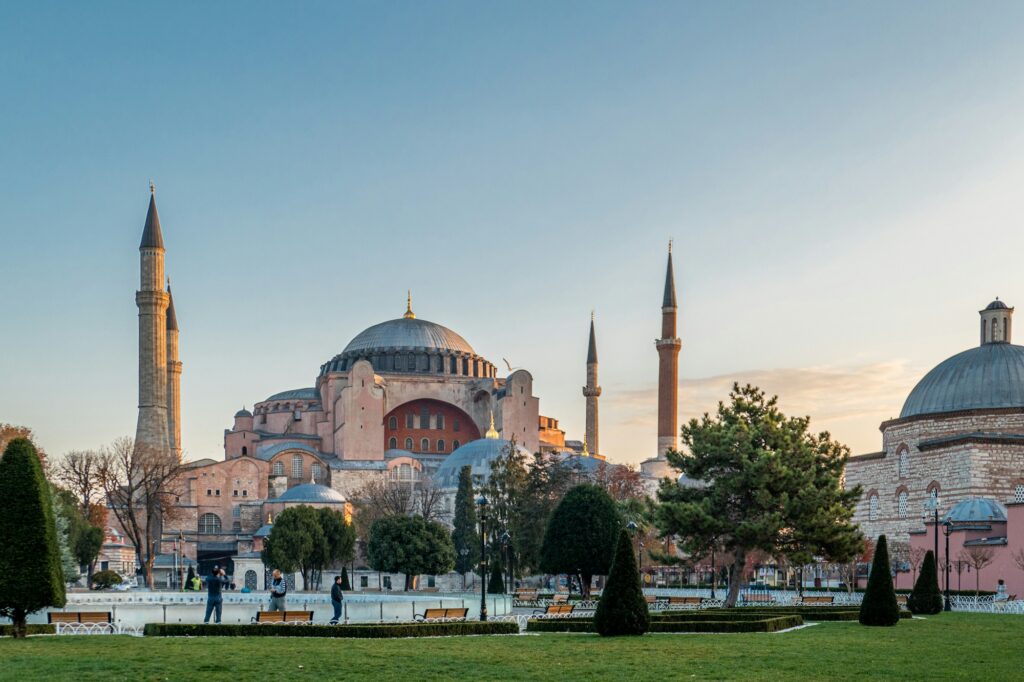
Built as a cathedral in the sixth century under the emperor Justinian, then a mosque, then a museum, the Hagia Sophia became a mosque again in 2020. Its dome is still one of the great sights of the world, and the upper gallery holds the finest Byzantine mosaics in the city.
Hagia Sophia tickets for foreign visitors cost EUR 25 (about £21 / $27), a fee in place since 15 January 2024. The ticket covers a separate visitor route that takes you up to the upper gallery rather than onto the prayer floor, which is kept for worship. Children up to six are free. The Museum Pass does not cover this route.
- Getting there: T1 tram to Sultanahmet, then a two minute walk. The visitor entrance and ticket booth are on the south side, near the Fountain of Ahmed III and the outer gate of Topkapi Palace.
- Hours: there is no official published timetable for the visitor route. It usually opens around 9am and closing times vary by season, so check on the day.
- Prayer times: on Fridays the building closes to tourists from about 30 minutes before to 90 minutes after the noon prayer, and staff can pause entry briefly at other prayer times.
- Dress code: cover shoulders and knees, and women need to cover their hair. Scarves and wraps are sold at the entrance.
- With a tour: a guide explains the Byzantine and Ottoman layers, which are hard to read on your own. Guided visits do not run on Fridays.
- Without a tour: buy your ticket at the south entrance or through the official sales channel and go early in the morning.
2. The Blue Mosque and Sultanahmet Square
The Sultan Ahmed Mosque, known as the Blue Mosque for the Iznik tiles inside, faces the Hagia Sophia across a garden square. It is a working mosque and free to visit outside prayer times. Expect a queue at busy times and a short closure around each prayer.
Next to it, the long open space of Sultanahmet Square was the Hippodrome of Constantinople, where chariot races were held. Look for the Egyptian obelisk, the bronze Serpent Column and the German Fountain, all free to see.
- Getting there: T1 tram to Sultanahmet.
- Time needed: 30 minutes inside, longer if you wait for a prayer to end.
- Tips: take your shoes off at the door (bags are provided), dress modestly and avoid the Friday midday prayer, the busiest of the week.
3. Topkapi Palace and the Harem
Topkapi Palace was the home and seat of government of the Ottoman sultans for about 400 years. Its courtyards, pavilions and terraces look over the Bosphorus, and the Treasury, the relic rooms and the tiled Harem are the highlights.
Topkapi Palace is now managed by the National Palaces administration. When we checked in November 2026, its official site listed a combined ticket for foreign visitors at TRY 2,750 (about £41 / $54), covering the palace, the Harem and Hagia Irene, the Byzantine church in the first courtyard. Harem only and Hagia Irene only tickets cost TRY 1,050 (about £16 / $21) each.
- Getting there: T1 tram to Sultanahmet or Gülhane, then walk through the Imperial Gate behind the Hagia Sophia.
- Hours: ticket office 9am to 5pm. Closed on Tuesdays.
- Time needed: three hours with the Harem.
- With a tour: a guide brings the Harem and the court rituals to life and handles the ticket queue.
- Without a tour: arrive at opening, see the Harem first while it is quiet, then the Treasury.
- Museum Pass: the official Museum Pass Istanbul list includes Topkapi and the Harem, but check at the gate, as the palace changed management.
4. Basilica Cistern
This vast underground reservoir was built in the sixth century to store water for the Great Palace. Today you walk on raised paths between 336 columns, past two carved Medusa heads used as column bases, with soft lighting and art installations.
The cistern moved from the city council to the General Directorate of Foundations on 2 June 2026 and reopened on 6 June. Turkish citizens now enter free, while foreign visitors pay. We could not confirm the new foreign visitor price in November 2026; before the handover it was about TRY 1,300 (about £20 / $26). The Museum Pass is not accepted.
- Getting there: a three minute walk from the Sultanahmet tram stop, across the road from the Hagia Sophia.
- Time needed: 30 to 45 minutes.
- Tip: evening sessions with a higher price ran under the previous operator; check whether they continue before you plan a night visit.
5. Istanbul Archaeological Museums and Gülhane Park
Three museums in one complex below Topkapi hold some of the finest ancient pieces in the region, including the carved Alexander Sarcophagus and treasures from across the former Ottoman lands. Entry was EUR 17 (about £14 / $19) in spring 2026 and it is covered by the Museum Pass.
Gülhane Park, once the outer garden of the palace, runs down the hill next to the museums. It is free, shaded and a good place to rest between sights. At the bottom, the Museum of the History of Science and Technology in Islam is also on the Museum Pass.
6. The Grand Bazaar
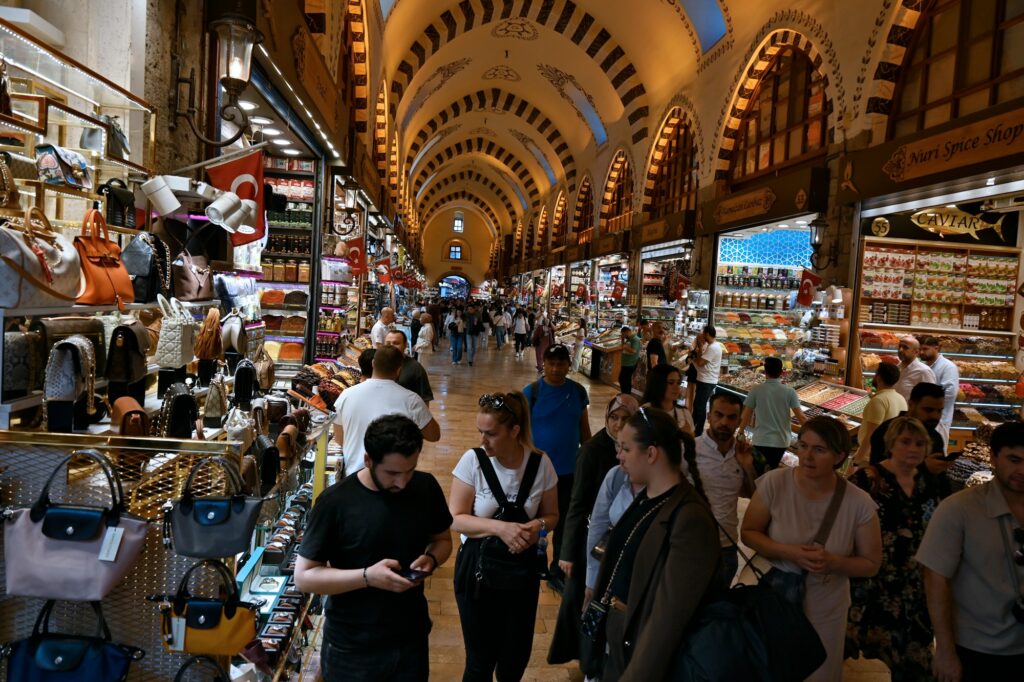
The Grand Bazaar is one of the oldest and largest covered markets in the world, with thousands of shops under painted vaults selling carpets, lamps, ceramics, leather, jewellery and textiles. It is a maze, so pick an exit gate as a meeting point.
- Getting there: T1 tram to Beyazıt Kapalıçarşı or Çemberlitaş.
- Hours: open Monday to Saturday, roughly 9am to 7pm. Closed on Sundays and on religious holidays, so do not save it for your last Sunday.
- Bargaining: expected in most shops. Decide your price first, offer well below the asking price and be ready to walk away politely.
- Tip: the side streets that run downhill towards Eminönü are where locals shop, and prices drop as you leave the main lanes.
7. Süleymaniye Mosque
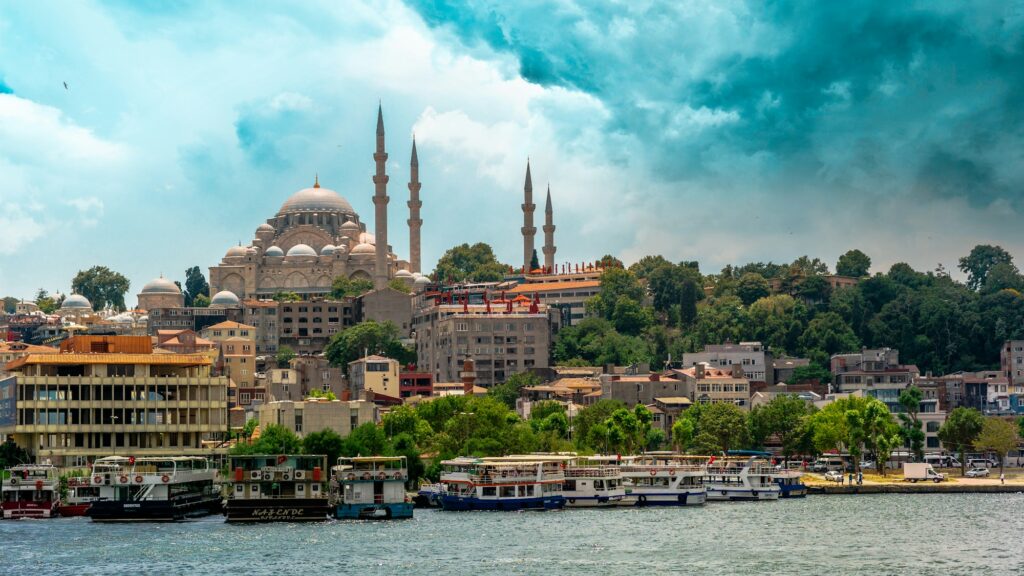
Many Istanbul residents will tell you this is the city’s most beautiful mosque. Designed by the architect Sinan for Suleiman the Magnificent and finished in the 1550s, it crowns the third hill above the Golden Horn. It is free, calmer than the Blue Mosque and has terraces with one of the best free views in Istanbul.
- Getting there: a 10 minute walk uphill from the Grand Bazaar or from Eminönü.
- Tip: visit the tombs of Suleiman and his wife Hürrem in the garden, then eat bean stew at one of the old canteens on the street outside.
8. The Spice Bazaar and Eminönü
The Spice Bazaar, also called the Egyptian Bazaar, is smaller and easier than the Grand Bazaar, with spices, Turkish delight, dried fruit, nuts, tea and coffee. Unlike the Grand Bazaar, it is a good Sunday option.
Outside, Eminönü is the busiest ferry hub in the city. Grab a fish sandwich (balık ekmek) by the water, buy a simit (a sesame bread ring) from a street cart and walk across the Galata Bridge, where anglers line the rails day and night.
9. A Bosphorus cruise
A Bosphorus cruise is the best way to see how the city spreads over two continents, past Ottoman palaces, wooden waterside mansions and the Rumeli Fortress. You have three choices: a public ferry, the city ferry company’s sightseeing tour, or a private cruise.
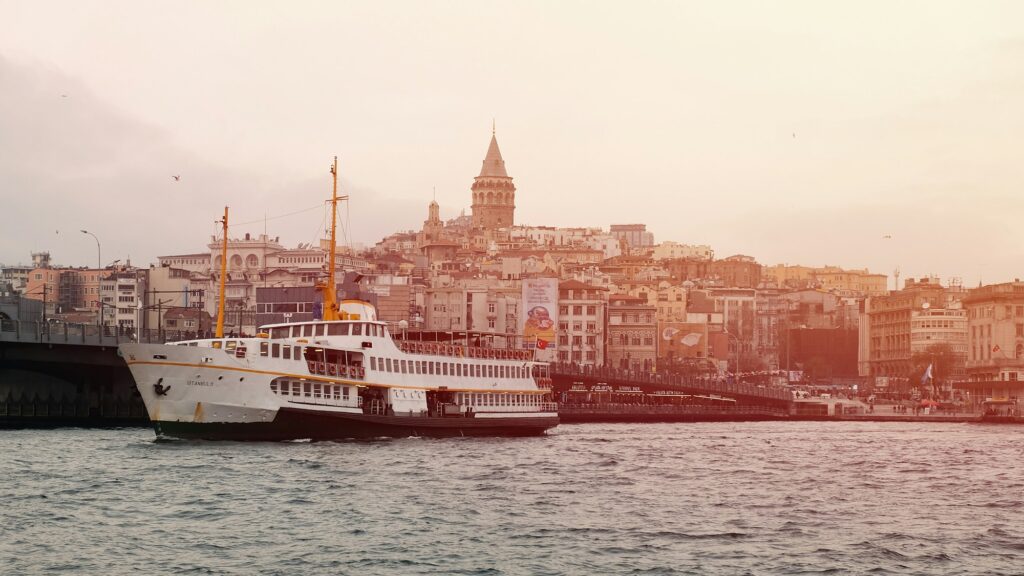
The cheapest option is simply to ride a public ferry. On the city ferry lines (Şehir Hatları), Eminönü to Üsküdar cost TRY 53.20 (about 80p / $1.05) in summer 2026, and Istanbulkart ferry fares ran from TRY 50.15 to TRY 76.90 after the July 2026 rise. It is a crossing rather than a cruise, but the views are the same.
Şehir Hatları also runs sightseeing tours from Eminönü. The Long Bosphorus Tour takes about six hours return, with a stop of around three hours at Anadolu Kavağı near the Black Sea, where you can climb to Yoros Castle and eat fish. The Short Bosphorus Tour lasts about two hours without a stop. Both use a special fare that changes by season, so check at the Eminönü pier.
Private cruises add a guide, a commentary, sunset timings or dinner and entertainment, and they collect you from hotels. Book these if you want a set time and a seat, especially in the evening.
10. Galata Tower and Karaköy
The round stone Galata Tower dates from the Genoese era and has a viewing balcony over the Golden Horn and the old city. It is on the Museum Pass list; single tickets cost about TRY 1,750 (about £26 / $35) in spring 2026. Queues build in the late afternoon, so come early or use the pass.
The streets below, around Karaköy, are full of cafes, galleries and old warehouses turned into restaurants. Try baklava at one of the long running pastry shops near the waterfront.
11. Istiklal Avenue and Beyoğlu
Istiklal Avenue is a pedestrian street of about 1.4km running from Tünel to Taksim Square, with a red heritage tram, side streets of bars and passages such as the flower passage (Çiçek Pasajı). It is busy at all hours.
- Getting there: the historic Tünel funicular from Karaköy climbs to the bottom of the street, or take the M2 metro to Şişhane or Taksim.
- Tip: hold on to your phone and wallet in the crowds, and ignore strangers who invite you to a bar, a known scam in Beyoğlu.
12. Dolmabahçe Palace
The Ottoman court moved from Topkapi to this lavish European style palace on the Bosphorus in the 1850s. Atatürk, the founder of the modern republic, died here in 1938. The crystal staircase and the vast ceremonial hall are the highlights.
The official site listed a foreign visitor ticket of TRY 2,000 (about £30 / $39) in November 2026 for the Selamlık, the Harem and the Painting Museum. The ticket office is open from 9am to 5pm and the palace is closed on Mondays. It is not on the Museum Pass.
- Getting there: T1 tram to Kabataş, then a five minute walk.
- Tip: photography rules are strict inside, so check the signs at the door.
13. A Turkish bath (hammam)
A hammam is a steam room, a hot marble platform, a scrub with a coarse mitt and a foam wash. The historic baths in the old city are the most atmospheric, including Çemberlitaş, Kılıç Ali Paşa in Karaköy and the restored Ayasofya Hürrem Sultan between the Hagia Sophia and the Blue Mosque.
Prices at the historic baths are far higher than at neighbourhood baths, so compare what is included (scrub, foam wash, massage, towels) before you book. Most have separate sections or times for men and women.
14. A whirling dervish ceremony
The sema of the Mevlevi order is a religious ceremony, not a show, so watch in silence and do not clap. Regular performances for visitors take place at the Hodjapasha Cultural Center near Sirkeci, and the Galata Mevlevi House Museum in Beyoğlu, a former dervish lodge on the Museum Pass list, also hosts ceremonies. Check dates in advance, as they do not run every day.
15. Balat and Fener
These old neighbourhoods on the Golden Horn were home to Greek, Jewish and Armenian communities. Today they are known for steep streets of painted houses, antique shops, cafes and churches, including the Ecumenical Patriarchate in Fener and the red brick Phanar Greek school on the hill.
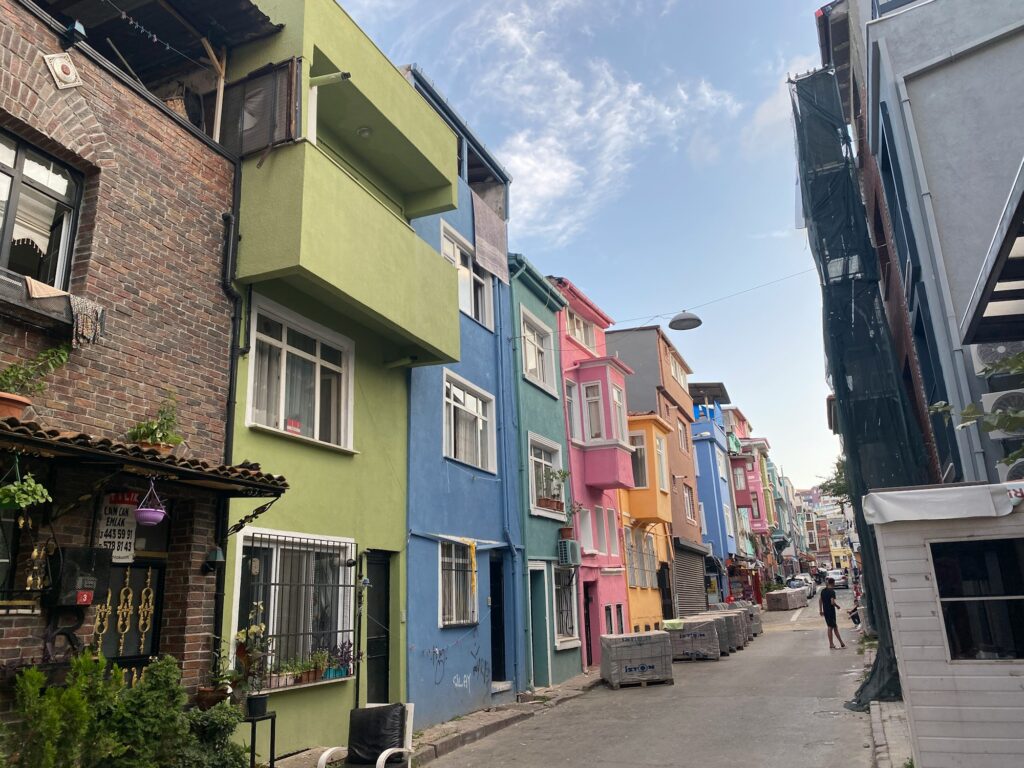
- Getting there: buses run along the Golden Horn from Eminönü, or take a Golden Horn ferry to Fener or Balat.
- Tip: people live in the houses that appear in every photo, so be respectful with cameras.
16. Chora (Kariye Mosque)
The former Chora Church holds some of the most beautiful late Byzantine mosaics and frescoes anywhere. It reopened as a mosque in 2024, with the mosaic areas still open to visitors. There is a fee for foreign visitors; check the current price at the door. It is close to the old city walls, so combine it with Balat.
17. Kadıköy and Moda on the Asian side
Take the ferry to Kadıköy for a different Istanbul: a busy food market, fishmongers, pickle shops, record stores and bars. Walk south to Moda for a seafront promenade and tea gardens with views back to the old city. It is the easiest way to see where many Istanbul residents spend their weekends.
- Getting there: ferries from Eminönü, Karaköy and Beşiktaş, or the Marmaray rail tunnel under the Bosphorus.
- Time needed: half a day.
18. Üsküdar and the Maiden’s Tower
Üsküdar is a conservative, historic district on the Asian shore with fine mosques by Sinan. Just offshore stands the Maiden’s Tower, a small tower on an islet that reopened after restoration and is on the Museum Pass list. The waterfront between Üsküdar and Salacak is one of the best places in Istanbul to watch the sunset over the old city skyline.
19. Istanbul Modern
Istanbul Modern, the city’s leading museum of modern and contemporary art, sits in a waterfront building by the architect Renzo Piano in Karaköy. Its collection of Turkish art and its temporary shows make it a good rainy day choice, and the terrace cafe looks over the Bosphorus. It is a private museum and not on the Museum Pass.
20. A Turkish breakfast and a food tour
A Turkish breakfast (kahvaltı) is a spread of cheeses, olives, tomatoes, cucumbers, honey with clotted cream (kaymak), eggs cooked with peppers (menemen) and bread, with endless tea. Try one in Beşiktaş, Kadıköy or Cihangir. Later, try a kebab, meze plates, pide (Turkish flatbread), lahmacun and baklava.
Eating well is one of the most rewarding things to do in Istanbul, and a food tour is an easy way to taste a lot quickly, and many cross to the Asian side by ferry to visit the Kadıköy market.
Things to do in Istanbul at night
Things to do in Istanbul at night centre on the water and the hills above it. Galata, Karaköy and Beyoğlu have the densest choice of bars and restaurants, while Kadıköy and Moda are younger and more relaxed.
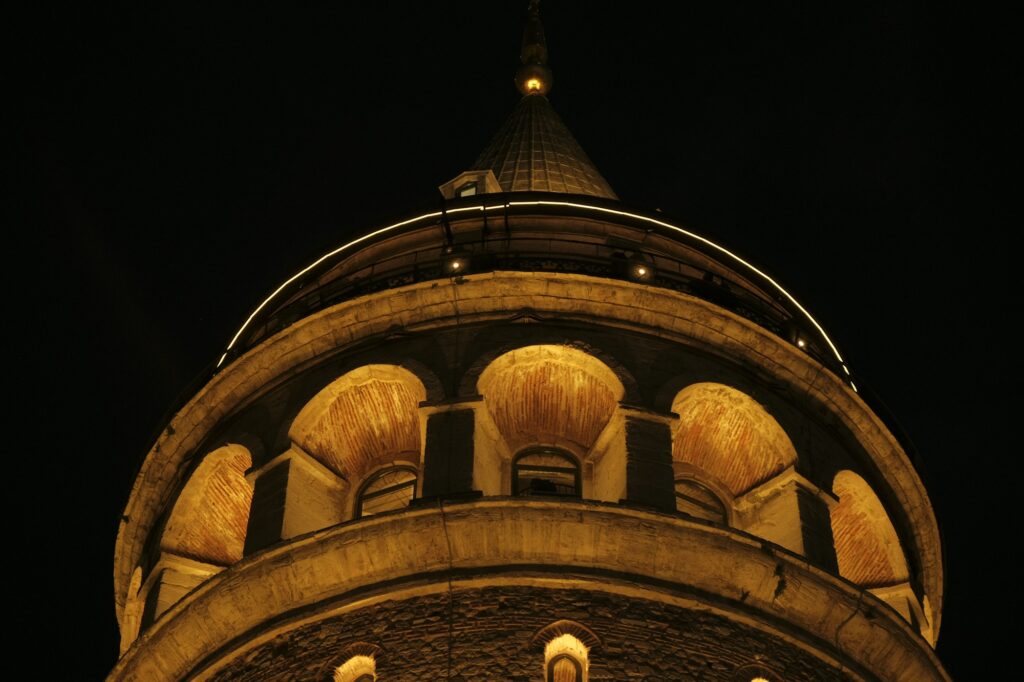
- Ride an evening ferry: cross from Eminönü or Karaköy to Kadıköy at dusk for the lights of the old city and the bridges, for the price of a ferry ticket.
- Take a dinner cruise: most sail from the European shore and pass under the lit Bosphorus Bridge, with music and a set menu.
- Find a rooftop: many hotels and bars in Sultanahmet, Karaköy and Beyoğlu have terraces with views of the mosques lit up at night.
- Walk Istiklal Avenue: it stays lively late, with live music in the side streets.
- See a whirling dervish ceremony: evening performances at the Hodjapasha Cultural Center.
- Eat late: meyhanes (taverns serving meze and rakı, the aniseed spirit) in Beyoğlu and Kadıköy fill up after 9pm.
Day trips from Istanbul
Once you have covered the main things to do in Istanbul, the best day trips from Istanbul are easy by ferry, bus or tour. The Princes’ Islands are the simplest; Edirne and Bursa need a long day.
- Princes’ Islands: a group of car free islands in the Sea of Marmara. Büyükada, the largest, has wooden mansions, pine woods and a hilltop monastery. Ferries leave from Kabataş and Eminönü, and the Istanbulkart fare to the islands was TRY 151.23 (about £2.30 / $3) after July 2026.
- Edirne: the former Ottoman capital near the Greek and Bulgarian borders, with the Selimiye Mosque, considered Sinan’s masterpiece. Allow about two and a half to three hours each way by bus.
- Bursa: the first Ottoman capital, known for silk markets, the Green Mosque and İskender kebab. Fast ferries across the Sea of Marmara and coaches make it a long but possible day.
- Gallipoli: the First World War battlefields and memorials. It is about five hours each way by road, so most people join an organised day tour or stay overnight.
- The Black Sea coast: Şile and Kilyos have beaches and fishing villages, best in summer.
Istanbul Museum Pass: is it worth it?
The Museum Pass Istanbul costs EUR 105 (about £88 / $115) on the official Museums of Türkiye site and is valid for five days from your first museum entry. It covers 13 sites run by the Ministry of Culture and Tourism, including Topkapi Palace and the Harem, Hagia Irene, the Archaeological Museums, Galata Tower, the Maiden’s Tower, the Great Palace Mosaic Museum, the Museum of Turkish and Islamic Arts, Rumeli Fortress and the Galata Mevlevi House Museum.
If your list of things to do in Istanbul is heavy on palaces and museums, it is worth a look. It does not cover the Hagia Sophia gallery route, the Basilica Cistern, Dolmabahçe Palace or private museums such as Istanbul Modern. At the prices above, Topkapi with the Harem, Galata Tower and the Archaeological Museums already come close to EUR 105, so the pass pays off if you add one or two more sites, and it saves time at ticket queues. If you only want Topkapi, buy a single ticket.
What to skip or leave for another trip
Some things to do in Istanbul that appear on long lists are better left for another trip.
- Cappadocia as a day trip: it is more than an hour away by air and needs at least two nights to enjoy the valleys and balloon flights.
- Ephesus and Pamukkale: both are far down the Aegean coast and need their own trip.
- Taxis hailed on the street in Sultanahmet: overcharging is common enough that the US State Department mentions it. Use the tram or a taxi app.
- Shoe shine and friendly bar scams: if someone drops a brush in front of you or a stranger suggests a bar, walk on.
Istanbul attractions: costs at a glance
| Item | Price (checked Nov 2026) | About in £ / $ |
|---|---|---|
| Hagia Sophia upper gallery | EUR 25 | £21 / $27 |
| Topkapi, Harem and Hagia Irene | TRY 2,750 | £41 / $54 |
| Harem only | TRY 1,050 | £16 / $21 |
| Dolmabahçe Palace | TRY 2,000 | £30 / $39 |
| Archaeological Museums | EUR 17 (spring 2026) | £14 / $19 |
| Galata Tower | About TRY 1,750 (spring 2026) | £26 / $35 |
| Museum Pass Istanbul, 5 days | EUR 105 | £88 / $115 |
| Istanbulkart card | TRY 165 | £2.50 / $3.25 |
| Metro, tram or bus ride on Istanbulkart | TRY 46.20 | 70p / 90 cents |
| Havaist airport bus to Sultanahmet | TRY 470 | £7 / $9.30 |
| Ferry to the Princes’ Islands | TRY 151.23 | £2.30 / $3 |
| Blue Mosque, Süleymaniye, Grand Bazaar | Free | Free |
Getting around Istanbul and airport transfers
The Istanbulkart is a rechargeable transport card for the metro, trams, buses, funiculars, Marmaray trains and ferries. Buy one from the yellow machines at stations for TRY 165 (about £2.50 / $3.25) and top it up with cash or card. A ride costs TRY 46.20 (about 70p / 90 cents) since the fare rise of 20 July 2026, and further rides within two hours are cheaper. One card can pay for several people travelling together, so a couple or family can share it. Single use tickets cost TRY 65 for one ride and have no transfer discount.
Public transport reaches almost all the things to do in Istanbul in this guide. The T1 tram is the visitor’s line: it runs from Kabataş across the Galata Bridge, through Eminönü, Sultanahmet and Beyazıt. The M2 metro links Taksim, Şişhane and the Golden Horn. Ferries are often the fastest way to cross the water.
From Istanbul Airport (IST), the M11 metro runs to Gayrettepe in about 38 minutes, where you change to the M2 for Taksim and Beyoğlu. Airport guides listed the standard Istanbulkart fare in September 2026, but confirm it at the machine. For Sultanahmet, the Havaist airport bus is simpler: TRY 470 (about £7 / $9.30) in August 2026, payable by bank card or Istanbulkart. Allow 90 minutes or more in traffic.
From Sabiha Gökçen Airport (SAW) on the Asian side, the M4 metro runs to Kadıköy, where you can take a ferry to the European side, and airport coaches run to Taksim.
Practical tips for UK and US travellers
Istanbul is Turkey’s largest city and its historic centre is in Europe, although the country spans Europe and Asia. Turkey officially calls itself Türkiye, and you will see both names.
Entry rules
- UK passport holders: no visa needed for tourism for up to 90 days in any 180 day period. Your passport must be valid for at least 150 days after you arrive and have a blank page, according to the UK government’s Turkey entry requirements, updated 25 November 2026.
- US passport holders: no visa or e visa needed for tourism for up to 90 days in any 180 day period, since 1 January 2024. The State Department asks for a passport valid for at least six months with one blank page.
Safety and travel advice
The UK Foreign, Commonwealth and Development Office (FCDO) advises against all travel to within 10km of the Syrian border; Istanbul is far from that area and is not covered. Its advice, still current on 26 November 2026, also warns that regional tensions in the Middle East could disrupt flights. See the latest FCDO travel advice for Turkey.
The US State Department rates Türkiye at Level 2, exercise increased caution (issued 9 June 2026), with Level 4, do not travel, for areas within 10km of the borders with Syria and Iraq. See the State Department advisory for Türkiye. Keep to normal city precautions: watch for pickpockets in crowds and on trams.
Flights
Turkish Airlines flies to Istanbul Airport (IST) from Heathrow, Gatwick and several regional UK airports including Manchester, and British Airways flies from Heathrow. Pegasus uses Sabiha Gökçen. Flights from London take about four hours. From the US, Turkish Airlines flies nonstop from New York and many other cities, including Chicago, Los Angeles and Miami. Allow about 10 hours from New York and about 13 hours from Los Angeles.
Money and tipping
- Currency: the Turkish lira (TRY). Big sights often quote prices in euros but you can usually pay by card. Cards are widely accepted, but carry some cash for small cafes, markets and tips.
- ATMs and cards: when a machine or card terminal offers to charge you in pounds or dollars, choose lira for a better rate.
- Tipping: leave about 10% in restaurants if service is not already included, round up taxi fares and give a small tip to hammam staff and hotel porters. This is close to UK habits and lower than in the US.
Time, plugs and driving
- Time: Turkey stays on UTC+3 all year. It is three hours ahead of London in winter (two in summer) and eight hours ahead of New York in winter (seven in summer).
- Plugs: Type C and F, 230V. UK and US visitors need an adapter, and US travellers should check that chargers are dual voltage.
- Driving: traffic drives on the right. Driving in central Istanbul is stressful and parking is hard, so use public transport. If you hire a car for the coast, carry an International Driving Permit to be safe.
Mosque etiquette
Dress modestly (shoulders and knees covered, women with a head covering), take off your shoes, keep your voice down, do not walk in front of people praying and avoid visits during prayer times, especially at Friday midday.
Our picks
If you only have time for a handful of things to do in Istanbul, start with these.
- Best for a first visit: the Hagia Sophia gallery, Topkapi with the Harem and a ferry to Kadıköy.
- Best free sights: the Süleymaniye Mosque, the Blue Mosque, Sultanahmet Square and Balat.
- Best views: the Süleymaniye terraces, Galata Tower and the sunset from Üsküdar.
- Best on a rainy day: the Archaeological Museums, Istanbul Modern and a hammam.
- Best for food: Kadıköy market, a fish sandwich at Eminönü and a long Turkish breakfast.
FAQ
What is a must buy from Turkey?
Turkish delight (lokum), Turkish coffee and tea, spices, dried fruit and nuts from the Spice Bazaar are the classic edible buys. To take home, look for hand painted ceramics, cotton towels (peshtemal), olive oil soap, copper coffee pots, evil eye charms and, if your budget allows, a hand woven carpet or kilim from a reputable shop.
How to spend 3 days in Istanbul, Turkey?
Day one: Hagia Sophia, the Blue Mosque, Sultanahmet Square, the Basilica Cistern and Topkapi. Day two: the Grand Bazaar, Süleymaniye, the Spice Bazaar, a fish sandwich at Eminönü, then Galata Tower and Istiklal Avenue. Day three: a Bosphorus cruise in the morning, Dolmabahçe (not on a Monday), then a ferry to Kadıköy and Moda for the evening.
Are 3 days in Istanbul enough?
Three days is enough for the main things to do in Istanbul: the sights of the old city, a Bosphorus cruise and one evening on the Asian side. With four or five days you can add Balat, Chora, a hammam, the Princes’ Islands or a day trip to Edirne or Bursa without rushing.
What to do in Istanbul not touristy?
Cross to Kadıköy and Moda, walk the streets of Balat and Fener, have tea in Kuzguncuk or Çengelköy on the Asian shore, explore the side streets below the Grand Bazaar where locals shop, eat at a meyhane in Beyoğlu or ride a commuter ferry up the Bosphorus instead of a tour boat.
Do and don’ts in Istanbul?
Do dress modestly in mosques, carry an Istanbulkart, check weekly closing days, bargain politely in the bazaars and carry some cash. Don’t hail random taxis in Sultanahmet, don’t follow strangers who invite you to a bar, don’t visit mosques during prayer times and don’t pay in pounds or dollars when you can pay in lira.
What is very cheap in Turkey?
Public transport, ferries, tea, simit, street food such as fish sandwiches and lahmacun, fruit and vegetables at markets and simple local restaurants (lokantas) are good value. Entry fees at major sights and imported goods are not cheap, and prices have risen fast with inflation.
What is Istanbul best known for?
Istanbul is best known for spanning two continents across the Bosphorus and for its history as Byzantium, Constantinople and the Ottoman capital. Its icons are the Hagia Sophia, the Blue Mosque, Topkapi Palace, the Grand Bazaar, its skyline of domes and minarets and its food.
Is Istanbul friendly to Americans?
Yes. Istanbul welcomes millions of foreign visitors every year, including many Americans, and hospitality is a strong part of Turkish culture. English is widely spoken in hotels, restaurants and tourist areas. The US State Department rates Türkiye at Level 2, exercise increased caution, so follow normal city precautions.
Is $1000 dollars enough in Turkey?
For a week in Istanbul, $1000 (about TRY 50,700) can cover a simple hotel, public transport, local meals and the main sights if you are careful, but not flights. A comfortable hotel, the Museum Pass, the Hagia Sophia gallery, dinners with drinks and a few tours will take you well past that. Hotel prices are the biggest variable.
Do I need to book Hagia Sophia tickets in advance?
It is not essential, as tickets are sold at the south entrance, but queues can be long in the middle of the day. Go early, avoid Friday midday, or book a guided tour that includes the EUR 25 ticket.
Is Istanbul in Europe or Asia?
Both. The Bosphorus divides the city, and the historic centre, Sultanahmet, Galata and Beyoğlu are on the European side. Kadıköy and Üsküdar are on the Asian side, a short ferry ride away.
Plan the rest of your trip
Pairing Istanbul with another city? Our guide to the best things to do in Rome covers another great imperial capital, and the best things to do in Prague work well for a second European city break. If you love the bazaars and hammams, read our guide to things to do in Marrakech. Flying on to the Gulf? See our guide to things to do in Dubai, and for a Mediterranean contrast, the best things to do in Barcelona. For more ideas, browse all our Istanbul travel guides.
Topkapi and Dolmabahçe prices come from the National Palaces Topkapi page, and the Museum Pass price from the official Museums of Türkiye site, checked in November 2026. The things to do in Istanbul in this guide change often, so confirm times and prices before you go.