!DISCLOSURE
Australia is almost as big as mainland Europe, and the hardest part of planning a trip is choosing what to leave out. The distances are vast. Sydney to Perth is about the same as London to Moscow, and the drive from Sydney to Cairns is roughly 2,500 kilometres. The good news is that domestic flights are frequent and the classic highlights fit together well: the harbour in Sydney, the laneways of Melbourne, the Great Ocean Road, the Great Barrier Reef, the Whitsunday Islands and the red heart of the country at Uluru.
This guide gives you ready made Australia itineraries for two weeks, three weeks and a month, written for first time visitors from the UK. Each one includes the route, how to travel between stops, how many nights to spend in each place and what to do there. We also cover alternative routes, costs and the best time to go, and we answer the questions people ask most, from the perfect itinerary for an Australia trip and the best month to visit to how long it takes to travel all of Australia, the most beautiful road trip and whether there are any places to avoid.
Australia itineraries at a glance
| Trip length | Route | Best for | Travel style |
|---|---|---|---|
| 10 days | Sydney, Blue Mountains, Melbourne | Short trips and stopovers | City break with day trips |
| 2 weeks | Sydney, Melbourne, Great Ocean Road, Cairns | First time visitors | Cities plus the reef |
| 3 weeks | Sydney, Melbourne, Uluru, Cairns, Whitsundays | The classic highlights | Flights between regions |
| 1 month | Classic route plus Tasmania or the east coast drive | Longer trips | Mix of flights and road trips |
What is the perfect itinerary for an Australia trip?
For most first time visitors, the perfect Australia itinerary is three weeks covering Sydney, Melbourne and the Great Ocean Road, Uluru in the Red Centre and the Great Barrier Reef from Cairns, with a few days in the Whitsunday Islands at the end. That combination gives you Australia’s most famous city, its cultural capital, one of the world’s great coastal drives, the outback and the reef, without spending too much time in transit. If you only have two weeks, drop Uluru or the Whitsundays. If you have a month, add Tasmania or drive part of the east coast.
The golden rule is to fly between regions and explore each region by car, tour or public transport. Trying to drive everywhere on a short trip means long days behind the wheel and less time enjoying the places you came to see.
Before you plan: the basics
Entry rules for UK visitors
UK passport holders need permission to travel before flying to Australia. You can apply for a free eVisitor (subclass 651) online, or an Electronic Travel Authority (subclass 601) through the official Australian ETA app, which charges a service fee. Both allow stays of up to three months per visit. Apply well before you fly, and always use the official government website or app.
Getting to Australia
Flights from London to Sydney or Melbourne take around 22 to 24 hours with one stop, usually in Singapore, Dubai, Doha, Abu Dhabi or Hong Kong. Qantas also flies direct from London to Perth in about 17 hours. Consider an open jaw ticket, flying into one city and out of another, such as into Sydney and out of Cairns or Melbourne, so you don’t have to backtrack. A stopover of two or three nights in Singapore or Dubai is a good way to break the journey and beat jet lag.
Getting around Australia
Qantas, Virgin Australia and Jetstar link all the major cities and tourist hubs, and booking early keeps fares low. Typical flight times include Sydney to Melbourne in about 1 hour 30 minutes, Sydney to Cairns in about 3 hours and Melbourne to Uluru (Ayers Rock Airport) in about 3 hours. Hire a car for the Great Ocean Road, the Blue Mountains and regional areas. Australia drives on the left, like the UK, and you can usually drive on a full UK licence as a visitor.
Allow for jet lag
Sydney and Melbourne are 9 to 11 hours ahead of the UK, depending on the time of year. Plan an easy first day or two, staying outdoors in daylight, and avoid booking early morning tours on your first full day.
Two week Australia itinerary
This two week route is ideal for first time visitors who want the big cities and the reef. It involves two domestic flights and one road trip.
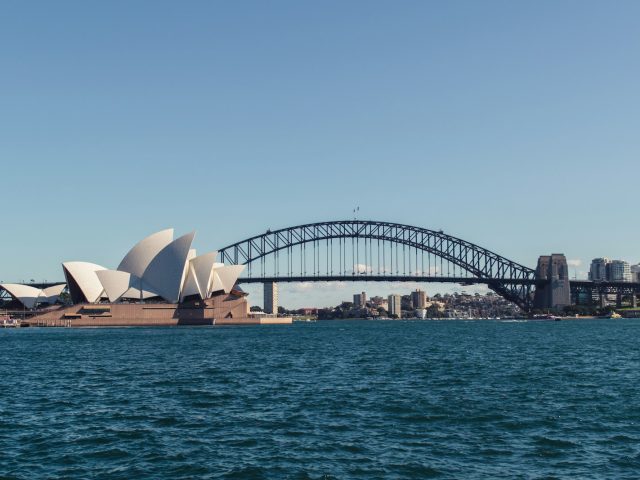
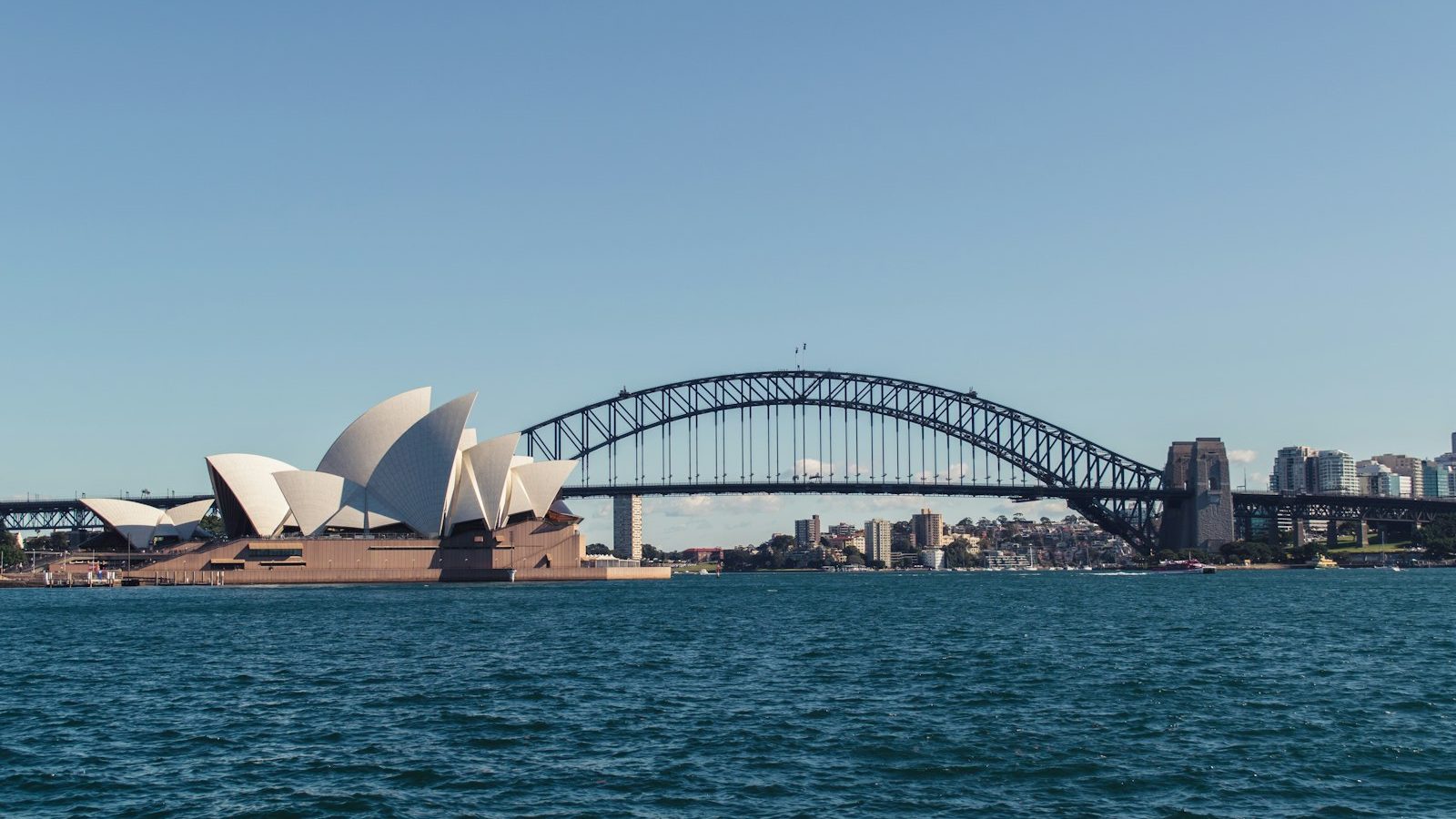
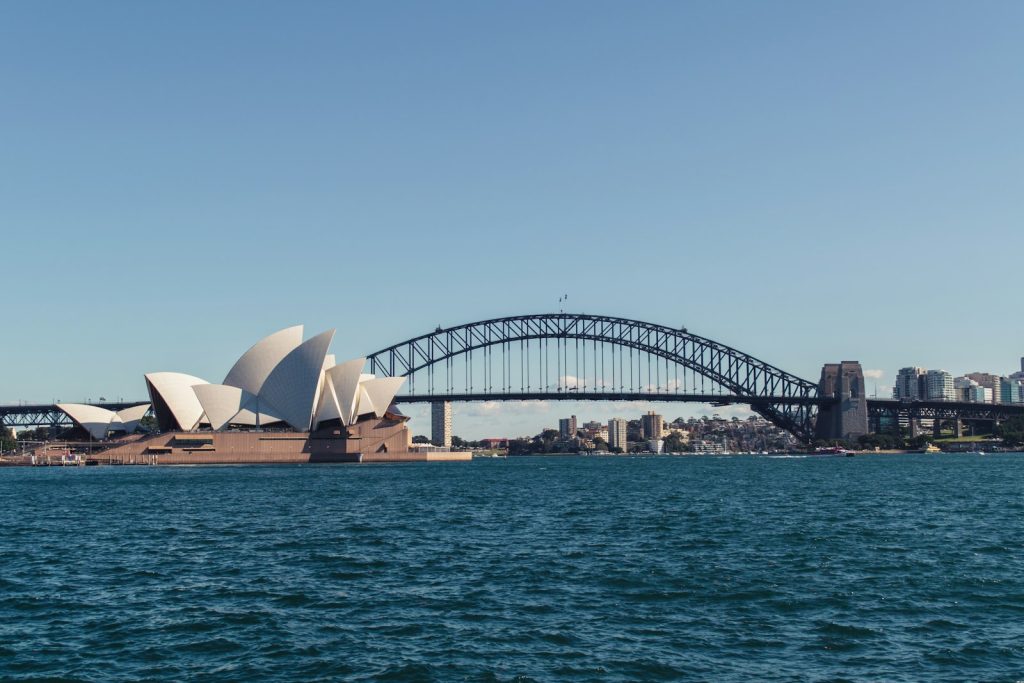
- **Days 1 to 4: Sydney.** Spend your first days around the harbour. Tour the Sydney Opera House, walk across or climb the Harbour Bridge, explore The Rocks and the Royal Botanic Garden, and take the ferry to Manly. Walk the coastal path from Bondi to Coogee, and spend one day in the Blue Mountains, about two hours away by train or tour, for the Three Sisters and eucalyptus forest views. Read our guide to the best things to do in Sydney.
- **Day 5: fly to Melbourne.** The flight takes about an hour and a half. Spend the afternoon exploring the laneways and arcades of the city centre, where trams are free in the Free Tram Zone.
- **Days 6 and 7: Melbourne.** Visit Queen Victoria Market, the National Gallery of Victoria and the Royal Botanic Gardens, take a tour of the MCG and see the little penguins at St Kilda pier at dusk. Read our guide to the best things to do in Melbourne.
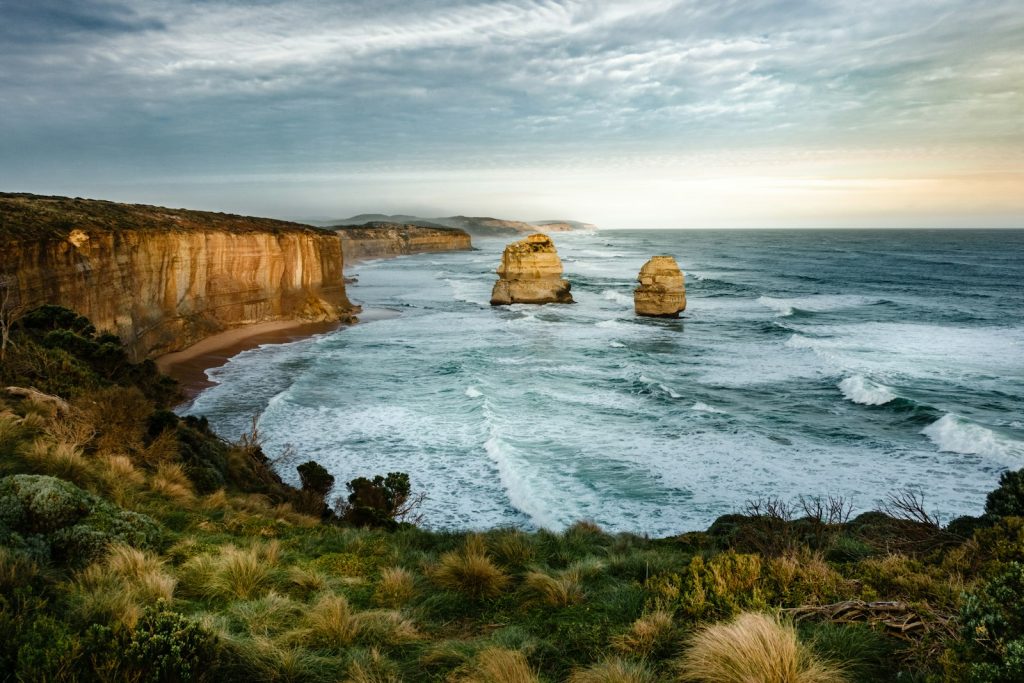
- **Days 8 and 9: the Great Ocean Road.** Pick up a hire car and drive the Great Ocean Road, stopping at Torquay, Lorne, the koalas of Kennett River and the forests of the Otways. Stay overnight in Apollo Bay or Port Campbell, then see the Twelve Apostles at sunrise before driving back to Melbourne inland.
- **Day 10: fly to Cairns.** The flight takes about three and a half hours. Relax by the lagoon on the Cairns Esplanade in the evening.
- **Days 11 to 14: Cairns and the reef.** Take a full day boat trip to the outer Great Barrier Reef for snorkelling or diving, ride the Skyrail Rainforest Cableway to the village of Kuranda, and spend a day in the ancient Daintree Rainforest and at Cape Tribulation, where the rainforest meets the reef. Fly home from Cairns, usually via Sydney, Brisbane or Singapore.
Three week Australia itinerary
Three weeks lets you add the red heart of Australia and some proper island time. This is the classic route most visitors dream of.
- **Days 1 to 4: Sydney and the Blue Mountains.** Follow the first four days of the two week route.
- **Days 5 to 8: Melbourne and the Great Ocean Road.** Fly to Melbourne, spend two days in the city and two days driving the Great Ocean Road.
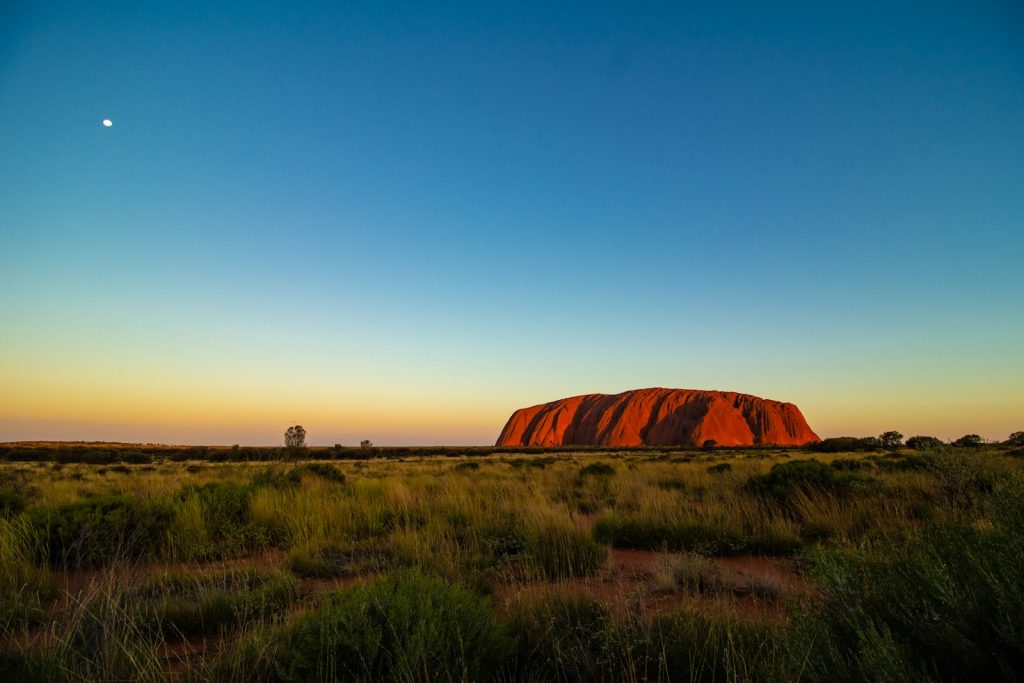
- **Days 9 to 11: Uluru and the Red Centre.** Fly from Melbourne or Sydney to Ayers Rock Airport, a few minutes from the resort town of Yulara, where all the accommodation is. Watch the sun rise and set over Uluru, walk around its base on the 10.6 kilometre loop, join a free ranger guided walk, and hike the Valley of the Winds trail at Kata Tjuta. The park pass costs A$38 for adults and lasts three days, and under 18s go free. With an extra day, take a tour to Kings Canyon.
- **Days 12 to 16: Cairns, the reef and the Daintree.** Fly to Cairns, then spend five days on the reef, in Kuranda and in the Daintree, or base yourself in Port Douglas for a more relaxed feel.
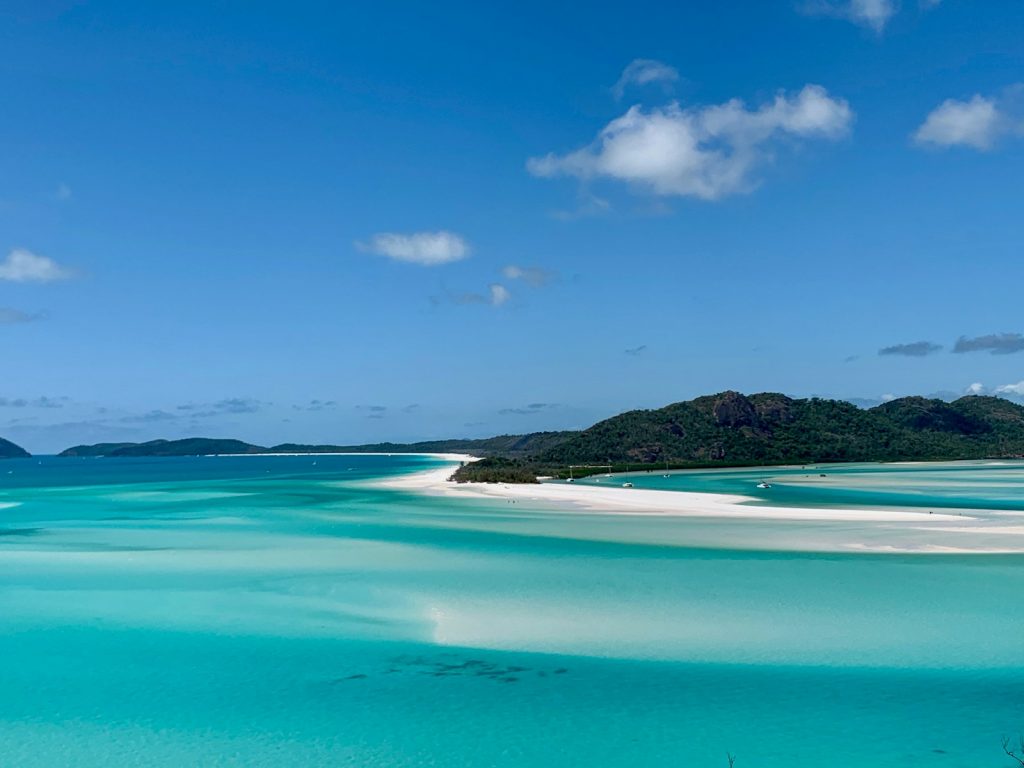
- **Days 17 to 21: the Whitsunday Islands.** Fly or drive south to Airlie Beach or Hamilton Island. Sail around the islands, walk to the Hill Inlet lookout and swim at Whitehaven Beach, with its brilliant white silica sand, then fly home via Sydney or Brisbane.
One month Australia itinerary
With four weeks you can slow down and add a region most short visits miss. Start with the three week route, then add one of these.
- **Tasmania (5 to 7 days):** fly from Melbourne to Hobart in just over an hour. Visit the MONA art museum, the convict history of Port Arthur, the white beaches of Wineglass Bay in Freycinet National Park and the mountains of Cradle Mountain. Tasmania is best explored by car.
- **The east coast road trip (7 to 10 days):** drive from Brisbane to the Whitsundays via the Sunshine Coast, Noosa, K’gari (formerly Fraser Island) and the coral cays of the southern reef, or join one of the many backpacker buses that run this route.
- **Adelaide and Kangaroo Island (5 days):** sample wine in the Barossa Valley and see sea lions, kangaroos and koalas on Kangaroo Island.
- **Western Australia (7 to 10 days):** fly to Perth and visit Fremantle, the quokkas of Rottnest Island, the Pinnacles desert and the vineyards and beaches of Margaret River.
Ten day Australia itinerary
With only ten days, it is best to stay on the south east coast and avoid long flights.
- **Days 1 to 4:** Sydney and a day in the Blue Mountains.
- **Day 5:** fly to Melbourne.
- **Days 6 and 7:** Melbourne city and a day trip to Phillip Island for the Penguin Parade.
- **Days 8 to 10:** drive the Great Ocean Road and return to Melbourne, or add the Yarra Valley wine region, then fly home.
Where to stay at each stop
Choosing the right base saves hours of travel time on every route.
- **Sydney:** stay around Circular Quay or The Rocks for the harbour and ferries, or in the central business district near Wynyard or Town Hall stations for value. Beach lovers can stay in Bondi or Manly.
- **Melbourne:** stay in the central business district, inside the Free Tram Zone, or in Southbank by the river. Fitzroy and St Kilda suit travellers who want local bars and cafés.
- **The Great Ocean Road:** Lorne and Apollo Bay are the best overnight stops, with Port Campbell closest to the Twelve Apostles for sunrise or sunset.
- **Uluru:** all accommodation is at Ayers Rock Resort in Yulara, from campsites and lodges to luxury hotels, so book early.
- **Cairns and the reef:** Cairns has the widest choice of hotels and the reef boats, while Port Douglas, about an hour north, is quieter and closer to the Daintree.
- **The Whitsundays:** Airlie Beach is the lively mainland base for sailing trips, while Hamilton Island has resorts and its own airport.
- **Tasmania:** base yourself in Hobart for the south, then stay a night or two near Freycinet and Cradle Mountain.
What is the best month to visit Australia?
The best months to visit most of Australia are September to November (spring) and March to May (autumn). These seasons bring warm, sunny weather in Sydney, Melbourne and the south, and they avoid the busiest summer crowds. Remember that seasons are reversed, so December to February is summer.
- **Sydney and Melbourne:** best from September to May. Summer can be hot, and Melbourne’s weather changes quickly.
- **The tropical north (Cairns, the Daintree, the Whitsundays):** best from May to October, in the dry season. The wet season, from November to April, brings heavy rain, high humidity and the risk of cyclones, and it is also stinger season, when you need a stinger suit to swim in the sea.
- **Uluru and the Red Centre:** best from April to September, when days are warm and nights cool. Summer is extremely hot.
- **Tasmania:** best from November to March, when it is warmest.
If you want one trip that works everywhere, aim for September, October or April.
How long does it take to travel all of Australia?
Driving around the whole of Australia, a journey Australians call the Big Lap, follows Highway 1 around the coast for about 15,000 kilometres, and most people take anywhere from three months to a year, often in a campervan or caravan. For a visitor on holiday, seeing all of Australia isn’t realistic, so focus on two or three regions and fly between them. As a guide, you need about two weeks for the south east (Sydney, Melbourne and the Great Ocean Road) plus the reef, three weeks to add Uluru and the Whitsundays, and a month or more to add Tasmania, Western Australia or the full east coast.
What is the most beautiful road trip in Australia?
The Great Ocean Road in Victoria is widely seen as Australia’s most beautiful road trip. It runs for about 240 kilometres along the south west coast from Torquay to Allansford, past surf beaches, rainforest, waterfalls, wild koalas and the dramatic limestone stacks of the Twelve Apostles. Allow at least two days to enjoy it properly.
Other spectacular drives include:
- **The Grand Pacific Drive:** south of Sydney, crossing the Sea Cliff Bridge to Wollongong and beyond.
- **The Pacific Coast route:** from Sydney to Brisbane via Byron Bay, with beaches all the way.
- **The Captain Cook Highway:** from Cairns to Port Douglas, hugging the coast between rainforest and sea.
- **The Red Centre Way:** from Alice Springs through the West MacDonnell Ranges to Kings Canyon and Uluru.
- **The Coral Coast:** from Perth north past the Pinnacles to Ningaloo Reef, a longer adventure for experienced drivers.
Is anywhere in Australia unsafe? No go zones and places to avoid
People sometimes ask what the dodgiest place in Australia is, or where the no go zones are. Australia is one of the safest countries in the world for travellers, and there are no official no go zones for tourists. Like any country, some parts of big cities have higher crime than others, especially late at night, so take normal precautions: keep valuables out of sight, use licensed taxis or ride hailing apps at night, and ask your hotel which areas to avoid after dark.
The real risks in Australia are mostly natural:
- **Outback driving:** distances between towns are huge, phone signal can disappear, and temperatures can be extreme. Carry plenty of water and fuel, tell someone your route, and never drive at dawn or dusk when kangaroos are most active.
- **The sea:** swim between the red and yellow flags on patrolled beaches, as rip currents are strong.
- **Crocodiles:** in the tropical north, saltwater crocodiles live in rivers, estuaries and some beaches. Obey warning signs and never swim where crocodiles may be present.
- **Stingers:** box jellyfish and Irukandji are found in northern waters, mainly from November to May. Swim in stinger nets or wear a stinger suit.
- **Bushfires and floods:** check local warnings during the fire season and the wet season, and follow official advice.
Some remote areas are Aboriginal land, where you may need a permit to enter, and many sacred sites ask visitors not to climb, enter or photograph them. At Uluru, climbing has been banned since 2019 out of respect for the Anangu traditional owners.
Australia trip costs at a glance
| Item | Typical cost (late 2026) |
|---|---|
| Return flights from London | About £900 to £1,500 in economy |
| Domestic flight (one way) | About A$100 to A$300, cheaper booked early |
| Mid range hotel in a city | About A$200 to A$350 a night |
| Car hire | About A$60 to A$120 a day |
| Great Barrier Reef day trip | About A$250 to A$350 |
| Uluru park pass (3 days) | A$38 for adults |
| Flat white coffee | About A$5 to A$6 |
Practical tips for planning your Australia itinerary
- **Don’t over plan:** two or three nights in each place is the minimum to make the travel worthwhile.
- **Fly in one city and out of another:** an open jaw ticket saves time and money.
- **Book Uluru and the reef early:** accommodation at Yulara and popular reef boats sell out in peak season.
- **Pack for every season:** you might need a warm jacket in Melbourne and swimwear in Cairns on the same trip.
- **Sun protection:** the sun is fierce, so wear a hat, sunglasses and high factor sun cream.
- **Money:** cards and contactless are accepted almost everywhere, and tipping is not expected.
- **Stay connected:** buy an eSIM before you fly for data on arrival.
Our picks
- **Best first trip:** the three week classic route.
- **Best short trip:** ten days in Sydney, Melbourne and the Great Ocean Road.
- **Best road trip:** the Great Ocean Road.
- **Best island time:** the Whitsundays and Whitehaven Beach.
- **Best add on:** Tasmania, or a stopover in Fiji or New Zealand on the way home.
Frequently asked questions
What is the perfect itinerary for an Australia trip?
Three weeks covering Sydney, Melbourne and the Great Ocean Road, Uluru, Cairns and the Great Barrier Reef, and the Whitsundays. With two weeks, drop Uluru or the Whitsundays.
What is the best month to visit Australia?
September to November and March to May are best for most of the country. Visit the tropical north from May to October and Uluru from April to September.
How long does it take to travel all of Australia?
Driving the full Big Lap around the coast is about 15,000 kilometres and takes three months to a year. On holiday, focus on two or three regions and fly between them.
What is the most beautiful road trip in Australia?
The Great Ocean Road in Victoria, about 240 kilometres past surf beaches, rainforest and the Twelve Apostles.
What is the dodgiest place in Australia?
Australia is very safe and has no official no go areas for tourists. Take normal city precautions at night and follow local advice. The biggest risks are natural, such as outback heat, rips, crocodiles and stingers.
Where are the no go zones in Australia?
There are no official no go zones. Some remote Aboriginal lands need a permit to enter, sacred sites must be respected, and you should follow warning signs about crocodiles, stingers, fires and floods.
How many days do you need in Australia?
Two weeks is the minimum for a first trip from the UK, three weeks is ideal for the highlights, and a month lets you add Tasmania, Western Australia or the east coast drive.
Do I need a visa for Australia from the UK?
Yes, you need permission to travel. Most British visitors apply for a free eVisitor online or an ETA through the Australian ETA app before flying.
Plan the rest of your trip
Browse our Australia and Oceania travel guides for more ideas. Read our guides to the best things to do in Sydney and the best things to do in Melbourne. Adding New Zealand or the South Pacific? See our guides to Auckland, Queenstown and Fiji. Breaking the journey? Read our guides to Singapore and Dubai. If you spot something out of date, please let us know.