
!DISCLOSURE
Melbourne is Australia’s cultural capital, a city that rewards wandering. Its grid of streets hides graffiti covered laneways, Victorian arcades and tiny bars, while trams rattle past grand 19th century buildings and some of the best museums in the country. Melbourne takes its coffee, food and sport very seriously, and its inner suburbs, from Fitzroy to St Kilda, each have a personality of their own. Beyond the city, the Great Ocean Road, Phillip Island’s penguins and the Yarra Valley vineyards are all within easy reach.
This guide covers the 25 best things to do in Melbourne, grouped by area, with how to get there, how long to allow and what each costs in late 2026, including the half price public transport offer that runs until 1 January 2027. We also answer the questions visitors ask most, from cool things to do and what to buy in Melbourne to what is cheaper in Australia than the UK and what to bring home.
Things to do in Melbourne at a glance
| Attraction | Area | Time needed | Cost from |
|---|---|---|---|
| Laneways and street art | City centre | 2 hours | Free |
| Queen Victoria Market | City centre | 1 to 2 hours | Free |
| National Gallery of Victoria | Southbank | 2 to 3 hours | Free general entry |
| Royal Botanic Gardens | South Yarra | 1 to 2 hours | Free |
| Melbourne Skydeck | Southbank | 1 hour | About A$33 to A$39 |
| MCG tour | Richmond | 1.5 hours | Tour fee |
| St Kilda and the penguins | St Kilda | Half a day | Free |
| Brighton bathing boxes | Brighton | 1 hour | Free |
| Great Ocean Road | South west of the city | A full day | Tour or car hire |
| Phillip Island Penguin Parade | 2 hours south east | A full afternoon | Entry fee |
What are cool things to do in Melbourne?
The coolest things to do in Melbourne are exploring the street art in Hosier Lane and AC/DC Lane, hunting down hidden laneway bars, eating your way around Queen Victoria Market, watching Australian rules football or cricket at the MCG, seeing the little penguins at St Kilda pier at dusk, shopping and drinking in Fitzroy and Collingwood, and riding the free City Circle tram. Further afield, the Great Ocean Road and the Phillip Island Penguin Parade are unforgettable.
Getting around Melbourne
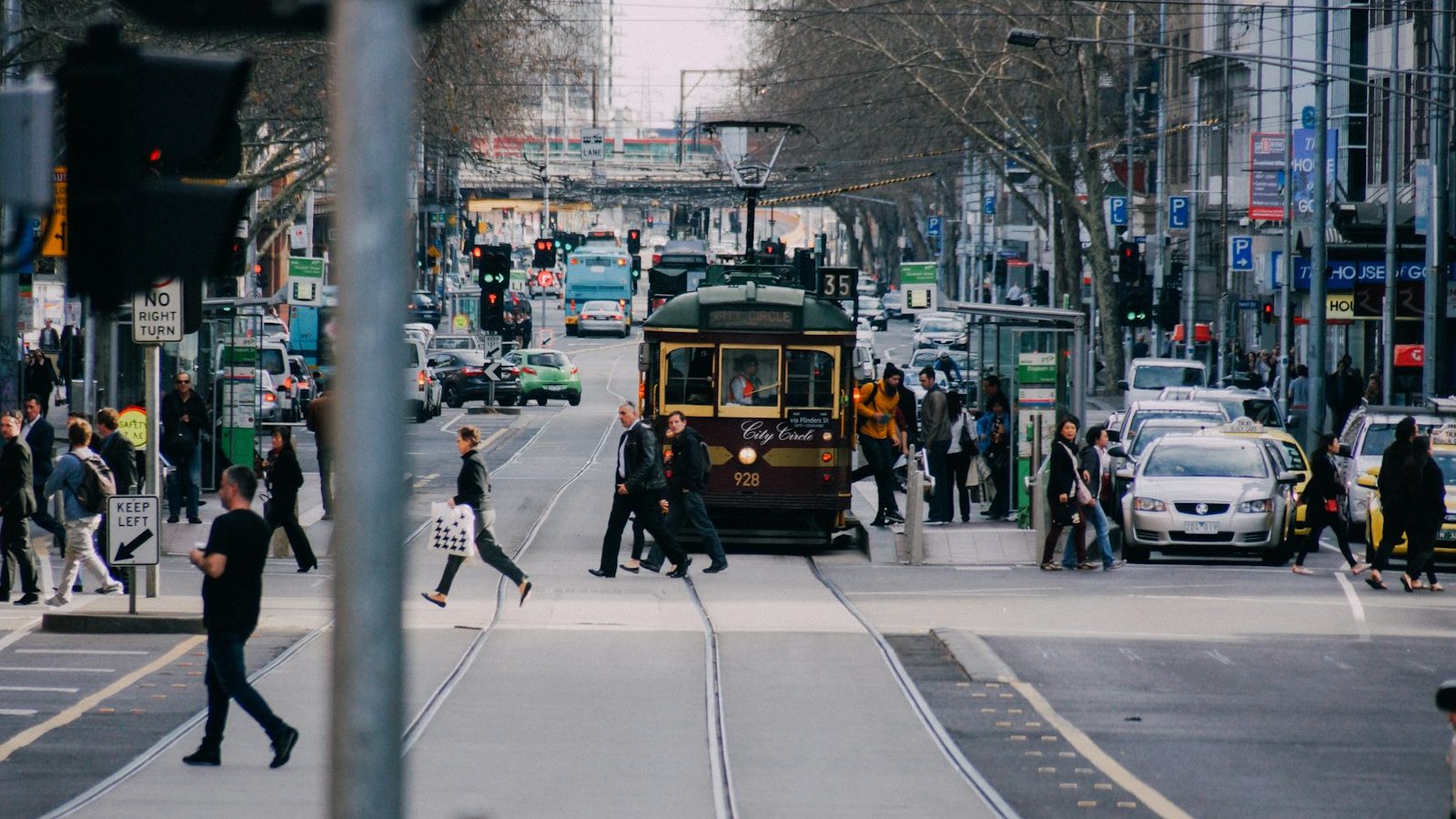
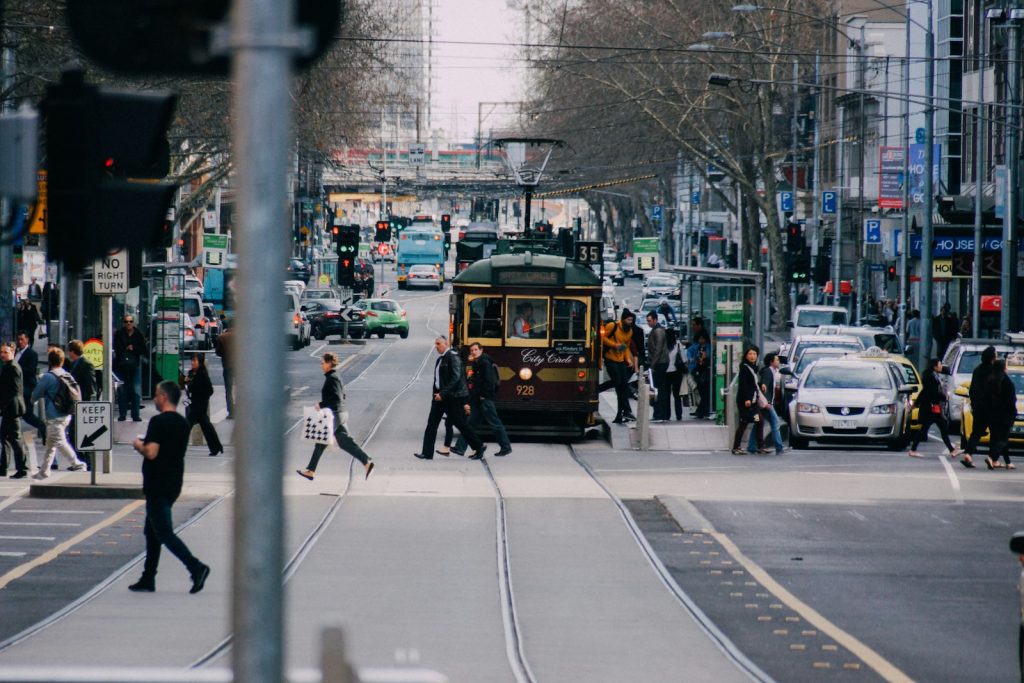
Melbourne has the largest tram network in the world, as well as trains and buses. Inside the Free Tram Zone, which covers the central business district, the Docklands and the Queen Victoria Market, tram travel is completely free, and you don’t need to tap on. The heritage City Circle tram (route 35) loops around the centre with commentary, also for free.
Outside the zone, pay with a myki card or, increasingly, by tapping a contactless bank card or phone. Tap and go now works on Melbourne’s trains and trams and is being rolled out across buses. Victoria is running a half price fares offer for everyone from 1 June 2026 until 1 January 2027, cutting the full fare daily cap from A$11.40 to A$5.70. Use the same card or phone for every journey to get the cap.
City centre
1. Explore the laneways and arcades
Melbourne’s laneways are the heart of the city. Degraves Street and Centre Place are packed with cafés and tiny restaurants, while Hardware Lane is full of outdoor tables. Don’t miss the Block Arcade, opened in 1892, with its mosaic floor and glass roof, and the Royal Arcade next door, the oldest in Australia. A guided laneways walk helps you find the hidden bars and shops.
- **Cost:** free.
- **Time needed:** 2 hours or more.
2. See the street art in Hosier Lane
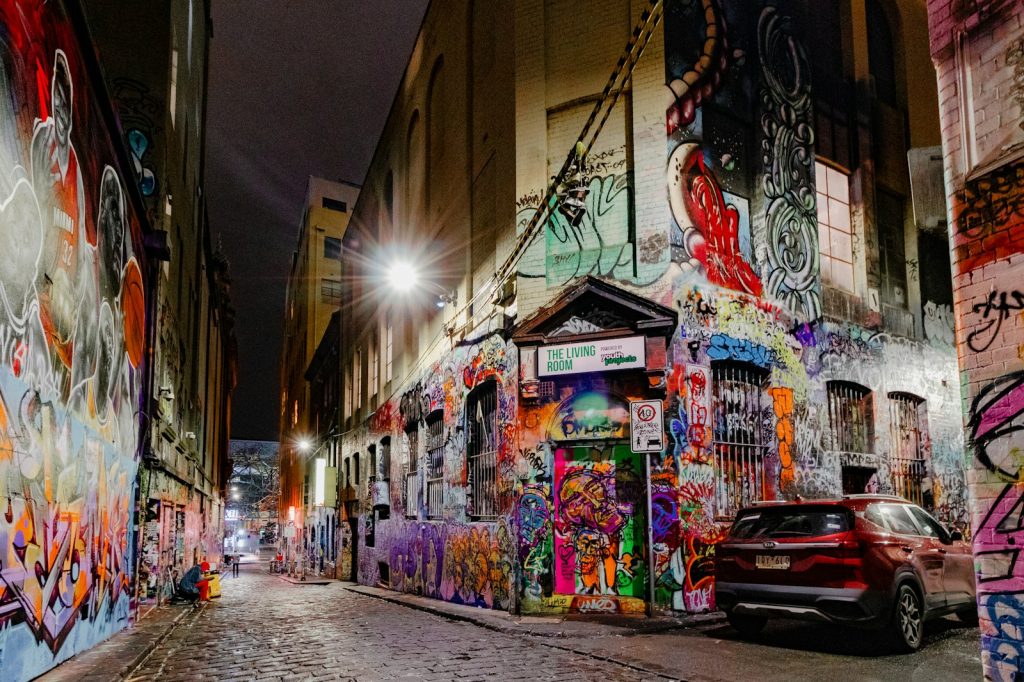
Hosier Lane, opposite Federation Square, is Melbourne’s most famous street art lane, its walls covered in murals, stencils and graffiti that change almost every week. Nearby, AC/DC Lane (named after the band) and Duckboard Place are just as colourful. Go early in the morning for photos without the crowds.
3. Visit Federation Square and ACMI
Federation Square, opposite Flinders Street Station, is the city’s main meeting place, with its striking angular buildings, events and big screen. Inside, ACMI, the Australian Centre for the Moving Image, is a free museum about film, television, video games and digital culture. The Ian Potter Centre, part of the National Gallery of Victoria, shows Australian and First Nations art and is also free.
4. Shop and eat at Queen Victoria Market
The Queen Victoria Market, open since 1878, is the largest open air market in the Southern Hemisphere, with hundreds of stalls selling fruit, vegetables, meat, cheese, deli goods, clothes and souvenirs. Try a hot jam doughnut from the famous van. In the summer months, the Wednesday night market adds street food, bars and live music, and the Christmas night market runs on Wednesday evenings from late November to mid December 2026.
- **Tip:** the market is closed on Mondays and Wednesdays during the day, so check opening hours before you go.
5. Read at the State Library Victoria
The State Library Victoria is one of the oldest free public libraries in the world. Its domed La Trobe Reading Room, with rings of balconies rising to a glass roof, is one of the most photographed interiors in Melbourne. Entry is free, and there are small exhibitions on Victoria’s history, including Ned Kelly’s armour.
6. Step inside Old Melbourne Gaol
The Old Melbourne Gaol, opened in the 1840s, was where the bushranger Ned Kelly was hanged in 1880. Explore the cells, see death masks of executed prisoners and join a night tour if you like ghost stories. There is an entry fee.
7. Ride the City Circle tram
The free City Circle tram (route 35) uses heritage trams and loops around the city centre and Docklands, passing landmarks such as Parliament House, the Princess Theatre and Flinders Street Station. Recorded commentary explains what you are seeing. It is a great way to get your bearings on your first day.
Southbank and the arts precinct
8. See the National Gallery of Victoria
The NGV International on St Kilda Road is Australia’s oldest and most visited public art gallery. It has a world class collection of European, Asian and international art, and the stained glass ceiling of the Great Hall is a highlight, best seen lying on the floor. General entry is free, with a fee for major exhibitions, including the popular summer shows.
9. Go up the Melbourne Skydeck
The Melbourne Skydeck, on the 88th floor of Eureka Tower in Southbank, is about 285 metres up and offers 360 degree views of the city, the bay and the hills beyond. The Edge, a glass cube that slides out from the building, is an optional extra for thrill seekers. Prices change with demand, and general admission usually costs about A$33 to A$39 for adults, with discounts online.
10. Walk along the Yarra River
The paths along both banks of the Yarra River link Southbank, Federation Square, Birrarung Marr and the sports precinct. In the evening, the gas flame towers outside Crown casino light up on the hour. River cruises leave from Southbank and Federation Wharf.
Parks and sport
11. Relax in the Royal Botanic Gardens
The Royal Botanic Gardens Melbourne cover 38 hectares beside the Yarra, with lawns, lakes, fern gullies and plants from around the world. In summer, there are outdoor cinema screenings and theatre. Entry is free. Nearby, the Shrine of Remembrance, Victoria’s war memorial, has a balcony with excellent city views.
12. Tour the MCG
The Melbourne Cricket Ground is one of the largest stadiums in the world, holding about 100,000 people. It is the spiritual home of Australian rules football and cricket. Tours take you into the changing rooms, the members’ areas and onto the edge of the pitch, and the Australian Sports Museum is inside. Better still, see a game: AFL from March to September, or cricket in summer.
13. Catch a big sporting event
Melbourne is Australia’s sporting capital. The Australian Open tennis takes over Melbourne Park in January, the Australian Grand Prix races around Albert Park in March, the AFL Grand Final is held at the MCG in late September, and the Melbourne Cup horse race on the first Tuesday of November is a public holiday in the city.
14. Visit the Royal Exhibition Building and Melbourne Museum
The Royal Exhibition Building in Carlton Gardens, built for the 1880 International Exhibition, is a UNESCO World Heritage Site and one of the few great exhibition halls of its era still standing. Next door, Melbourne Museum has galleries on dinosaurs, Australian wildlife, First Peoples and the story of Melbourne, plus a living forest gallery. There is an entry fee for the museum.
Inner suburbs
15. Explore Fitzroy and Collingwood
Fitzroy and Collingwood, just north east of the city, are Melbourne’s coolest neighbourhoods, packed with vintage shops, record stores, street art, bars and restaurants. Brunswick Street and Gertrude Street in Fitzroy and Smith Street in Collingwood are the main strips.
16. Eat Italian on Lygon Street
Lygon Street in Carlton is the heart of Melbourne’s Italian community, lined with pizza restaurants, gelaterias and old style cafés. It is a lively place for dinner and a gelato.
17. Visit St Kilda and see the penguins
St Kilda is Melbourne’s best known beach suburb, with a palm lined esplanade, the historic Luna Park funfair and cake shops on Acland Street. At dusk, little penguins return to the rocks at the end of St Kilda Pier. Watch quietly from the viewing area, without flash photography. Take tram 96 or 16 from the city.
18. Photograph the Brighton bathing boxes
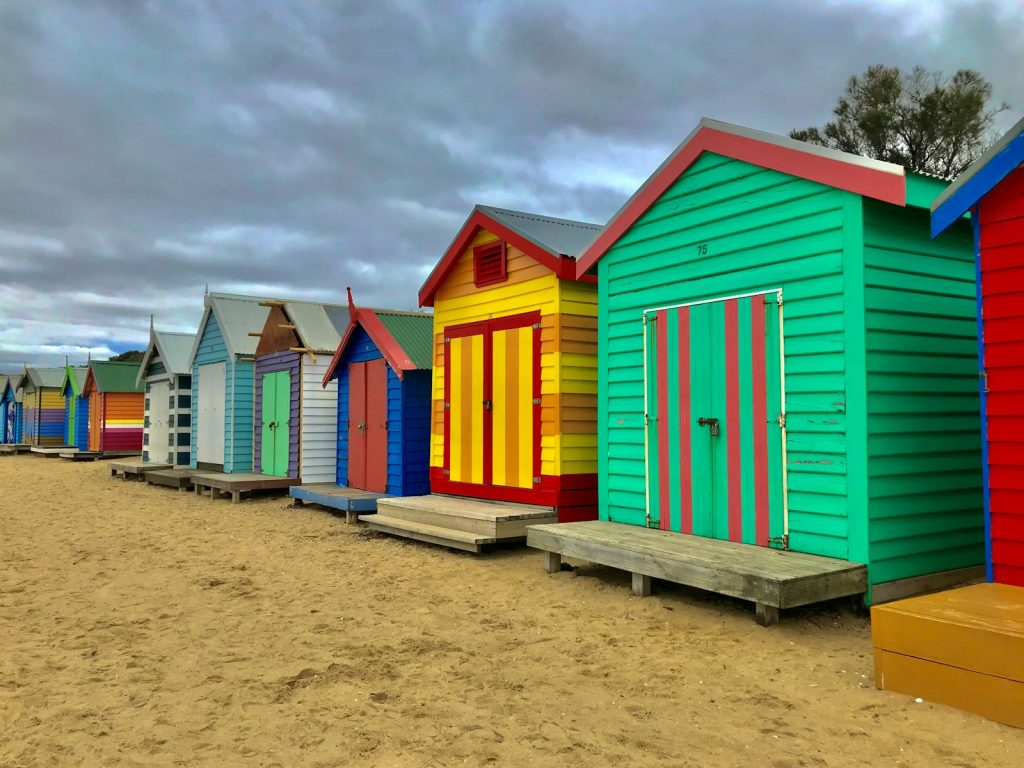
The 82 colourful bathing boxes on Dendy Street Beach in Brighton are one of Melbourne’s most famous photo spots, painted in bright colours and patterns, some with the Australian flag. Take the Sandringham line train to Brighton Beach station and walk along the shore.
19. Drink Melbourne’s coffee
Melbourne is famous for its café culture, with independent coffee roasters and cafés on almost every corner. Order a flat white or a magic (a small, strong flat white, a Melbourne speciality) and join locals for brunch. Many of the best cafés are in Fitzroy, Collingwood, Carlton and the laneways.
20. Go to a rooftop or laneway bar
Melbourne’s bar scene is one of the best in the world, with rooftop bars looking over the city and secret bars hidden down laneways and behind unmarked doors. Many have live music or DJs. A bar tour is a fun way to find them.
Day trips from Melbourne
21. Drive the Great Ocean Road
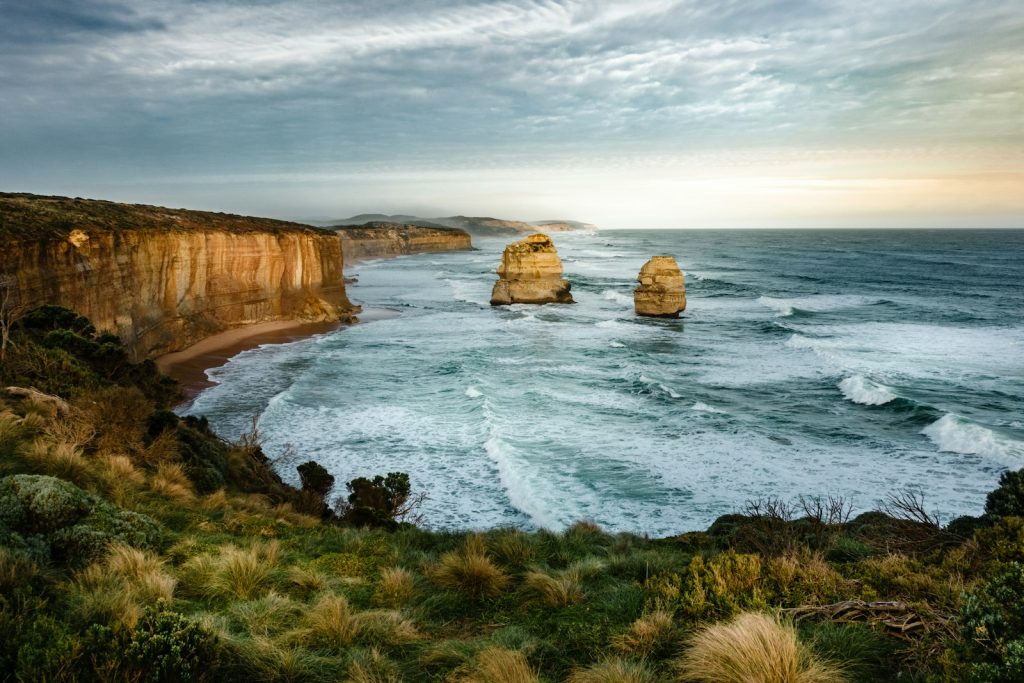
The Great Ocean Road is one of the world’s great coastal drives, running for about 240 kilometres along the coast south west of Melbourne. Its highlight is the Twelve Apostles, giant limestone stacks rising from the Southern Ocean, about three and a half hours from the city. On the way, you pass surf beaches, koalas in the trees at Kennett River and the rainforest of the Great Otway National Park. A day trip is possible but long, so many people stay one or two nights.
22. See the Phillip Island Penguin Parade
At Phillip Island, about two hours south east of Melbourne, thousands of little penguins waddle ashore at sunset to their burrows in the sand dunes. Viewing is from stands and boardwalks, and photos are not allowed, to protect the penguins. The island also has a koala conservation reserve and fur seal colonies. Book tickets or a tour in advance.
23. Taste wine in the Yarra Valley
The Yarra Valley, about an hour north east of Melbourne, is known for its cool climate wines, especially Pinot Noir and sparkling wine. Combine tastings with cheese, chocolate and the Healesville Sanctuary, where you can see koalas, platypuses and other native animals. Hot air balloon flights over the valley at sunrise are a special treat.
24. Ride Puffing Billy
Puffing Billy is a century old steam train that runs through the forests and fern gullies of the Dandenong Ranges, about an hour east of Melbourne. Visitors used to sit on the window ledges with their legs dangling outside, and you can still sit at the open windows. Combine it with a walk in the Dandenongs and Devonshire tea in Sassafras.
25. Relax in the Mornington Peninsula hot springs
The Mornington Peninsula, south of Melbourne, has beaches, wineries and natural hot springs, including the Peninsula Hot Springs, with outdoor geothermal pools in the hills. It makes a relaxing day trip, especially in winter.
What is famous in Melbourne to buy?
Popular things to buy in Melbourne include coffee beans from the city’s famous roasters, fashion from Melbourne designers and vintage shops in Fitzroy, crafts and food gifts from Queen Victoria Market, Yarra Valley wine and gin, and Australian made products such as boots, sheepskin and skincare. Aboriginal art is a meaningful souvenir, but buy from Aboriginal owned galleries or those that work ethically with artists, so the money goes to the people who made it.
What is cheaper in Australia than the UK?
Australia is generally more expensive than the UK for eating out, alcohol and accommodation, but some things can be cheaper:
- **Petrol:** usually cheaper per litre than in the UK.
- **Beef and lamb:** good quality meat is often cheaper in supermarkets.
- **Local wine:** Australian wine bought locally is good value.
- **Fruit in season:** mangoes, avocados and stone fruit can be very cheap in summer.
- **Public transport in Melbourne:** with half price fares until 1 January 2027 and the Free Tram Zone, getting around the city is very cheap.
Prices change with exchange rates, so compare before you go.
What should you bring back from Australia?
Popular souvenirs include Tim Tam biscuits, Vegemite, macadamia nuts, Australian wine, Aboriginal art from ethical galleries, opals, sheepskin boots, Akubra hats and skincare from Australian brands. Check UK customs rules before you fly: travellers arriving from outside Great Britain can usually bring in up to 18 litres of still wine and 4 litres of spirits duty free, and there are strict rules on meat and dairy products.
Australia also has very strict rules on what you can take into the country. Declare all food, plant material and animal products on your arrival card, or you could face a large fine.
Where did Taylor Swift stay in Melbourne?
Where Taylor Swift stayed during her Eras Tour shows at the MCG in February 2024 has never been officially confirmed. Celebrities visiting Melbourne often stay at the city’s top luxury hotels in Southbank and the city centre. If you want a taste of the high life, Melbourne has several five star hotels with views over the river and the bay.
What is Dua Lipa’s favourite restaurant in Melbourne?
Dua Lipa has not publicly named a single favourite restaurant in Melbourne, and lists online are based on social media posts and reports rather than official statements. If you want to eat where visiting stars and food lovers go, book ahead at Melbourne’s best known restaurants, from high end tasting menus to famous Asian and Italian restaurants in the city’s laneways.
Safety in Melbourne
Melbourne is a safe city for visitors, and most trips are trouble free. Take normal precautions: keep valuables out of sight, take care late at night in the busy nightlife areas of the city centre, and use licensed taxis or ride hailing apps. Melbourne’s weather is famously changeable, with “four seasons in one day”, so carry a layer and an umbrella. In summer, wear sun cream and a hat, as the UV index is very high, and swim only at patrolled beaches between the flags.
How much does a trip to Melbourne cost?
| Item | Typical cost (late 2026) |
|---|---|
| Trams in the Free Tram Zone | Free |
| Full fare daily cap (half price until 1 Jan 2027) | A$5.70 |
| Melbourne Skydeck | About A$33 to A$39 |
| Flat white coffee | A$5 to A$6 |
| Pub meal | A$25 to A$40 |
| Dinner at a mid range restaurant | A$60 to A$100 per person |
| Mid range hotel in the city | £120 to £220 a night |
Sample 4 day Melbourne itinerary
- **Day 1:** laneways and arcades, Hosier Lane, Federation Square and ACMI, then the free City Circle tram and dinner in the laneways.
- **Day 2:** Queen Victoria Market, the State Library, NGV International, the Royal Botanic Gardens and a rooftop bar at sunset.
- **Day 3:** Fitzroy and Collingwood in the morning, the MCG tour, then St Kilda for the penguins at dusk.
- **Day 4:** a day trip on the Great Ocean Road to the Twelve Apostles, or Phillip Island for the Penguin Parade.
Where to stay in Melbourne
- **City centre:** the best location for first time visitors, within the Free Tram Zone and close to the laneways and arcades.
- **Southbank:** riverside hotels close to the arts precinct and the Skydeck, with great views.
- **Fitzroy and Collingwood:** boutique stays in the coolest neighbourhoods for food, bars and shopping.
- **St Kilda:** beach life, palm trees and a relaxed vibe, about 25 minutes from the city by tram.
Entry requirements for British visitors
British citizens need permission to travel before flying to Australia. Most visitors apply for a free eVisitor (subclass 651) online, or an Electronic Travel Authority (ETA, subclass 601) through the Australian ETA app, which charges a service fee. Both allow stays of up to three months at a time. Apply well before you travel, and check the latest FCDO and Australian Government advice.
When is the best time to visit Melbourne?
Autumn, from March to May, and spring, from September to November, are the best times to visit, with mild weather and plenty of events. Summer, from December to February, can be hot, with occasional heatwaves, but it is the season for the Australian Open and outdoor festivals. Winter, from June to August, is cool and grey but great for galleries, cafés and the football season.
Our picks
- **Best free thing to do:** the laneways, Hosier Lane and the NGV.
- **Best market:** Queen Victoria Market, especially on a summer Wednesday night.
- **Best neighbourhood:** Fitzroy.
- **Best wildlife:** the penguins at St Kilda pier or Phillip Island.
- **Best day trip:** the Great Ocean Road.
Frequently asked questions
What are cool things to do in Melbourne?
Explore the street art and laneway bars, eat at Queen Victoria Market, see a game at the MCG, watch the penguins at St Kilda pier, and spend an evening in Fitzroy or Collingwood.
Where did Taylor Swift stay in Melbourne?
It was never officially confirmed where Taylor Swift stayed during her February 2024 shows at the MCG. Visiting celebrities usually stay at the city’s luxury hotels in Southbank and the centre.
What is Dua Lipa’s favourite restaurant in Melbourne?
She has not publicly named a single favourite. Lists online are based on social media posts, so book ahead at Melbourne’s best known restaurants for a similar experience.
What is famous in Melbourne to buy?
Coffee beans, fashion from local designers and vintage shops, market food gifts, Yarra Valley wine and ethically sourced Aboriginal art.
What is cheaper in Australia than the UK?
Petrol, beef and lamb, local wine and fruit in season are often cheaper. Eating out, alcohol in bars and hotels are usually more expensive.
What should you bring back from Australia?
Tim Tams, Vegemite, macadamias, wine, opals, sheepskin boots and Aboriginal art from ethical galleries. Check UK customs allowances before you fly.
Is public transport free in Melbourne?
Trams are free inside the Free Tram Zone in the city centre. Elsewhere, fares are half price until 1 January 2027, with a full fare daily cap of A$5.70.
How many days do you need in Melbourne?
Three to four days covers the city, with one or two extra days for the Great Ocean Road or Phillip Island.
Plan the rest of your trip
Browse our Australia and Oceania travel guides for more ideas. Most visitors combine Melbourne with Sydney, so read our guide to the best things to do in Sydney. Stopping on the way? See our guide to the best things to do in Singapore. If you spot something out of date, please let us know.