
!DISCLOSURE
Fiji is a nation of more than 330 islands in the South Pacific, famous for white sand beaches, warm turquoise lagoons, some of the best soft coral reefs in the world and one of the friendliest welcomes anywhere. You will hear “bula” (hello) wherever you go. Beyond the beaches you can visit traditional villages, join a kava ceremony, float down rainforest rivers, dive with sharks and manta rays, and explore Hindu temples and colourful markets that reflect the country’s mix of iTaukei (Indigenous Fijian) and Indo Fijian cultures.
This guide covers the 25 best things to do in Fiji, from the island groups near Nadi to the wilder outer islands, with how to get there, how long to allow and practical tips checked in late 2026. We also answer the questions visitors ask most, from what is the prettiest island in Fiji and how many days you need to what language they speak, whether Fiji has good nightlife, the dos and don’ts and whether alcohol is expensive.
Things to do in Fiji at a glance
| Activity | Area | Time needed | Cost from |
|---|---|---|---|
| Mamanuca Islands day trip | Off Nadi | A full day | Cruise or transfer price |
| Yasawa Islands and Sawa i Lau caves | North of Nadi | 2 nights or more | Ferry pass or cruise |
| Snorkelling and diving | Most islands | Half a day | Gear hire or dive price |
| Garden of the Sleeping Giant | Near Nadi | 1 to 2 hours | Entry fee |
| Sabeto mud pools | Near Nadi | 1 hour | Entry fee |
| Sri Siva Subramaniya Temple | Nadi | 1 hour | Small entry fee |
| Navala village | Highlands of Viti Levu | A full day | Tour price |
| Sigatoka Sand Dunes | Coral Coast | 2 hours | Park fee |
| Beqa Lagoon shark dive | Pacific Harbour | Half a day | Dive price |
| Taveuni waterfalls and Rainbow Reef | Taveuni | 3 nights or more | Flight and tours |
Before you go: entry rules and getting there
UK passport holders don’t need a visa for visits of up to four months. At the border, you must show an onward or return ticket, and your passport should be valid for at least six months after you arrive. Always check the FCDO travel advice before you book.
There are no direct flights from the UK. Most visitors fly with one or two stops, connecting through Hong Kong, Singapore, Los Angeles, Sydney or Auckland, often on Fiji Airways for the final leg. Almost all international flights land at Nadi International Airport on the main island of Viti Levu. Fiji is a popular stopover on the way to or from Australia and New Zealand, or as a beach finish after a trip to Sydney or Auckland.
How to choose where to go in Fiji
Fiji’s islands fall into a few clear groups, and choosing the right base matters more than any single sight.
- **Denarau and Nadi:** big resorts, the marina for island boats, and the easiest base for a short stay or your first and last nights.
- **The Mamanuca Islands:** small, beautiful islands 30 minutes to 2 hours by boat from Denarau, with resorts for every budget. Perfect for snorkelling and a classic island holiday.
- **The Yasawa Islands:** a longer chain further north, wilder and quieter, with dramatic hills, caves and village stays.
- **The Coral Coast:** the southern shore of Viti Levu, with resorts, waterfalls, sand dunes and easy road access.
- **Pacific Harbour:** the adventure capital, known for shark diving and river trips.
- **Taveuni, Vanua Levu and Kadavu:** the outer islands, for rainforest, waterfalls and some of the best diving in the Pacific.
Getting around Fiji
On Viti Levu, express buses run along the Queens Road between Nadi, the Coral Coast and Suva, and taxis are cheap if you agree the fare or use the meter. Resorts arrange airport transfers, and many tours include pick ups. To reach the Mamanuca and Yasawa Islands, take a catamaran ferry from Port Denarau, a water taxi, a seaplane or a helicopter. The Yasawa Flyer catamaran runs up and down the Yasawa chain and offers island hopping passes. Domestic flights with Fiji Airways link Nadi and Suva with Taveuni, Savusavu and Kadavu.
The islands
1. Island hop in the Mamanuca Islands
The Mamanuca Islands are the postcard Fiji most people imagine: tiny islands of white sand and palm trees surrounded by clear lagoons. Many resorts welcome day visitors, so you can spend a day snorkelling, kayaking and relaxing on a different island each day. Popular choices include South Sea Island, Beachcomber Island and Bounty Island.
- **How to get there:** catamaran ferries and day cruises leave from Port Denarau every morning. Water taxis are quicker but cost more.
- **Time needed:** a full day for one island, or stay a few nights.
2. Swim at Monuriki, the castaway island
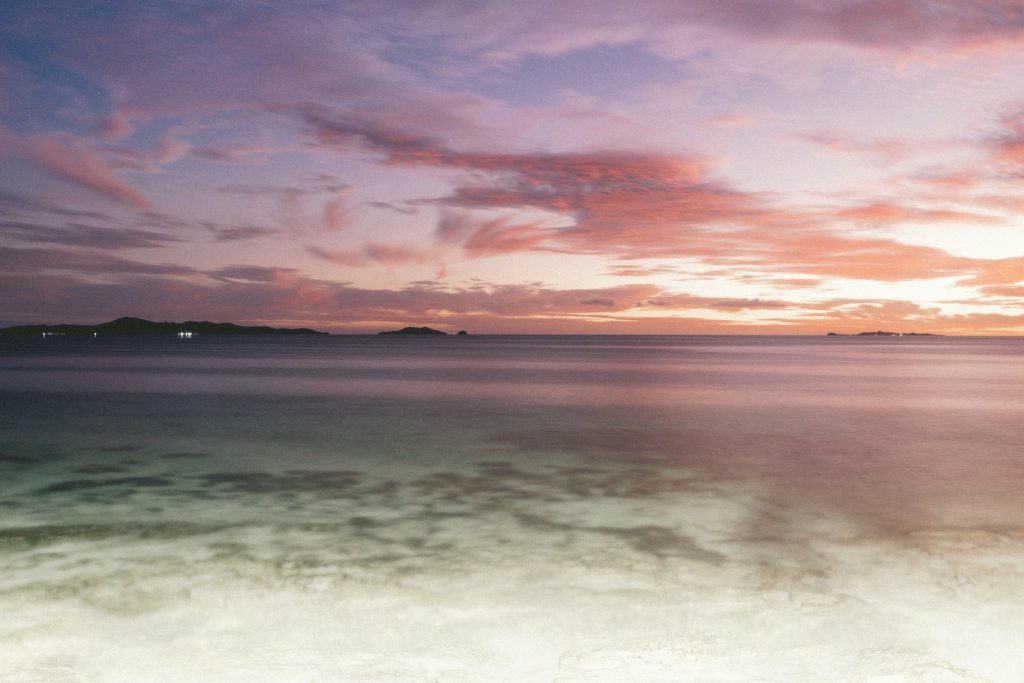
Monuriki is the uninhabited island where a famous castaway film was shot in 2000. Day trips stop at its beach for swimming, snorkelling and photographs, usually combined with lunch on another island. It is one of the most beautiful spots in the Mamanuca group.
3. Party at a floating bar or beach club
For a fun day out, visit one of the floating platform bars anchored over the reef in the Mamanucas, where you can swim, snorkel and order pizza and drinks, or the beach clubs on small private islands near Denarau. These sell out at weekends and in school holidays, so book ahead, and remember there is an age limit at some venues.
4. Explore the Yasawa Islands
The Yasawa Islands stretch for about 80 kilometres north of the Mamanucas. They are wilder and more remote, with volcanic hills, empty beaches and small eco resorts, many run by local villages. The Blue Lagoon area is famous for its clear water. Stay at least two or three nights to make the long boat journey worthwhile.
5. Swim in the Sawa i Lau caves
In the far north of the Yasawas, the Sawa i Lau caves are limestone caverns filled with clear water. You swim in the main cave, lit by sunlight through an opening in the roof, and strong swimmers can duck under the rock into a second, darker chamber with a guide. Most visits are arranged through Yasawa resorts or cruises.
6. Swim with manta rays
From around May to October, manta rays gather in a channel near Drawaqa Island in the Yasawas to feed. Several nearby resorts run snorkelling trips when the mantas are seen, which is an unforgettable experience. Sightings are never guaranteed, so allow a couple of days.
Under the water
7. Snorkel on the house reefs
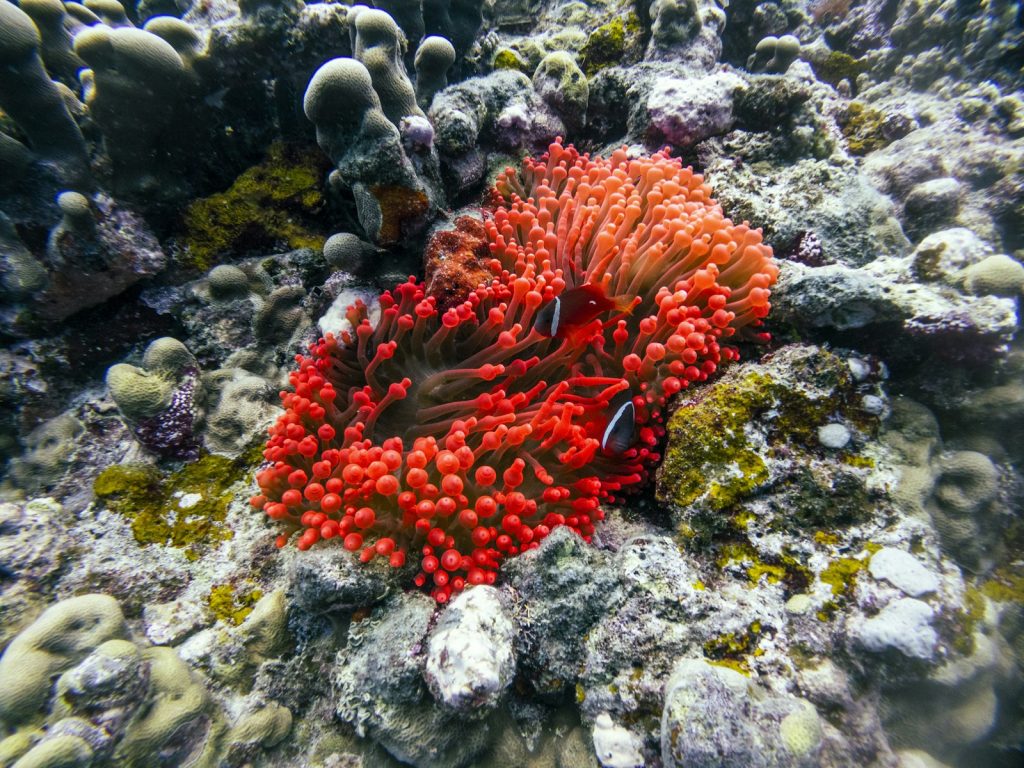
Most island resorts have a house reef you can reach straight from the beach, with colourful corals, clownfish, parrotfish and sometimes turtles and reef sharks. Bring your own mask and snorkel or borrow one from the resort, wear a reef safe sun cream and never stand on the coral.
8. Dive the Rainbow Reef and the Great White Wall
The Somosomo Strait between Taveuni and Vanua Levu is home to the Rainbow Reef, one of the best soft coral dive sites in the world. Its most famous dive, the Great White Wall, is covered in pale soft corals that look like snow. Strong currents feed the corals, so this is best for divers with some experience. Dive centres on Taveuni and Vanua Levu run trips.
9. Shark dive in Beqa Lagoon
Beqa Lagoon, off Pacific Harbour on the south coast of Viti Levu, is famous for shark dives where experienced divers can see several species, including bull sharks and tiger sharks, at a feeding site run with local villages as part of a marine reserve. It is for certified divers only, and some operators require a minimum number of logged dives.
10. Dive or snorkel the Great Astrolabe Reef
Off the island of Kadavu, south of Viti Levu, the Great Astrolabe Reef is one of the largest barrier reefs in the world. Kadavu has few roads and small eco lodges, so it suits travellers who want quiet, diving and nature rather than resort life.
11. Surf the reef breaks
Fiji has world class surf for experienced surfers, including the famous Cloudbreak reef break off Tavarua Island and breaks off the Coral Coast. These are powerful waves over shallow reef, so they are not suitable for beginners, who should take a lesson at a gentler beach break.
Viti Levu: Nadi and the west
12. Walk through the Garden of the Sleeping Giant
At the foot of the Sabeto mountains, about 20 minutes from Nadi, the Garden of the Sleeping Giant was founded by the actor Raymond Burr and holds one of the largest collections of orchids in the Pacific. Walk the boardwalks through the gardens and lily ponds. It makes a peaceful first or last morning near the airport.
13. Soak in the Sabeto mud pools and hot springs
Close to the orchid garden, the Sabeto mud pools let you cover yourself in warm volcanic mud, let it dry in the sun and then wash off in a series of natural hot pools. It is messy, fun and very relaxing, and often combined with the garden on a half day tour.
14. Visit the Sri Siva Subramaniya Temple
In Nadi town, the Sri Siva Subramaniya Temple is the largest Hindu temple in the Southern Hemisphere, built in traditional South Indian style with brightly painted carvings of deities. Visitors are welcome outside prayer times, but you must cover your shoulders and knees, remove your shoes and avoid eating meat beforehand.
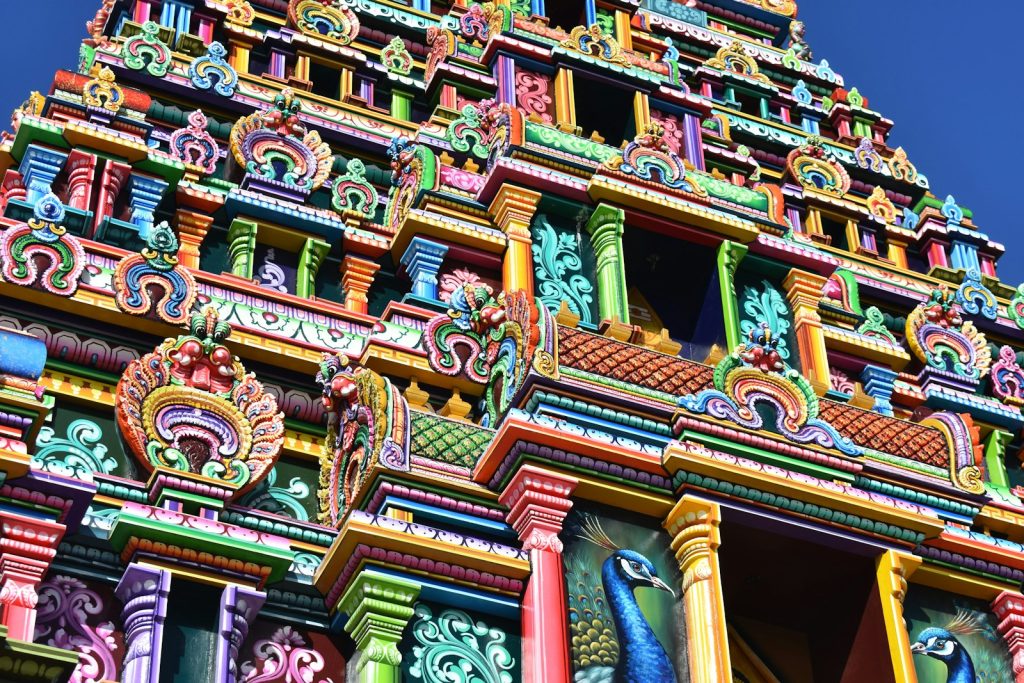
15. Shop at the Nadi markets and Port Denarau
The Nadi Municipal Market is busy with stalls of tropical fruit, vegetables, spices and kava root, while the handicraft market sells carvings, masks and woven goods. At Port Denarau, the marina has shops, cafés and restaurants and is the departure point for most island boats.
16. Join a kava ceremony
Kava, known in Fiji as yaqona or grog, is a mildly numbing drink made from the root of a pepper plant, and it is central to Fijian culture. Many resorts and village tours hold a welcome ceremony where you sit cross legged, clap once, say “bula” and drink from a coconut shell, then clap three times. Try it at least once.
17. Visit Navala village
High in the hills of Viti Levu, Navala is one of the last villages in Fiji built almost entirely of traditional thatched bure houses. Visits must be arranged through a tour or with the village, and you will usually take part in a sevusevu ceremony, presenting kava to the chief. It is a long drive on rough roads, but a fascinating insight into village life.
Viti Levu: the Coral Coast and the south
18. Explore the Sigatoka Sand Dunes
Sigatoka Sand Dunes National Park protects huge dunes on the Coral Coast, some rising more than 50 metres, where archaeologists have found pottery and burial sites thousands of years old. Walking trails lead through the dunes and forest to the beach. Go early to avoid the midday heat.
19. Take a Sigatoka River safari
Jet boat safaris speed up the Sigatoka River into the interior, stopping at a village for a welcome ceremony, a meal and a tour. It is a good way to see rural Fiji in half a day from the Coral Coast resorts.
20. Relax on Natadola Beach
Natadola Beach, on the west of the Coral Coast, is one of the longest and most beautiful beaches on Viti Levu, with soft sand and calm water inside the reef. It is about an hour from Nadi and a good stop for swimming and horse riding.
21. Hike to Biausevu waterfall
Near the Coral Coast resorts, a guided walk through a village and rainforest leads to the Biausevu waterfall, where you can swim in the pool beneath the falls. Village guides charge a small fee, and you should dress modestly when walking through the village.
22. Float down the Navua River
From Pacific Harbour, trips run up the Navua River gorge past waterfalls and rainforest, with options to raft, kayak or ride a traditional bamboo raft called a bilibili. Many tours stop at a village for lunch and a kava ceremony.
23. Visit the Fiji Museum in Suva
Suva, the capital, is on the wetter south east coast of Viti Levu. Its Fiji Museum, set in the Thurston Gardens, tells the story of the islands from early settlement to colonial rule and independence, with traditional canoes, weapons and artefacts. Suva is also the best place to see everyday city life, markets and colonial buildings.
The outer islands
24. See the waterfalls of Taveuni
Taveuni is known as the Garden Island of Fiji, with rainforest, rare birds and the Bouma National Heritage Park, where trails lead to the Tavoro waterfalls and natural swimming pools. It also has the famous 180th meridian, where you can stand on the line between yesterday and today, and the Lavena Coastal Walk.
25. Slow down in Savusavu
On Vanua Levu, the second largest island, the town of Savusavu sits on a sheltered bay popular with sailing yachts. It is known for its hot springs, black pearl farm tours, quiet resorts and excellent snorkelling, and it feels far from the busy resorts around Nadi.
What is the prettiest island in Fiji?
It depends on what you want, but most visitors find the Mamanuca and Yasawa Islands the prettiest, with white sand, palm trees and clear turquoise lagoons. In the Mamanucas, Monuriki, Mana and Malolo are classic beauties within easy reach of Nadi. In the Yasawas, the islands around the Blue Lagoon, Nacula and Nanuya Lailai are among the most stunning. For lush green landscapes and waterfalls rather than beaches, Taveuni is hard to beat.
How many days are recommended for a Fiji trip?
Plan at least seven to ten days for a relaxing Fiji holiday. That gives you a night or two near Nadi to recover from the long flight, four or five nights in the Mamanuca or Yasawa Islands, and a couple of days on the Coral Coast or a day of tours. With two weeks, add Taveuni or Savusavu, or island hop the full length of the Yasawas. If you are stopping on the way to Australia or New Zealand, even three or four nights on one island is worthwhile.
What language do they speak in Fiji?
Fiji has three official languages: English, iTaukei (Fijian) and Fiji Hindi. English is used in government, schools and business, and almost everyone in tourist areas speaks it well, so you will have no problem communicating. Learn a few words of Fijian to make friends: “bula” means hello, “vinaka” means thank you, and “moce” (pronounced mothay) means goodbye.
Does Fiji have a good nightlife?
Fiji is not a party destination in the way that parts of Thailand or Spain are, and most evenings are relaxed. The liveliest options are the bars at Port Denarau and Nadi, a small club scene in Suva, and backpacker resorts in the Mamanucas such as Beachcomber Island, known for its social atmosphere. Most resorts have bars, live music, firewalking or Fijian dance shows called meke, and kava sessions under the stars. If you want nightlife, stay in Denarau or a social island resort rather than a remote eco lodge.
Is alcohol expensive in Fiji?
It depends where you buy it. Local beer, such as Fiji Bitter and Fiji Gold, is reasonably priced in supermarkets and local bars, and local rum is good value. In resorts, especially on the outer islands, drinks cost much more because of import taxes, transport and limited competition, and imported wine and spirits can be very expensive. Many visitors save money by buying duty free on arrival at Nadi airport, where you can bring in a limited amount, and by choosing all inclusive or drinks packages if they plan to drink a lot. Check whether your resort allows you to bring your own alcohol, as some charge a corkage fee.
Dos and don’ts in Fiji
Fijians are very welcoming, and showing respect for local customs makes a big difference.
- **Do dress modestly in villages and towns:** cover your shoulders and knees, and wear a sulu (sarong) if needed. Swimwear is for the beach and resort only.
- **Don’t wear a hat or sunglasses in a village:** in Fijian culture, only the chief wears a hat. Take them off when you enter a village.
- **Don’t touch anyone’s head:** the head is considered sacred.
- **Do take a gift of kava root** (sevusevu) when visiting a village, and wait to be invited in.
- **Do take your shoes off** before entering a home or bure, and sit cross legged on the floor.
- **Respect Sundays:** many Fijians are devout Christians, and Sunday is a quiet day for church and family, so expect fewer services in villages.
- **Don’t touch or stand on coral,** and never take shells or coral home.
- **Do say “bula” and smile:** a friendly greeting goes a long way.
When to visit Fiji
The dry season, from May to October, is the best time to visit, with sunny days around 26°C to 29°C, lower humidity and calm seas. It is also the busiest time, especially in the Australian and New Zealand school holidays. The wet season, from November to April, is hotter and more humid, with heavy tropical showers, and it is also cyclone season. Prices are lower then, but take out insurance that covers cyclones, and keep an eye on the weather forecast.
What to skip or leave for another trip
If you only have a week, skip the long drive to Navala and the outer islands, and focus on the Mamanuca or Yasawa Islands with a day or two on the Coral Coast. Suva is interesting but rainy, and many short stay visitors leave it out. Taveuni, Savusavu and Kadavu need domestic flights and at least three nights each, so save them for a longer trip.
Practical tips for visiting Fiji
- **Money:** the currency is the Fijian dollar. Cards are accepted in resorts and larger shops, but carry cash for markets, taxis, buses and village visits. Cash machines are found in Nadi, Denarau, Suva and larger towns.
- **Plugs:** Fiji uses the same plugs as Australia and New Zealand, so bring an adapter.
- **Health:** drink bottled or filtered water outside resorts, use insect repellent against mosquitoes, and see a travel nurse about vaccines before you go.
- **Sun:** the tropical sun is very strong. Wear reef safe sun cream, a hat and a rash vest for snorkelling.
- **Tipping:** not expected, though many resorts have a staff Christmas fund where you can leave a contribution.
- **Fiji time:** life moves at a relaxed pace, so don’t expect everything to run exactly on schedule.
Our picks
- **Best island holiday:** a few nights in the Mamanuca Islands, close to Nadi.
- **Best adventure:** the Sawa i Lau caves and manta rays in the Yasawas.
- **Best dive:** the Great White Wall on the Rainbow Reef.
- **Best culture:** a kava ceremony and a village visit.
- **Best beach on the main island:** Natadola Beach.
Frequently asked questions
What is the prettiest island in Fiji?
The Mamanuca and Yasawa Islands are the prettiest for beaches and lagoons, especially Monuriki, Mana, Nacula and the islands around the Blue Lagoon. Taveuni is the most beautiful for rainforest and waterfalls.
What language do they speak in Fiji?
English, iTaukei (Fijian) and Fiji Hindi are all official languages, and English is widely spoken. “Bula” means hello and “vinaka” means thank you.
How many days are recommended for a Fiji trip?
Seven to ten days is ideal, with time near Nadi, several nights on an island and a few days of tours. Two weeks lets you add the outer islands.
Does Fiji have a good nightlife?
Nightlife is relaxed. The liveliest spots are Port Denarau, Nadi, Suva and social island resorts such as Beachcomber Island, while most resorts offer bars, live music and Fijian dance shows.
What are the dos and don’ts in Fiji?
Dress modestly in villages, remove hats and sunglasses, never touch anyone’s head, bring kava when visiting a village, take off your shoes indoors, respect quiet Sundays and never touch the coral.
Is alcohol expensive in Fiji?
Local beer and rum are fairly cheap in supermarkets and local bars, but drinks in island resorts and imported wine and spirits can be expensive. Buy duty free at Nadi airport or choose a drinks package.
Do I need a visa for Fiji from the UK?
No. UK passport holders can visit for up to four months without a visa, but you need an onward or return ticket and a passport valid for six months after arrival.
When is the best time to visit Fiji?
May to October is the dry season, with sunny weather and calm seas. November to April is hotter, wetter and cyclone season, but cheaper.
Plan the rest of your trip
Browse our Australia and Oceania travel guides for more ideas. Many visitors combine Fiji with New Zealand or Australia, so read our guides to the best things to do in Auckland, the best things to do in Queenstown and the best things to do in Sydney. Flying via Asia? See our guide to the best things to do in Singapore. If you spot something out of date, please let us know.