
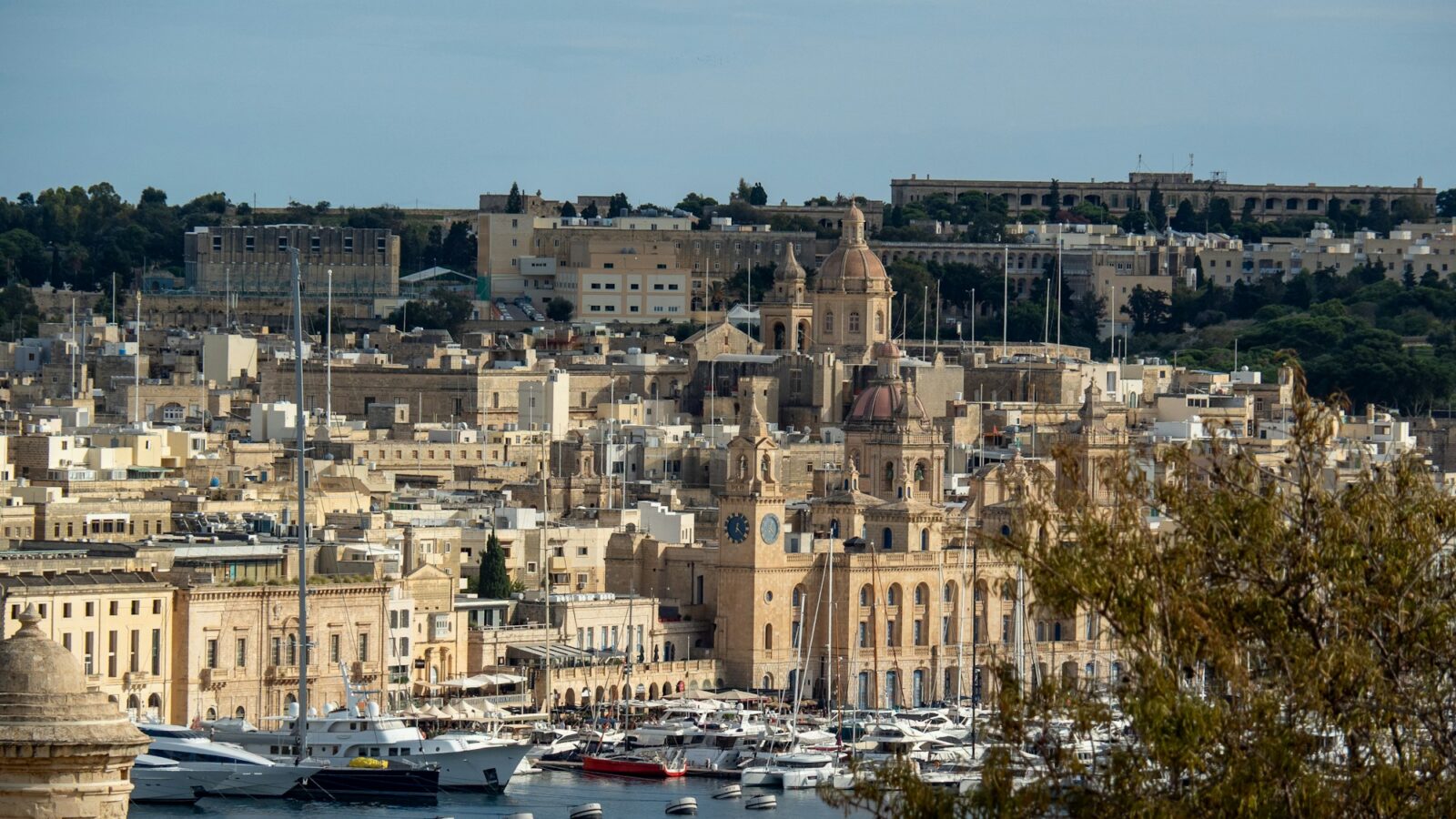
Things to do in Malta range from temples older than the pyramids of Giza and a Caravaggio masterpiece in Valletta to the Blue Lagoon on Comino, wreck dives and a slow day on Gozo. This guide covers the 25 best across all three islands, with prices we checked in November 2026, the booking rules that catch people out and how to get around without a car.
Some links in this guide are affiliate links: if you book through them we may earn a commission at no extra cost to you. It never changes what we recommend. How we make money.
Malta is small, about 27 km from end to end, but traffic is heavy and buses can be slow, so the trick is to group sights by area. Valletta, Mdina and the southern temples fill two or three days on the main island; Gozo and Comino need a day each. We also cover what changes in winter, where to go at night, what things cost and everything UK and US visitors need to know before they fly.
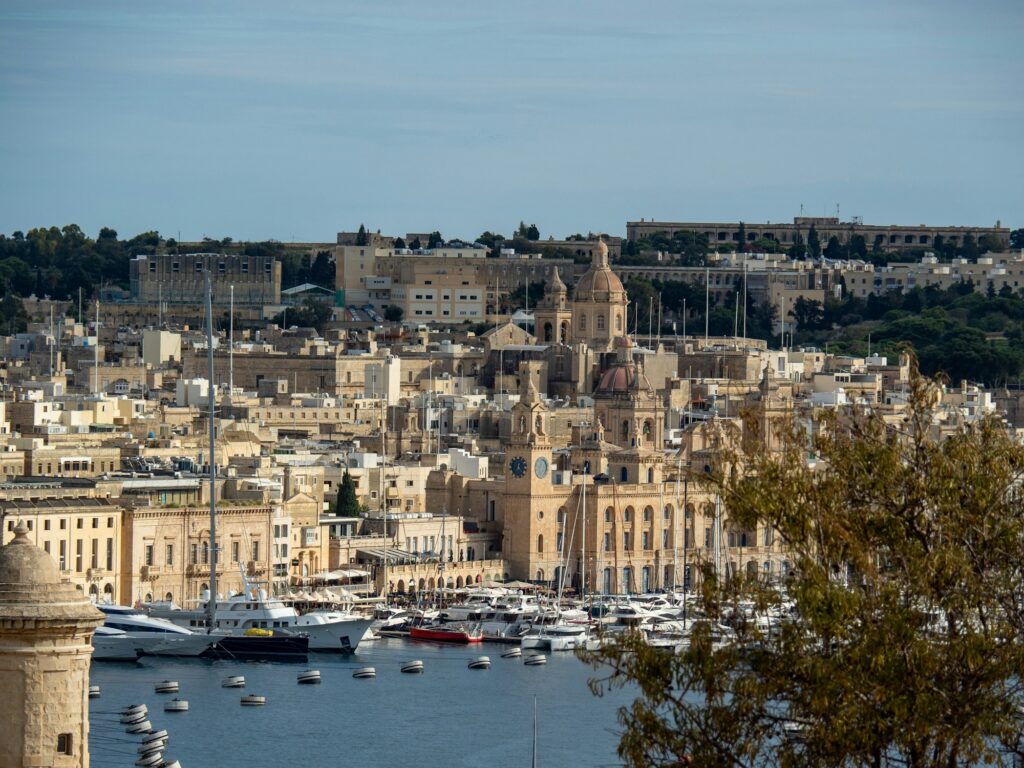
Things to do in Malta at a glance
| Sight | Island and area | Time needed | Cost (Nov 2026) |
|---|---|---|---|
| Valletta old city and Upper Barrakka Gardens | Malta, Valletta | Half a day | Free |
| St John’s Cathedral | Malta, Valletta | 1 to 1.5 hours | €15 |
| Grand Master’s Palace | Malta, Valletta | 1.5 hours | €12 |
| Fort St Elmo and National War Museum | Malta, Valletta | 1.5 to 2 hours | €10 |
| Three Cities and Fort St Angelo | Malta, across the Grand Harbour | Half a day | Streets free |
| Hal Saflieni Hypogeum | Malta, Paola | 1 hour | €35, book weeks ahead |
| Mdina and Rabat | Malta, centre | Half a day | Mdina free to walk |
| Hagar Qim and Mnajdra temples | Malta, south coast | 2 hours | €10 |
| Blue Grotto boat trip | Malta, south coast | 1 hour | €8 |
| Marsaxlokk and St Peter’s Pool | Malta, south east | Half a day | Free |
| Mosta Rotunda | Malta, centre | 45 minutes | €5 |
| Popeye Village | Malta, north west | 2 to 3 hours | From €15 |
| Blue Lagoon | Comino | Half a day | Free landing booking plus boat fare |
| Gozo day trip | Gozo | A full day | Ferry €4.65 return |
| Ggantija temples | Gozo, Xaghra | 1.5 hours | €10 |
We convert at about £0.84 and $1.10 to the euro (November 2026). Heritage Malta prices are adult rates as listed in 2026; always check the official site before you go.
What our Malta video covers
From Valletta and St John's Co-Cathedral to the Hypogeum, Malta's megalithic temples, Mdina, the Three Cities, the Blue Lagoon on Comino, Gozo and Popeye Village, here are 20 of the best places to visit in Malta.
Jump to a chapter (21)
- 0:52 Valletta
- 1:17 St John's Co-Cathedral
- 1:31 Upper Barrakka Gardens
- 1:42 The Ħal Saflieni Hypogeum
- 2:13 The megalithic temples
- 2:33 Għar Dalam cave
- 2:51 Mdina
- 3:12 The Lascaris War Rooms
- 3:28 The Three Cities
- 3:52 A museum of Malta's past
- 4:05 Village festas
- 4:19 A golden sandy beach
- 4:45 Dingli Cliffs
- 5:10 The Blue Lagoon, Comino
- 5:34 Dwejra Bay, Gozo
- 5:58 Boat trips and diving
- 6:28 A harbour cruise
- 6:45 The Citadel, Gozo
- 7:03 Popeye Village
- 7:22 Nightlife
- 7:38 Maltese food
How to choose the best things to do in Malta
Short answer: spend your first day in Valletta, your second in Mdina and the south (temples, Blue Grotto, Marsaxlokk), and your third on Gozo. Add Comino in the warmer months and book the Hypogeum as soon as your dates are fixed, because it sells out weeks ahead.
History lovers will want St John’s, the Grand Master’s Palace, the war museums and the prehistoric temples. Beach lovers should base themselves in the north (Mellieha or St Paul’s Bay) for the sandy bays and the ferries to Gozo and Comino. First timers who want restaurants and nightlife usually stay in Sliema, St Julian’s or Valletta itself.
If you only have two days, see our answer in the FAQ below. If you have a week, you can add slower days on Gozo, a dive or snorkel trip and a walk along the Dingli Cliffs.
Things to do in Valletta
Valletta, the capital, was built by the Knights of St John after the Great Siege of 1565 and is a UNESCO World Heritage Site. It is compact enough to cross on foot in 15 minutes, and almost every bus route on the island starts or ends at the terminus outside the City Gate. These are the best things to do in Valletta.
1. Walk Valletta and the Upper Barrakka Gardens
Start at the City Gate, walk down Republic Street to St George’s Square, then cut across to the Upper Barrakka Gardens for the classic view over the Grand Harbour and the Three Cities. The gardens are free. Below them, the Saluting Battery fires a gun salute at noon and at 16:00, and you can watch for free from the gardens.
- Getting there: any bus to Valletta, or the ferry from Sliema.
- Time needed: half a day with coffee stops.
- Tip: the Barrakka Lift links the gardens with the waterfront and the ferry to the Three Cities, which saves a steep climb.
Walking tours are worth it here, because Valletta’s history is hard to read from the buildings alone. Without a tour, walk the grid of straight streets slowly and look up at the painted wooden balconies.
2. St John’s Cathedral and the Caravaggio paintings
St John’s (officially the Co Cathedral of St John) looks plain from the outside, but inside every surface is gilded and carved, and the floor is covered with the marble tombs of the Knights. The Oratory holds Caravaggio’s The Beheading of Saint John the Baptist, the only painting he ever signed.
Tickets cost €15 (about £13 / $17), €12 for seniors and students, and children under 12 go free with an adult. It is open Monday to Saturday from 09:00 to 16:45, with last entry at 16:00, and closed on Sundays and public holidays. An audio guide is included.
- Dress: cover your shoulders and knees, or bring a shawl.
- Shoes: stiletto and narrow heels are not allowed, to protect the floor.
- Time needed: 1 to 1.5 hours.
Go at 09:00 or after 14:30 to avoid cruise groups. The cathedral museum was closed for extension and refurbishment when we checked, so ask at the desk what is on display.
3. Grand Master’s Palace and Palace Armoury
The palace was the seat of the Grand Masters of the Order of St John and later of the British governors. Its state rooms, painted corridors and armoury of suits of armour and weapons make it one of the best value visits in Valletta.
Adult tickets cost €12 (about £10 / $13). Allow about 90 minutes. It is a short walk from St John’s, so the two pair well in a morning.
4. Fort St Elmo and the National War Museum
Fort St Elmo, at the tip of the Valletta peninsula, held out for weeks during the Great Siege of 1565. Today it houses the National War Museum, which runs from prehistory to the Second World War and displays the George Cross awarded to the people of Malta in 1942.
Adult tickets cost €10 (about £8 / $11). Allow 90 minutes to 2 hours. Pair it with the Lascaris War Rooms, the underground headquarters from which the defence of Malta was run during the war; tickets are sold separately by the heritage trust that runs them.
5. The Three Cities and Fort St Angelo
Across the Grand Harbour, Birgu (also called Vittoriosa), Senglea and Cospicua are older than Valletta and far quieter. Wander the lanes of Birgu, visit Fort St Angelo on the tip of the peninsula, then walk to the gardens at the point of Senglea for the best view back to Valletta.
The easiest way to get there is the ferry from below the Upper Barrakka Gardens, a short and cheap crossing. For something more traditional, hire a dghajsa, the small painted water taxi, from the Valletta waterfront. The streets are free; Fort St Angelo charges a Heritage Malta ticket.
6. Hal Saflieni Hypogeum
The Hypogeum is an underground burial complex carved out of the rock about 5,000 years ago, with chambers that copy the architecture of the temples above ground. It is a UNESCO World Heritage Site and the hardest ticket in Malta to get.
Only 10 people are allowed inside at a time. Adult tickets cost €35 (about £29 / $39), with €20 for ages 12 to 17 and over 60s and €15 for ages 6 to 11. Children under 6 are not admitted, and photography is not allowed. Book on the official Heritage Malta Hypogeum page as soon as your dates are fixed.
The Tarxien Temples, a few minutes’ walk away, make a good pairing (€6). Paola is a short bus ride from Valletta.
7. Mdina, the Silent City
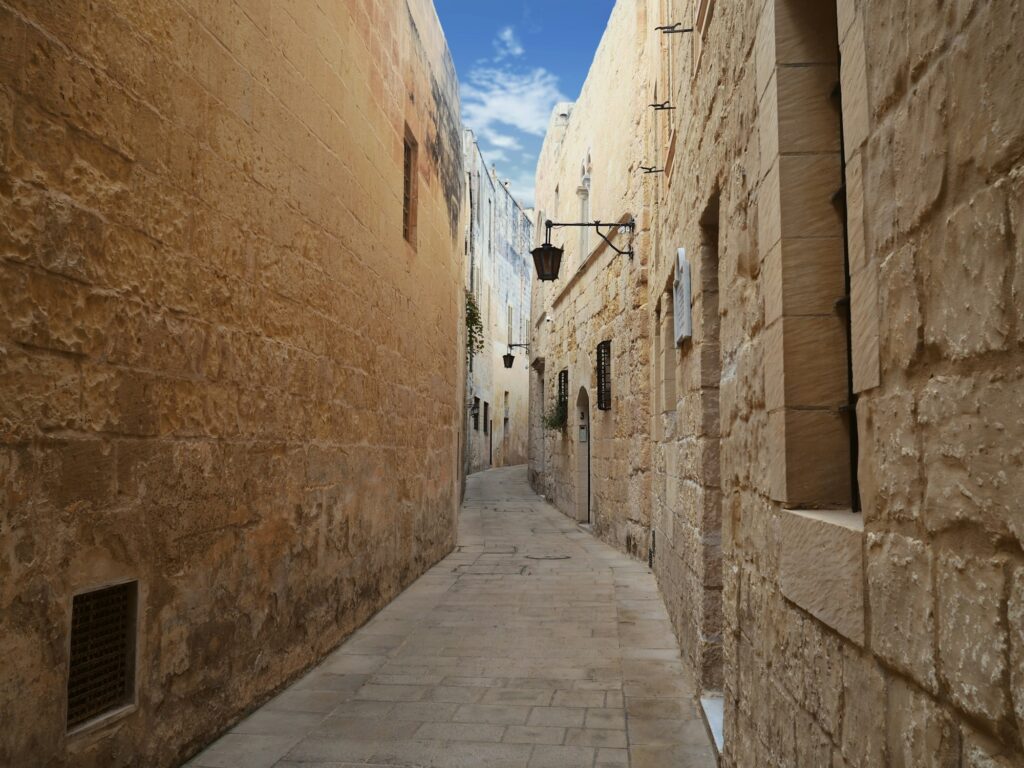
Mdina was Malta’s capital before Valletta, and its walled lanes of honey coloured stone are almost free of cars, which is why it is called the Silent City. Walking around is free; the cathedral and its museum charge separately.
Stop at the bastion walls for the view across the island, and at the Fontanella tea garden on the walls for cake with that view. Mdina was also used as a filming location for the first series of Game of Thrones.
- Getting there: buses run from Valletta to Rabat in about 30 minutes; walk through the Main Gate.
- Time needed: two to three hours, more if you add Rabat.
- Tip: come early in the morning or after dark, when the day trippers have gone.
8. Rabat: St Paul’s Catacombs and Domvs Romana
Rabat, just outside Mdina’s walls, has the St Paul’s Catacombs, a maze of early Christian burial tunnels, and the Domvs Romana, a Roman town house with fine mosaic floors (€6). Rabat is also the place to try pastizzi from a hole in the wall bakery.
9. Dingli Cliffs
The Dingli Cliffs, on the west coast near Rabat, rise about 250 metres above the sea and are the highest point on the island. There is a path along the top with views to the tiny island of Filfla, and it is one of the best places in Malta for sunset. Entry is free; come by car, taxi or bus from Rabat.
10. Mosta Rotunda
The Rotunda of Mosta has one of the largest unsupported domes in Europe. On 9 April 1942 a German bomb crashed through the dome during a service attended by more than 300 people and did not explode; a replica is on show inside.
Entry costs €5 (about £4 / $6), with under 12s free, and includes the dome gallery, the wartime air raid shelters and an audio guide. It is usually open from 09:30 on weekdays and from noon on Sundays, but it is a working parish church, so hours can change.
11. Hagar Qim and Mnajdra temples
These two temples on the cliffs of the south coast date from about 3600 to 3200 BC and are part of the UNESCO listed Megalithic Temples of Malta. Mnajdra is aligned so that the rising sun shines through its doorway at the equinoxes. Protective tents cover the stones, and a visitor centre explains how they were built.
A single €10 ticket (about £8 / $11) covers both sites. Allow two hours, including the 500 metre walk between them. Combine them with the Blue Grotto, which is a few minutes away.
12. Blue Grotto
The Blue Grotto is a series of sea caves where the water glows bright blue in the morning light. Small boats leave from the tiny harbour below the village of Zurrieq for a trip of about 20 to 25 minutes.
Boat trips cost about €8 for adults and €4 for children, paid at the kiosk on the ramp. They run from 09:00 to 15:30 in winter and to 17:00 in summer, but only when the sea is calm. For a free look, use the viewpoint on the coast road above.
- Getting there: bus 74 from Valletta (about 30 minutes, then a walk downhill from the Panorama stop), or bus 201 from the airport and Rabat.
- Best time: before 11:00, when the light is best.
13. Marsaxlokk and St Peter’s Pool
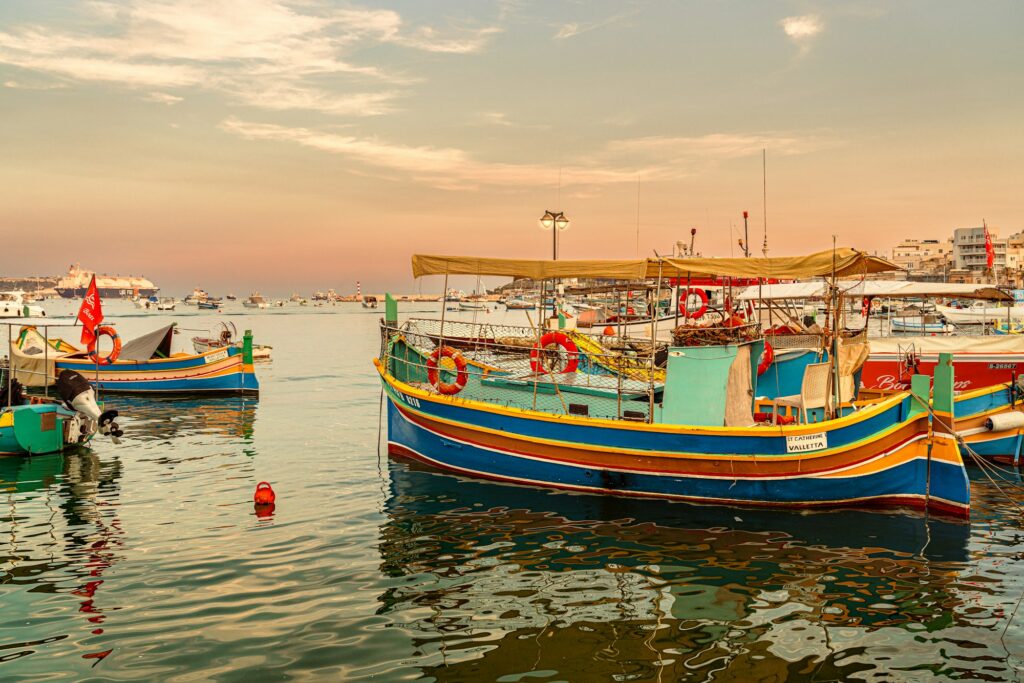
Marsaxlokk is a fishing village on the south east coast, famous for its harbour full of brightly painted luzzu boats with the Eye of Osiris on the bow. The Sunday market is the busiest day, with fish stalls in the morning and souvenir stalls along the front.
A walk or short drive east brings you to St Peter’s Pool, a natural rock pool with flat limestone ledges for sunbathing and cliff jumping. It is free, but there is no shade or lifeguard and no facilities. Buses 81 and 85 run from Valletta to Marsaxlokk.
14. Beaches: Golden Bay, Ghajn Tuffieha and Mellieha Bay
Malta is better known for rocky swimming spots than sand, but the north west has the best sandy beaches. Mellieha Bay (Ghadira) is long and shallow, which suits families. Golden Bay has sunbeds and cafes, and neighbouring Ghajn Tuffieha is reached down a long flight of steps and feels wilder. Most sandy beaches get busy from June to September; go early.
15. Popeye Village
Popeye Village, on Anchor Bay in the north west, is the colourful wooden film set built for the 1980 musical film and kept as a small family attraction with shows, a museum and mini golf. Even if you do not go in, the view of the set across the bay from the road above is one of the most photographed in Malta.
Between 6 November 2026 and 3 January 2027, tickets cost €15 for adults and teens and €12.50 for children aged 3 to 12; from 4 January to 30 April 2027 they are €16 and €13. It is open daily from 09:30 to 17:00 in that period. Allow two to three hours with children.
16. Diving and snorkelling
Diving is one of the most popular things to do in Malta, and the islands are among the best diving destinations in the Mediterranean, with clear water, caves, reefs and wrecks sunk on purpose as artificial reefs off the main island and Gozo. The Blue Hole at Dwejra on Gozo is one of the most famous dives. Dive centres across Sliema, St Paul’s Bay and Gozo run trial dives for beginners as well as courses and guided dives for certified divers.
For snorkelling without a boat, try St Peter’s Pool, Ghar Lapsi on the south coast or the rocky shore near the Blue Lagoon on Comino.
17. A Grand Harbour cruise
A one or two hour harbour cruise from Sliema loops round Marsamxett Harbour and the Grand Harbour, passing the fortifications of Valletta and the Three Cities from the water. It is the easiest way to understand why the Knights built here. Public Transport Malta also sells an Explore Flex card that bundles a harbour cruise with bus travel (from €36 for four days).
Blue Lagoon Comino and Comino island
Comino is the smallest of the three inhabited islands, between Malta and Gozo, with almost no residents and no cars. For many visitors the Blue Lagoon is top of the list of things to do in Malta: a channel of shallow turquoise water between Comino and the islet of Cominotto.
18. Blue Lagoon, Comino
The Blue Lagoon is the most famous swimming spot in Malta, and also the most crowded. To control numbers, the Malta Tourism Authority runs a free online booking system: you choose one of three daily slots (08:00 to 13:00, 13:30 to 17:30 or 18:00 to 22:00), get a QR code, and exchange it for a wristband when you land. No more than 4,000 people are allowed per slot, and you can be turned away or fined without a booking.
- How to book: on the official Blue Lagoon Comino booking site or at information booths in places such as Sliema, Bugibba, Mellieha and Cirkewwa. Do not assume your boat operator has booked for you.
- Boats: passenger ferries cross from Cirkewwa and Marfa on Malta and from Mgarr on Gozo; one operator charged about €15 return in 2026. Day cruises run from Sliema and Bugibba.
- Coming change: Malta’s Budget 2027, announced in October 2026, includes a €5 charge for non resident visitors to Comino, to be collected through the booking system. No start date had been confirmed when we checked.
- Time needed: half a day.
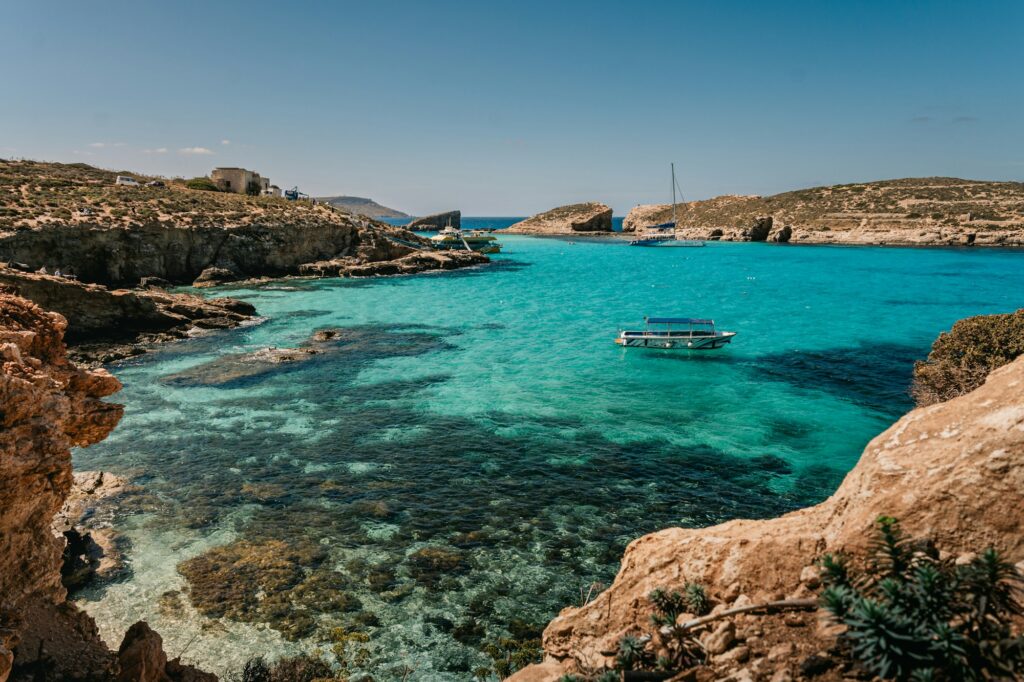
The booking system ran through the summer seasons of 2025 and 2026. In winter there are far fewer boats and far fewer people, and the water is cold, so check the booking site and the ferry timetables before you set out. Bring water and shade: there is little of either on the island.
19. Walk Comino and the Crystal Lagoon
Away from the lagoon, Comino has quiet footpaths to St Mary’s Tower, a 17th century watchtower built by the Knights, and to smaller coves. Many boat trips also stop at the Crystal Lagoon and the sea caves on Comino’s coast for a swim.
Gozo day trip
Some of the most relaxing things to do in Malta are on Gozo, which is greener, slower and more rural than the main island, with its own capital, temples, red sand beach and dramatic west coast. You can see the highlights on a Gozo day trip, but it rewards a night or two.
20. How to do a Gozo day trip
Gozo Channel car ferries sail around the clock from Cirkewwa, at the northern tip of Malta, to Mgarr on Gozo in about 25 minutes. Foot passengers pay €4.65 (about £4 / $5) for an adult and €1.15 for a child, and a car with driver costs €15.70; you pay on the Gozo side before the return crossing, so the outward trip is effectively free. Check times on the Gozo Channel website.
From Valletta, the Gozo Highspeed fast ferry reaches Mgarr in about 45 minutes and costs €7.50 each way. Budget 2027 also announced higher Gozo Channel fares for non residents (an adult fare of €11 was reported), but no start date had been set when we checked.
- Without a tour: take the ferry, then use the local buses from Mgarr or hire a car or taxi for the day.
- With a tour: jeep tours and coach tours from Malta include the ferry and the main sights, which is easier if you have only one day.
- Time needed: a full day, leaving Malta by 09:00.
21. The Citadel in Victoria
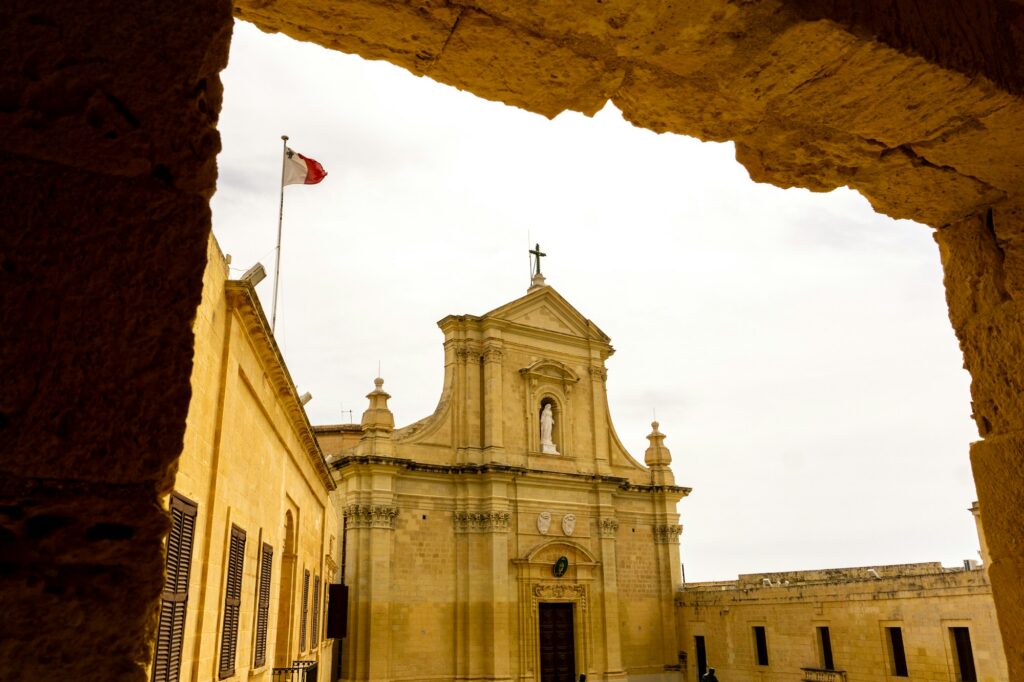
The Citadel (Cittadella) crowns the hill above Victoria, Gozo’s capital, which locals still call Rabat. Inside the walls are the baroque Cathedral of the Assumption, small museums and a ring of ramparts with views across the whole island. Walking the walls is free; there is a visitor centre at the entrance.
22. Ggantija temples
The two Ggantija temples in Xaghra date from about 3600 BC, which makes them older than Stonehenge and the pyramids of Giza. They are among the oldest freestanding buildings in the world. Adult tickets cost €10 (about £8 / $11), and the visit starts in a small museum of finds from the site.
23. Dwejra and the Inland Sea
Dwejra on the west coast was home to the Azure Window, the rock arch that collapsed into the sea in March 2017. It is still worth the trip for Fungus Rock, the Blue Hole and the Inland Sea, a lagoon linked to the open sea by a tunnel through the cliff. Local fishermen run short boat trips through the tunnel when the sea is calm.
24. Ramla Bay, Xlendi and the salt pans
Ramla Bay, on the north coast, is famous for its red sand and is the best beach on Gozo. Xlendi, in a narrow inlet on the south west coast, is a small resort with seafood restaurants on the water. Between Marsalforn and Xwejni, rows of salt pans carved into the rock are still worked in summer, and the coastal walk past them is lovely at sunset.
25. Eat your way round Malta
Maltese food mixes Sicilian, North African and British influences. Try pastizzi (flaky pastries filled with ricotta or mushy peas), ftira (a ring shaped bread filled like a sandwich and recognised by UNESCO), rabbit stew, lampuki pie made with the dorado fish caught in autumn, and gbejniet, the small sheep’s cheeses from Gozo. Wash it down with Kinnie, a bitter orange soft drink, or a Cisk lager.
Things to do in Malta at night
Short answer: for drinks and live music go to Valletta’s Strait Street, for clubs go to Paceville in St Julian’s, and for a quiet, atmospheric evening walk Mdina or the Three Cities after dark.
- Valletta: Strait Street was once the sailors’ red light district and is now lined with wine bars. The Manoel Theatre, opened in 1732, is one of the oldest working theatres in Europe; check its programme for concerts and plays.
- St Julian’s and Paceville: the busiest nightlife area, with clubs open late at weekends, plus the waterfront restaurants of Spinola Bay.
- Sliema: the long seafront promenade is where locals walk in the evening.
- Mdina and the Three Cities: almost empty after dark and beautifully lit.
- Summer: the last Blue Lagoon slot runs until 22:00, and village festas with fireworks and brass bands fill summer weekends.
Night buses (N routes) cost €3 a journey. Taxis and ride hailing apps are easy to find in Valletta and St Julian’s.
Things to do in Malta in winter
Malta is one of the warmest places in Europe in winter, with daytime highs typically in the mid teens Celsius from December to February, though it can be windy and wet. Sightseeing is far more pleasant than in the summer heat, and queues are shorter.
- Sightseeing: Valletta, Mdina, the temples and Gozo are all at their best when it is cooler. Hypogeum tickets still sell out.
- Prices: winter bus fares are lower (€2 a journey from 18 October 2026 to 12 June 2027), and Popeye Village has lower winter prices.
- Christmas: churches and villages display nativity cribs, and Gozo’s village of Ghajnsielem usually stages a large living nativity, Bethlehem f’Ghajnsielem, on selected days in December and early January; check dates locally.
- Carnival: Valletta and Nadur on Gozo hold Carnival in the days before Ash Wednesday, which falls on 10 February in 2027.
- Weather caveats: Blue Grotto boats and Comino ferries stop when the sea is rough, swimming is for the brave, and some beach businesses close until spring.
What to skip or think twice about
- The Azure Window: it collapsed in 2017, so ignore old photos and tours that still sell it.
- The Blue Lagoon in July and August around midday: if you go in peak season, book the early or evening slot.
- Driving into Valletta: parking is scarce; use the bus or ferry.
- Trying to see Gozo, Comino and the Blue Lagoon in one rushed day: combined cruises do it, but you get very little time ashore at each.
How much things to do in Malta cost
| Item | Price (Nov 2026) | Approx GBP / USD |
|---|---|---|
| St John’s Cathedral | €15 | £13 / $17 |
| Hal Saflieni Hypogeum | €35 (last minute €50) | £29 / $39 |
| Grand Master’s Palace | €12 | £10 / $13 |
| Hagar Qim and Mnajdra, Ggantija, Fort St Elmo | €10 each | £8 / $11 |
| Tarxien Temples, Domvs Romana | €6 each | £5 / $7 |
| Mosta Rotunda | €5 | £4 / $6 |
| Blue Grotto boat | €8 | £7 / $9 |
| Popeye Village (to 3 Jan 2027) | €15 | £13 / $17 |
| Blue Lagoon landing booking | Free | Free |
| Gozo Channel ferry, adult return | €4.65 | £4 / $5 |
| Gozo Highspeed fast ferry, each way | €7.50 | £6 / $8 |
| Bus single, winter | €2 | £1.70 / $2.20 |
| Explore bus card, 7 days | €25 | £21 / $28 |
| Eco contribution, per adult per night | €1.50 (capped at €22.50) | £1.30 / $1.65 |
Bus fares are from the Malta Public Transport fares page. Many of the best free things to do in Malta are walks, viewpoints and beaches, so a trip need not be expensive. A Heritage Malta multisite pass, valid for 30 days, can cut costs if you plan to visit several of its sites; the Hypogeum is not included.
Getting around Malta
Malta’s buses, run by Malta Public Transport and branded tallinja, reach almost everywhere. A single ticket bought on board costs €2 in winter and €2.50 in summer, by cash or contactless, and is valid for two hours with changes. Night routes and the Airport Direct (TD) routes cost €3, or €3.50 on TD1.
Free bus travel only applies to residents with a personalised tallinja card registered to a Maltese address, so visitors pay. If you plan several trips a day, the 7 day Explore card (€25, excluding TD routes) or the shareable 12 journey card (€19) is better value.
Ferries link Valletta with Sliema and the Three Cities, and the Gozo ferries leave from Cirkewwa and Valletta. Taxis and ride hailing apps fill the gaps. Hiring a car helps on Gozo and for the south coast, but expect heavy traffic and tight parking around Valletta and Sliema.
Practical tips for UK and US visitors
- Entry: Malta is in the EU and the Schengen area. UK and US passport holders can stay up to 90 days in any 180 without a visa. Your passport should have been issued within the last 10 years and be valid for at least three months after you leave.
- EES: the EU Entry/Exit System has been in full operation since 10 April 2026, so expect fingerprints and a photo on your first entry.
- ETIAS: not yet in operation in November 2026; it will cost €20 once it starts. See our guide to EES and ETIAS for the latest.
- Healthcare: UK visitors can use a GHIC or EHIC for state healthcare; read our GHIC card guide. Everyone should still have travel insurance, and US visitors should check what their policy covers abroad.
- Flights from the UK: direct flights from London (Gatwick, Heathrow and Stansted), Manchester and other UK airports take about three to three and a half hours. Check your fare’s bag rules with our Ryanair cabin bag size guide if you fly low cost.
- Flights from the US: there are no nonstop flights, so connect in London or another European hub. Allow around 12 hours or more of total journey time from New York.
- Plugs: Type G, the same three pin plug as the UK, at 230 volts. US visitors need an adapter, and a converter for 110 volt only devices.
- Time: Malta is one hour ahead of London and usually six hours ahead of New York.
- Driving: Malta drives on the left, like the UK. UK licences are accepted; US drivers should bring an International Driving Permit in case the hire company asks for one.
- Tipping: not compulsory. Leaving around 5 to 10% in restaurants for good service is common, and rounding up taxi fares is enough.
- Money: Malta uses the euro, and cards are widely accepted, but carry some cash for small bakeries, kiosks and boat trips.
- Eco contribution: adults pay €1.50 per night on accommodation, capped at €22.50 per stay. Budget 2027 announced rises to €8 a night for hotels and €10 for short lets from 1 January 2027, but this had not been legislated when we checked.
- Language: English is an official language, so signs, menus and timetables are all in English.
Where to stay in Malta
- Valletta: best for history, restaurants and transport links; quieter at night than St Julian’s.
- Sliema and St Julian’s: the main hotel strip, with seafront promenades, ferries to Valletta and the most nightlife.
- Mellieha and St Paul’s Bay: best for sandy beaches and the ferries to Gozo and Comino.
- Gozo: farmhouses with pools and small hotels for a slower trip.
Our picks: the best things to do in Malta by trip length
- Two days: Valletta and the Three Cities on day one; Mdina, Rabat and the Dingli Cliffs at sunset on day two.
- Three days: add the south: Hagar Qim and Mnajdra, the Blue Grotto and Marsaxlokk, with the Hypogeum if you have a ticket.
- Five days: add a full Gozo day trip and a Comino boat trip or harbour cruise.
- A week: stay two nights on Gozo, add a dive or snorkel trip, Popeye Village and a beach day in the north.
What our Malta video covers
From Valletta and Mdina to the Blue Lagoon, the Hypogeum and the beaches of Gozo, here are 50 of the best places to visit in Malta.
Jump to a chapter (40)
- 0:34 Valletta
- 0:50 St. John's Co-Cathedral
- 1:10 Upper Barrakka Gardens
- 1:22 Mdina, the Silent City
- 1:33 Ħaġar Qim and Mnajdra temples
- 2:03 Marsaxlokk
- 2:13 Popeye Village
- 2:30 Dingli Cliffs
- 2:43 Golden Bay
- 2:55 St. Julian's and Sliema
- 3:15 Ħal Saflieni Hypogeum
- 3:33 Mosta Rotunda
- 3:47 The Three Cities
- 4:02 Fort St. Elmo and Fort Manoel
- 4:22 Fort Rinella
- 4:38 Lascaris War Rooms
- 4:46 National Museum of Archaeology
- 5:01 MUŻA and Casa Rocca Piccola
- 5:25 Palazzo Parisio
- 5:36 Manoel Theatre
- 5:44 Grand Harbour and the Saluting Battery
- 6:06 Paradise Bay
- 6:18 Għajn Tuffieħa and nearby bays
- 6:48 St. Peter's Pool
- 6:59 Marsaskala
- 7:10 Birżebbuġa and Pretty Bay
- 7:19 Qawra, Buġibba and St. Paul's Bay
- 7:44 Mellieħa
- 7:58 Gozo
- 8:17 Blue Lagoon, Comino
- 8:28 Ġgantija Temples
- 8:40 The Cittadella, Victoria
- 8:55 Ramla Bay
- 9:02 Xlendi Bay
- 9:16 Wied il-Għasri
- 9:28 Ta' Pinu Basilica
- 9:36 Dwejra
- 9:54 Gozo's salt pans
- 10:04 Calypso Cave
- 10:28 Diving in Gozo
Frequently asked questions
Can I wear green in Malta?
Yes. There is no law or custom against wearing green, or any other colour, in Malta. The only dress rule most visitors meet is in churches such as St John’s, where you should cover your shoulders and knees, and beachwear is best kept for the beach.
Is Malta cheap or expensive?
Malta is mid priced for Western Europe. Buses, ferries and snacks such as pastizzi are cheap, and most museums cost €5 to €15, but hotels in summer and restaurants in Valletta and St Julian’s cost about the same as in other Mediterranean resorts. Winter is noticeably cheaper.
What’s special in Malta?
Malta packs 7,000 years of history into a tiny area: prehistoric temples older than the pyramids, the fortress city of Valletta built by the Knights of St John, and Second World War sites. Add clear seas, three islands to explore and English as an official language.
What to do with 2 days in Malta?
Spend day one in Valletta (St John’s, the Grand Master’s Palace, the Upper Barrakka Gardens) and take the ferry to the Three Cities in the afternoon. On day two, visit Mdina and Rabat in the morning, then the Dingli Cliffs or the Blue Grotto and Marsaxlokk.
Do and don’ts in Malta?
Do book the Hypogeum and your Blue Lagoon slot in advance, cover up in churches, carry water in summer and look right first when crossing, because traffic drives on the left. Don’t drive into Valletta, swim where red flags are flying, or climb on the prehistoric temples.
Is 400 euros enough for a week in Malta?
Only if your accommodation is already paid. €400 (about £336 / $440) covers a week of buses with a €25 Explore card, the ferry to Gozo, several museum tickets and simple meals. It will not stretch to a hotel, and adults also pay the eco contribution of €1.50 a night.
What are some fun and adventure activities to do in Malta?
Diving and snorkelling are the big ones, from trial dives to wreck dives and the Blue Hole on Gozo. You can also sea kayak around Comino, take a boat into the Blue Grotto, jump from the rocks at St Peter’s Pool, rock climb on Gozo or hike the Dingli Cliffs.
What are some of the most famous things about Malta?
Malta is famous for the Knights of St John and the Great Siege of 1565, Valletta, Caravaggio’s Beheading of Saint John the Baptist, its megalithic temples, the George Cross awarded in 1942, the Blue Lagoon, the Popeye film set and pastizzi.
What is the famous food of Malta?
Pastizzi are the national snack, and rabbit stew is the national dish, often eaten at a long family meal called a fenkata. Also try ftira, lampuki pie, gbejniet cheese from Gozo, imqaret date pastries and the soft drink Kinnie.
Do I need to book the Blue Lagoon on Comino?
During the booking season, yes. The landing booking is free on the official site, with three daily slots of up to 4,000 people each. Check the site before a winter visit, and watch for the planned €5 charge for non residents announced in Budget 2027.
Is a Gozo day trip worth it?
Yes. A Gozo day trip gives you the Citadel, the Ggantija temples, Dwejra and Ramla Bay, and the ferry costs only €4.65 return. Leave early and consider a tour or hire car, because buses on Gozo are less frequent than on Malta.
Plan the rest of your trip
Malta pairs well with other Mediterranean trips. For more island ideas see our guides to the best things to do in Madeira and the best time to visit Greece, or fly on to Italy with our guide to the best things to do in Rome. Browse all our Malta travel guides as we add more. These things to do in Malta should give you a trip that mixes history, sea and good food on all three islands. If you spot something out of date, please let us know.