
Things to do in London start with the Tower of London, the British Museum and a walk past Big Ben, but the best trips mix those famous sights with free museums, markets, river views and a night at a West End show. This guide covers the 20 best things to do in London, with what each costs, how long to allow and how to get there, and every price, date and rule was checked in November 2026.
Some links in this guide are affiliate links: if you book through them we may earn a commission at no extra cost to you. It never changes what we recommend. How we make money.
Prices are in pounds sterling with a rough US dollar conversion at about £1 to $1.31 (late November 2026). Many of London’s best sights are completely free, so we flag those clearly. Further down you will find a costs table, a weekly budget, what is on this winter, and a full practical block for UK and US visitors: the ETA, flights and airports, the Tube, plugs, tipping and the time difference.
Things to do in London at a glance
| Activity | Area | Time needed | Cost (Nov 2026) |
|---|---|---|---|
| Tower of London and the Crown Jewels | Tower Hill | 3 to 4 hours | £38 (about $50) online |
| Tower Bridge walkways and glass floor | Tower Hill | 1 hour | £18 (about $24); crossing the bridge is free |
| British Museum | Bloomsbury | 2 to 3 hours | Free |
| Westminster Abbey | Westminster | 1.5 to 2 hours | £32 (about $42) |
| Big Ben and Parliament Square | Westminster | 30 minutes | Free to see from outside |
| Changing the Guard | Buckingham Palace | 1 hour | Free |
| National Gallery and Trafalgar Square | West End | 2 hours | Free |
| St Paul’s Cathedral | City of London | 2 hours | £27 (about $35) |
| London Eye | South Bank | 1 hour with queues | From £26 (about $34) online |
| Tate Modern | Bankside | 1.5 hours | Free (some exhibitions extra) |
| Borough Market | London Bridge | 1 to 2 hours | Free to browse |
| Natural History Museum, V&A and Science Museum | South Kensington | Half a day | Free |
| Sky Garden | City of London | 1 hour | Free, book ahead |
| Churchill War Rooms | Westminster | 2 hours | £34 (about $45) |
| Hyde Park and Kensington Gardens | West London | 1 to 3 hours | Free |
| A West End show | Covent Garden and Soho | An evening | From about £25 (about $33) |
| Camden Market and Regent’s Canal | North London | Half a day | Free to browse |
| Greenwich | South East London | Half a day | Park free, sights extra |
| Kew Gardens | West London | Half a day | From about £20 (about $26) |
| Harry Potter studio tour | Leavesden, near Watford | Half a day | From £56 (about $73) |
What our London video covers
From the Tower of London and the West End to Borough Market, the Shard and the Harry Potter studio tour, here are 20 of the best things to do in London.
Jump to a chapter (21)
- 0:00 Introduction to London
- 0:40 Tower of London
- 1:01 London Eye
- 1:14 British Museum
- 1:27 A West End show
- 1:42 Tower Bridge
- 1:56 Buckingham Palace
- 2:08 Hyde Park
- 2:21 National Gallery
- 2:38 Houses of Parliament & Big Ben
- 2:51 Churchill War Rooms
- 3:08 Borough Market
- 3:22 Victoria and Albert Museum
- 3:35 Thames river cruise
- 3:51 The Shard
- 4:04 Natural History Museum
- 4:16 Science Museum
- 4:31 Tate Modern
- 4:45 St Paul's Cathedral
- 5:01 Kensington Palace
- 5:12 Warner Bros. Studio Tour – The Making of Harry Potter
How to choose what to do in London
Start with two or three paid highlights, then fill the gaps with free museums, parks and markets. Book the Tower of London, Westminster Abbey and any timed tickets in advance, group sights by area so you are not crossing the city all day, and keep one evening for a show or a river walk.
London is huge, so think in neighbourhoods. Westminster has Big Ben, the Abbey and Buckingham Palace within a short walk. The City and Tower Hill have the Tower, Tower Bridge, St Paul’s and Sky Garden. The South Bank links the London Eye, Tate Modern, Shakespeare’s Globe and Borough Market on one riverside path. South Kensington has three free museums side by side.
If it is your first visit, three full days is enough for the big sights; with five days you can add Greenwich, Kew, a market morning and a day trip. Check whether a sight is closed before you go: Westminster Abbey is not usually open for sightseeing on Sundays, and the Changing the Guard does not happen every day in winter.
The 20 best things to do in London
These are the things to do in London that we think are worth your time on a first or second visit, in a rough order of priority. Each one has the price, how long to allow and how to get there by public transport.
1. Tower of London and the Crown Jewels
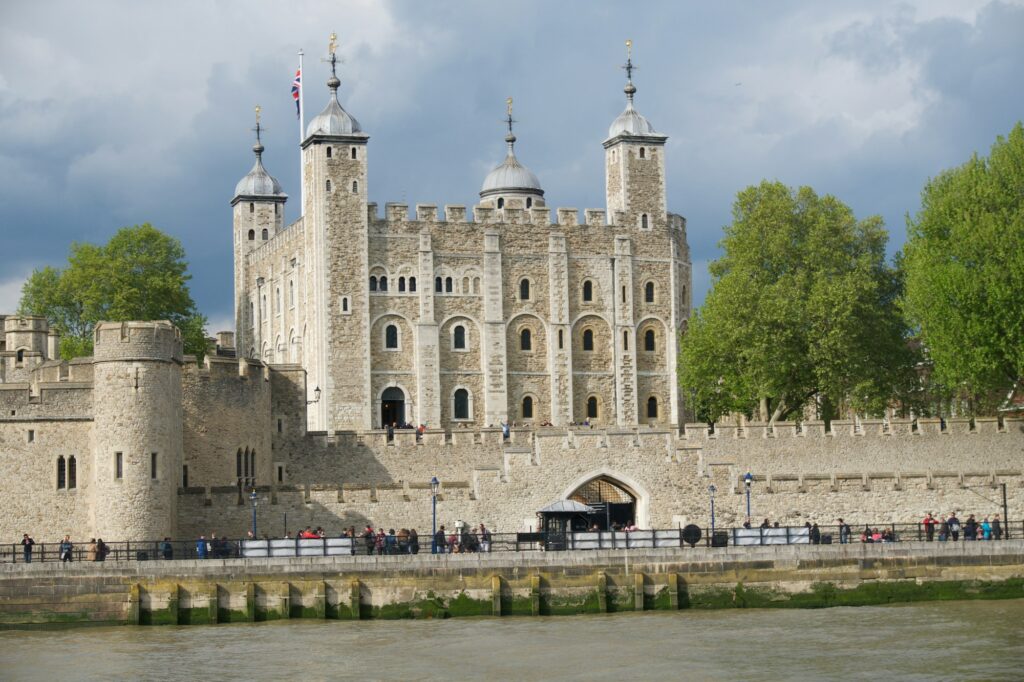
The Tower of London is a 1,000 year old royal fortress and the home of the Crown Jewels. Your ticket includes a guided tour with a Yeoman Warder (the Beefeaters), the White Tower, the medieval palace and the battlements. Adult tickets cost £38 (about $50) online without the optional donation, and £19 for children aged 5 to 15, with under 5s free. Prices were checked on the official Historic Royal Palaces site in November 2026.
Go straight to the Crown Jewels when the gates open, before the queue builds, then join a Yeoman Warder tour. Allow three to four hours. Take the Tube to Tower Hill (Circle and District lines). From 27 November 2026 to 3 January 2027, a Christmas trail is included in the ticket.
2. Tower Bridge
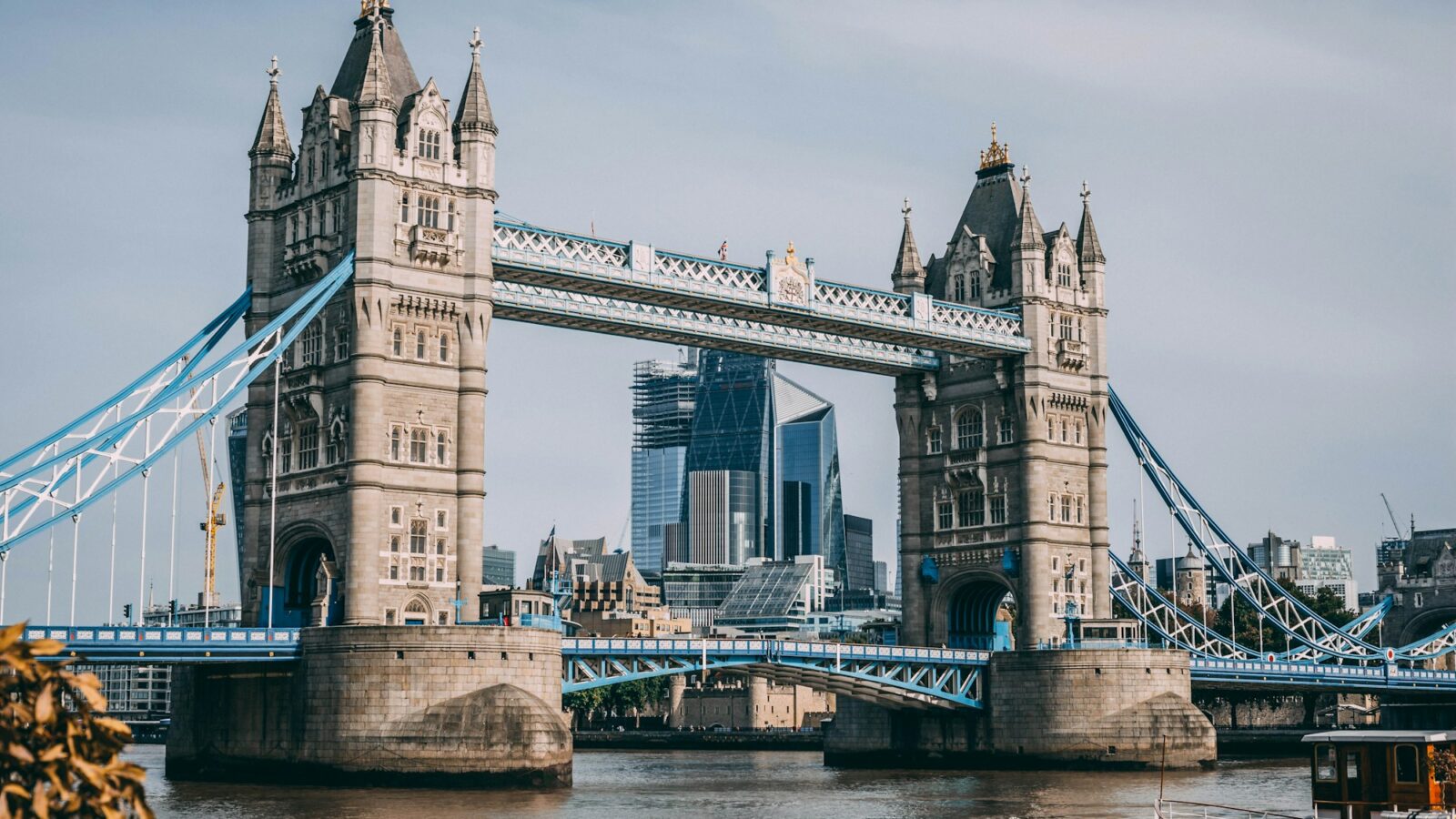
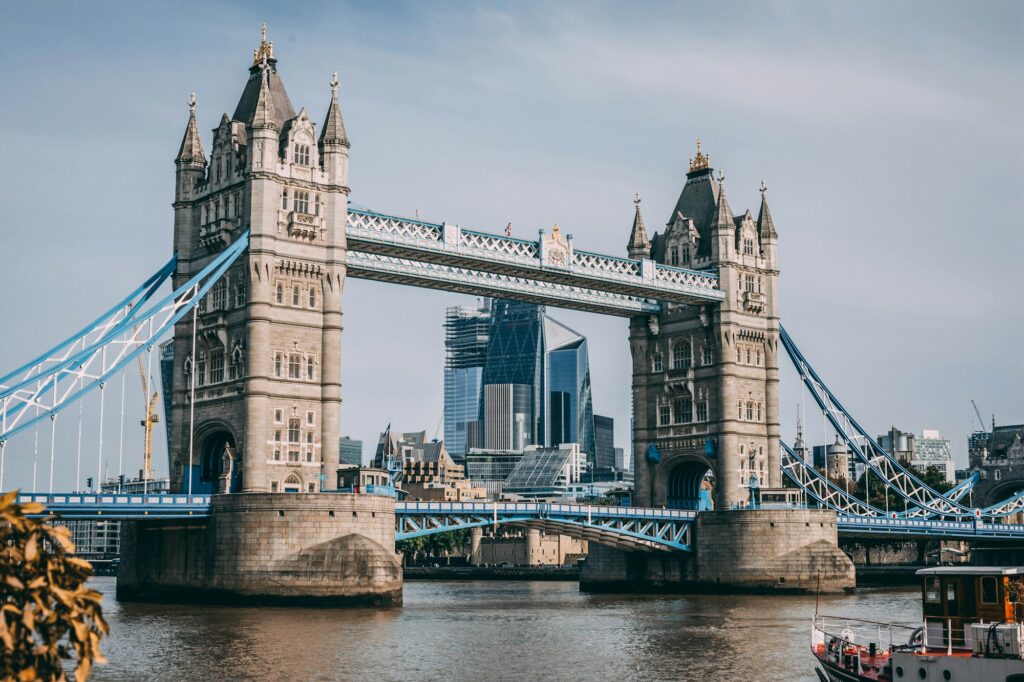
Walking across Tower Bridge is free and gives you the classic view of the Tower and the City skyscrapers. To go inside, the Tower Bridge Exhibition costs £18 (about $24) for adults and £9 for children, and includes the high walkways with their glass floor and the Victorian engine rooms. Allow about an hour, and check the bridge lift times online if you want to see the road open for a tall ship.
3. British Museum
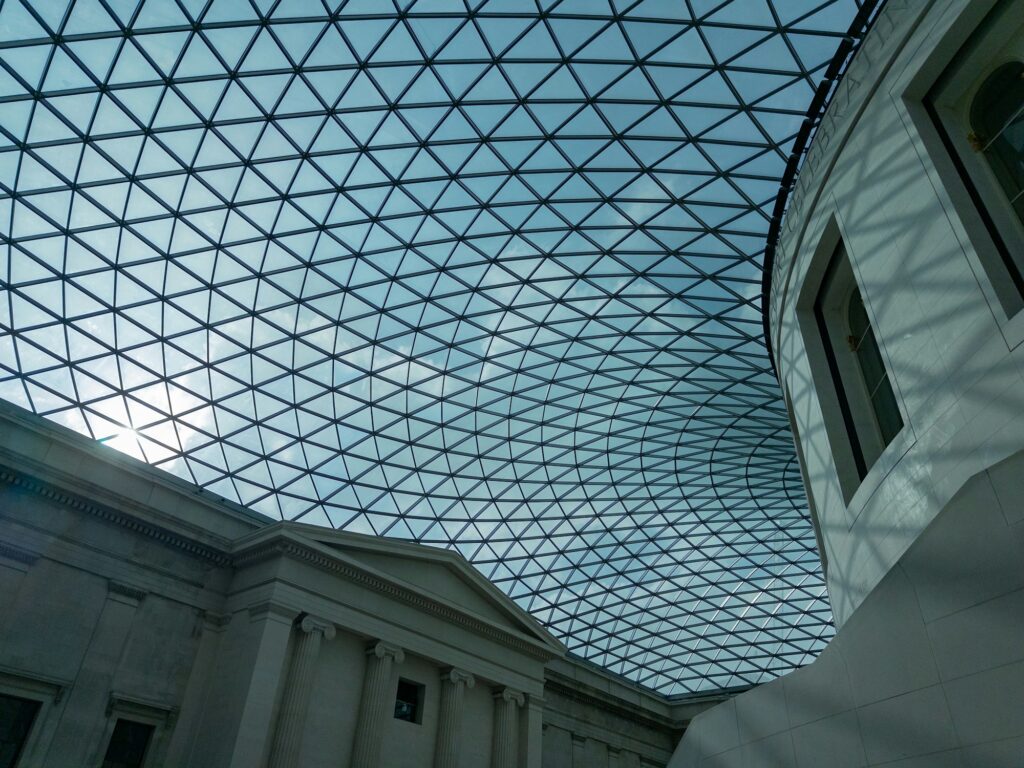
The British Museum is free and holds the Rosetta Stone, the Parthenon sculptures, Egyptian mummies and the Sutton Hoo treasure. You can turn up, but booking a free timed slot online helps at busy times such as weekends and school holidays. Do not try to see everything: pick three or four galleries and allow two to three hours. The nearest stations are Tottenham Court Road and Holborn.
4. Westminster Abbey
Westminster Abbey has hosted every coronation since 1066 and holds the tombs of monarchs, Poets’ Corner and the grave of the Unknown Warrior. Adult tickets cost £32 (about $42), including an audio guide. Sightseeing is usually not possible on Sundays, when the Abbey is open for worship only, and it can close at short notice for services. Attending a service such as Evensong is free, although you will not tour the building.
5. Big Ben, Parliament and a Westminster walk
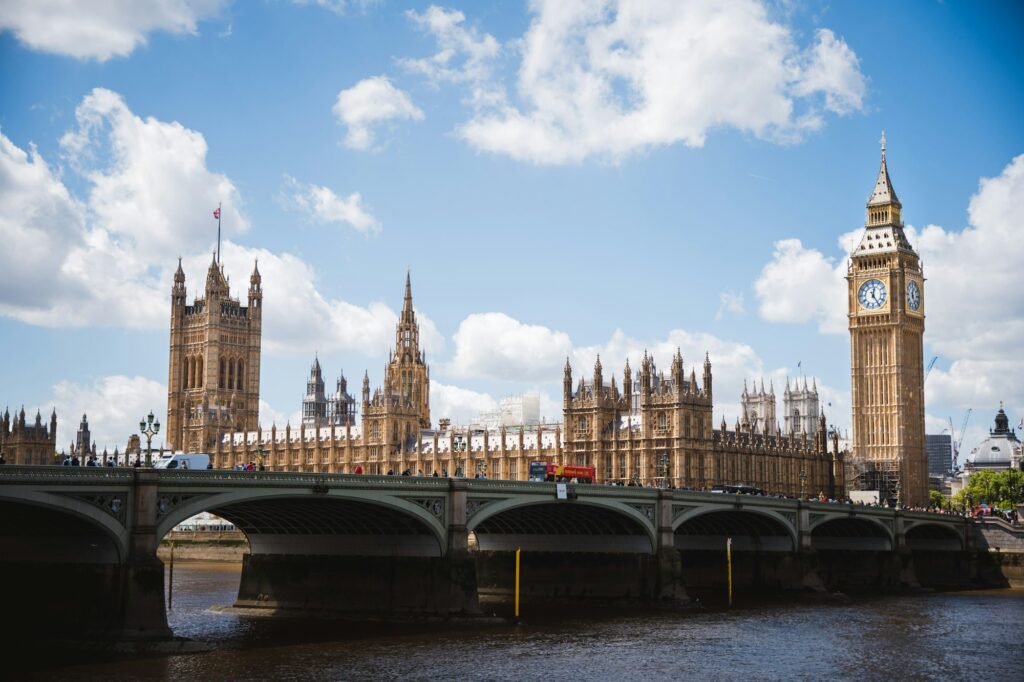
Big Ben is the bell inside the Elizabeth Tower at the Houses of Parliament, and the view from Westminster Bridge is free. Walk from Westminster Bridge across Parliament Square, past the Abbey and along Whitehall to Horse Guards Parade and Trafalgar Square, about 30 to 45 minutes with stops. Guided tours of Parliament run on many Saturdays and during parliamentary breaks; book ahead on the UK Parliament website.
6. Buckingham Palace and the Changing the Guard
The Changing the Guard is free and starts at 11:00 on the forecourt of Buckingham Palace, lasting about 45 minutes. In winter it usually takes place on Mondays, Wednesdays, Fridays and Sundays, and it runs more often in spring and summer. Check the official Household Division calendar on the morning you go, as it can be cancelled in bad weather.
Arrive by 10:15 for a spot at the railings, or watch the band march along The Mall for a less crowded view. The palace State Rooms open to visitors only in summer, usually from July to September. The nearest stations are Green Park, St James’s Park and Victoria.
7. National Gallery and Trafalgar Square
The National Gallery is free and has one of the world’s great collections of European paintings, from Van Gogh’s Sunflowers to works by Turner, Constable and Leonardo da Vinci. Allow two hours. Outside, Trafalgar Square is the city’s main meeting point, with Nelson’s Column and the lions. The National Portrait Gallery, also free, is just around the corner.
8. St Paul’s Cathedral
St Paul’s is Sir Christopher Wren’s masterpiece, completed in 1710 after the Great Fire of London. Adult tickets cost £27 (about $35) and include the cathedral floor, the crypt and the dome galleries. Climb 528 steps to the Golden Gallery for one of the best views over the City. Like the Abbey, St Paul’s is a working church, so check opening times before you go. The nearest station is St Paul’s (Central line).
9. South Bank, the London Eye and Tate Modern
The South Bank is a riverside walk from Westminster Bridge to Tower Bridge that links many of the best things to do in London. The London Eye gives a 30 minute ride above the river; standard tickets start from £26 (about $34) online and cost more at the ticket office and on busy dates. Further east, Tate Modern is free and has a viewing level on the tenth floor of its Blavatnik Building, then comes Shakespeare’s Globe, a reconstruction of the 1599 theatre with guided tours and summer performances.
10. Borough Market
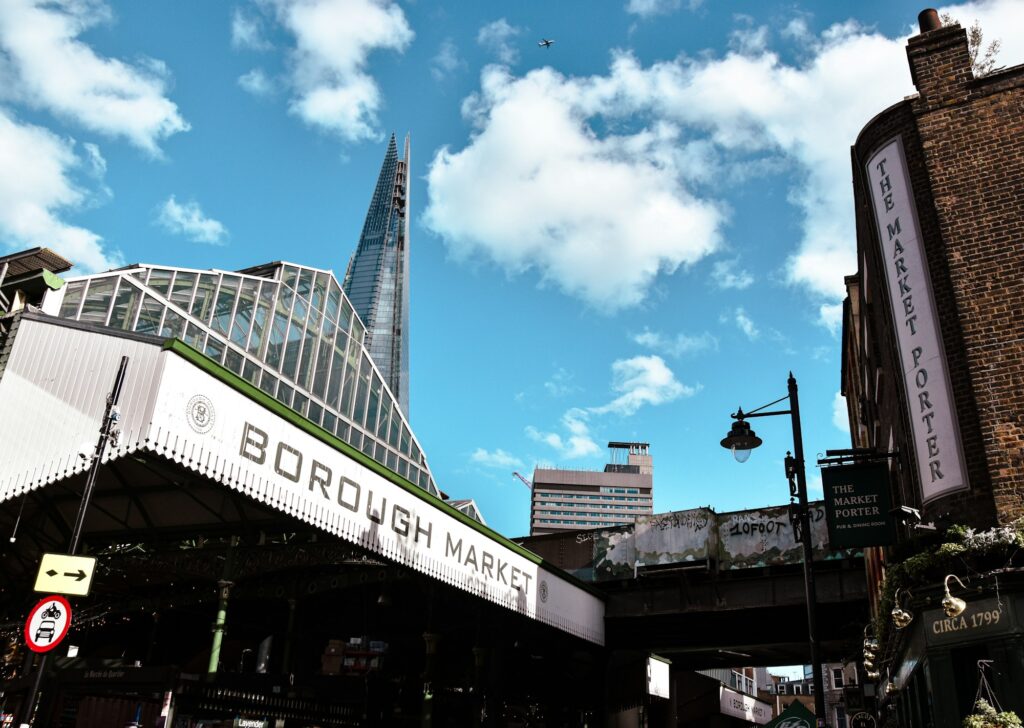
Borough Market, beside London Bridge station, is London’s best known food market, with stalls selling cheese, bread, oysters, curries and hot sandwiches. It is free to browse and busiest at weekend lunchtimes, so go before noon on a weekday if you can. Not every trader opens every day, especially on Mondays. Southwark Cathedral is next door and free to visit.
11. Natural History Museum, V&A and Science Museum
Three of London’s biggest museums sit side by side in South Kensington, and all three are free. The Natural History Museum has dinosaurs and the blue whale skeleton in Hintze Hall, the V&A is a world leader in art, fashion and design, and the Science Museum is excellent for children (its Wonderlab gallery has a charge). Pick one or two for a half day. The nearest station is South Kensington, linked to the museums by a pedestrian tunnel.
12. Sky Garden and The Shard
Sky Garden, at the top of 20 Fenchurch Street, is a free indoor garden with views across the Thames. Free tickets are released online each Monday for the week three weeks ahead and allow a one hour visit, so book on the official Sky Garden booking page as soon as your dates are released. The View from The Shard is higher and paid, with tickets from about £32 (about $42) depending on the date and time.
13. Churchill War Rooms
The Churchill War Rooms are the underground bunker where Winston Churchill and his government ran the Second World War, preserved as they were in 1945, plus a museum about his life. Adult tickets cost £34 (about $45) and £17 for children aged 5 to 15, with an audio guide included. It opens daily from 9:30 to 18:00 and is very popular, so book a timed slot. It is a short walk from Westminster station.
14. Hyde Park, Kensington Gardens and Kensington Palace
Hyde Park and Kensington Gardens together form one huge green space in the middle of London. Walk around the Serpentine lake, see the Diana Memorial Fountain and the Albert Memorial, and visit Kensington Palace (paid entry), the childhood home of Queen Victoria. From 19 November 2026 to 3 January 2027 (closed Christmas Day), Hyde Park hosts Winter Wonderland, a huge Christmas fair.
15. A West End show
London’s West End is one of the world’s great theatre districts. Ticket prices vary hugely: the cheapest seats for some shows start from about £25 (about $33), while top seats for big musicals cost well over £100. For discounts, try the official TKTS booth in Leicester Square for same day tickets, or look for day seats and lotteries on each show’s website. Matinees on Wednesdays, Thursdays and Saturdays are often cheaper.
16. Covent Garden and Soho
Covent Garden has a covered market hall, street performers and the London Transport Museum (paid), while Soho next door is packed with restaurants, bars and the lanes of Chinatown. It is a good area to walk between a museum and a show. Neal’s Yard, a tiny courtyard of colourful shopfronts, is a short walk north of the piazza.
17. Camden Market and Regent’s Canal
Camden Market is a sprawling mix of street food, vintage clothes and music shops beside Camden Lock, open daily. From there, walk west along the Regent’s Canal towpath past Regent’s Park and London Zoo to Little Venice, where narrowboats line the water. The walk is about four kilometres (2.5 miles) and takes about an hour.
18. Greenwich by river boat
Greenwich is home to the Royal Observatory and the Prime Meridian, the Cutty Sark clipper ship and the Old Royal Naval College with its Painted Hall. Greenwich Park is free and has one of the best views back to Canary Wharf and the City. Get there by river: the Uber Boat by Thames Clippers river bus runs from central piers such as Westminster, London Eye and Tower, and takes roughly 30 to 45 minutes depending on your starting pier.
19. Kew Gardens
The Royal Botanic Gardens at Kew is a UNESCO World Heritage Site with Victorian glasshouses, a treetop walkway and the Great Pagoda. Day tickets cost from about £20 (about $26) for adults, depending on the day. From 13 November 2026 to 3 January 2027, Christmas at Kew lights up the gardens after dark, with adult tickets from £29.50 (about $39) off peak and £37 (about $48) at peak times. Take the District line to Kew Gardens station.
20. Warner Bros. Studio Tour London: The Making of Harry Potter
The studio tour at Leavesden, near Watford, shows the real sets, props and costumes used in the films, including the Great Hall and Diagon Alley. Adult tickets cost from £56 to £58.50 (about $73 to $77) depending on the date, and must be booked in advance, as there are no ticket sales on site. Take a train from London Euston to Watford Junction (about 20 minutes), then the studio shuttle bus, and allow at least three and a half hours inside.
Free things to do in London
London is one of the best cities in the world for free sightseeing, because most national museums and galleries charge nothing for their permanent collections. These are the best free things to do in London:
- Museums: the British Museum, National Gallery, National Portrait Gallery, Tate Modern, Tate Britain, Natural History Museum, V&A, Science Museum and IWM London are all free.
- Ceremonies: the Changing the Guard at Buckingham Palace and the Horse Guards change on Whitehall.
- Views: Sky Garden (free with a booked ticket), Primrose Hill, Greenwich Park and the viewing level at Tate Modern.
- Walks: the South Bank from Westminster to Tower Bridge, the Regent’s Canal and a crossing of Tower Bridge.
- Parks: Hyde Park, St James’s Park (watch for the pelicans), Regent’s Park and Richmond Park with its wild deer.
- Markets: Borough Market, Camden Market, Portobello Road (busiest on Saturdays) and Columbia Road Flower Market on Sunday mornings.
- Music: free lunchtime concerts at St Martin in the Fields on some weekdays, and Evensong at Westminster Abbey and St Paul’s.
Hidden gems and quirky things to do in London
Once you have seen the big names, these smaller places show a different side of the city. Most are free or cheap.
- Sir John Soane’s Museum: the architect’s own house in Lincoln’s Inn Fields, packed with antiquities and paintings, and free to enter.
- St Dunstan in the East: a bombed church in the City turned into a garden, with ivy climbing the ruined walls.
- Leadenhall Market: a painted Victorian covered market in the City, used as a filming location.
- Postman’s Park: a tiny park near St Paul’s with a wall of tiles remembering ordinary people who died saving others.
- The Kyoto Garden in Holland Park: a Japanese garden with waterfalls, koi carp and peacocks.
- Little Venice: canal boats, waterside cafes and a puppet theatre barge.
- The Wellcome Collection: a free museum near Euston about medicine, the body and health.
- The Old Operating Theatre Museum: a Victorian operating theatre hidden in a church roof near London Bridge (small entry fee).
Things to do in London at night
London stays busy after dark. See a West End show, take an evening river cruise to see the lit bridges, or book a sunset slot at Sky Garden. Many museums hold late openings on Fridays, including the V&A and Tate Modern, and the Ceremony of the Keys at the Tower of London is a short nightly ceremony with paid tickets that must be booked months ahead. Finish with a pint in a historic pub in the City, or live jazz at Ronnie Scott’s in Soho.
Things to do in London this winter
If you are visiting between late November 2026 and early January 2027, these seasonal events are on:
- Winter Wonderland: Hyde Park, 19 November 2026 to 3 January 2027 (closed Christmas Day). Entry slots must be booked, and off peak slots are free to enter.
- Christmas at Kew: Kew Gardens, 13 November 2026 to 3 January 2027, an evening light trail.
- Christmas at the Tower: Tower of London, 27 November 2026 to 3 January 2027, included in your ticket.
- Christmas lights: Regent Street, Oxford Street, Carnaby Street and Covent Garden, free to see.
- Ice skating: rinks at Winter Wonderland and other venues around the city for the season.
- New Year’s Eve fireworks: the official fireworks by the Thames are ticketed, and tickets usually sell out well in advance.
Our guide to Christmas markets in Europe has more festive ideas if you are combining London with a trip to the continent.
What to skip or rethink
- Madame Tussauds: expensive and crowded; most visitors get more from the free museums.
- Oxford Street on a December weekend: it is extremely busy, so see the lights on a weekday evening instead.
- Driving in central London: traffic is slow, parking is expensive, and daily charges apply in the centre.
- Trying to see everything in one day: Westminster, the City and South Kensington are each worth at least half a day.
- Changing money at airport kiosks: rates are poor, and cards are accepted almost everywhere.
How much things to do in London cost
London is expensive, but you can control the cost by mixing free museums with two or three paid highlights per day. These are adult prices checked in November 2026.
| Item | Price | Approx. US dollars |
|---|---|---|
| Tower of London | £38 | $50 |
| Westminster Abbey | £32 | $42 |
| St Paul’s Cathedral | £27 | $35 |
| London Eye (standard, online) | From £26 | From $34 |
| Churchill War Rooms | £34 | $45 |
| Tower Bridge Exhibition | £18 | $24 |
| The View from The Shard | From about £32 | From about $42 |
| Harry Potter studio tour | £56 to £58.50 | $73 to $77 |
| Tube daily cap, Zones 1 and 2 | £8.90 | $12 |
| Bus fare | £1.85 | $2.40 |
Is £1,000 enough for a week in London?
£1,000 (about $1,310) per person is enough for a week in London if you stay in a hostel or share a budget hotel room, eat cheaply at lunch and use the free museums. It is tight if you want a central hotel on your own, because rooms alone can use most of that budget.
As a rough guide in November 2026, a dorm bed or a basic room outside the centre costs from about £40 to £120 a night, and mid range central hotels often cost £150 to £250 or more. Add about £30 to £60 a day for food, the £8.90 daily travel cap (or £44.70 for a full Monday to Sunday week) and £30 to £40 for each paid attraction. Prices rise in summer and in the weeks before Christmas.
Getting around London
The Tube (London Underground) is the quickest way to cross the city. You do not need a ticket: tap a contactless bank card or phone on the yellow reader at the gate when you enter and leave, and the system charges the right fare. A single journey in Zone 1 costs £3.10 at peak times and £3.00 off peak, and daily capping means you never pay more than £8.90 a day in Zones 1 and 2. Use the same card or phone for every journey to get the cap.
Buses cost £1.85 a ride from November 2026, with a daily bus cap of £5.55, and you can change buses free within an hour. Walking is often faster than the Tube for short hops in the centre, and riverboats are a scenic way to reach Greenwich. Check fares and live updates on the Transport for London website.
Practical tips for UK and US visitors
Entry rules
UK and Irish citizens need no documents beyond normal ID to travel within the UK. US citizens do not need a visa for a visit of up to six months, but must get an Electronic Travel Authorisation (ETA) before travelling. The fee is £20 (about $26) since April 2026, and an ETA is valid for two years or until your passport expires. Apply only on the official GOV.UK ETA page or the UK ETA app, as other sites charge more. Read our UK ETA guide for the full rules.
Flights and airports
Non stop flights from New York to London take about seven hours, and from Los Angeles about ten and a half hours, with direct routes from many other US cities. From elsewhere in the UK, the train is often easier than flying: Manchester to London Euston takes about two hours, and Edinburgh to London King’s Cross about four and a half hours.
From Heathrow, the Elizabeth line reaches central London in about 30 to 40 minutes, the Piccadilly line is the cheapest Tube option, and the Heathrow Express reaches Paddington in about 15 minutes. From Gatwick, the Gatwick Express runs to Victoria in about 30 minutes. From Stansted, the Stansted Express reaches Liverpool Street in under an hour.
Money, tipping and plugs
- Currency: the pound sterling. Cards and phone payments are accepted almost everywhere, and some places are card only.
- Tipping: many London restaurants add a 12.5% service charge to the bill. If not, 10 to 12.5% is normal for table service. You do not tip at the bar in pubs, and rounding up a taxi fare is enough. Our tipping guide calculator compares UK and US habits.
- Plugs: Type G, three square pins, at 230 volts. US visitors need an adapter, and only dual voltage devices (most phone and laptop chargers) work without a converter. Check with our plug adapter checker.
- Phone data: if your US plan charges heavily for roaming, a UK eSIM is usually much cheaper.
Time, weather and driving
- Time difference: London is five hours ahead of New York and eight hours ahead of Los Angeles for most of the year. Use our time zone converter for exact dates around the clock changes.
- Weather: winters are mild but grey and damp, at around 8 to 10°C (46 to 50°F) by day, and summers are usually 20 to 25°C (68 to 77°F). Rain is possible at any time, so pack a light waterproof.
- Driving: the UK drives on the left. A US licence is valid for visitors for up to 12 months, but driving in central London is not recommended because of traffic and daily charges.
Our picks
- First visit: the Tower of London, a Westminster walk, the British Museum and the South Bank.
- Families: the Natural History Museum, the Science Museum, the Tower of London and a river boat to Greenwich.
- On a budget: free museums, the Changing the Guard, Sky Garden and the markets.
- History lovers: Westminster Abbey, the Churchill War Rooms, St Paul’s and Hampton Court Palace.
- Winter visit: Winter Wonderland, Christmas at Kew and the Christmas lights on a weekday evening.
Frequently asked questions
What are some of the best free things to do in London?
The best free things to do in London are the British Museum, National Gallery, Natural History Museum, V&A and Tate Modern, the Changing the Guard at Buckingham Palace, a booked visit to Sky Garden, a walk along the South Bank and across Tower Bridge, and the city’s royal parks and markets.
Is 1000 pounds enough for a week in London?
Yes, if you stay in a hostel or share a budget room, eat cheaply and use the free museums. A central hotel room on your own can use most of £1,000 for the week, so budget more if you want comfort or plan several paid attractions each day.
What is happening in London right now?
From late November 2026 to early January 2027, London has Winter Wonderland in Hyde Park, Christmas at Kew, Christmas at the Tower of London, festive lights on Regent Street and Oxford Street, ice rinks and the ticketed New Year’s Eve fireworks. Check Visit London’s events listings for theatre and exhibitions on your dates.
What are some hidden gems in London?
Sir John Soane’s Museum, the garden in the ruins of St Dunstan in the East, Leadenhall Market, Postman’s Park, the Kyoto Garden in Holland Park and Little Venice are lovely, quieter places that many visitors miss.
What are some quirky things to do in London?
Try the Ceremony of the Keys at the Tower of London, a puppet show on a canal barge in Little Venice, the Old Operating Theatre Museum near London Bridge, the Columbia Road Flower Market on a Sunday, or the glass floor at Tower Bridge when the bridge lifts.
What is London’s best kept secret?
For many visitors it is Sir John Soane’s Museum, a free house museum crammed with treasures, or the ruined church garden of St Dunstan in the East, a peaceful green space hidden among the City’s office blocks.
What cannot you miss in London?
Do not miss the Tower of London, Westminster Abbey and Big Ben, the British Museum, the view from Tower Bridge and the South Bank, and at least one free national museum. If you have time, add a West End show and a trip to Greenwich.
How many days do you need in London?
Three full days covers the main sights of Westminster, the City and the South Bank. Five days lets you add South Kensington’s museums, Greenwich, Kew or a market morning, and a week leaves time for a day trip to Windsor, Oxford or Bath.
Do Americans need an ETA to visit London?
Yes. US citizens need an Electronic Travel Authorisation before travelling to the UK. It costs £20, is valid for two years and is applied for on GOV.UK or the official UK ETA app.
Plan the rest of your trip
London is easy to combine with other cities by train or a short flight. If you are heading north, read our guide to the best things to do in Edinburgh, about four and a half hours by train. For a trip across the Irish Sea, see the things to do in Dublin, and for a quick hop to the continent, Eurostar reaches Amsterdam directly; see our things to do in Amsterdam guide. Browse every guide for the city on our London travel guides page.