
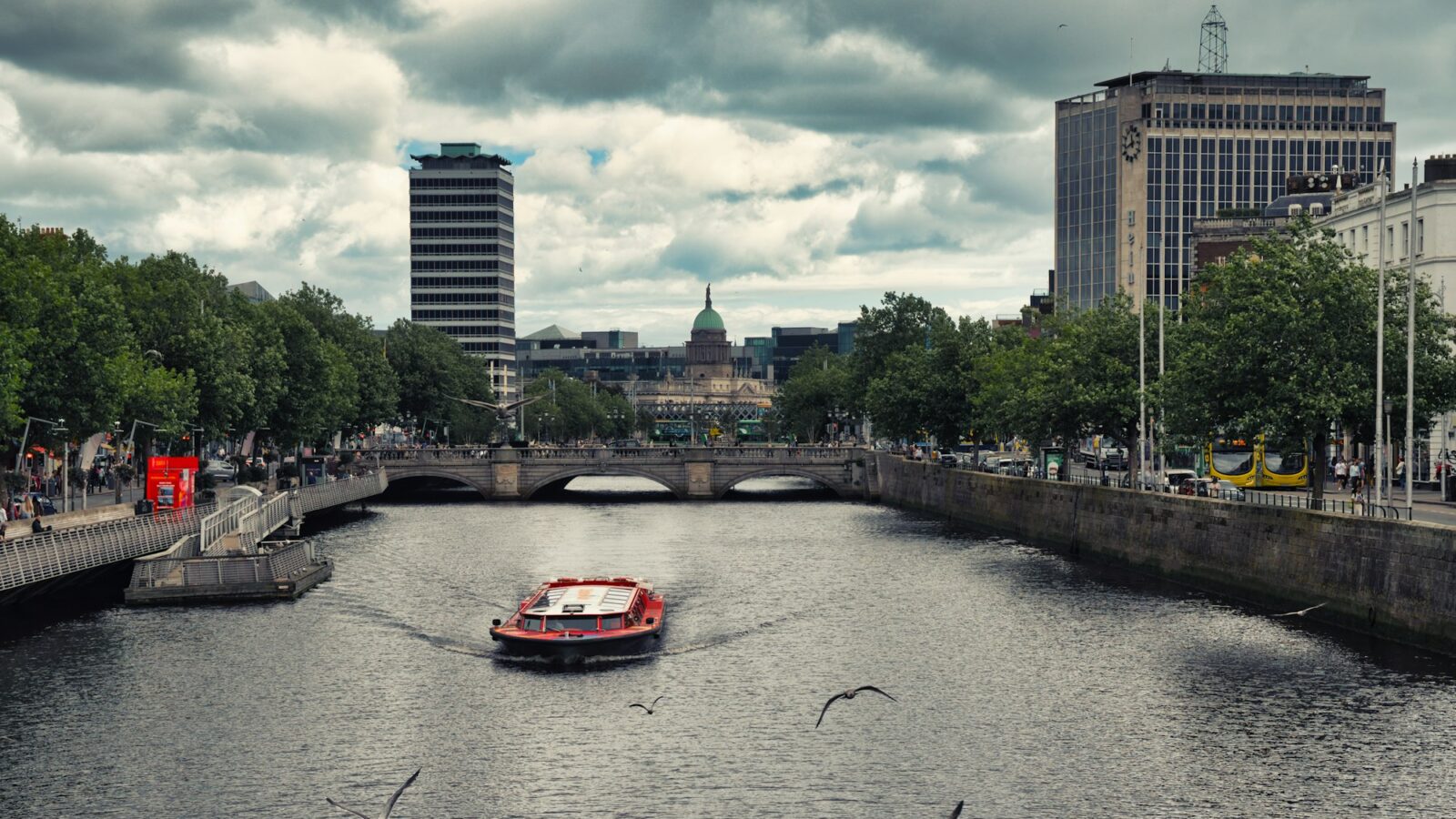
Things to do in Dublin range from a pint at the top of the Guinness Storehouse and the Book of Kells to free national museums, cliff walks on Howth Head and a day in the Wicklow Mountains. This guide picks the 18 best, with prices checked in November 2026, how to get to each one on public transport and what is closed this winter.
Some links in this guide are affiliate links: if you book through them we may earn a commission at no extra cost to you. It never changes what we recommend. How we make money.
Euro prices come first, with rough pound and dollar figures (at about €1 = £0.84 = $1.09) so UK and US readers can budget quickly. You will also find a full block for UK and US visitors: ID rules under the Common Travel Area, US passport rules and preclearance at Dublin Airport, flights, the Leap card and airport transfers.
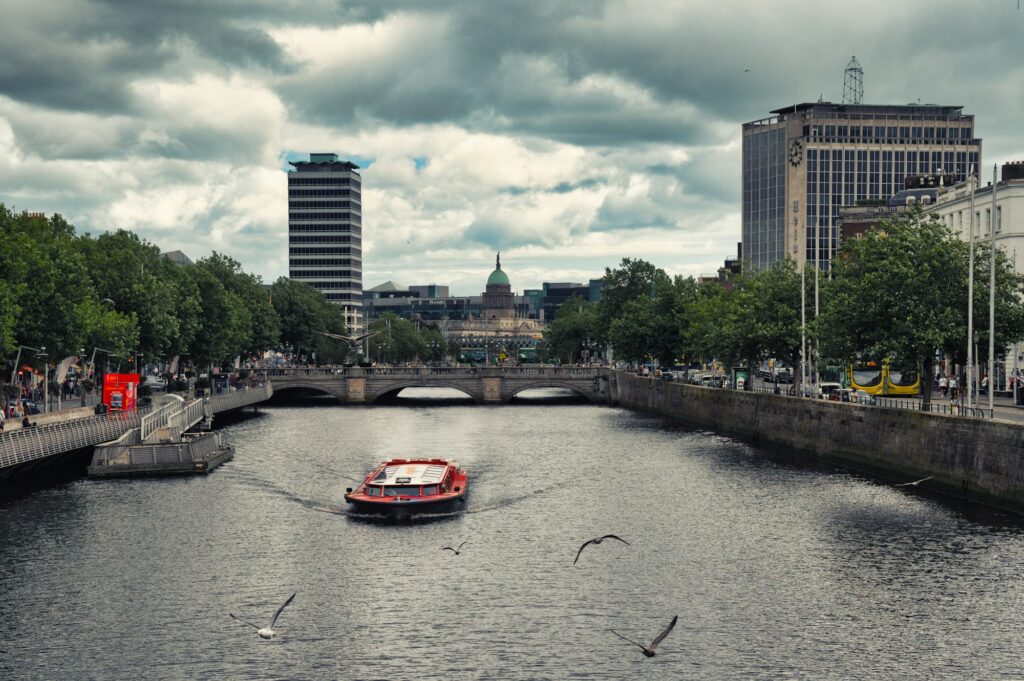
Things to do in Dublin at a glance
| Activity | Area | Time needed | Cost from (Nov 2026) |
|---|---|---|---|
| Guinness Storehouse | St James’s Gate, Dublin 8 | 2 hours | €26 online (about £22 / $28) |
| Book of Kells Experience | Trinity College | 90 minutes | €21.50 (about £18 / $23) |
| Kilmainham Gaol | Kilmainham, Dublin 8 | 90 minutes | €8 (about £7 / $9), book online |
| EPIC The Irish Emigration Museum | Docklands | 2 hours | €22 (about £18 / $24) |
| Jameson Distillery Bow St | Smithfield | 45 minutes | €26 (about £22 / $28) |
| Christ Church Cathedral | Old city | 1 hour | €12 (about £10 / $13) |
| St Patrick’s Cathedral | Old city | 1 hour | €11.50 (about £10 / $13) |
| National Museum and National Gallery | Kildare Street and Merrion Square | 2 hours each | Free |
| Phoenix Park | Dublin 8 | Half a day | Free |
| Howth cliff walk | Howth, north coast | Half a day | Free (DART fare only) |
| Glendalough | County Wicklow | Full day | Bus €23 return (about £19 / $25) |
How to choose what to do in Dublin
If you only pick three things to do in Dublin, make them Trinity College and the Book of Kells, Kilmainham Gaol and an afternoon on the Howth cliff path. Add the Guinness Storehouse or a distillery, one free national museum and a pub with live traditional music. Most central sights sit within a 25 minute walk of Trinity.
Two full days cover the headline sights in the city centre, and three or four days let you add Howth, Dún Laoghaire or Glendalough. Book timed tickets first, because Kilmainham Gaol and the Book of Kells sell out, then fill the gaps with free museums, parks and walks. If you are travelling this winter, read the closures section below before you plan your days.
On a budget, start with the free things listed further down: the national museums, the National Gallery, Phoenix Park, the parks and the coast are all free, and the TFI 90 minute fare means most bus, tram and train rides cost €2 (about £1.70 / $2.20).
1. Guinness Storehouse
The Guinness Storehouse is Dublin’s most visited paid attraction, a seven floor exhibition in a former fermentation building at St James’s Gate, where Guinness has been brewed since 1759. The self guided tour covers ingredients, brewing and advertising, and it ends in the Gravity Bar, with a pint (or a soft drink) and views across the city.
Hours and price: open daily from 9:30am. Last entry is 5pm Monday to Thursday and Sunday, and 6pm on Friday and Saturday. Adult tickets start at €26 (about £22 / $28) online and cost €2 more at the door, where only cards are accepted. Children aged 5 to 17 pay €10 (about £8 / $11), under 4s go free and a family ticket for two adults and two children starts at €62 (about £52 / $68), all checked on the official Storehouse FAQ in November 2026.
- Getting there: walk about 25 minutes west from Temple Bar along the quays, or take the Luas Red Line to James’s and walk 10 minutes.
- With a tour: many city tours and hop on, hop off buses stop outside; you still need a timed ticket.
- Time needed: at least 90 minutes, plus about 30 minutes for the optional pouring class (STOUTie and the Guinness Academy are for over 18s only).
- Tip: under 18s are welcome with an adult and get a soft drink in the Gravity Bar. Book the earliest slot to see the views before the crowds.
2. Trinity College and the Book of Kells Experience
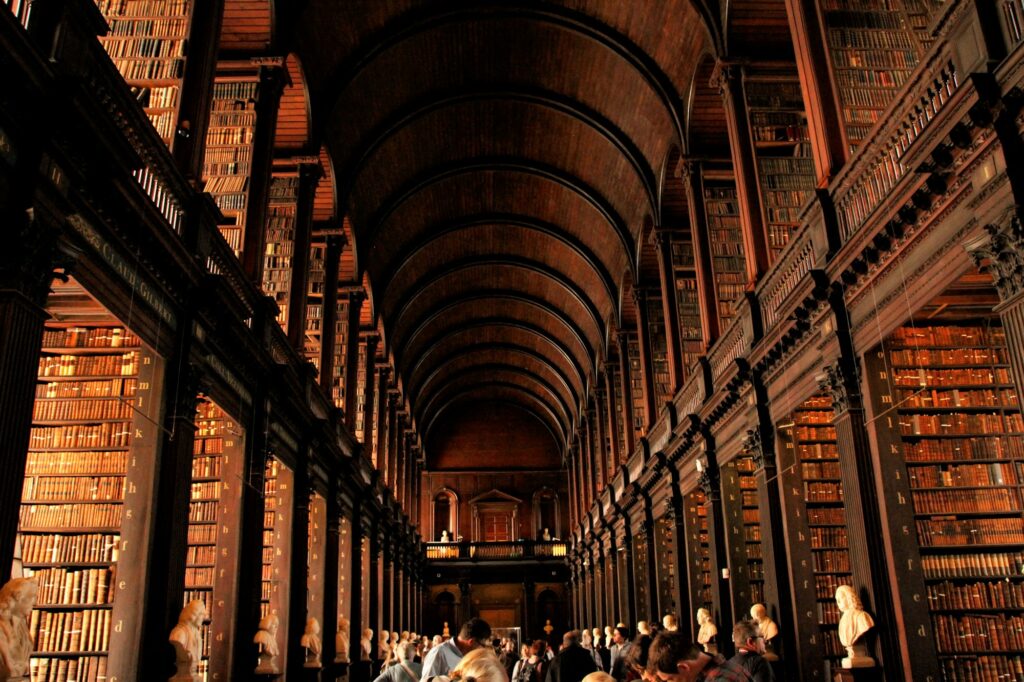
The Book of Kells is a richly decorated manuscript of the four Gospels, made around the year 800 and kept at Trinity College since the 1660s. The visit also takes in the Long Room of the Old Library, one of the most photographed rooms in Ireland, plus a large digital exhibition about the book.
There is one big change to know about. Trinity is restoring the Old Library, and its website states that the majority of books have been removed from the Long Room. You still walk through the room and see the Book of Kells, but the famous shelves are now largely empty. Reporting in 2026 says the Book is due to move to the restored Printing House on the campus in late 2027, and the Old Library works are expected to finish by 2030.
Hours and price: the Book of Kells Experience opens 9am to 6pm Monday to Friday, 9am to 6:30pm on Saturday and 9:30am to 6pm on Sunday. The full self guided visit (90 minutes, including the digital gallery) starts at €21.50 (about £18 / $23). A shorter 45 minute ticket for the Book and Old Library only starts at €19 (about £16 / $21), and a small group guided tour starts at €65 (about £55 / $71).
- Getting there: Trinity sits in the heart of the city, a five minute walk from Temple Bar and Grafton Street. The nearest Luas stop is Trinity on the Green Line.
- Without a ticket: you can usually walk through Front Square and around the campus for free.
- Tip: early morning slots sell out first in summer and at Christmas. Book a few days ahead.
3. Kilmainham Gaol
Kilmainham Gaol is the former prison where leaders of the 1916 Easter Rising were held and executed, and it is the best single place to understand modern Irish history. Every visit is a one hour guided tour of the cells, the chapel, the Victorian wing and the stonebreakers’ yard, followed by time in the museum.
Hours and price: open all year except 24 to 27 December, with the museum open 10:30am to 5:15pm. Adults pay €8 (about £7 / $9), seniors €6, students €4 and families €20 (about £17 / $22). Children under 12 go free but still need a free ticket. Tickets must be booked online through the Kilmainham Gaol Museum visitor page or Heritage Ireland; there are no walk up sales.
- Getting there: the gaol is about 3.5 km west of the centre. Take Dublin Bus 60 from Wellington Quay or Heuston Station, buses G1 or G2, or the Luas Red Line to Suir Road.
- Time needed: allow about 90 minutes in total and arrive 15 minutes before your tour.
- Tip: tickets often sell out weeks ahead in busy periods, so book as soon as your dates are fixed. Pair it with the Guinness Storehouse, which is 20 minutes’ walk away.
4. EPIC The Irish Emigration Museum
EPIC tells the story of the millions of people who left Ireland and what they did around the world, from politics and science to music and sport. It is interactive and well designed, which makes it one of the best things to do in Dublin with kids and teenagers, and a strong choice for Americans tracing Irish roots.
Hours and price: open daily from 10am, last entry 5pm. Adult tickets cost €22 (about £18 / $24), children €11 and seniors €19. A family ticket for two adults and two children is €57 (about £48 / $62). Book 30 days ahead for 20% off, or choose the Super Saver 5pm entry at €18 for adults.
- Getting there: EPIC is in the CHQ building on Custom House Quay, a 10 minute walk east of O’Connell Bridge along the river. The Luas Red Line stops at George’s Dock next door.
- Time needed: about two hours.
5. Jameson Distillery Bow St
The original Jameson distillery in Smithfield now runs tours and tastings rather than producing whiskey at scale. The flagship Bow St tour lasts 45 minutes, tells the story of the distillery and the family behind it, and finishes with a whiskey tasting, which suits curious beginners.
Hours and price: tours run seven days a week. The flagship tour starts at €26 (about £22 / $28) and an alcohol free version costs €15 (about £13 / $16). Children under 12 go free and those aged 12 and over pay €12.
- Getting there: Bow Street, Dublin 7, a 15 minute walk from Temple Bar across the river, or the Luas Red Line to Smithfield.
- Tip: Smithfield is also home to The Cobblestone, a pub known for traditional music sessions, so this pairs well with an evening out.
6. Christ Church Cathedral and Dublinia
Christ Church is the older of Dublin’s two medieval cathedrals, and its large crypt is described by the cathedral as the city’s oldest building still in use. Look for the medieval tiled floors and the Strongbow monument, then ask at the welcome desk about the belfry tour, where you can ring the bells.
Hours and price: open 9:30am to 5pm Monday to Saturday and 12:30pm to 3pm on Sunday, with last admission 45 minutes before closing. Self guided entry with an audio guide costs €12 (about £10 / $13), or €25 (about £21 / $27) combined with Dublinia, the Viking and medieval museum linked to the cathedral by a covered bridge. Families pay €28, or €66 for the combined ticket.
- Getting there: a 10 minute walk west of Temple Bar, at the top of the old city.
- Time needed: one hour for the cathedral, two and a half hours with Dublinia.
7. St Patrick’s Cathedral and Marsh’s Library
St Patrick’s is the national cathedral of the Church of Ireland and the largest church in the country. Jonathan Swift, author of Gulliver’s Travels, was dean here and is buried inside. Next door, Marsh’s Library is a beautifully preserved 18th century reading room with its original oak shelves, a good alternative while Trinity’s Long Room is being emptied.
Hours and price: open from 9:30am Monday to Friday and 9am at weekends, with shorter Sunday windows around services. Adults pay €11.50 (about £10 / $13), students and over 60s €10, and a family ticket costs €31. A joint ticket with Marsh’s Library is €17 (about £14 / $19). Free guided tours run Monday to Saturday at 10:30am and 2:30pm.
- Getting there: a five minute walk south of Christ Church. In winter, St Patrick’s Park beside the cathedral hosts part of the free TwinkleTown light trail.
8. National Museum of Ireland: Archaeology (free)
The Archaeology museum on Kildare Street holds Ireland’s finest prehistoric gold, early Christian treasures such as the Ardagh Chalice and Tara Brooch, and the Kingship and Sacrifice gallery of preserved bog bodies. It is free, central and the perfect rainy day stop.
Hours: Tuesday to Saturday 10am to 5pm, Sunday and Monday 1pm to 5pm, with last entry around 4:30pm and late openings on the last Thursday of most months. All four National Museum of Ireland sites are free, including Decorative Arts and History at Collins Barracks and Natural History on Merrion Street.
- Getting there: Kildare Street, a five minute walk from Trinity and St Stephen’s Green.
9. National Gallery of Ireland (free)
The National Gallery on Merrion Square is open seven days a week and its permanent collection is free. It covers European art from the Middle Ages to the 20th century, with a strong Irish collection including Jack B. Yeats, and Caravaggio’s The Taking of Christ, on long term loan.
- Getting there: Merrion Square West, a 10 minute walk east of Grafton Street.
- Tip: walk on around Merrion Square and Fitzwilliam Street to see the Georgian terraces and painted doors that appear on so many Dublin postcards.
10. Phoenix Park
Phoenix Park covers more than 700 hectares and is described by Heritage Ireland as the largest enclosed public park in any capital city in Europe. It opened to the public in 1747, has a herd of wild fallow deer and contains Áras an Uachtaráin, the home of the President of Ireland. It is free and open around the clock.
- Getting there: the main gate is a 25 minute walk west of Temple Bar along the quays, or take the Luas Red Line to Heuston and walk five minutes. Inside, rent a bike near the main gate to cover more ground.
- Time needed: allow three to four hours, longer if you add the zoo.
- Tip: the deer usually graze in the open fields near the Papal Cross. Watch them from a distance and do not feed them.
11. Dublin Zoo
Dublin Zoo sits inside Phoenix Park and is one of the top things to do in Dublin with kids, with an African savanna, gorillas and elephants. Online day tickets cost €22.50 for adults (about £19 / $25) and €17 for children aged 3 to 15, against €26.50 and €20 at the gate. Under 3s go free and a family ticket for two adults and two children costs €62.50 online.
In winter the zoo runs Wild Lights, an evening lantern trail, from 12 November 2026 to 5 January 2027. Book a timed slot online.
12. St Stephen’s Green, Grafton Street and the Iveagh Gardens
St Stephen’s Green is the city’s best loved Victorian park, with a lake, bridges and memorials, at the top of Grafton Street, Dublin’s main shopping street with buskers on most days. Walk five minutes south to the Iveagh Gardens, a quieter walled garden with a cascade and a small maze that many visitors miss. All three are free.
At Christmas, Grafton Street and nearby Henry Street are lit up, and the walk from the Green down Grafton Street to Trinity is one of the most enjoyable free things to do in Dublin on a winter evening.
13. Temple Bar, the Ha’penny Bridge and a music session
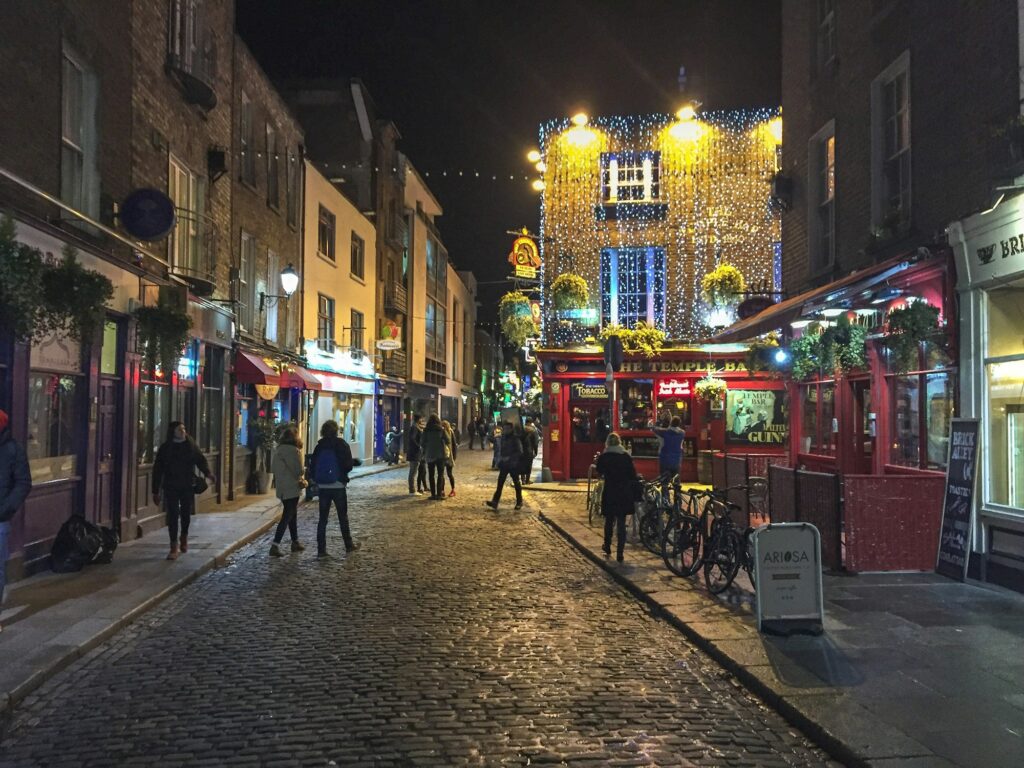
Temple Bar is the cobbled riverside quarter between Dame Street and the Liffey, full of pubs with live music, restaurants and street art. It is lively and fun, but drinks in its busiest pubs cost more than elsewhere in the city. Cross the cast iron Ha’penny Bridge from 1816 for the classic view of the river.
For a more local evening, look for pubs known for traditional music sessions in Smithfield, around Camden Street or near Christ Church, or book a literary pub crawl, which mixes pubs with stories about Joyce, Beckett and Wilde. The Brazen Head on Bridge Street, which claims to date back to 1198, is the most famous old pub in the city.
14. National Botanic Gardens and Glasnevin Cemetery
The National Botanic Gardens in Glasnevin, 3 km north of the centre, are free and have restored Victorian glasshouses that make them a warm option in winter. Next door, Glasnevin Cemetery is the resting place of Daniel O’Connell, Michael Collins and many other figures from Irish history. The grounds are free to walk, while the museum and guided tours are paid.
- Getting there: Dublin Bus routes from the city centre stop near both entrances; allow 25 minutes.
15. Howth cliff walk
Howth is a fishing village on a headland north of the city, and its Cliff Path Loop is the best short coastal walk near Dublin. The waymarked loop is 7.8 km (about 4.8 miles), takes about two hours and climbs about 130 metres, with sea views, a lighthouse and seals often seen in the harbour.
- Getting there: take the DART north from Connolly, Tara Street or Pearse to Howth, the last stop, in about 30 minutes. The loop starts and ends at Howth station, following green arrows.
- Cost: free; the train ride costs €2 (about £1.70 / $2.20) on a Leap card within the TFI 90 minute fare.
- Tip: the path is rough in places and exposed in wind, so wear proper shoes and skip it in storms. Finish with fish and chips on the harbour.
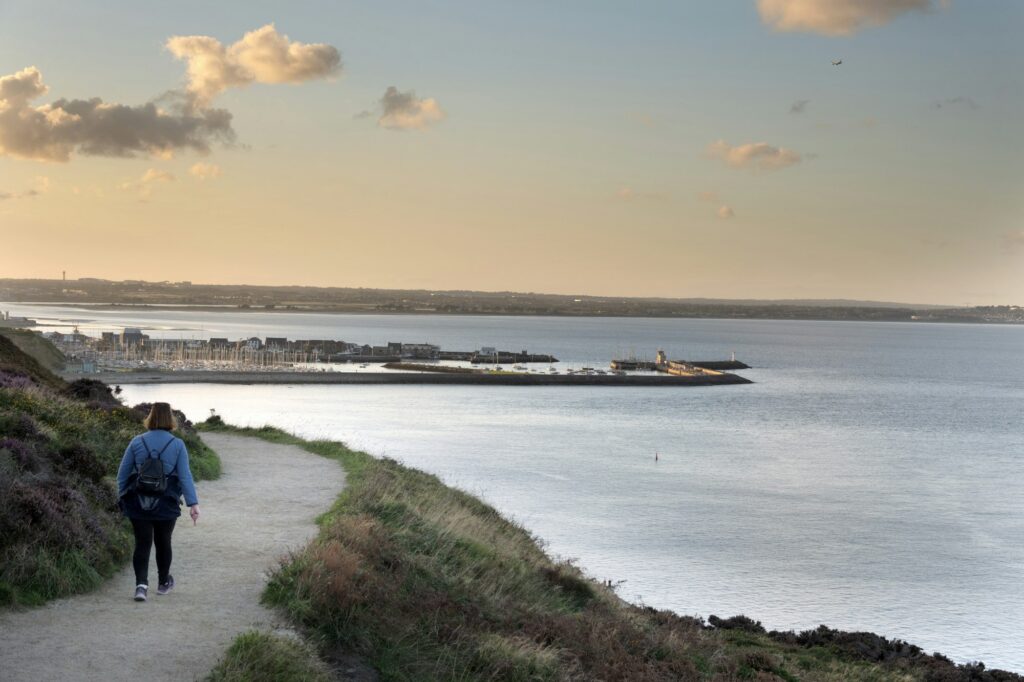
16. Dún Laoghaire, Sandycove and the Forty Foot
Dún Laoghaire is a Victorian harbour town south of Dublin with two long granite piers. Walking the East Pier is a local weekend ritual, and the seafront path continues to Sandycove and the Forty Foot, a rocky bathing spot where swimmers go in all year, even at Christmas.
- Getting there: DART south from the city centre to Dún Laoghaire in about 25 minutes; Sandycove and Glasthule station is one stop further.
- Cost: free.
- Tip: combine it with Dalkey and Killiney Hill further down the DART line for a full day of coastal walks and views over Killiney Bay.
17. Glendalough day trip
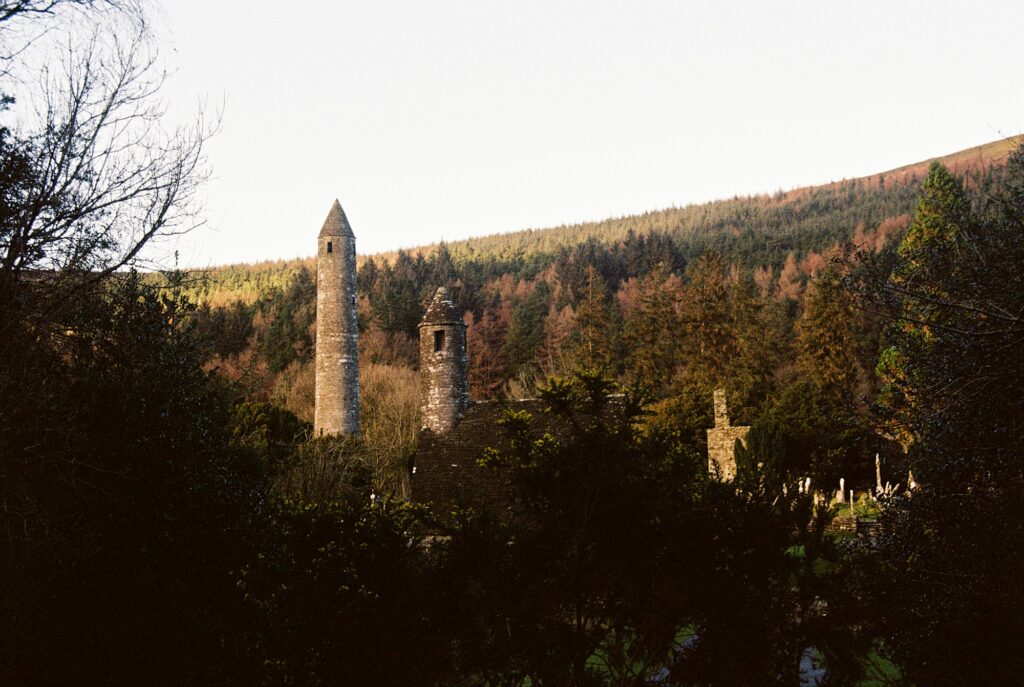
Glendalough is the best of the day trips from Dublin: a sixth century monastery founded by St Kevin, with a round tower, stone churches and crosses, set between two lakes in the Wicklow Mountains, about 50 km south of the city. The monastic site and lakeside trails are free to walk; the visitor centre exhibition costs €5 (about £4 / $5.50).
- Without a tour: St Kevin’s Bus leaves from St Stephen’s Green North at 11am every day and costs €14 single or €23 return (about £19 / $25). Check the return time with the driver when you board.
- With a tour: coach day tours from Dublin often combine Glendalough with the Wicklow Mountains and Lough Tay, known as the Guinness Lake, which is hard to reach without a car.
- Winter hours: the visitor centre is open 9:30am to 5pm from mid October to mid March (last admission 4:15pm) and closed 23 to 29 December.
18. Christmas in Dublin 2026
From late November, Dublin’s Christmas season makes it one of the best winter city breaks near the UK. These are the main events listed on the city’s official Christmas page for 2026:
- TwinkleTown: a free light trail with a covered ice rink in Smithfield Square and St Patrick’s Park, 20 November to 31 December.
- Everwinter at the RDS: a Christmas market, circus, fairground and covered ice rink, 25 November to 23 December, with the rink reopening 26 December to 3 January.
- Wonderlights at Malahide Castle: an evening light trail north of the city, 12 November to 29 December.
- Wild Lights at Dublin Zoo: 12 November 2026 to 5 January 2027.
- Craft markets: Gifted at the RDS runs 2 to 6 December, and the National Botanic Gardens hosts a craft market on 12 and 13 December.
If you want more markets, compare Dublin with our guide to the best Christmas markets in Europe. Note that Dublin Bus, Luas and DART services usually do not run on Christmas Day, so plan to walk or book a taxi.
Closed this winter: Dublin Castle and the Chester Beatty
Two famous sights are shut until January. Dublin Castle states that the castle campus is closed to the public until Monday 4 January 2027 while Ireland hosts the Presidency of the Council of the European Union. The Chester Beatty museum inside the castle grounds is also closed until the end of December 2026. Normally it is free; when the castle reopens, self guided tickets cost €8 for adults.
Things to do in Dublin at night
The best things to do in Dublin at night are a traditional music session in a pub, a literary pub crawl, a late visit to the Guinness Storehouse (last entry 6pm on Fridays and Saturdays) and, in winter, the TwinkleTown and Wild Lights trails. Theatre fans can check what is on at the Abbey and the Gaiety.
Late museum openings help too: the National Museum on Kildare Street stays open into the evening on the last Thursday of most months, and EPIC’s Super Saver tickets cover 5pm entry.
Free things to do in Dublin
Dublin has more free sights than most capitals. These are the best free things to do in Dublin:
- National Museum of Ireland: Archaeology, Natural History, and Decorative Arts and History are all free.
- National Gallery of Ireland: free entry to the permanent collection, seven days a week.
- Parks: Phoenix Park, St Stephen’s Green, the Iveagh Gardens and Merrion Square.
- National Botanic Gardens: free, with heated glasshouses.
- Coast walks: Howth Head, Dún Laoghaire pier and the Forty Foot cost only a DART fare.
- Trinity College grounds: walk through Front Square without a ticket.
- TwinkleTown: free light trail from 20 November to 31 December 2026.
- St Patrick’s Cathedral tours: the guided tours at 10:30am and 2:30pm are free with your entry ticket.
Things to do in Dublin in winter
From November to February, Dublin is mild but often wet and windy, and in December it gets dark a little after 4pm. Plan indoor sights for the afternoons: the free national museums, EPIC, the Guinness Storehouse and Kilmainham Gaol. Save Howth and Glendalough for the brightest morning in your forecast and start early.
The best things to do in Dublin in winter are the Christmas light trails, ice skating at TwinkleTown or the RDS, a warm pub with a music session and the Forty Foot swim if you are brave. Remember the Dublin Castle closure and the 24 to 27 December closures at many attractions, including Kilmainham Gaol.
Things to do in Dublin with kids
The best things to do in Dublin with kids are Dublin Zoo, Phoenix Park, EPIC, the Natural History museum, Dublinia (the Viking museum linked to Christ Church) and the beach and pier at Dún Laoghaire. Children under 9 travel free on public transport, which keeps costs down.
Kilmainham Gaol is free for under 12s but the subject matter is serious, so it suits older children and teenagers best. At the Guinness Storehouse, children’s tickets cost €10 and include a soft drink, but the pouring classes are for adults only.
Day trips from Dublin
The best day trips from Dublin are Howth and Dún Laoghaire by DART (half a day each, free apart from the fare), Glendalough by bus or tour (a full day) and Malahide Castle. Further afield, organised coach tours run to Belfast and the Giant’s Causeway in Northern Ireland, and to Newgrange in the Boyne Valley.
If you cross into Northern Ireland, you are entering the UK. US visitors need a UK Electronic Travel Authorisation even for a day trip by road; see our UK ETA guide. British and Irish citizens do not need one.
What to skip or leave for another trip
- The Cliffs of Moher in one day: they are on the west coast and a coach day trip usually runs about 12 hours. Fly into Shannon on another trip instead.
- Paying Temple Bar prices all evening: have one drink there, then move to pubs a few streets away.
- Dublin Castle and the Chester Beatty before 4 January 2027: both are closed, as explained above.
Getting around: Leap card, Dublin Bus, Luas and DART
Dublin’s buses, Luas trams and DART trains use the TFI Leap card. The TFI 90 minute fare lets an adult make unlimited journeys within 90 minutes for €2 (about £1.70 / $2.20). Adult fares are capped at €6 a day and €24 a week (Monday to Sunday), as listed on the Transport for Ireland 90 minute fare page.
Visitors can also buy a Leap Visitor Card for 1 day (€8), 3 days (€18) or 7 days (€24), which covers Dublin Bus, Go Ahead Ireland city buses, Luas, DART and commuter rail in the city zone from the first time you use it. Buy it at the airport shops or in the city, at the Dublin Bus office at 59 Upper O’Connell Street.
Fares are changing: the National Transport Authority has announced that adult fares will rise by an average of 15% from January 2027, with the Dublin 90 minute fare going to €2.30.
Dublin Airport transfers
Dublin Airport is about 10 km north of the city centre. Your options:
- Dublin Bus 16 and 41: the cheapest option, with Leap card fares and Leap Visitor Card validity. Allow 40 to 50 minutes.
- Dublin Express: a coach to more than 15 city stops including O’Connell Street, Trinity College and Heuston Station, with adult singles listed from about €10 (about £8 / $11) online.
- Aircoach: coaches to the city and beyond, with tickets cheapest online.
- Taxi: expect well over €30 to the centre, more at night.
Leaving for the US, read the preclearance section below and give yourself extra time at Terminal 2.
Costs for a Dublin trip
| Item | EUR | GBP | USD |
|---|---|---|---|
| Guinness Storehouse (online) | €26 | about £22 | about $28 |
| Book of Kells Experience | €21.50 | about £18 | about $23 |
| Kilmainham Gaol | €8 | about £7 | about $9 |
| EPIC museum | €22 | about £18 | about $24 |
| Jameson Bow St tour | €26 | about £22 | about $28 |
| Christ Church plus Dublinia | €25 | about £21 | about $27 |
| Leap card 90 minute fare | €2 | about £1.70 | about $2.20 |
| Leap Visitor Card, 3 days | €18 | about £15 | about $20 |
| Glendalough bus, return | €23 | about £19 | about $25 |
Practical tips for UK and US visitors
UK travellers and the Common Travel Area
Ireland and the UK share the Common Travel Area, so British citizens do not need a visa and are not legally required to show a passport to enter Ireland. However, the UK Foreign Office entry requirements for Ireland say carriers may set their own ID rules and some accept only a passport. In practice airlines and ferry companies require photo ID, so check your carrier and take your passport if in doubt. Ireland does not use the EU Entry/Exit System or ETIAS, and you do not need a UK ETA to come home.
US travellers: passports and preclearance
US citizens do not need a visa for a tourist visit to Ireland; bring a passport valid for your whole stay. Ireland is not in the Schengen Area, so days in Ireland do not count towards your 90 days in Schengen Europe, and EES and ETIAS do not apply.
On the way home, Dublin Airport has US preclearance in Terminal 2: you clear US immigration, customs and agriculture checks before you fly and land in the US as a domestic passenger. The Dublin Airport preclearance page warns that Terminal 2 is busiest between 5am and noon, so arrive early.
Flights from the UK and US
- From London: Heathrow, Gatwick, Stansted, Luton and London City all have direct flights to Dublin of about 1 hour 15 minutes, with Aer Lingus, Ryanair and British Airways among the airlines.
- From Manchester: direct flights take about an hour, and there are also direct routes from Birmingham, Bristol, Edinburgh and Glasgow.
- By ferry: sailings from Holyhead in Wales reach Dublin Port in about three and a quarter hours.
- From the US: nonstop flights link Dublin with New York (JFK and Newark), Boston, Chicago, Philadelphia, Washington and other hubs, with Aer Lingus, Delta, United and American. Expect about 6 hours from Boston and 6.5 to 7 hours from New York eastbound.
Money, plugs, time and tipping
- Currency: the euro. Cards and contactless payment are accepted almost everywhere; use a Leap card for public transport.
- Plugs: Type G three pin sockets at 230V, the same as the UK. US visitors need an adapter.
- Time: Ireland uses the same time as London, five hours ahead of New York.
- Tipping: 10 to 15% in restaurants if no service charge is added. Tipping at the bar in pubs is not expected.
- Driving: Ireland drives on the left, like the UK. You do not need a car in Dublin; rent one only for touring beyond Wicklow.
Our picks
- Best first visit trio: Trinity College and the Book of Kells, Kilmainham Gaol and the Guinness Storehouse.
- Best free day: National Museum, National Gallery, St Stephen’s Green and the Iveagh Gardens.
- Best half day out: the Howth cliff walk by DART.
- Best full day out: Glendalough.
- Best for families: Dublin Zoo and EPIC.
- Best winter evening: TwinkleTown, then a pub with traditional music.
FAQ: things to do in Dublin
Is there a lot to do in Dublin?
Yes. Dublin has enough for three or four full days: world class free museums, the Book of Kells, Kilmainham Gaol, the Guinness Storehouse, two medieval cathedrals, big parks and a lively pub and music scene. The DART also puts cliff walks, beaches and harbour towns within 30 minutes of the centre.
What are six secret spots to visit in Ireland?
Six lesser known spots that are easy to reach from Dublin are the Iveagh Gardens, Marsh’s Library beside St Patrick’s Cathedral, Glasnevin Cemetery, Killiney Hill, the Forty Foot bathing place in Sandycove and Lough Tay, the dark lake in the Wicklow Mountains known as the Guinness Lake.
Where did Taylor Swift stay in Dublin?
Her hotel was never officially confirmed during her three Eras Tour shows at the Aviva Stadium in June 2024. Irish media reported that The Westbury, off Grafton Street, hosted some of her team, and RTÉ reported that she celebrated after the final show at the Hacienda bar on Little Mary Street.
What is the trendy part of Dublin?
Stoneybatter and Smithfield in Dublin 7 are the areas most often called trendy, with independent cafés, craft beer, the Jameson distillery and music pubs. South of the river, Camden Street, Portobello and the streets around George’s Street Arcade are popular for restaurants, bars and vintage shops.
What is the dodgiest part of Dublin?
Dublin is generally safe for visitors, but take normal city care late at night around parts of the north inner city, including the streets off O’Connell Street, Talbot Street and the area near Connolly station. Watch for pickpockets in busy spots such as Temple Bar and on crowded buses.
What is the prettiest street in Dublin?
Many visitors think the Georgian streets around Merrion Square and Fitzwilliam Street are the prettiest, with their brick terraces and colourful doors. Henrietta Street is the oldest Georgian street in the city, and Grafton Street is at its best in December, when the Christmas lights are up.
What are the best things to do in Dublin city centre?
The best things to do in Dublin city centre are Trinity College and the Book of Kells, the National Museum and National Gallery, St Stephen’s Green and Grafton Street, Christ Church and St Patrick’s cathedrals, Temple Bar and the Ha’penny Bridge, and EPIC in the Docklands. All are within a 25 minute walk of each other.
What should be on a Dublin bucket list?
A Dublin bucket list should include a pint in the Gravity Bar, the Book of Kells, a tour of Kilmainham Gaol, a traditional music session, the Howth cliff walk, a swim or a look at the Forty Foot and a day in Glendalough. In winter, add the TwinkleTown lights and an ice rink.
Plan the rest of your trip
Dublin pairs well with other short city breaks. If you are planning a Scottish leg, read our guide to the best things to do in Edinburgh, and for another easy flight from Dublin, see our picks of things to do in Amsterdam. US readers starting from the East Coast can also browse our guide to things to do in New York. For more Irish guides as we add them, visit our Dublin travel guides page.
Whatever you choose from these things to do in Dublin, book the timed tickets first, keep a free museum for the rainy hours and leave room for one long evening in a pub with live music. Prices and opening details were checked in November 2026 and can change, so confirm on official sites before you travel.