
!DISCLOSURE
Krakow is one of the best value city breaks in Europe from the UK. Flights take just over two hours, the medieval old town survived the Second World War almost intact, and you can eat, drink and stay well for far less than in most western European cities. It is also a place of deep history, from the royal castle on Wawel Hill to the former Jewish quarter of Kazimierz and the memorial at Auschwitz Birkenau, about an hour and a half away.
This guide covers the 22 best things to do in Krakow, with what each one is, why it is worth your time, how long to allow, what it costs in 2026 and how to book. You will also find a three day itinerary, the best day trips, advice on when to go, nightlife, prices for food and drink in pounds, and answers to the questions people ask most. Prices were checked in November 2026 and can change, so confirm on official websites before you travel.
Things to do in Krakow at a glance
| Area | Top things to do | Time needed |
|---|---|---|
| Old Town | Main Market Square, Cloth Hall, St Mary’s Basilica, Rynek Underground | A full day |
| Wawel Hill | Royal castle, cathedral, Dragon’s Den | Half a day |
| Kazimierz | Synagogues, Jewish heritage, cafés, bars, food market | Half a day to a full day |
| Podgórze | Schindler’s Factory, Ghetto Heroes Square, Krakus Mound | Half a day |
| Nowa Huta | Communist era planned town | Half a day |
| Day trips | Auschwitz Birkenau, Wieliczka Salt Mine, Zakopane | A full day each |
How to plan your time in Krakow
Krakow is compact. The Old Town, Wawel and Kazimierz sit next to each other and you can walk between them in 15 minutes. Podgórze is just across the river from Kazimierz. Most visitors spend one day in the Old Town and on Wawel Hill, one day in Kazimierz and Podgórze, and one day on a trip to Auschwitz Birkenau or the Wieliczka Salt Mine. With four or five days, you can do both day trips without rushing.
Book the most popular sights well in advance, especially in summer and in December. Schindler’s Factory, the Rynek Underground, Wawel’s exhibitions and the guided tours at Auschwitz all use timed tickets that can sell out.
The Old Town
1. The Main Market Square
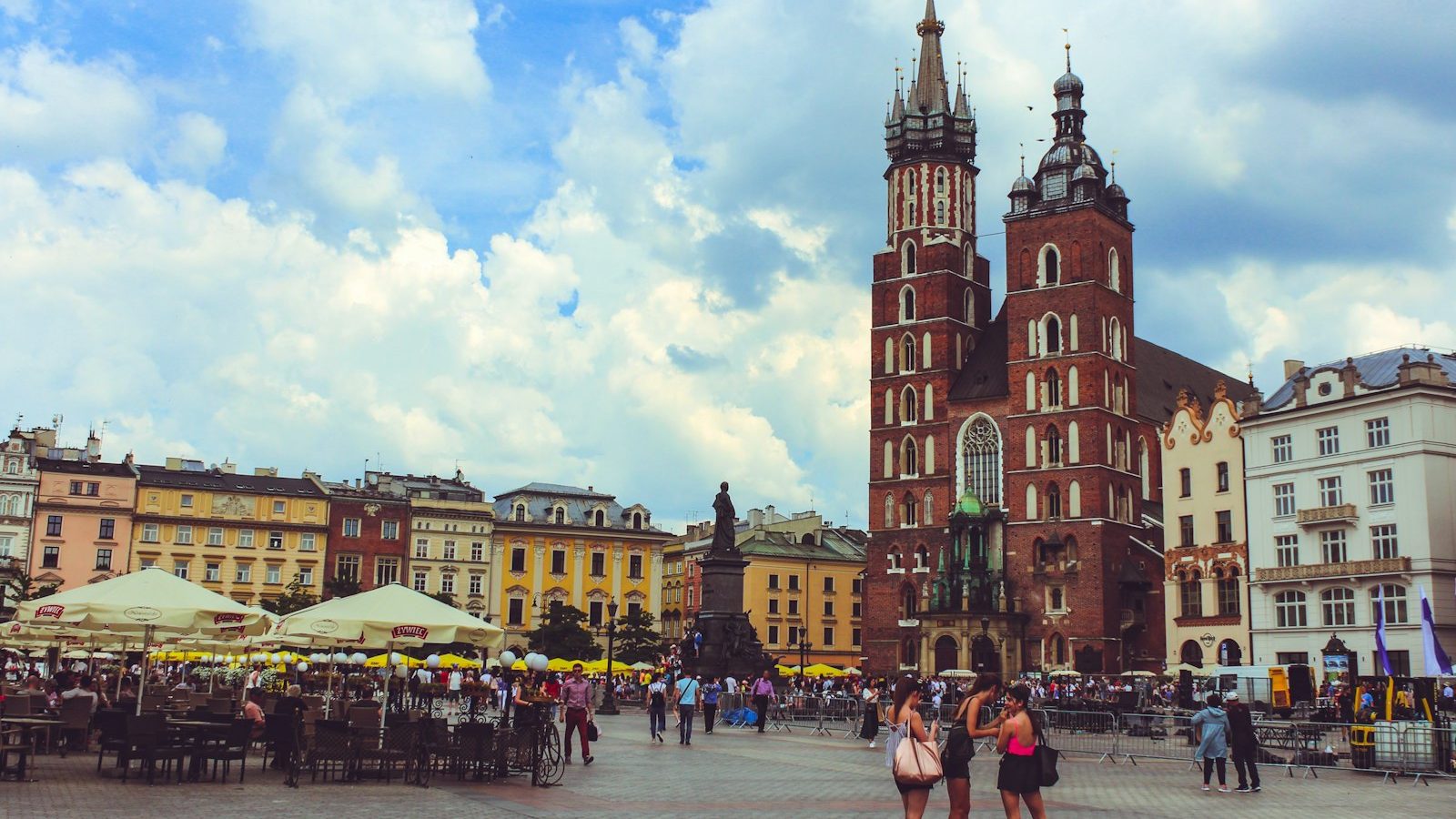
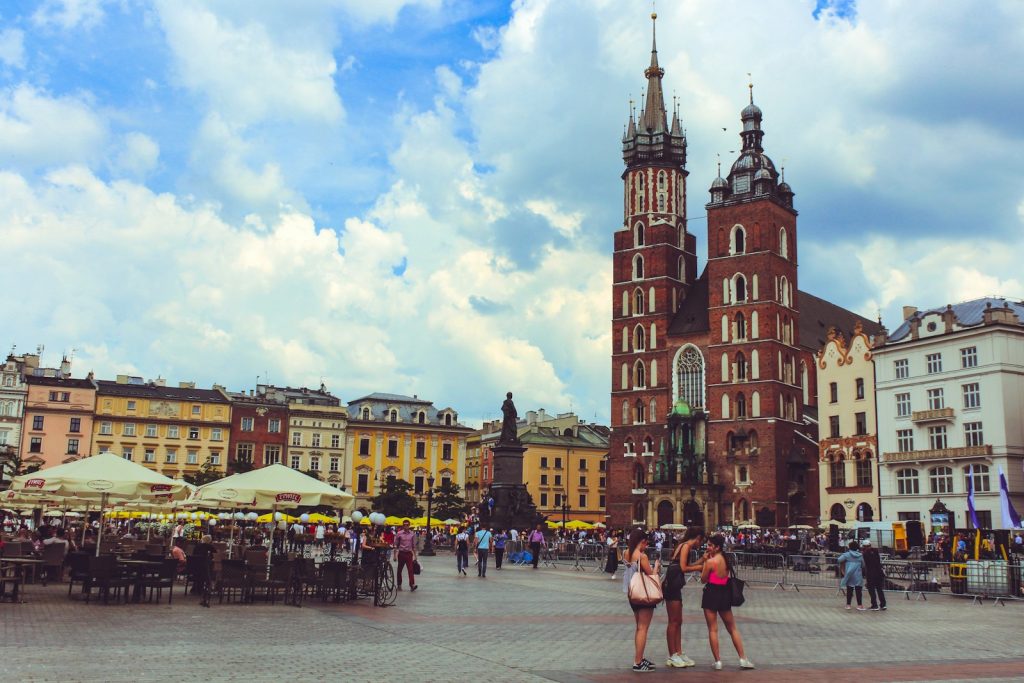
The Rynek Główny is one of the largest medieval town squares in Europe and the heart of Krakow. It is surrounded by elegant townhouses, cafés and restaurants, with the Cloth Hall in the middle, the tall Town Hall Tower to one side and St Mary’s Basilica on the corner. It is beautiful at any time of day, but especially in the early morning before the crowds and in the evening when the buildings are lit up.
The square hosts events all year, from flower stalls in summer to one of Europe’s best Christmas markets, which runs from 27 November 2026 to 6 January 2027.
2. The Cloth Hall
The Sukiennice, or Cloth Hall, has stood in the middle of the square since the Middle Ages, when merchants traded fabric, spices and salt here. Today its long arcade is filled with stalls selling amber jewellery, wooden toys, lace and souvenirs. Upstairs, the Gallery of 19th Century Polish Art, part of the National Museum, is excellent and rarely busy. The terrace café on the upper floor has a lovely view over the square.
3. St Mary’s Basilica and the trumpet call
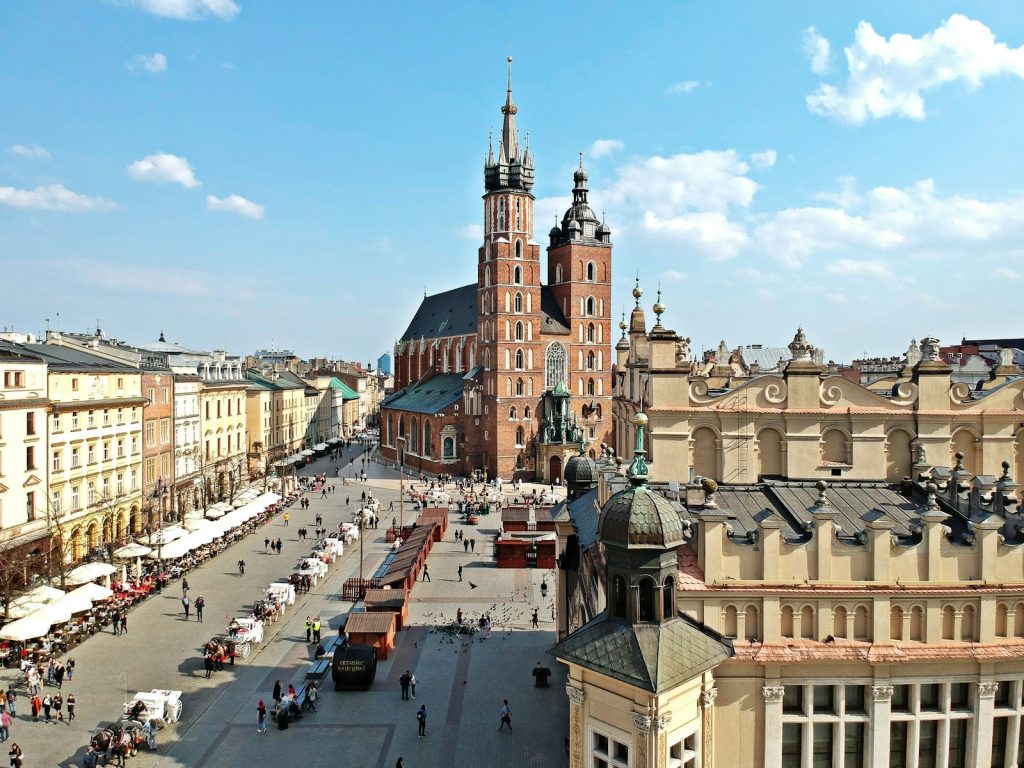
The red brick St Mary’s Basilica, with its two unequal towers, is one of Krakow’s great landmarks. Inside, the vaulted ceiling is painted deep blue with gold stars, and the huge carved wooden altarpiece by Veit Stoss, completed in the late 15th century, is one of the largest of its kind in the world. The altarpiece is opened each day around midday.
Every hour, a trumpeter plays a short tune, the hejnał, from the taller tower. It stops suddenly mid phrase, in memory, according to legend, of a trumpeter shot by an arrow while warning the city of an attack. You can climb the tower in the warmer months for a small fee.
4. Rynek Underground
Beneath the square lies the Rynek Underground museum, a fascinating walk through the medieval market’s foundations, with excavated streets, stalls, coins and graves brought to life with holograms and films. A normal ticket costs 45 złoty. Book a timed slot online, as it is one of the most popular museums in the city. Allow about 90 minutes.
5. Floriańska Street, the Barbican and the city walls
Floriańska Street runs from the square to St Florian’s Gate, one of the few surviving parts of the old city walls. Just beyond it, the round brick Barbican is one of the best preserved fortifications of its kind in Europe. The rest of the walls were replaced in the 19th century by the Planty, a ring of parkland that circles the Old Town and makes for a lovely walk.
6. Collegium Maius
The Jagiellonian University, founded in 1364, is one of the oldest universities in Europe, and its Gothic Collegium Maius building is a short walk from the square. Nicolaus Copernicus studied here. The museum inside has old scientific instruments and the oldest known globe to show America. Even if you do not go in, the arcaded courtyard and its musical clock are worth a look.
Wawel Hill
7. Wawel Royal Castle
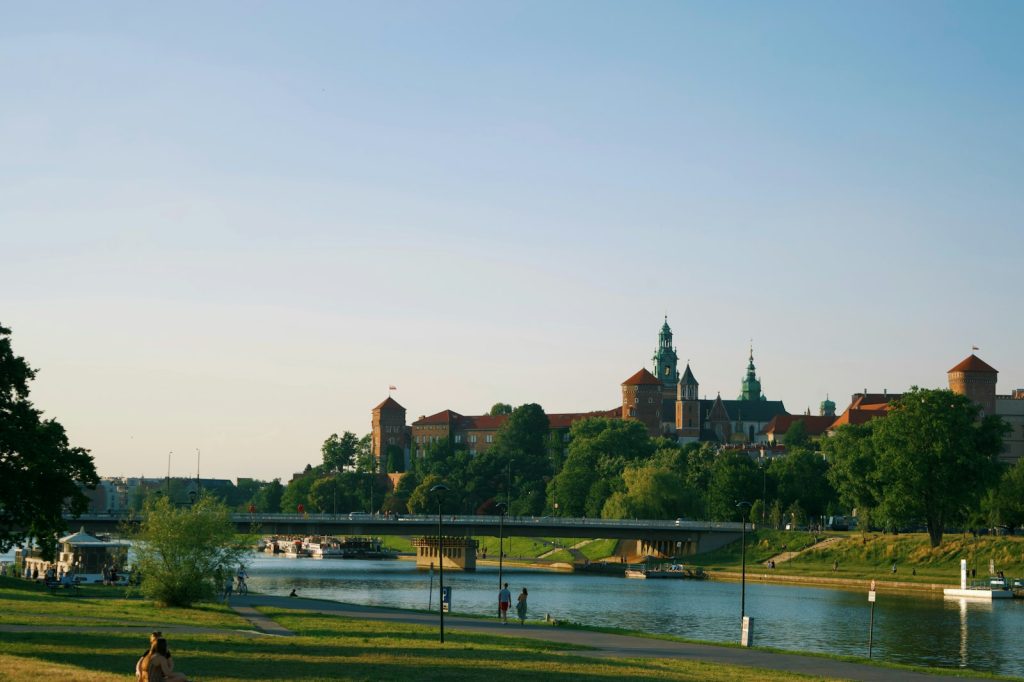
Wawel Hill, rising above a bend in the Vistula, was the seat of Polish kings for centuries. The castle has several separate exhibitions, each with its own ticket, including the State Rooms, the Royal Private Apartments, the Crown Treasury and Armoury and underground displays. In 2026, the Wawel Recovered exhibition costs 95 złoty for a regular ticket with an audio guide, and the Castle Underground route costs 47 złoty.
Buy tickets on the official Wawel website, as daily numbers are limited. The courtyard and hill are free to walk around. Allow at least two to three hours if you want to see the cathedral and one or two exhibitions.
8. Wawel Cathedral
The cathedral, where most Polish kings were crowned and buried, is a jumble of Gothic, Renaissance and Baroque chapels. Highlights include the golden domed Sigismund Chapel, the royal tombs in the crypt and the climb up the tower to see the huge Sigismund Bell. A small charge covers the tower, the crypts and the museum.
9. The Dragon’s Den and the Vistula
According to legend, a dragon once lived in a cave beneath Wawel Hill. You can walk down through the cave, usually open from spring to autumn, and come out beside a metal dragon statue on the riverbank that breathes real fire every few minutes. From here, the riverside paths are perfect for a stroll, and in summer you can take a short boat trip along the Vistula.
Kazimierz
10. The Jewish quarter
Kazimierz was a separate town for centuries and the centre of Jewish life in Krakow before the Second World War. Today it is one of the most atmospheric parts of the city, with old synagogues, crooked streets and courtyards. Visit the Old Synagogue, now a museum, and the Remuh Synagogue and cemetery, which are still in use. The Galicia Jewish Museum tells the story of Jewish life in the region with powerful photographs.
A guided walking tour is the best way to understand the history, as many important places are not obvious from the street.
11. Plac Nowy and the zapiekanka
At the heart of Kazimierz, Plac Nowy is a square built around a round brick building known as the Okrąglak. By day there is a small market, and by night the windows sell zapiekanki, long open baguettes toasted with mushrooms, cheese and toppings. They are a Krakow late night tradition.
12. Cafés, bars and street art
Kazimierz is also Krakow’s bohemian quarter, full of candlelit bars, vintage cafés, independent shops and murals. It is the best area for an evening out if you want somewhere more relaxed than the Old Town. Head to Szeroka Street for traditional Jewish restaurants with live klezmer music.
Podgórze
13. Oskar Schindler’s Enamel Factory
The factory where Oskar Schindler saved more than a thousand Jewish workers is now a museum about Krakow under Nazi occupation from 1939 to 1945. It is powerful and very well designed, but it is about the city’s whole wartime experience, not only Schindler’s story.
From 2026, the adult ticket costs 60 złoty and also includes entry to the Eagle Pharmacy and the Pomorska Street museum for seven days. Tickets bought online are now personalised with your name. Book well ahead, as slots sell out. Allow two hours.
14. Ghetto Heroes Square and the Eagle Pharmacy
During the war, Podgórze was the site of the Krakow Ghetto. Ghetto Heroes Square is now a memorial of 70 large empty chairs, a symbol of the people who were deported. On the corner, the Eagle Pharmacy, run during the war by Tadeusz Pankiewicz, the only non Jewish pharmacist allowed to stay in the ghetto, is a small and moving museum.
15. Krakus Mound
For one of the best free views of Krakow, climb the Krakus Mound, an ancient earth mound in Podgórze said to be the burial place of the city’s legendary founder. The walk takes about 20 minutes from Schindler’s Factory, and sunset here is wonderful.
Beyond the centre
16. Nowa Huta
Built in the 1950s as a model socialist town for steelworkers, Nowa Huta is a fascinating contrast to the Old Town, with wide avenues, grand Socialist Realist buildings and a central square. Take a tram or join a tour in a vintage Trabant car to learn about life in communist Poland.
17. MOCAK and the National Museum
MOCAK, the Museum of Contemporary Art, sits next to Schindler’s Factory and is worth a visit if you like modern art. The main building of the National Museum holds Polish art and decorative arts, and its Czartoryski branch in the Old Town displays Leonardo da Vinci’s Lady with an Ermine.
18. Eat your way through Krakow
Polish food is hearty and very good value. Try pierogi dumplings with potato and cheese, meat or seasonal fruit, żurek sour rye soup served in a bread bowl, bigos hunter’s stew, and oscypek, smoked sheep’s cheese from the mountains, often grilled and served with cranberry. Milk bars, or bar mleczny, are simple canteens serving cheap home cooking. A food tour is a great way to try a lot in one go.
19. Drink vodka and craft beer
Poland is famous for vodka, and tasting flights of flavoured vodkas are a fun way to try them. Krakow also has a thriving craft beer scene, with excellent bars in Kazimierz and the Old Town.
Day trips from Krakow
20. Auschwitz Birkenau Memorial
The former Nazi German concentration and extermination camps of Auschwitz and Birkenau, near the town of Oświęcim, are about an hour and a half from Krakow. More than a million people were murdered here, most of them Jews. A visit is deeply moving and essential for understanding the Holocaust.
Entry to the memorial is free, but you must book an entry pass in advance on the official memorial website. Most visitors join a guided tour, which can be booked on the official site or as part of a tour from Krakow that includes transport. Allow at least three and a half hours at the site, plus travel. Children under 14 are not recommended to visit.
21. Wieliczka Salt Mine
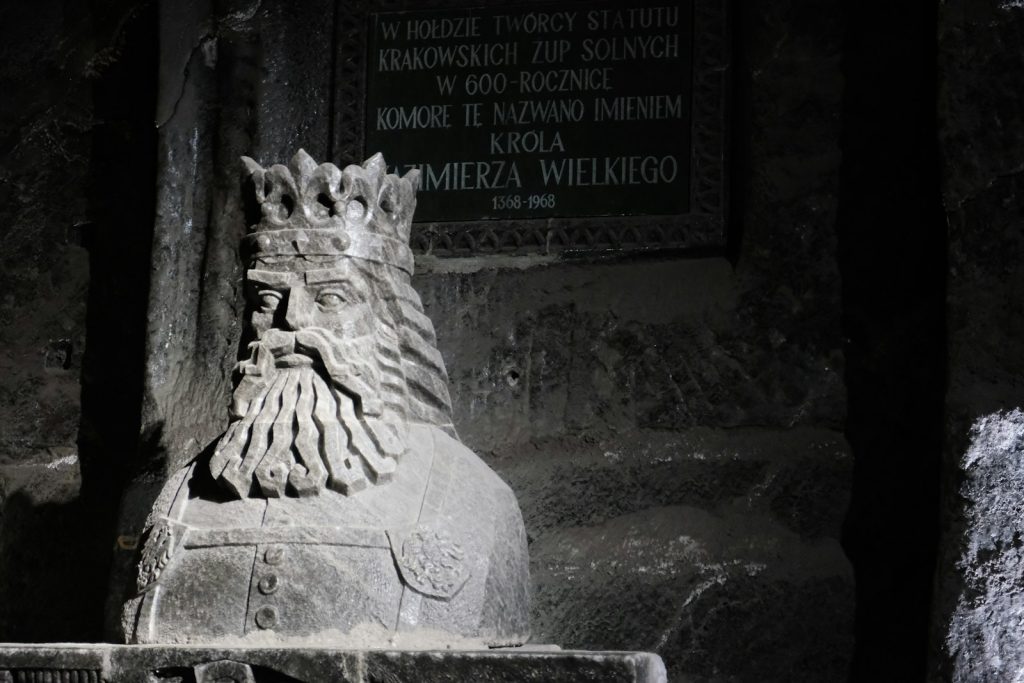
The Wieliczka Salt Mine, about 14 km south east of Krakow, has been worked since the 13th century and is a UNESCO World Heritage Site. The tourist route leads you down hundreds of wooden steps into a world of underground lakes, tunnels and chambers, with statues, chandeliers and even a full cathedral, St Kinga’s Chapel, all carved from salt. The guided tour takes about two to three hours and includes a lift back up. It is cool underground all year, so bring a jumper.
You can reach Wieliczka by local train or bus, or on a tour from Krakow. Many tours combine the salt mine and Auschwitz in one long day, though it is a lot to take in. Doing them on separate days is better.
22. Zakopane and the Tatra Mountains
Zakopane, about two hours south of Krakow, is Poland’s winter capital, a mountain town of wooden villas at the foot of the Tatras. Ride the funicular up Gubałówka hill for views, try the cheese and grilled food at the market and, in summer, hike to the lakes. It makes a long but rewarding day trip.
A three day Krakow itinerary
| Day | Morning | Afternoon | Evening |
|---|---|---|---|
| Day 1 | Main Market Square, St Mary’s Basilica, Cloth Hall | Rynek Underground, Collegium Maius, Wawel Hill | Dinner in the Old Town and a vodka tasting |
| Day 2 | Kazimierz walking tour and synagogues | Schindler’s Factory, Ghetto Heroes Square, Krakus Mound at sunset | Zapiekanka on Plac Nowy and bars in Kazimierz |
| Day 3 | Auschwitz Birkenau or Wieliczka Salt Mine | Return to Krakow | A quiet dinner and a walk around the Planty |
Getting there and getting around
- **Flights from the UK:** Krakow John Paul II Airport has direct flights from most large UK airports, taking about two hours 20 minutes from London.
- **From the airport:** a train runs to Kraków Główny station, next to the Old Town, in about 20 minutes. Buses and taxis are also easy.
- **In the city:** the centre is best on foot. Trams cover longer trips, and tickets can be bought at machines or with a contactless card on board.
- **Taxis:** use an app or an official taxi rank rather than hailing unmarked cars.
How much does Krakow cost?
Poland uses the złoty, not the euro. These are typical prices in 2026, with rough pound conversions. Exchange rates change, so check before you go.
| Item | Typical price |
|---|---|
| Pint of local beer in a bar | about 15 to 22 złoty, roughly £3 to £4.50 |
| Coffee | about 12 to 18 złoty |
| Plate of pierogi | about 30 to 45 złoty |
| Dinner for two with drinks | about 200 to 300 złoty |
| Rynek Underground ticket | 45 złoty |
| Schindler’s Factory ticket | 60 złoty |
| Central hotel, per night | from about £60 for a simple room to £180 for a boutique hotel |
Prices on the Main Market Square itself are higher, so walk a street or two away for better value. Avoid exchange booths with poor rates near the square, and use a card or a bank ATM instead.
Where to stay in Krakow
- **Old Town:** the most convenient choice, close to everything, but busier and noisier at weekends.
- **Kazimierz:** full of character, with great bars and restaurants, and a short walk to the Old Town.
- **Podgórze:** quieter and cheaper, across the river from Kazimierz.
- **Near the station:** handy for the airport train and day trips, but less charming.
Practical tips for Krakow
- **Book ahead:** Auschwitz guided tours, Schindler’s Factory, Wawel exhibitions and the Rynek Underground can all sell out.
- **Dress respectfully** in churches and at Auschwitz, and stay quiet at memorial sites.
- **Watch out for stag parties:** Krakow is popular for them, especially on Friday and Saturday nights in the Old Town.
- **Check your bill:** some bars and clubs aimed at tourists add large service charges. Ask about prices before ordering.
- **Use a card:** contactless payment is accepted almost everywhere, even for small amounts.
- **Stay connected:** an eSIM is a simple way to get data for maps and tickets during your trip.
Frequently asked questions
Is Krakow worth a visit?
Yes. Krakow combines a beautiful and very walkable medieval old town, a royal castle, lively food and nightlife, and some of the most important historical sites in Europe, all at prices that are low by western European standards.
How much is a pint of beer in Krakow in pounds?
In a normal bar away from the main square, a pint of local beer typically costs around 15 to 22 złoty, or roughly £3 to £4.50, depending on the exchange rate. Craft beer and bars on the square cost more.
What is the best month to visit Krakow?
May, June and September are the best months, with warm weather and long days, but fewer crowds than in July and August. December is also popular for the Christmas market, though it is cold. January to March is cheapest but often grey and freezing.
Is Krakow good for nightlife?
Very. The Old Town is full of cellar bars and clubs, Kazimierz has relaxed, quirky bars and live music, and drinks are cheap. Weekends are lively and can be loud, especially with stag and hen groups.
What are the do’s and don’ts in Krakow?
Do book major sights ahead, try the local food, carry a little cash for small stalls and walk everywhere in the centre. Don’t take photos in a disrespectful way at Auschwitz or other memorial sites, don’t jaywalk, as you can be fined, and don’t drink alcohol in public streets and parks, which is not allowed.
Is 3 days in Krakow too much?
No. Three days is ideal. It gives you a day for the Old Town and Wawel, a day for Kazimierz and Podgórze, and a day trip to Auschwitz Birkenau or Wieliczka. With four or five days, you can do both day trips and add Nowa Huta or Zakopane.
Can you visit Auschwitz and Wieliczka in one day?
Yes, many tours combine them, but it makes for a long and emotional day of around 11 to 12 hours. If you have the time, it is better to visit them on separate days.
Plan the rest of your trip
Krakow’s Christmas market is one of the best in Europe. See our guide to the best Christmas markets in Europe for 2026 dates, and if you are planning another city break, read our guide to the best things to do in Lisbon and the best things to do in Prague. For more ideas, browse our Europe travel guides. If you spot something out of date, please let us know.