
!DISCLOSURE
The best time to visit Thailand for most people is from November to February, when the weather across most of the country is dry, sunny and a little less humid. But Thailand is a long country with two coastlines and two monsoon patterns, so the right month really depends on where you want to go. When it is raining in Phuket, it can be sunny on Koh Samui, and the cheapest months can be some of the best for a beach holiday if you choose the right side of the country.
This guide explains Thailand’s seasons, then goes month by month, region by region, so you can match your dates to the places you want to see. You will also find the main festivals for 2026 and 2027, the cheapest times to fly from the UK, the hottest and wettest months, what to pack and the latest entry rules for British travellers, which changed in September 2026. Weather patterns are averages, so always check the forecast close to your trip.
The best time to visit Thailand at a glance
| Region | Best months | Avoid if you can |
|---|---|---|
| Bangkok and central Thailand | November to February | April for heat, September for rain |
| Chiang Mai and the north | November to February | February to April for smoke haze |
| Andaman coast: Phuket, Krabi, Khao Lak, Koh Lanta | November to April | May to October, wettest in September |
| Gulf coast: Koh Samui, Koh Phangan, Koh Tao | January to August | October to December, wettest in November |
| Eastern Gulf: Koh Chang, Koh Kood | November to April | July to September |
| Diving the Similan Islands | Mid October to mid May | The park is closed the rest of the year |
Thailand’s three seasons
Thailand has a tropical climate with three broad seasons. Temperatures stay warm all year, so the real difference is rain and humidity.
- **Cool and dry season, November to February:** the most comfortable time for most of the country, with sunny days, lower humidity and temperatures around 28°C to 32°C in Bangkok. Nights can be chilly in the northern mountains. This is high season, with the highest prices, especially at Christmas and New Year.
- **Hot season, March to May:** temperatures climb, often reaching the mid to high 30s in Bangkok and the central plains. April is usually the hottest month. It is still a good time for beaches, especially on the Gulf coast.
- **Rainy season, May or June to October:** the south west monsoon brings rain to most of the country. Showers are often short and heavy, in the afternoon or evening, rather than all day. The countryside is green, the waterfalls are full and prices are lower.
The Gulf coast islands of Koh Samui, Koh Phangan and Koh Tao follow a different pattern, with their main rain from October to December.
Thailand month by month
January
January is one of the best months to visit almost anywhere in Thailand. Bangkok is warm and relatively dry, the north is cool and clear, and both the Andaman and Gulf coasts are usually sunny. It is peak season, so book hotels and flights early, especially around New Year.
February
February is still excellent for beaches on both coasts and for Bangkok. In the north, smoke haze from agricultural burning can start to build later in the month. In 2027, Chinese New Year falls on 6 February, bringing celebrations to Bangkok’s Chinatown, busier travel and higher prices in some resorts.
March
March is hot and dry. It is a good time for the Andaman and Gulf beaches, and the sea is calm and clear for diving. The north is often hazy from the burning season, which can affect air quality in Chiang Mai and Chiang Rai.
April
April is usually Thailand’s hottest month, with temperatures in Bangkok regularly reaching the mid to high 30s. It is also the month of Songkran, the Thai New Year, from 13 to 15 April, when the whole country joins a giant water fight. It is great fun, but expect to get soaked and for travel to be busy. The Gulf islands are at their best.
May
May marks the start of the rainy season on the Andaman coast and in much of the country, though there are still plenty of sunny days. Prices fall, and it is a good month for Koh Samui and the Gulf islands. The Similan Islands close to visitors in mid May.
June
June brings more regular rain to Bangkok, the north and the Andaman coast, but showers are often short. It is a good value month with fewer crowds. The Gulf islands are usually drier and make a good choice.
July
July is in the middle of the rainy season for most of the country, but it is still a popular month for British families during the school holidays, largely because the Gulf islands are usually sunny. Expect choppier seas on the Andaman coast.
August
August is similar to July. Koh Samui, Koh Phangan and Koh Tao are the best beach choices. Bangkok and the north see frequent showers, but you can still sightsee comfortably between them.
September
September is often the wettest month in Bangkok and on the Andaman coast, with the most rain falling in Phuket and Krabi. It is the quietest and cheapest time to visit many places. Some island ferries and boat trips may be cancelled in rough weather.
October
October is a month of change. The rains usually ease in Bangkok and the north towards the end of the month, and the Andaman coast starts to dry out, while the Gulf islands begin their rainy season. The Similan Islands reopen in mid October.
November
November is one of the best months to visit. The cool season arrives in Bangkok and the north, and the Andaman coast is usually dry and sunny, though prices rise towards the end of the month. The Gulf islands see their heaviest rain. In 2026, Loy Krathong and Chiang Mai’s Yi Peng lantern festival fall around 24 to 25 November. In 2027, Loy Krathong is expected around 14 November.
December
December is peak season, with dry, sunny weather in Bangkok, the north and on the Andaman coast. Christmas and New Year are the busiest and most expensive weeks of the year, so book well ahead. The Gulf islands can still be wet early in the month.
The best time to visit each region
Bangkok
The best time to visit Bangkok is from November to February, when it is a little cooler and drier. March to May is very hot, so plan indoor sights such as museums, shopping centres and river cruises for the middle of the day. In the rainy season, showers are usually short, and the city is easy to visit with an umbrella.
Chiang Mai and northern Thailand

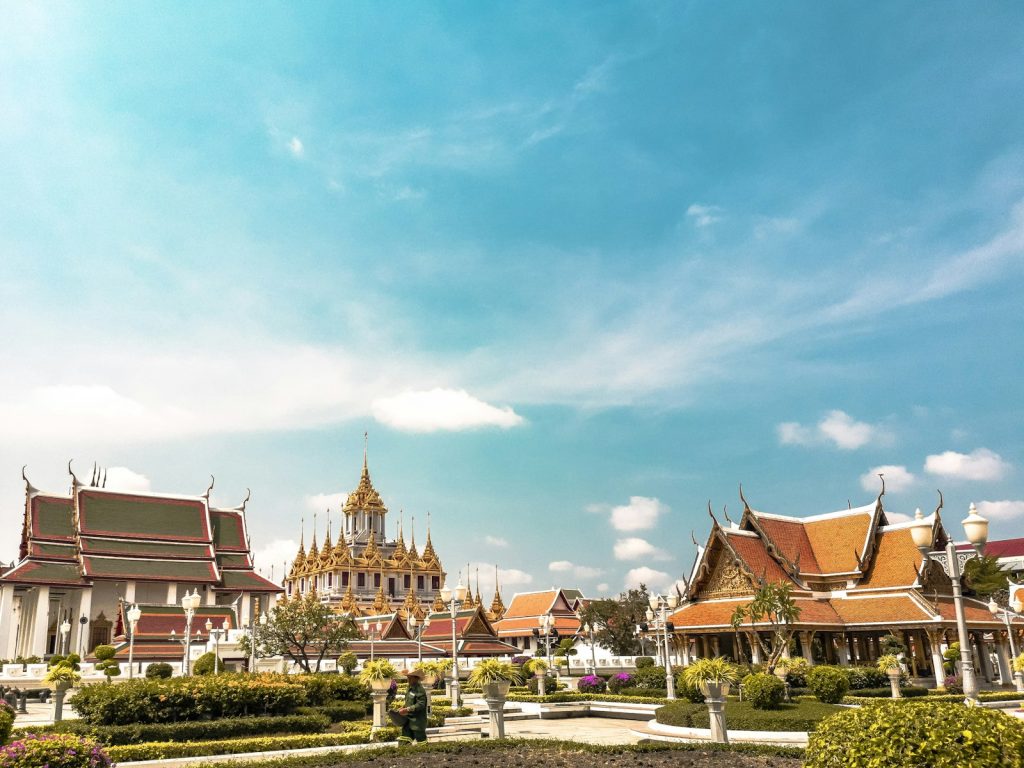
The north is at its best from November to early February, when the days are warm and sunny and the nights are cool. It is the best time for trekking, visiting hill tribe villages and seeing the temples of Chiang Mai and Chiang Rai.
From around February to April, farmers burn fields and forests, and the smoke can cause serious air pollution, sometimes among the worst in the world. If you have asthma or other breathing problems, avoid the north in these months. The rainy season, from June to October, makes the hills lush and green, though some trekking trails become muddy.
Phuket, Krabi and the Andaman coast
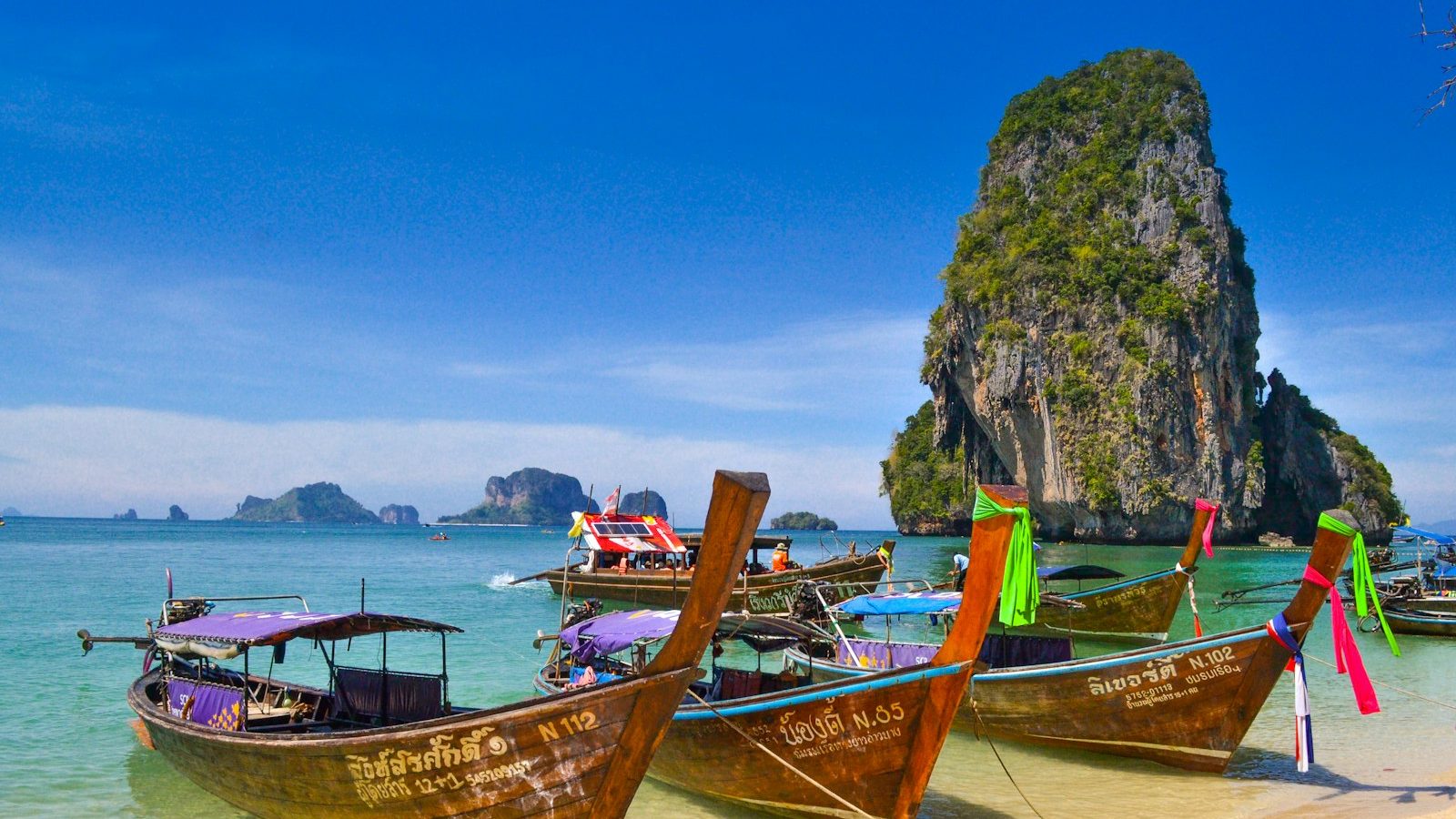
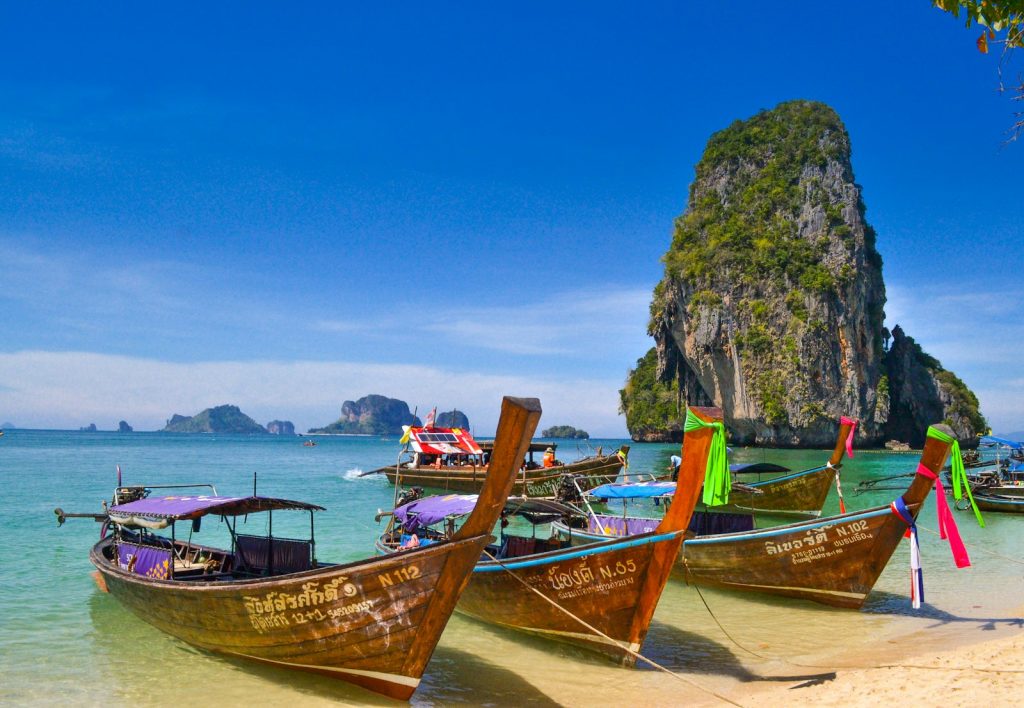
The Andaman coast, including Phuket, Krabi, Railay, Khao Lak, Koh Lanta and the Phi Phi Islands, is best from November to April. The sea is calm and clear, perfect for island hopping, snorkelling and diving.
From May to October, the south west monsoon brings rain, rough seas and strong currents, with red flags on many beaches. Some resorts and smaller islands close. It is still possible to have a good holiday, with lower prices and fewer crowds, but be ready for some rainy days.
Koh Samui, Koh Phangan and Koh Tao
The Gulf islands have a different rainy season, with the heaviest rain from October to December, especially in November. From January to August, the weather is usually good, which makes these islands the best beach choice for a summer holiday. Koh Phangan’s monthly Full Moon Party draws big crowds all year.
Koh Chang and the eastern islands
Koh Chang, Koh Kood and Koh Mak, near the border with Cambodia, are best from November to April. They get heavy rain from July to September.
Thailand festivals in 2026 and 2027
| Festival | When | Where to see it |
|---|---|---|
| Loy Krathong and Yi Peng | About 24 to 25 November 2026, and about 14 November 2027 | Chiang Mai, Sukhothai, Bangkok |
| New Year’s Eve | 31 December | Bangkok, Phuket, Koh Samui |
| Chinese New Year | 6 February 2027 | Bangkok’s Chinatown, Phuket Town |
| Songkran, Thai New Year | 13 to 15 April | Everywhere, especially Bangkok and Chiang Mai |
| Vegetarian Festival | Usually late September or October | Phuket Town |
| Full Moon Party | Monthly | Haad Rin, Koh Phangan |
Lunar festival dates move each year, so check the Tourism Authority of Thailand’s calendar before you book.
The cheapest time to visit Thailand from the UK
The cheapest time to visit Thailand is usually during the rainy season, from May to October, outside the UK school summer holidays. May, June and September often have the lowest hotel prices and good flight deals. Hotel rates in Phuket and Krabi can fall sharply compared with the peak months.
The most expensive times are Christmas and New Year, February half term and Easter. For a balance of good weather and value, look at early November, before peak prices, or late March, when the beaches are still dry.
Best time for different types of trip
- **Beach holiday in the UK winter:** Phuket, Krabi or Koh Lanta from December to March.
- **Beach holiday in the UK summer:** Koh Samui, Koh Phangan or Koh Tao from June to August.
- **City break and culture:** Bangkok, Ayutthaya and Chiang Mai from November to February.
- **Trekking in the north:** November to January.
- **Diving:** the Similan Islands from mid October to mid May, and Koh Tao from March to September.
- **Families:** February half term or the Easter holidays for the Andaman coast, and the summer holidays for the Gulf islands.
- **Budget travel:** May, June, September and October.
What should I pack?
- Light, breathable clothes, plus a scarf or light layer to cover shoulders and knees at temples.
- A light jumper or jacket for the north in the cool season and for air conditioned buses and trains.
- A compact umbrella or light rain jacket in the rainy season.
- High factor sun cream, insect repellent and a hat.
- Comfortable sandals and walking shoes.
- A waterproof bag for boat trips and Songkran.
Average temperatures and rainfall
These typical figures show how the weather changes through the year. They are long term averages, so individual years can be wetter, drier or hotter.
| Place | Coolest months | Hottest months | Wettest months |
|---|---|---|---|
| Bangkok | December and January, highs about 31°C | April, highs about 35°C | September and October |
| Chiang Mai | December and January, highs about 29°C, cool nights | April, highs about 36°C | August and September |
| Phuket | December and January, highs about 31°C | March and April, highs about 33°C | September and October |
| Koh Samui | December and January, highs about 29°C | April and May, highs about 33°C | October and November |
Sea temperatures stay warm all year, usually between 27°C and 30°C, so swimming is pleasant in every month when the sea is calm.
A two week route for each season
If you have two weeks, you can match your route to the season and get the best weather all the way.
- **November to April:** start with three nights in Bangkok, fly north for three nights in Chiang Mai, then finish with a week on the Andaman coast, splitting your time between Krabi or Railay and an island such as Koh Lanta or the Phi Phi Islands.
- **May to September:** spend three nights in Bangkok and two or three in Chiang Mai, where the rain usually comes in short bursts, then fly to Koh Samui for a week on the Gulf islands, adding a few nights on Koh Phangan or Koh Tao.
- **October:** a mix of both. Bangkok and the north are drying out, and the Andaman coast improves through the month, so Krabi or Khao Lak are usually the better beach choice towards the end of October.
Tips for travelling in the rainy season
Travelling between May and October can be rewarding, with green landscapes, fewer people and lower prices. A little planning helps.
- **Plan outdoor sights for the morning,** as storms often build in the afternoon.
- **Choose hotels with good indoor spaces,** such as a spa, restaurant or covered pool area.
- **Leave flexible days** for island hopping, diving and boat trips, which may be postponed in rough seas.
- **Check ferry schedules,** as some routes run less often in the low season.
- **Bring quick drying clothes** and keep your phone and passport in a waterproof bag.
- **Watch for flooding** in low lying areas after heavy storms, especially in Bangkok in September and October.
Entry rules for British travellers
Since 15 September 2026, British passport holders can stay in Thailand for up to 30 days without a visa, cut from the previous 60 days. For longer stays, you can apply for an extension once you are in Thailand, or apply for a tourist visa before you travel. Your passport should be valid for at least six months from your arrival date, and you may be asked to show an onward or return ticket.
All visitors must also complete the free Thailand Digital Arrival Card online within three days before arrival. Use the official immigration website, as unofficial sites may charge a fee. Rules can change, so check the latest advice on GOV.UK before you travel.
Getting there
Direct flights from London to Bangkok take around 11 to 12 hours. Many travellers fly with one stop through the Gulf, such as Dubai, Doha or Abu Dhabi, which can be cheaper and opens up routes from regional UK airports. From Bangkok, short domestic flights reach Chiang Mai, Phuket, Krabi and Koh Samui in about an hour, and there are direct international flights to Phuket from some hubs.
Practical tips
- **Book peak dates early:** hotels on the islands fill up quickly for Christmas, New Year and February half term.
- **Plan around the weather:** in the rainy season, keep a day or two free for boat trips, as they can be cancelled in rough seas.
- **Respect red flags:** rip currents are dangerous on the Andaman coast from May to October. Do not swim when red flags are flying.
- **Stay cool in April:** sightsee early in the morning and in the evening, rest in the afternoon and drink plenty of water.
- **Get travel insurance:** make sure it covers medical treatment, scooter riding if you plan to rent one, and any activities such as diving.
- **Stay connected:** an eSIM gives you data for maps, ride hailing apps and ferry tickets from the moment you land.
Frequently asked questions
What are the best and worst months to visit Thailand?
For most of the country, the best months are November to February, when it is dry, sunny and less humid. The worst months depend on where you are going: September is usually the wettest month in Bangkok and on the Andaman coast, November is the wettest on Koh Samui and the Gulf islands, and March is often the worst for smoke in the north.
What is the cheapest time to visit Thailand?
The cheapest time is usually the rainy season, from May to October, outside the UK summer holidays. May, June and September often bring the lowest hotel prices and good flight deals.
Why are tourists turning away from Thailand?
Visitor numbers fell in 2025, and reports point to several reasons, including a strong Thai baht that makes holidays more expensive, rising prices in popular resorts, safety worries after some high profile incidents, and tension on the border with Cambodia. Thailand remains a very popular and safe destination for most holidays, and lower demand has meant good deals in some places.
What is the hottest month to go to Thailand?
April is usually the hottest month, with temperatures in Bangkok and central Thailand often reaching the mid to high 30s. March and May can also be very hot.
When is the worst time to travel to Thailand?
There is no single worst time for the whole country. Avoid the Andaman coast in September, the Gulf islands in November, the north from February to April if you are sensitive to air pollution, and Christmas and New Year if you want to avoid peak prices.
What is the rainiest month in Thailand?
September is often the rainiest month in Bangkok, the north and on the Andaman coast, including Phuket and Krabi. On Koh Samui, Koh Phangan and Koh Tao, November is usually the wettest month.
Is December a good time to visit Thailand?
Yes. December is one of the best months for weather in Bangkok, the north and on the Andaman coast, with dry, sunny days and cooler nights. It is also the busiest and most expensive month, especially over Christmas and New Year, so book flights and hotels several months ahead.
Is it worth visiting Thailand in the rainy season?
Yes, if you plan well. Rain often falls in short, heavy bursts, the landscape is green, prices are lower and there are fewer crowds. Choose the Gulf islands for beaches in July and August, and stay flexible with boat trips.
Plan the rest of your trip
Thinking about more of Asia? Browse our Asia travel guides, or read our guides to the best time to visit Japan and the best time to visit Bali. If you want a shorter winter sun trip from the UK, read about the best time to visit Marrakech or the best things to do in Madeira. If you spot something out of date, please let us know.