
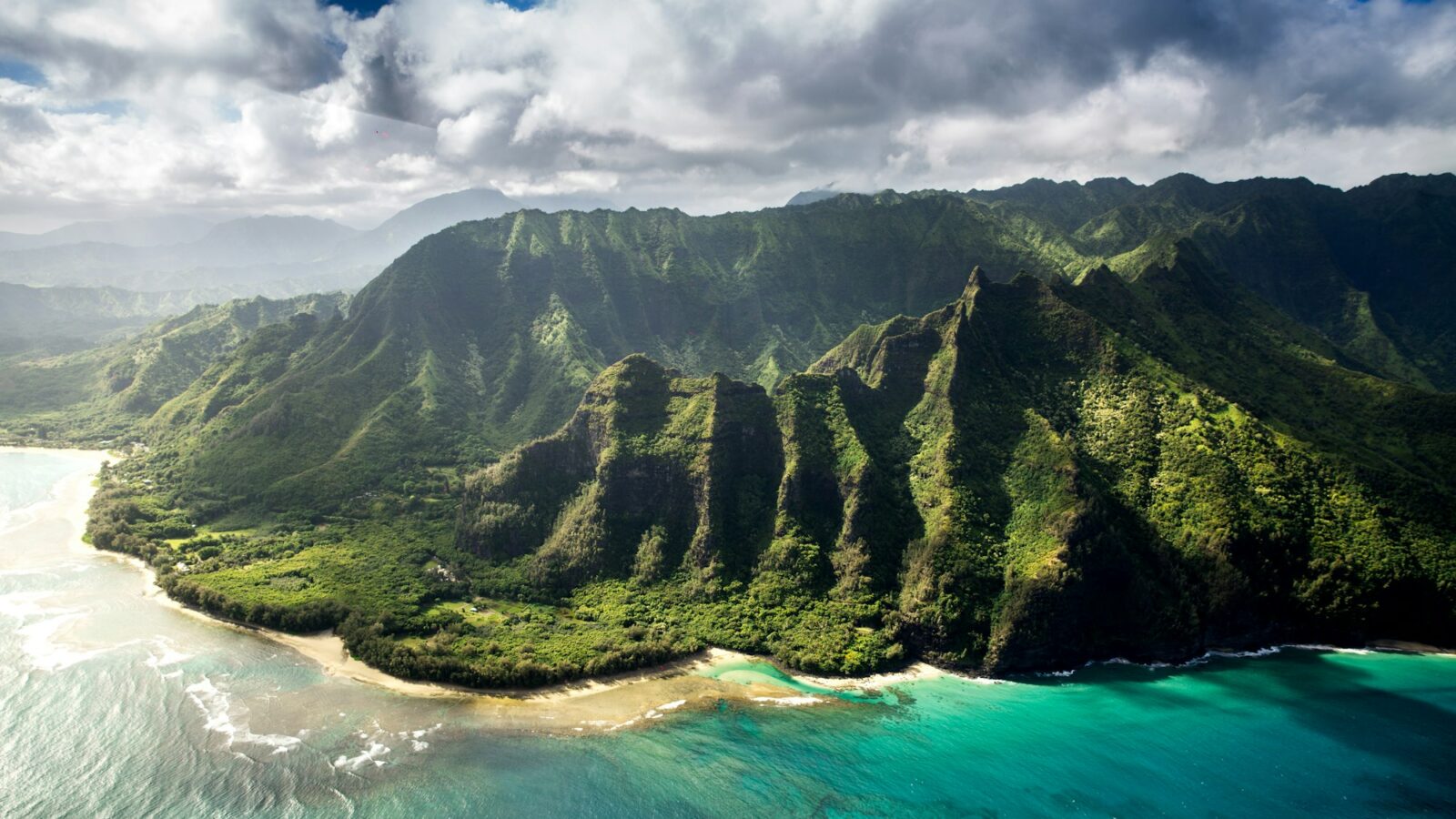
The best time to visit Hawaii is from mid April to early June or from September to mid November, when the weather is warm and mostly dry, the sea is calm on most coasts and hotel prices and crowds sit below their winter and summer peaks. May, September and October are the sweet spots for most trips. Come from January to March if humpback whales are your priority, and from November to February if you want to watch the giant North Shore surf.
Some links in this guide are affiliate links: if you book through them we may earn a commission at no extra cost to you. It never changes what we recommend. How we make money.
Hawaii is warm all year. Honolulu’s normal daytime high only moves between about 80°F (27°C) in January and 89°F (32°C) in August, and the sea stays between roughly 75°F and 81°F (24°C to 27°C). What changes through the year is rain, wave size, whale numbers, prices and the number of other visitors. This guide covers all of it month by month and island by island, with the 2027 events worth planning around, the latest on Lahaina and on Kauai after Hurricane Lowell, the new Green Fee tax and flights and entry rules for travellers from the UK and the US.
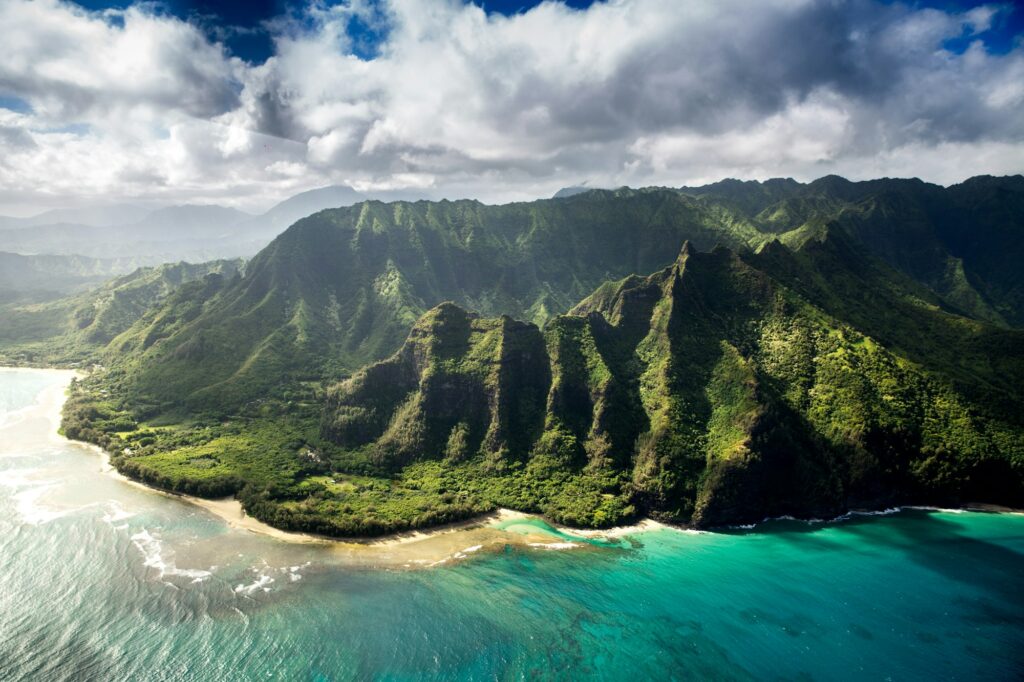
We checked the weather data, tax rules, reopening dates and flight routes in this guide in November 2026. Climate figures are the official 1991 to 2020 normals for Daniel K. Inouye International Airport in Honolulu, published in the State of Hawaii Data Book, unless we say otherwise.
Best time to visit Hawaii at a glance
| If you want | Go in | Why |
|---|---|---|
| The best all round mix | May, September, October | Dry leeward coasts, warm sea, fewer people and lower rates than winter or July |
| The cheapest time to visit Hawaii | Late April to early June, September to mid November | Between spring break and summer, and between Labor Day and Thanksgiving |
| Humpback whales | January to March (season November to April) | Peak months named by the NOAA whale sanctuary |
| Big wave surf to watch | November to February | Winter swells hit north facing shores, especially the North Shore of Oahu |
| Calm water for snorkelling | May to September | North shores go flat in summer and leeward bays are clear |
| Hiking on Kauai and the wet sides | May to September | Less mud and fewer flash floods on windward trails |
| Festivals and hula | Late March to early April, September | Merrie Monarch in Hilo (28 March to 3 April 2027) and Aloha Festivals on Oahu |
| Avoid if you can | 20 December to early January, spring break, July | Highest prices and the busiest beaches |
Hawaii weather by month
Hawaii has two seasons rather than four. The dry season (kau) runs from about May to October and the wetter season (hooilo) from about November to April. Honolulu gets only 16.4 inches (417 mm) of rain a year, but more than half of it falls between October and March, mostly as short showers rather than all day rain.
The table below uses Honolulu figures, which are typical of the dry, leeward resort coasts such as Waikiki, Kaanapali, Wailea, Kona and Poipu. The windward (north and east) sides of every island are wetter, as the next section explains. Sea temperatures are approximate averages for the waters off Honolulu. Crowds and prices are our summary of the usual demand pattern, with the 2027 holiday dates that push them up.
| Month | High / low | Rain (Honolulu) | Sea | Crowds and prices | Main events 2027 |
|---|---|---|---|---|---|
| January | 81°F / 67°F (27°C / 19°C) | 1.8 in (47 mm) | 76°F (24°C) | High at New Year, then moderate | Whale peak begins, Ocean Count 30 Jan |
| February | 81°F / 67°F (27°C / 19°C) | 1.9 in (49 mm) | 75°F (24°C) | High, Presidents’ Day 15 Feb | Whale peak, Ocean Count 27 Feb |
| March | 81°F / 68°F (27°C / 20°C) | 2.4 in (60 mm) | 76°F (24°C) | High, spring break and Easter (28 Mar) | Prince Kuhio Day 26 Mar, Merrie Monarch from 28 Mar |
| April | 83°F / 70°F (28°C / 21°C) | 0.8 in (20 mm) | 77°F (25°C) | Busy first week, then quiet | Merrie Monarch to 3 Apr |
| May | 85°F / 72°F (29°C / 22°C) | 0.8 in (21 mm) | 78°F (26°C) | Low, busier on Memorial Day (31 May) | Lei Day 1 May |
| June | 87°F / 74°F (31°C / 23°C) | 0.5 in (13 mm) | 79°F (26°C) | Rising from mid June | Ironman 70.3 Hawaii 5 Jun, Kamehameha Day 11 Jun |
| July | 88°F / 75°F (31°C / 24°C) | 0.5 in (13 mm) | 80°F (27°C) | Peak, especially around 4 July | Fourth of July fireworks |
| August | 89°F / 76°F (32°C / 24°C) | 0.8 in (21 mm) | 80°F (27°C) | High early, easing late month | Statehood Day 20 Aug |
| September | 88°F / 75°F (31°C / 24°C) | 0.9 in (22 mm) | 81°F (27°C) | Low after Labor Day (6 Sep) | Aloha Festivals (dates to be announced) |
| October | 87°F / 74°F (31°C / 23°C) | 1.5 in (38 mm) | 81°F (27°C) | Low, busier at UK half term | Ironman World Championship, Kona |
| November | 84°F / 72°F (29°C / 22°C) | 2.3 in (57 mm) | 79°F (26°C) | Low, except Thanksgiving week (25 Nov) | Winter surf season starts, first whales |
| December | 82°F / 69°F (28°C / 21°C) | 2.2 in (55 mm) | 77°F (25°C) | Low early, peak from about 20 Dec | Honolulu Marathon (second Sunday) |
The hottest month in Hawaii is August, with a normal Honolulu high of 88.8°F (32°C), closely followed by September. The sea is warmest in September and October. The coolest, wettest stretch is December to March, when nights near sea level drop to about 66°F to 69°F (19°C to 21°C) and the mountains get properly cold.
Rainy season in Hawaii: trade winds, windward and leeward
The rainy season in Hawaii runs from roughly November to March, but where you stay matters far more than the month. Steady northeast trade winds blow for most of the year and drop their rain on the windward (north and east) slopes. The leeward (south and west) coasts sit in a rain shadow and stay dry and sunny even in winter.
The official numbers show how big the difference is. Hilo, on the windward side of the Big Island, averages 120.4 inches (3,058 mm) of rain a year. Honolulu averages 16.4 inches and Kahului on Maui 16.2 inches, while Lihue on Kauai sits in between at 36.2 inches (920 mm). The mountains above Lihue are wetter still, and the centre of Kauai is one of the rainiest places on earth.
So a wet January day in Hilo or on the road to Hana can be a sunny beach day in Kona or Wailea. If you visit between November and March, stay on the leeward side (Waikiki or Ko Olina on Oahu, Kaanapali, Kihei or Wailea on Maui, Kona or the Kohala Coast on the Big Island, Poipu on Kauai) and treat the wet side as a day trip.
Two weather patterns break the rule. When the trade winds stop, light southerly “Kona winds” bring hot, sticky air and, on the Big Island, volcanic haze called vog. In winter, slow moving storms called Kona lows can dump heavy rain on the normally dry leeward coasts for a day or two. Neither lasts long, but both are a reason to keep a flexible plan for hikes and boat trips.
What to pack by season
Light clothes and reef safe sunscreen work all year. Add a light rain jacket from November to April, and a warm layer if you plan to watch sunrise on Haleakala on Maui or visit the summit of Mauna Kea on the Big Island, where temperatures can fall below freezing and snow falls in some winters.
Best month to visit Hawaii, season by season
There is no single best month to visit Hawaii for everyone, but if we had to pick one it would be May. It is one of the driest months, flights and hotels are past the spring break peak, the sea is warm and calm on most coasts and every major sight is open. September and October run it close and add the warmest sea of the year.
Winter (December to March): whales, surf and the highest prices
Winter is peak season. Visitors from the US mainland, Canada and Japan escape the cold, and the 20 December to early January holiday stretch is the most expensive time of the year to stay in Hawaii. Prices stay high through Presidents’ Day and the March spring break.
In return you get the best whale watching, the giant North Shore swells and green, waterfall heavy landscapes. Expect more showers on windward coasts and occasional rough days that close beaches on north and west facing shores. Book whale cruises, Haleakala sunrise permits and rental cars as early as you can.
Spring (April to early June): the best value window
Once the Easter week crowds leave, April to early June is quiet, dry and good value. Showers ease, the north shores start to calm down and the last whales usually leave in April. Late March and early April 2027 is unusually busy in Hilo because Merrie Monarch week overlaps Easter, so book Big Island rooms early if you plan to be there.
Summer (mid June to August): driest, calmest and busy
Summer brings the driest, hottest and most reliable weather, the calmest north shore water for snorkelling and the best conditions for Kauai’s Na Pali Coast and the wet side hikes. It is also family holiday season in the US and the UK, so July in particular is busy and expensive. The south shores, including Waikiki, get their own smaller summer swells, which suits beginner surfers.
Autumn (September to mid November): warm sea, low prices
After Labor Day, demand falls sharply. September and October have the warmest sea of the year, mostly dry weather and some of the lowest hotel rates, which makes this the cheapest time to visit Hawaii in good weather. The trade off is that it falls in hurricane season (see below), and November brings the first winter rain and swells.
Best time to visit Maui, Oahu, the Big Island and Kauai
The islands share the same seasons, but each has its own wet side, its own crowds and its own reasons to time a trip. Use this table, then read the island notes for current conditions.
| Island | Best months | Driest base | Wettest area | Best for |
|---|---|---|---|---|
| Oahu | May, September, October | Waikiki, Ko Olina | Windward coast, Manoa Valley | City break plus beaches, winter surf on the North Shore |
| Maui | April, May, September, October; January to March for whales | Kaanapali, Kihei, Wailea | Hana and the east coast | Whale watching, Haleakala, road to Hana |
| Big Island | April to June, September, October | Kona, Kohala Coast | Hilo and the Hamakua Coast | Volcanoes, manta rays, Merrie Monarch |
| Kauai | May to September | Poipu | North Shore, Hanalei, Waialeale | Na Pali Coast, Waimea Canyon, hiking |
Best time to visit Oahu
The best time to visit Oahu is May, September or October, when Waikiki is sunny, the North Shore is calm enough to swim and the city’s hotels are at their quietest. Winter is the season to watch the big wave surfers at Waimea Bay, Pipeline and Sunset Beach, but not to swim on that coast. Oahu has the most flights and the widest range of hotels, so it is usually the easiest island to book at short notice.
Best time to visit Maui
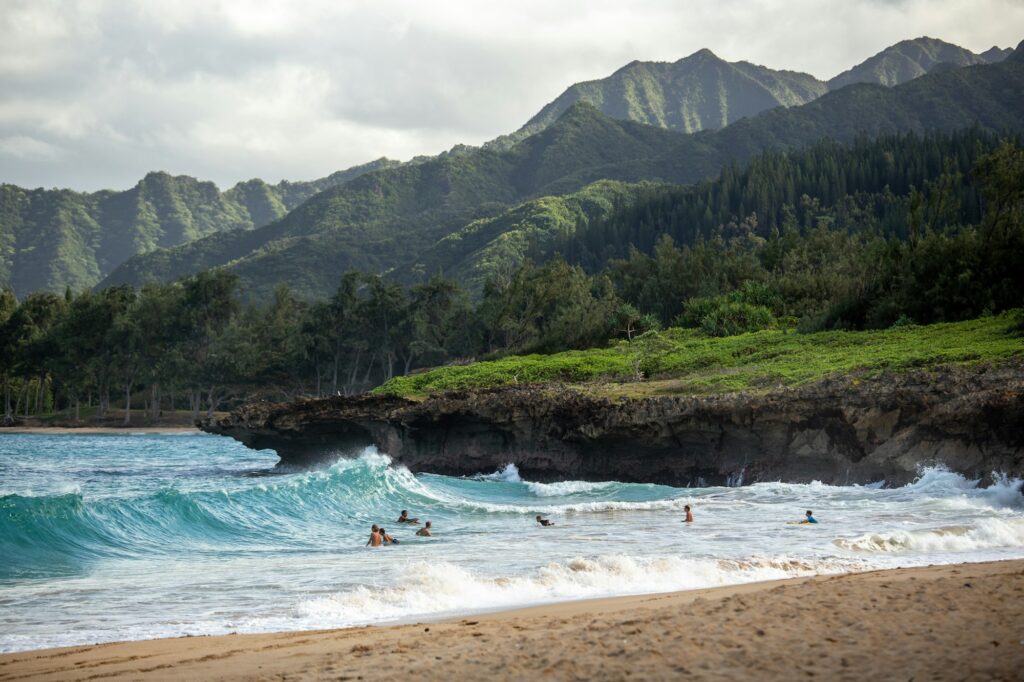
The best time to visit Maui is April, May, September or October for weather and value, or January to March for whales. Maui had the highest hotel rates in the state in September 2026 at an average $454 (about £345) a night, so the shoulder months make a real difference. The road to Hana is greener but wetter and more prone to rock falls in winter, and the Haleakala sunrise needs a timed reservation from the National Park Service all year.
Lahaina and West Maui in late 2026
Lahaina is open to visitors again, with limits. Front Street reopened to vehicles on 1 August 2026 between Papalaua and Shaw streets, along with Dickenson and Prison streets, according to Maui County. Market Street, Papelekane Street and Mokuhinia Place remain closed while work continues, including dredging of Lahaina Harbor, and private property in the burn area is fenced off.
Lahaina Small Boat Harbor began a phased reopening in December 2025, and several sailing, submarine and fishing operators run from it again. Restaurants have reopened on north Front Street, and the reopening of the street was expected to bring back ʻUlu o Lele Marketplace, Kimo’s and more than a dozen other businesses. West Maui resorts in Kaanapali, Napili and Kapalua are open.
When you visit, stay in public areas, keep out of fenced sites, drive slowly and think before taking photos. Many residents still see the town as a place of loss and rebuilding rather than a sight. Visitor guides published in early 2026 listed the Lahaina Courthouse and the Baldwin Home as closed and the Kapalua Bay golf course as closed indefinitely, so check before you plan a visit.
Best time to visit the Big Island
The best time to visit the Big Island is April to June or September and October. The Kona and Kohala coasts are dry almost all year, so the island works in winter as well if you stay on the west side. Hilo and the Hamakua Coast are lush and wet all year, and the summits of Mauna Kea and Mauna Loa are cold and can see snow.
Kilauea’s summit has erupted in episodes since December 2024. Eruptions start and stop with little warning, and lava is not always visible, so check the USGS Hawaiian Volcano Observatory and Hawaii Volcanoes National Park updates just before you go rather than planning a trip around a glow.
Best time to visit Kauai, and its recovery after Hurricane Lowell
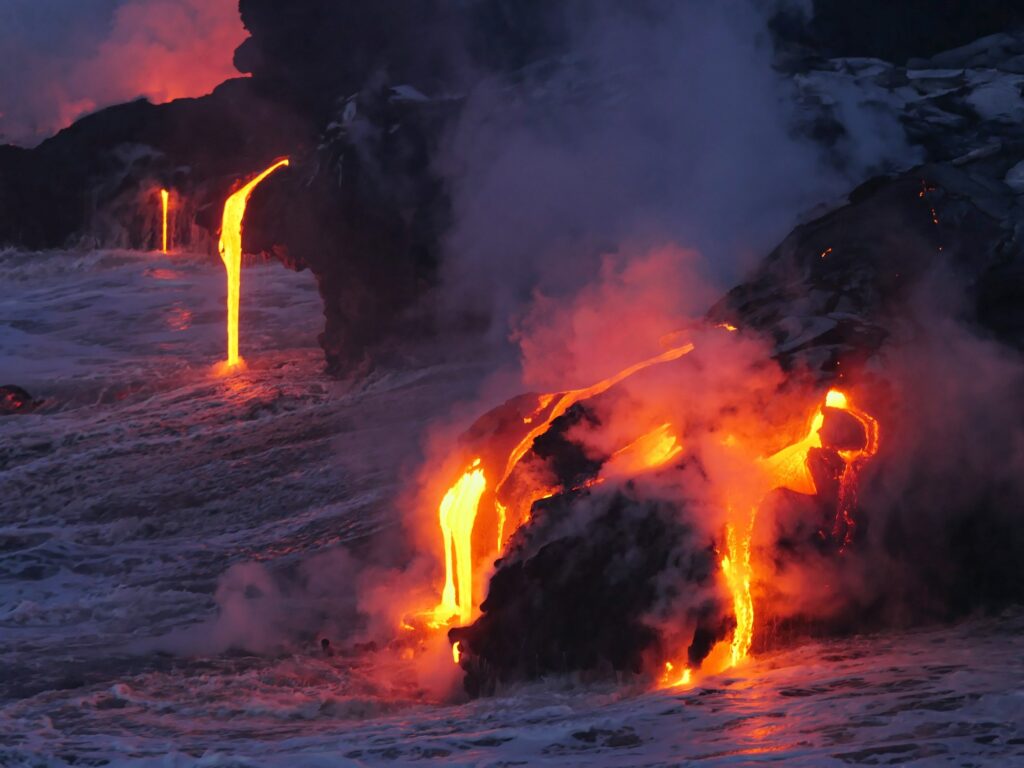
The best time to visit Kauai is May to September, when the North Shore and the Na Pali Coast are calm, trails are drier and boat trips along the cliffs run most reliably. Winter brings big surf that closes north shore beaches, and heavy rain that can close roads and trails at short notice. Poipu, on the sunny south side, is the safest base from November to April.
Kauai took the worst of Hurricane Lowell, which swept past the island overnight on 7 to 8 September 2026. It brought flooding, highway damage and island wide power cuts, and damaged harbours at Port Allen and Waimea. The island is open again. Haena State Park, at the end of the North Shore road, reopened in mid October after more than a month of closure, and Kokee and Waimea Canyon state parks reopened on 7 November 2026.
Some trails, campgrounds and forest areas in Kokee were still closed when we checked, and the Awaawapuhi Trail was open only to the first mile marker. Kauai hotel occupancy fell to 47.2% in September 2026 and the Hawaii Tourism Authority launched a recovery campaign in November, so expect good deals on the island this winter. Check the official Go Hawaii site for what is open before you book tours.
Lanai and Molokai
Lanai and Molokai follow the same pattern. Both are small and quiet, with few hotels, so the main thing to time is the ferry and flight schedule rather than crowds. The channel between Maui, Lanai and Molokai is the heart of whale country in winter.
Best time to see whales in Hawaii
The best time to see whales in Hawaii is January to March. According to the Hawaiian Islands Humpback Whale National Marine Sanctuary, humpbacks are generally seen from November through April, with the peak from January through March. Roughly half of the North Pacific humpback population comes to Hawaii each winter to mate, give birth and nurse calves.
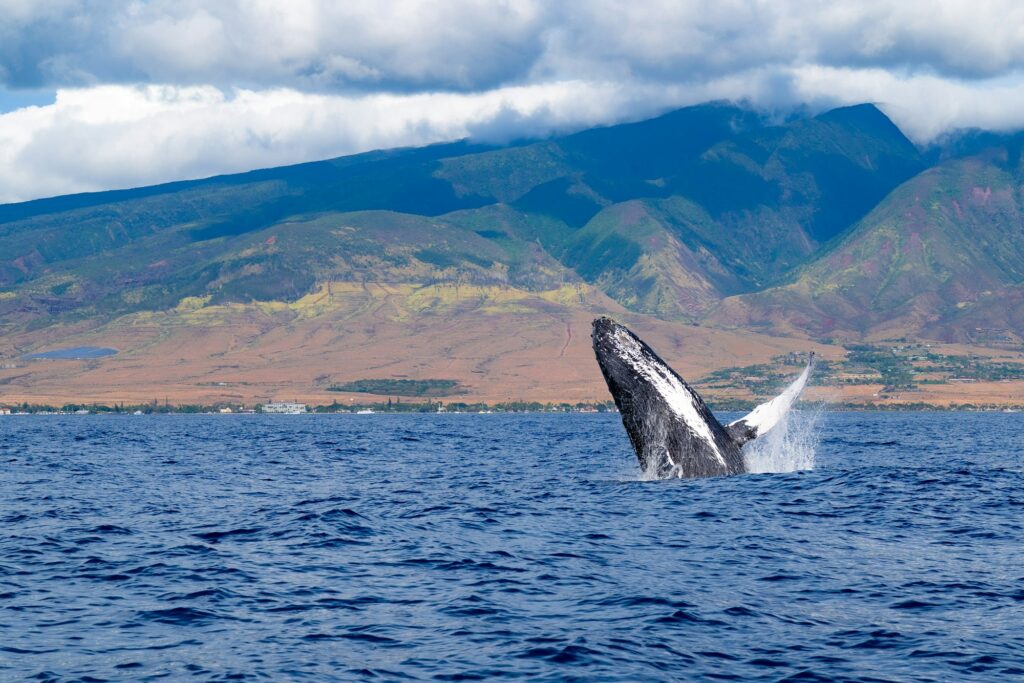
Maui is the classic choice. The shallow, sheltered Auau Channel between Maui, Lanai and Molokai holds some of the highest numbers, and boats leave from Lahaina, Maalaea and Kaanapali Beach. You can also watch from shore at many points along the Kihei and Wailea coast and the west Maui coastline. The Kona coast of the Big Island, Oahu’s south and west shores and Kauai’s south and east coasts all get whales too.
The sanctuary’s volunteer Sanctuary Ocean Count takes place on the last Saturday of January, February and March, from 8am to 12.15pm, on Oahu, the Big Island and Kauai. If the pattern holds, the 2027 dates are 30 January, 27 February and 27 March. Sign up through the sanctuary’s Ocean Count page.
Federal rules make it illegal to approach within 100 yards (about 90 metres) of a humpback whale, by boat, kayak, board or swimming. Choose an operator that follows the rule, and if a whale surfaces near you, stop and let it move away.
North Shore surf season
The North Shore of Oahu gets its big waves from about November to February, when winter storms in the North Pacific send long swells south to the islands. On the biggest days, waves at spots such as Waimea Bay, Pipeline and Sunset Beach can be several times taller than a person. Professional contests are scheduled through the winter, and simply watching from the beach is one of the great free sights in Hawaii.
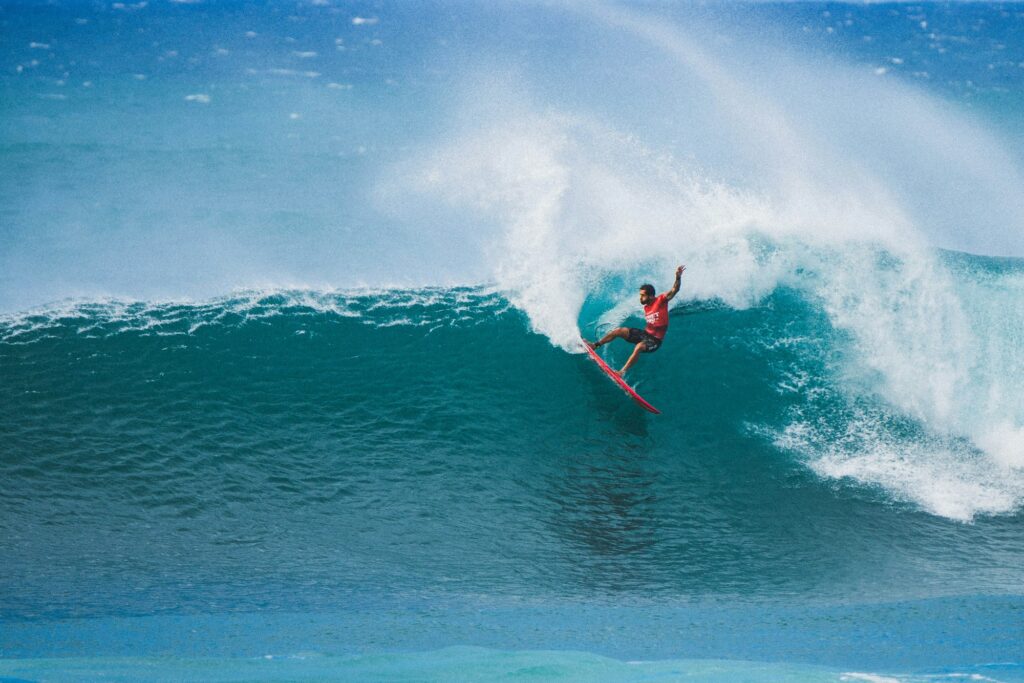
Winter surf is for experts only. When the swell is up, lifeguards close beaches and the shorebreak and currents are dangerous even for strong swimmers. Learn to surf in Waikiki, where waves are gentle in winter, or come in summer, when the North Shore goes calm and the south shores get small, friendly swells.
Hawaii hurricane season
Hawaii’s hurricane season runs from 1 June to 30 November, as it does across the central Pacific. Most storms pass well south of the islands or weaken before they arrive, and direct hits are rare. When one does come close, the effects can be serious, as Kauai found with Hurricane Iniki in 1992 and again with Hurricane Lowell in September 2026.
That does not mean you should avoid summer and autumn. Most years pass with no more than a few days of extra rain and high surf. Buy travel insurance when you book, choose flexible rates, and follow the Central Pacific Hurricane Center (part of the US National Weather Service) and local emergency alerts if a storm forms while you are there. Late summer and early autumn carry the most risk.
Cheapest time to visit Hawaii
The cheapest time to visit Hawaii is late April to early June (avoiding Memorial Day weekend) and from the week after Labor Day to mid November (avoiding Thanksgiving week). Flights from the US mainland are usually cheapest then, and hotels cut rates to fill rooms. Early December, before about 20 December, can also be good value.
Hotel prices are high even in quieter months. Official figures for September 2026 put the statewide average daily room rate at $324 (about £246), with Oahu the cheapest major island at $265 (about £201), Kauai $343 (about £261), the Big Island $372 (about £283) and Maui $454 (about £345). On top of that you pay taxes of around 18% or more and, at many resorts, a daily resort fee and parking.
| Island | Average room rate, Sept 2026 | Approx in GBP | Hotel occupancy |
|---|---|---|---|
| Oahu | $265 | £201 | 75.9% |
| Kauai | $343 | £261 | 47.2% |
| Big Island | $372 | £283 | 64% |
| Maui | $454 | £345 | 67% |
| Statewide | $324 | £246 | 69.7% |
Ways to save: stay in Waikiki rather than a resort area, fly into Honolulu and add a short interisland hop, book rental cars early for winter and spring break, and use free activities such as beaches, shore whale watching and state park hikes. Many popular parks and sights charge non residents more and need advance reservations, including Haleakala sunrise on Maui, Diamond Head and Hanauma Bay on Oahu and Haena State Park on Kauai.
Hawaii’s Green Fee: the 2026 tourism tax increase
Since 1 January 2026, hotel and vacation rental stays in Hawaii cost a little more. Under Act 96, often called the Green Fee, the state transient accommodations tax (TAT) rose by 0.75 percentage points, from 10.25% to 11% of the room rate. The governor’s office put the extra cost at about $3 for every $400 spent on a room.
The money, expected to be about $100 million a year, is split equally between protecting natural resources, making buildings and infrastructure more resilient to disasters such as wildfires and floods, and improving the visitor experience in places such as parks and beaches. You don’t apply for or pay the fee separately; it is added to your bill with the county TAT (3%) and the general excise tax.
The law also extended the tax to cruise ships for the first time, but that part was put on hold by the federal Ninth Circuit Court of Appeals on 31 December 2025 while the cruise industry’s challenge is decided. As far as we could confirm in November 2026, cruise passengers were not yet paying it.
Best time to visit Hawaii by type of traveller
- Couples and honeymooners: May, September or October, for warm sea, quieter beaches and sunsets on the leeward coasts. Pair Maui or Kauai with a few nights on Oahu.
- Families: June to early August suits school holidays and brings the calmest water, but book flights and hotels many months ahead. The UK October half term is also a good, cheaper option.
- Budget travellers: late April to early June or September to mid November, based in Waikiki, with one neighbour island.
- Whale lovers: January to March on Maui, with shore watching in Kihei and Wailea and at least one boat trip.
- Surfers: experienced surfers come November to February for the North Shore; beginners do best in Waikiki all year or on south shores in summer.
- Hikers: May to September, especially on Kauai and the windward sides, when trails are drier and flash flood risk is lower.
- Culture seekers: Merrie Monarch week in Hilo (28 March to 3 April 2027), Lei Day on 1 May, King Kamehameha Day on 11 June and the Aloha Festivals on Oahu in September.
- Snorkellers and divers: May to October for the calmest water, though leeward bays such as those on the Kona coast are good all year. The Kona manta ray night snorkel runs all year.
Hawaii events calendar 2027
These are the main dated events for 2027 that affect crowds and prices. Dates for some festivals had not been announced when we checked in November 2026, so confirm them before you book.
| Date | Event | Island | Note |
|---|---|---|---|
| Late January to March | Humpback whale peak | All, best on Maui | Season November to April |
| 30 Jan, 27 Feb, 27 Mar | Sanctuary Ocean Count | Oahu, Big Island, Kauai | Last Saturday of each month, if the pattern holds |
| 26 March | Prince Kuhio Day | All | State holiday |
| 28 March to 3 April | Merrie Monarch Festival | Big Island (Hilo) | Hula competition tickets by mail lottery from 16 Nov 2026 |
| 1 May | Lei Day | All | Lei making and celebrations, especially in Honolulu |
| 5 June | Ironman 70.3 Hawaii | Big Island | Half distance triathlon |
| 11 June | King Kamehameha Day | All | State holiday with floral parades |
| 20 August | Statehood Day | All | State holiday (third Friday in August) |
| September | Aloha Festivals | Oahu | 2026 Floral Parade was 26 September; 2027 dates to follow |
| October | Ironman World Championship | Big Island (Kona) | Date on the official Ironman site |
| November to February | North Shore big wave season | Oahu | Contests run when the swell allows |
| 12 December (expected) | Honolulu Marathon | Oahu | Second Sunday in December; 2026 race is 13 December |
Merrie Monarch is the most important hula competition in the world, and most festival week events in Hilo are free. Tickets for the three nights of competition are limited to two per person and sold by mail request, with requests postmarked on or after 16 November 2026. International applicants enter a lottery without paying first, and the festival says it does not sell ticket blocks to tour groups. Hilo hotels fill up months ahead.
Flights to Hawaii and entry rules for UK and US travellers
From the UK
There are no nonstop flights from the UK to Hawaii. Most people fly from London Heathrow to a US West Coast hub such as Los Angeles, San Francisco or Seattle (about 10 to 11 hours), then connect to Honolulu, Maui, Kona or Lihue (about 5.5 to 6.5 hours). With a connection, allow about 17 to 21 hours door to gate. You can also connect through Vancouver, or through a US East Coast or Midwest hub. From Manchester, Edinburgh and other UK airports, add a connection in London, Europe or the US.
You clear US immigration and customs at your first US airport, not in Hawaii, so leave at least two to three hours for the connection. Many UK travellers break the journey with a night or two on the West Coast; our guides to things to do in San Diego and Las Vegas have ideas for a stopover.
British passport holders visiting for up to 90 days need an approved ESTA under the Visa Waiver Program, plus an electronic passport. The fee on the official ESTA website is usually $40.62 (about £31), and the authorisation normally lasts two years. Our step by step ESTA application guide explains how to avoid unofficial sites that charge more.
Is it expensive to go to Hawaii from the UK? Yes, compared with most long haul beach trips, because of the distance, the connection and Hawaii’s high hotel and food prices. You can cut the cost by travelling in May or between September and mid November, staying in Waikiki and booking flights well ahead.
From the US
US citizens don’t need a passport to go to Hawaii, because it is a US state and flights from the mainland are domestic. Since 7 May 2025 you need a REAL ID compliant licence, a passport or another accepted ID to pass airport security. Visitors from other countries need the same documents as for any US trip.
Nonstop flights run from many US cities. From the West Coast (Los Angeles, San Francisco, San Diego, San Jose, Oakland, Sacramento, Seattle and Portland) the flight takes about 5 to 6.5 hours. There are also nonstops from cities including Phoenix, Las Vegas, Denver, Dallas, Salt Lake City, Chicago, Minneapolis, Detroit, Atlanta, New York JFK, Newark and Boston. Flights from the East Coast take about 10 to 11.5 hours.
Delta is adding seasonal Boston to Honolulu flights from 19 December 2026 and a new Minneapolis to Maui route from the same date, and is increasing Detroit and Salt Lake City flights from November 2026. Honolulu has the most routes, but Maui (Kahului), Kona and Lihue all have direct mainland flights, which saves an interisland hop.
Arriving passengers fill in the Hawaii agricultural declaration, and bags are checked by US agriculture inspectors before flights back to the mainland, so don’t pack fresh fruit, plants or soil to take home.
Practical basics
- Time difference: Hawaii Standard Time is 10 hours behind London in the UK winter and 11 hours behind during British Summer Time, and 5 hours behind New York in winter (6 in summer). Hawaii does not change its clocks.
- Plugs and voltage: US Type A and B plugs at 120 volts. UK visitors need an adaptor, and check that chargers accept 120 volts.
- Money and tipping: US dollars. Tip 18% to 20% in restaurants, a few dollars per bag or per night for hotel staff and 15% to 20% for taxis and tour guides, as on the mainland.
- Driving: drive on the right. A valid UK licence is accepted for visitors, though rental firms may ask for your passport too. You will want a car on every island except, perhaps, Oahu.
- Phone data: UK phones work but roaming can be costly, so consider a US eSIM.
Hawaii FAQs
Which month is the best to visit Hawaii?
May is the best month to visit Hawaii for most people, with dry weather, a warm sea, calm beaches and prices below the winter and summer peaks. September and October are close behind, with the warmest water of the year. For whales, choose February.
When’s the worst time to travel to Hawaii?
The worst time for prices and crowds is about 20 December to early January, followed by spring break and July. For weather, the wettest months are November to March on windward coasts. There is no truly bad month, because leeward coasts stay warm and fairly dry all year.
What’s the hottest month in Hawaii?
August is the hottest month in Hawaii, with a normal Honolulu high of 88.8°F (32°C) and lows of about 76°F (24°C). September is almost as warm, and the sea is warmest in September and October at about 81°F (27°C).
Do I need a passport to go to Hawaii?
US citizens flying from the mainland don’t need a passport, because Hawaii is a US state, but they do need a REAL ID or other accepted ID at airport security. UK and other international visitors need a valid passport and an ESTA or US visa.
How much does it cost to go to Hawaii?
Visitors spent an average of $283 (about £215) per person per day in Hawaii in September 2026, according to the state’s official tourism figures, not counting flights there. The statewide average hotel room rate that month was $324 (about £246) a night before taxes. Add return flights, which vary widely by season and departure city.
Is $5000 enough for a week in Hawaii?
For one person, $5,000 (about £3,800) is usually enough for a comfortable week, including flights from the US mainland. For a couple it is tight but possible: at the average spend of $283 per person per day, two people spend about $3,960 in a week, leaving around $1,000 for flights. Travel in the shoulder months and stay on Oahu to stretch it.
How much money do I need for 7 days in Hawaii?
Based on the average visitor spend of $283 per person per day in September 2026, plan for about $2,000 (about £1,500) per person for 7 days on the islands, plus flights. Budget travellers in Waikiki can spend less; resort stays on Maui cost far more.
Is it expensive to go to Hawaii from the UK?
Yes. Hawaii is one of the more expensive long haul trips from the UK, because there are no direct flights and hotels, food and car hire cost more than on the US mainland. Travelling in May, September or October and basing yourself on Oahu keeps costs down.
What is the golden hour in Hawaii?
The golden hour is the soft light just after sunrise and before sunset. Because Hawaii is in the tropics, the sun rises and sets quickly, so golden hour is shorter than in the UK or the northern US. In Honolulu, sunset ranges from about 5.45pm in late November and early December to about 7.15pm in late June.
What is the rainy season in Hawaii?
The rainy season runs from about November to March. Rain falls mainly on the windward (north and east) sides as passing showers, while leeward coasts such as Waikiki, Kona and Wailea stay mostly dry. Winter storms called Kona lows can bring a day or two of heavy rain anywhere.
When is the best time to visit Maui?
The best time to visit Maui is April, May, September or October for dry weather and lower prices. Choose January to March if you want to see humpback whales, which gather in the channel off west Maui. Lahaina’s Front Street reopened to vehicles on 1 August 2026.
Is it safe to visit Kauai after Hurricane Lowell?
Yes. Kauai reopened to visitors after Hurricane Lowell in September 2026. Haena State Park reopened in mid October and Kokee and Waimea Canyon state parks on 7 November 2026, though some trails and campgrounds were still closed. Check official updates before booking tours or hikes.
Plan the rest of your trip
The best time to visit Hawaii comes down to what you want most: May, September and October for the best balance, January to March for whales and the cheapest rates outside the holidays and spring break. Choose a leeward base in winter and book Merrie Monarch week and the December holidays early.
For more ideas in the region, browse our Hawaii travel guides. If you are comparing tropical seasons elsewhere, our guides to the best time to visit Bali and the best time to visit Costa Rica explain how their dry and wet seasons compare, and our list of things to do in Fiji covers another South Pacific island escape.