
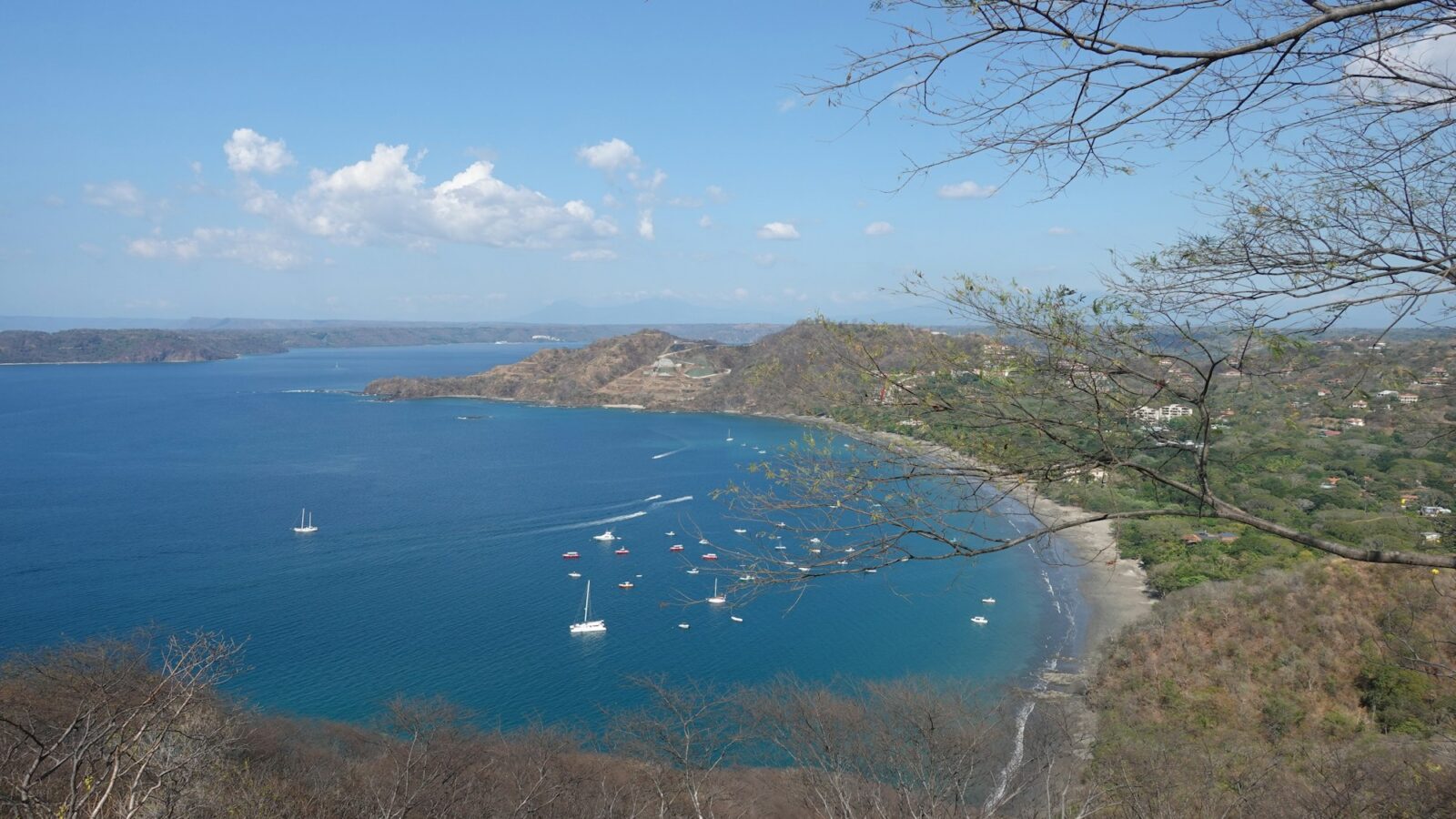
The best time to visit Costa Rica is mid December to April, the dry season, when the Pacific beaches, Arenal and the Central Valley see the most sunshine. For lower prices and fewer people, aim for the shoulder months of late April, May, June, July and November instead.
Some links in this guide are affiliate links: if you book through them we may earn a commission at no extra cost to you. It never changes what we recommend. How we make money.
There is a twist that most guides skip: the Caribbean coast runs on a different calendar. September and October, the wettest months on the Pacific side, are often the driest and calmest around Puerto Viejo and Cahuita. So the right month depends on where you are going and what you want to see, from nesting turtles to humpback whales.
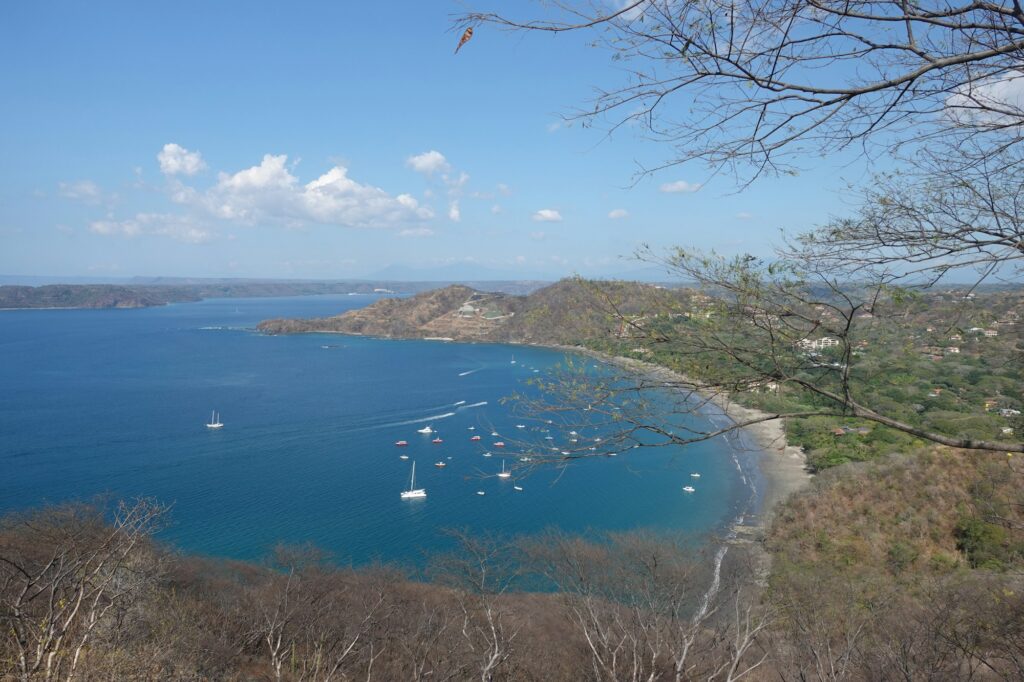
This guide gives you a month by month table, the difference between the coasts, the best month for each kind of traveller, a wildlife and events calendar for 2027, and the practical details UK and US travellers need. Prices and rules were last checked in November 2026.
In this guide:
- Quick answer: the best time to visit Costa Rica at a glance
- Costa Rica weather by month (table)
- Costa Rica dry season and green season explained
- Pacific vs Caribbean coast: which side when
- Best month to visit Costa Rica by traveller type
- Turtle nesting season and whale watching calendar
- Festivals and events in 2027
- Cheapest time to visit Costa Rica
- UK and US travel essentials
- FAQ
Best time to visit Costa Rica at a glance
| If you want | Go in | Why |
|---|---|---|
| Guaranteed sun on the Pacific beaches | January to March | Driest months in Guanacaste and the Central Pacific |
| The best balance of weather and price | Late April, May, early December | Shoulder months, rain usually short and in the afternoon |
| The lowest prices | September to November (Pacific) | Deep green season, many hotel discounts |
| The Caribbean coast at its best | February to April and September to October | Two drier spells on the Caribbean side |
| Green turtles at Tortuguero | July to October (peak August) | Main nesting season on the north Caribbean coast |
| Humpback whales | December to April or July to November | Northern and southern populations visit in turn |
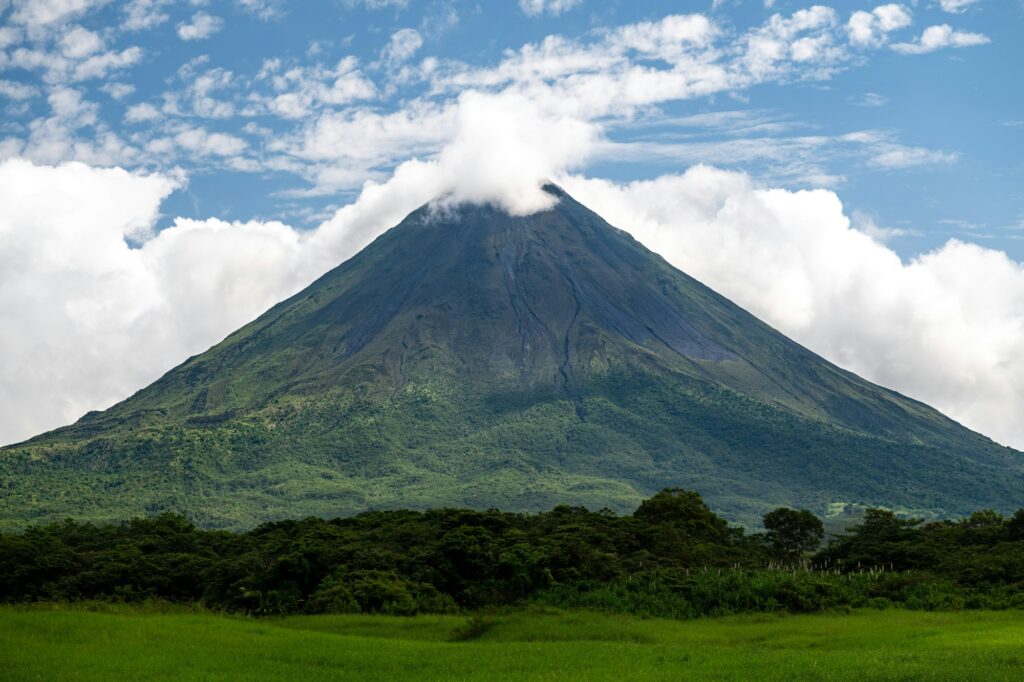
| Clear views of Arenal Volcano | February to April | Fewer clouds over the summit |
| Family trips with school holidays | July, or Christmas and Easter (book early) | UK and US school breaks; local holidays push prices up |
Costa Rica weather by month
Costa Rica sits about 10 degrees north of the equator, so temperatures change little through the year. What changes is rain. The lowlands and beaches stay hot all year, with daytime highs typically around 30°C to 33°C (86°F to 91°F). San José and the Central Valley, at roughly 1,100 to 1,200 metres, are milder, usually in the low to mid 20s°C (low 70s°F) by day. Cloud forest towns such as Monteverde can feel cool at night, so pack a light jacket whatever the month.
The table below is a planning guide based on the Costa Rica Tourism Board’s seasonal advice and long term weather patterns. Treat it as a typical year, not a forecast.
| Month | Pacific side (Guanacaste, Central and South Pacific) | Caribbean side (Tortuguero, Puerto Viejo) | Crowds and prices | Wildlife and events |
|---|---|---|---|---|
| January | Dry, sunny, breezy in Guanacaste | Showers possible | Very busy to mid month, then high | Northern humpbacks; Fiestas de Palmares |
| February | Dry and sunny | Drier spell begins | High | Leatherbacks start at Tortuguero; Envision Festival |
| March | Dry, hot | Mostly dry | High, peaks at Easter | Clearest Arenal views; Semana Santa 21 to 28 March 2027 |
| April | Hot, first showers late in the month | Mostly dry | High until Easter, then falls | Wildlife gathers at water sources; Juan Santamaría Day 11 April |
| May | Green season starts, afternoon rain | Mixed | Low | Leatherbacks continue on the Caribbean side |
| June | Afternoon rain, green landscapes | Mixed | Low | Olive ridley turtles begin to arrive in bigger numbers |
| July | Often a drier break (veranillo) | Rainy spells | Medium, school holidays | Green turtles nest at Tortuguero; southern humpbacks arrive |
| August | Wetter, mainly afternoons | Rainy spells | Medium to low | Peak green turtle month at Tortuguero |
| September | Very wet, especially in the south | Often dry and calm | Lowest | Peak southern humpback season; Independence Day 15 September |
| October | Wettest month on much of the Pacific | Often dry and calm | Lowest | Olive ridley arribadas at Ostional; Limón Carnival |
| November | Rain easing, drier late in month | Wetter again | Low to medium | Migrating birds; leatherbacks return to Playa Grande |
| December | Dry season arrives mid month | Rainy | Low early, peak from Christmas | Festival de la Luz; Fiestas de Zapote |
Costa Rica dry season and green season explained
Costa Rica has two seasons rather than four. The official tourism board describes the dry season as mid December to late April and the green (wet) season as May to mid December. Locals often call the dry season verano (summer) and the green season invierno (winter), which confuses visitors from the UK and US because the names run opposite to the calendar back home.
Costa Rica dry season (mid December to April)
The Costa Rica dry season brings the most reliable sunshine on the Pacific coast, the Central Valley and the northern plains around Arenal. Roads are dry, rivers are low and hiking trails are firm, which makes self driving and long day trips easier.
The trade off is cost and crowds. Christmas, New Year and Semana Santa (Holy Week) are the busiest weeks of the year, and Costa Rican families take their own long school holiday from December into early February. Popular parks such as Manuel Antonio cap daily visitors and require online booking through the national parks service (SINAC), so tickets for peak dates can go weeks ahead.
Guanacaste turns brown and dusty by March, and the hottest month is usually April. If you picture lush jungle, the dry season can look less green than the brochures.
Green season Costa Rica (May to November)
The green season Costa Rica tourism boards promote is the rainy season under a friendlier name, and it earns it. Forests and waterfalls are at their fullest, rivers are good for white water rafting, and hotel rates drop. Many visitors find May, June and early July a sweet spot, with sunny mornings and rain that arrives in the afternoon.
The Costa Rica rainy season gets serious in September and October on the Pacific side. Some hotels and tour companies on the Osa Peninsula and the South Pacific close for these weeks, unpaved roads can wash out, and river crossings to remote lodges may be impossible. Costa Rica sits south of the main hurricane belt, but tropical storms in the Caribbean can still bring days of heavy rain, usually between September and November.
Pacific vs Caribbean coast: which side when
This is where Costa Rica breaks the simple dry and wet rule. The Pacific side has a clearly defined dry season. The Caribbean side, from Tortuguero down to Puerto Viejo and the Panama border, has rain spread across more of the year, with two drier windows instead.
| Region | Best months | Wettest months | Notes |
|---|---|---|---|
| Guanacaste and Nicoya Peninsula (Tamarindo, Nosara, Santa Teresa) | December to April | September to October | Driest region; turns brown by March |
| Central Pacific (Manuel Antonio, Jacó) | December to April | September to October | Manuel Antonio closed on Tuesdays |
| South Pacific and Osa (Uvita, Drake Bay, Corcovado) | January to April | September to November | Some lodges close in October |
| Arenal and La Fortuna | February to April | June to November | Clouds often hide the summit; mornings best |
| Monteverde cloud forest | December to April | September to October | Misty and windy all year; cool nights |
| Caribbean (Tortuguero, Cahuita, Puerto Viejo) | February to April, September to October | November to January, July | Calm, clear sea in September and October |
| Central Valley (San José) | December to April | September to October | Mild all year |
The practical takeaway: the best time to visit Costa Rica depends on the coast. If you have to travel in September or October, build your trip around the Caribbean coast and the northern lowlands rather than Guanacaste and the Osa Peninsula. If you travel from December to April, the Pacific beaches are the main event and the Caribbean is a bonus.
Best month to visit Costa Rica by traveller type
What is the best month of the year to visit Costa Rica overall?
The best month to visit Costa Rica for most people is February. It sits in the heart of the dry season, the Pacific beaches are reliably sunny, Arenal is more often clear, and the Christmas crowds have gone. Book flights and hotels early, because February is still high season and prices stay high until after Easter.
If February is fully booked or too expensive, early December (before about the 15th) and the second half of April after Easter week give similar weather with lower prices.
Best months by traveller type
- First time visitors: February and March, for the most reliable weather across Arenal, Monteverde and the Pacific beaches on one trip.
- Families: July, when UK and US school holidays line up with the veranillo, a common drier spell on the Pacific side. Christmas and Easter also work if you book well ahead.
- Budget travellers: May, June and November, when prices fall but the rain is usually manageable.
- Beach lovers: January to March for the Pacific; September and October for the Caribbean.
- Surfers: the Pacific coast has bigger swells in the green season, roughly May to October; the Caribbean breaks such as Salsa Brava near Puerto Viejo tend to work best from about December to March.
- Wildlife watchers: March and April for animals gathering at water sources; July to October for turtles; whales in both windows below.
- Hikers: January to April, when trails are firm; Chirripó, the highest peak, is usually best in the dry season.
- Honeymooners: early December or late April, for dry weather without the holiday peak.
Turtle nesting season and whale watching calendar
Wildlife timing is the reason many people choose their best time to visit Costa Rica, and it is where competing guides are thinnest. The dates below are typical windows reported by the tourism board and turtle specialists; nature does not follow a timetable, so treat peaks as likely rather than certain.
Turtle nesting season Costa Rica
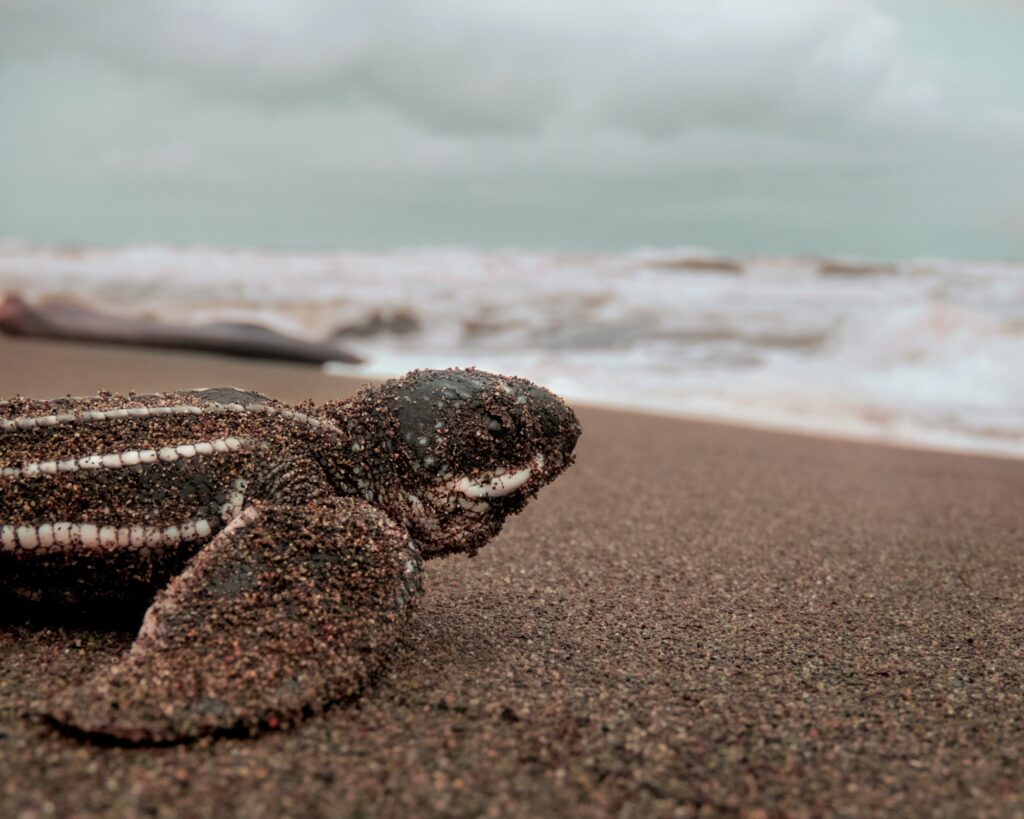
Turtle nesting season Costa Rica style runs almost all year if you pick the right beach. Night tours on nesting beaches must be done with a licensed local guide, and flash photography is not allowed.
| Beach | Coast | Species | Season | Peak |
|---|---|---|---|---|
| Tortuguero National Park | Caribbean | Green turtle | July to mid October | August to September |
| Tortuguero National Park | Caribbean | Leatherback | February to June | March to April |
| Gandoca and Manzanillo | Caribbean | Leatherback, green, hawksbill | March to July | Varies by species |
| Ostional | Pacific (Nicoya) | Olive ridley (mass arribadas) | Most of the year | Rainy season, especially September and October |
| Playa Grande, Las Baulas National Park | Pacific (Guanacaste) | Leatherback | October to mid February | Numbers now low; sightings not guaranteed |
Ostional is famous for arribadas, when thousands of olive ridley turtles come ashore over a few nights, usually around the last quarter of the moon. Tortuguero is reached by boat from La Pavona or Caño Blanco, as there are no roads into the village, and park entry is about $17 (about £13) for foreign adults, booked online in advance.
Whale watching in Costa Rica
Costa Rica gets two humpback whale populations, which gives it one of the longest whale seasons anywhere. Northern Pacific whales arrive from about late December to April, and southern whales from the Antarctic arrive from about July to November, with September often the peak. The best base is Uvita, next to Marino Ballena National Park, where the Whale and Dolphin Festival is usually held in September. Boats leave early to avoid afternoon storms.
Birds and other wildlife
The resplendent quetzal is easiest to see in its breeding season, roughly February to May, around San Gerardo de Dota and Monteverde. Migrating birds from North America pass through in large numbers in October and November and again in March and April. Sloths, monkeys, toucans and coatis are present all year, and the green season often means more active animals and fewer people on the trails.
Costa Rica festivals and events in 2027
Holidays change prices and availability as much as the weather does. Banks and many shops close on national holidays, and buses run reduced timetables during Holy Week.
| When | Event | Where |
|---|---|---|
| January (mid month) | Fiestas de Palmares, rodeos, horse parades and concerts | Palmares, Alajuela |
| February | Envision Festival, music, yoga and arts | Uvita |
| 21 to 28 March 2027 | Semana Santa (Holy Week); most of the country on holiday | Nationwide |
| 11 April | Juan Santamaría Day | Nationwide, Alajuela |
| 25 July | Annexation of Guanacaste Day, rodeos and folk dancing | Guanacaste, Liberia |
| 2 August | Virgen de los Ángeles pilgrimage | Cartago |
| 15 September | Independence Day, lantern parades the night before | Nationwide |
| October (second full week, per the tourism board) | Carnaval de Limón, Afro Caribbean parades and music | Limón |
| December (usually second Saturday) | Festival de la Luz, floats and fireworks | San José |
| Late December | Fiestas de Zapote and the Tope horse parade | San José |
Cheapest time to visit Costa Rica
The cheapest time to visit Costa Rica is the green season, especially September to mid November. Hotel rates and tour prices drop, and flights from the UK and US are often cheaper outside Christmas, Easter and July. The catch is heavy rain on the Pacific side, so pair the low prices with the drier Caribbean coast.
If you want the best time to visit Costa Rica on a budget without heavy rain, May, June and the first two weeks of December are the cheapest months that still feel like a holiday rather than a gamble.
Costs to plan for (last checked November 2026; prices in US dollars, which are widely used for tourist services, with sterling at an approximate rate):
| Item | Typical cost | Notes |
|---|---|---|
| National park entry, Manuel Antonio | $18 (about £14) | Adults 13 and over; book online, no gate sales |
| National park entry, Tortuguero | $17 (about £13) | Book online in advance |
| National park entry, Poás Volcano | $15 (about £11) | Timed entry, book online |
| 3 star hotel, national average | From about $125 (about £95) a night | Costa Rica Tourism Board average, rises sharply in peak weeks |
| Restaurant bill extras | 13% tax plus 10% service | Usually already added to the bill |
| Departure tax | $29 (about £22) | Usually included in your air fare |
The local currency is the colón (CRC). In late 2026 the US dollar bought roughly 445 to 450 colones, so a 5,000 colón note is worth about $11 (about £8). Card payments are accepted almost everywhere in tourist areas, but carry some colones for buses, sodas (small local cafés) and rural areas.
UK and US travel essentials for Costa Rica
Whatever the best time to visit Costa Rica turns out to be for you, the practical rules below stay the same all year.
Entry rules for UK and US passport holders
British citizens do not need a visa for tourism. According to the UK government’s Costa Rica entry requirements page, you can stay up to 180 days, although the immigration officer decides the exact period, and your passport must be valid for at least one day beyond your departure date.
US citizens also enter visa free for up to 180 days. The US State Department’s Costa Rica page says your passport must be valid for the length of your stay and that you need a return or onward ticket. Overstaying brings a fine of $100 for each month.
UK travellers connecting through a US airport such as Miami, Houston or Atlanta need an approved ESTA even if they never leave the airport. Our ESTA application guide explains the steps and the fee.
Flights from the UK and US
- London: British Airways flies nonstop from London Heathrow to San José (SJO) on a Boeing 787. It flies five times a week through March 2027 and three times a week from April to September 2027, with a flight time of roughly 11 hours 30 minutes outbound. TUI no longer runs its winter flight from Gatwick to Liberia.
- Manchester and other UK airports: no nonstop flights; connect via London, Madrid (Iberia flies nonstop to San José) or a US hub.
- New York: JetBlue flies nonstop from JFK to San José in about 5 hours 30 minutes, and United flies from Newark.
- Los Angeles: Alaska, United and (from December) Delta fly nonstop to San José in about 6 hours.
- Other strong routes: Miami, Houston, Atlanta, Dallas and Charlotte have frequent nonstop flights to both San José and Liberia, in roughly 3 to 4 hours.
Time difference, plugs and money
- Time zone: Costa Rica stays on UTC minus 6 all year with no daylight saving. It is 6 hours behind London in winter and 7 hours behind during British Summer Time; 1 hour behind New York in winter and 2 hours behind in the US summer.
- Plugs and voltage: Type A and B sockets, 120 volts, the same as the US. UK visitors need an adapter; most phone and laptop chargers handle 120 volts, but check hair dryers and straighteners.
- Tipping: restaurants add a 10% service charge plus 13% tax, so extra tipping is optional, unlike the 18% to 20% Americans are used to and closer to UK habits. Tipping tour guides is customary; around $5 to $10 per person is a common guide.
Driving in Costa Rica
Costa Ricans drive on the right. Tourists can drive with a valid UK or US licence plus their passport, which shows the entry stamp. A 4×4 is worth the extra cost in the green season and for Monteverde, the Nicoya Peninsula and the Osa Peninsula, where unpaved roads and river crossings are common. Rental prices quoted online often exclude the mandatory local insurance, so check the final total before you book.
Staying connected
Mobile coverage is good in towns and along main roads but patchy in Tortuguero, Corcovado and remote Nicoya beaches. An eSIM bought before you fly lets you use maps and ride apps from the moment you land.
Our verdict on when to go
For a first trip that combines volcanoes, cloud forest and Pacific beaches, February or March is the best time to visit Costa Rica. For value, choose May, June or early December. For turtles, go to Tortuguero in August. If your dates fall in September or October, switch your beach time to the Caribbean coast and you will often have the better weather and the lower prices.
FAQ: best time to visit Costa Rica
What is the best month of the year to visit Costa Rica?
February is the best month for most visitors. It falls in the middle of the dry season, with sunny Pacific beaches and the best chance of clear views at Arenal, but after the Christmas peak. March is a close second, apart from Easter week. For lower prices with decent weather, choose May or early December.
What’s the best way to get around Costa Rica?
For flexibility, rent a car (a 4×4 in the green season). Without driving, shared tourist shuttles link the main hubs such as San José, La Fortuna, Monteverde, Manuel Antonio and Tamarindo. Public buses are cheap but slower, and small domestic airlines save hours on long routes to the Osa Peninsula and Tortuguero.
Is $1000 enough for a week in Costa Rica?
It can be, excluding flights, for a budget traveller using hostels, public buses, local sodas and one or two park visits. It is tight for a mid range trip, as the national average for a 3 star hotel is about $125 a night before tours and car hire. Travel in the green season to stretch the budget.
Are there mosquitos in Costa Rica?
Yes. Mosquitoes are common in the lowlands and on both coasts, especially in the rainy season, and dengue fever occurs in Costa Rica. Use a repellent containing DEET, cover up at dawn and dusk, and check the latest health advice from your doctor or an official travel health service before you go.
Are bed bugs bad in Costa Rica?
Bed bugs are not considered a widespread problem in Costa Rica, but as anywhere they can turn up in budget hostels and busy hotels. Read recent reviews, check mattress seams when you arrive, and keep your bag off the bed and floor.
What is the biggest problem in Costa Rica?
For visitors, the most common problem is petty theft, particularly from rental cars, beach bags and buses. Nationally, the biggest concern in recent years has been a rise in violent crime linked to drug trafficking, which mainly involves criminal groups rather than tourists. Never leave valuables in a parked car.
What are typical Costa Rican dishes?
The staples are gallo pinto (rice and beans, often at breakfast) and casado, a lunch plate of rice, beans, salad, plantain and meat or fish. Also try chifrijo, olla de carne (beef and vegetable soup), ceviche and, on the Caribbean coast, rice and beans cooked in coconut milk with rondón seafood stew.
Is it still safe to go to Costa Rica right now?
Yes, for most visitors. The US State Department rates Costa Rica at Level 2, “exercise increased caution,” mainly because of crime, which is the same level as many popular European countries. Use normal precautions: avoid isolated beaches after dark, use official taxis or ride apps, and check official advice before you travel.
Are Americans still welcome in Costa Rica?
Yes. Americans are the largest group of international visitors to Costa Rica, US citizens can stay up to 180 days without a visa, and US dollars are accepted widely in tourist areas. English is spoken in most hotels and by tour guides, though a few Spanish phrases are always appreciated.
What is the biggest predator in Costa Rica?
The jaguar is the largest land predator in Costa Rica, but it is shy and very rarely seen; Corcovado National Park on the Osa Peninsula is its main stronghold. The American crocodile, often seen from the bridge over the Tárcoles River on the Pacific coast, is the largest predator you are likely to spot.
When is the Costa Rica rainy season?
The Costa Rica rainy season, also called the green season, runs from May to mid December on most of the country. On the Pacific side it is wettest in September and October. The Caribbean coast is different: it is often drier in September and October and wetter from November to January.
Plan the rest of your trip
Costa Rica pairs well with other trips across the Americas. If you are connecting through Florida, our guide to things to do in Miami covers a stopover. For another Caribbean coast break, see things to do in Cartagena or things to do in Cancun.
Planning a long trip with a different weather pattern? Compare this with the best time to visit Thailand, which also has a green season with good deals. For the official seasonal guide and regional advice, see the Costa Rica Tourism Board’s when to visit page.