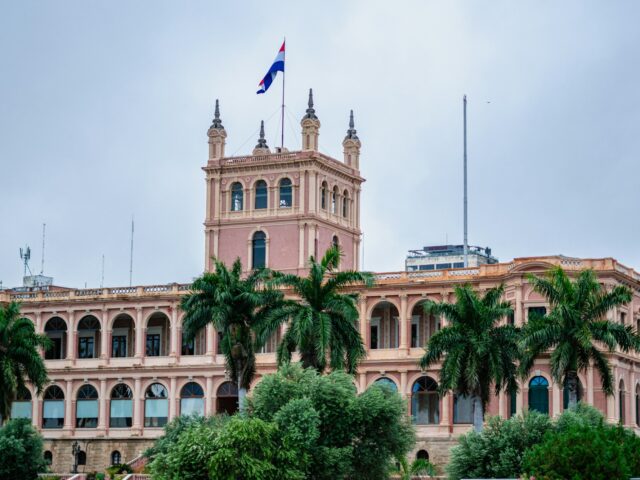
Paraguay travel guides for UK and US visitors: Asunción, the Jesuit missions of Trinidad and Jesús, Itaipu, Encarnación and the Chaco, with prices, entry rules and safety advice.
Paraguay is one of the least visited countries in South America, which is exactly its appeal. The landlocked country between Argentina, Brazil and Bolivia has the red sandstone Jesuit missions of Trinidad and Jesús (a UNESCO World Heritage Site), the huge Itaipu dam on the Paraná river, lakeside towns such as San Bernardino and the vast, wild Chaco in the west. Spanish and Guaraní are both official languages, and prices are among the lowest on the continent.
Most visitors fly into Asunción, usually via Madrid, São Paulo or Panama City, as there are no direct flights from the UK or US. British and US passport holders can visit for up to 90 days without a visa. A week covers Asunción, a day trip and the missions near Encarnación; two weeks lets you add Itaipu and Iguazu Falls across the border.
In November 2026 the FCDO did not advise against travel to any part of Paraguay, and the US State Department rated it Level 1. Both warn about cross border crime in the departments next to Brazil, including Alto Paraná, Amambay, Canindeyú, Concepción and San Pedro, so check the latest advice before you go.
Paraguay is one of South America's least visited countries, which is part of its appeal. Most trips combine the capital with the south, and a few travellers head west into the Chaco.
Paraguay is one of the cheapest countries in South America. Prices are in guaraníes (Gs), which come in large numbers. These were checked in November 2026.
| Item | Guaraníes | About in £ / $ |
|---|---|---|
| Chipa from a street seller | Under Gs 5,000 | Under 60p / 80 cents |
| Canteen (comedor) meal | Gs 20,000 to 30,000 | £2.40 to £3.55 / $3.10 to $4.65 |
| Two course set lunch | Gs 30,000 to 40,000 | £3.55 to £4.75 / $4.65 to $6.20 |
| Jesuit missions ticket (foreigners) | Gs 40,000 | £4.75 / $6.20 |
| Basic private double room | Gs 180,000 to 250,000 | £21 to £30 / $28 to $39 |
| Itaipu dam visit (Paraguay side) | Free | Free |
May to September, the southern winter, is the most comfortable time for travelling, with mild days and cool nights. The summer from November to March is very hot and humid, especially in the Chaco, though it is also the season for Encarnación's river beaches and carnival in January and February.
No. British and US passport holders can visit Paraguay as tourists without a visa for up to 90 days. Make sure your passport is stamped on arrival, as the FCDO says you will be fined on departure without an entry stamp.
For most visitors, yes. In November 2026 the FCDO did not advise against travel to any part of Paraguay and the US rated it Level 1, but both warn about crime in the departments bordering Brazil.
The guaraní (PYG). In late November 2026 the Central Bank reference rate was about Gs 8,430 to the pound and Gs 6,435 to the dollar. Carry cash for buses, markets and rural sites.
The Jesuit missions of Trinidad and Jesús near Encarnación are the country’s only UNESCO World Heritage Site and its most impressive sight, followed by the Itaipu dam and Asunción’s old centre.
Yes. Paraguay is one of the cheapest countries in South America. A canteen meal costs around Gs 20,000 to 30,000 (about £2.40 to £3.55 or $3.10 to $4.65).
Spanish and Guaraní are both official languages, and most Paraguayans speak both. English is spoken in some hotels and tourist businesses but is not widely used.
Plan and book
These are affiliate links: we may earn a commission at no extra cost to you. It never changes what we recommend. How we make money.